What Is Food Preservation and Storage?
Food preservation and storage are essential for keeping your food safe, fresh, and nutritious. By controlling factors like temperature, moisture, and microbes, you can slow down spoilage and maintain quality.
Whether you use traditional methods like drying, salting, and fermentation or modern techniques such as freezing, canning, and irradiation, these practices help extend the life of your food.
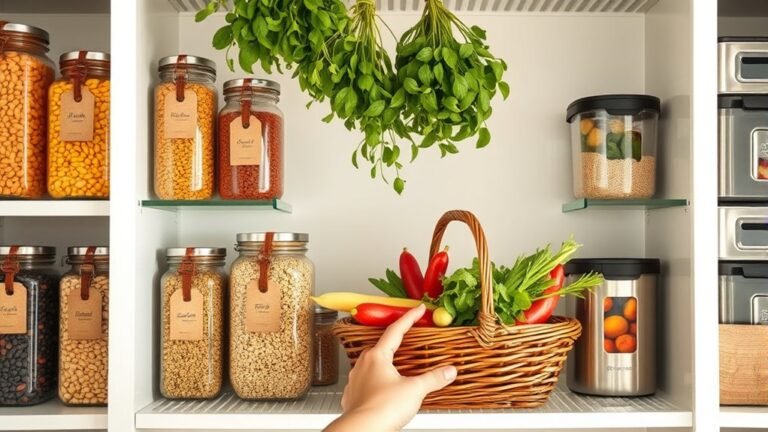
Proper storage is just as important. It means maintaining the right environment—cool, dry, or airtight—depending on the type of food you have.
When you understand these principles, you can reduce waste and enjoy your food longer. Curious about how to apply these methods effectively? Keep reading to discover more details and tips that make food preservation and storage easier for you.
Key Takeaways
- Food preservation involves methods that prevent microbial growth, enzymatic activity, and oxidation to extend food shelf life.
- Traditional preservation techniques include drying, fermentation, salting, pickling, and smoking to inhibit spoilage.
- Modern methods like freezing, canning, irradiation, and modified atmosphere packaging use scientific advances for safety and longevity.
- Food storage requires controlling temperature, humidity, air exposure, and contamination to maintain quality and safety.
- Proper packaging and environment, such as refrigeration or cool dry places, are essential for keeping food fresh and nutritious.
Principles and Methods of Food Preservation
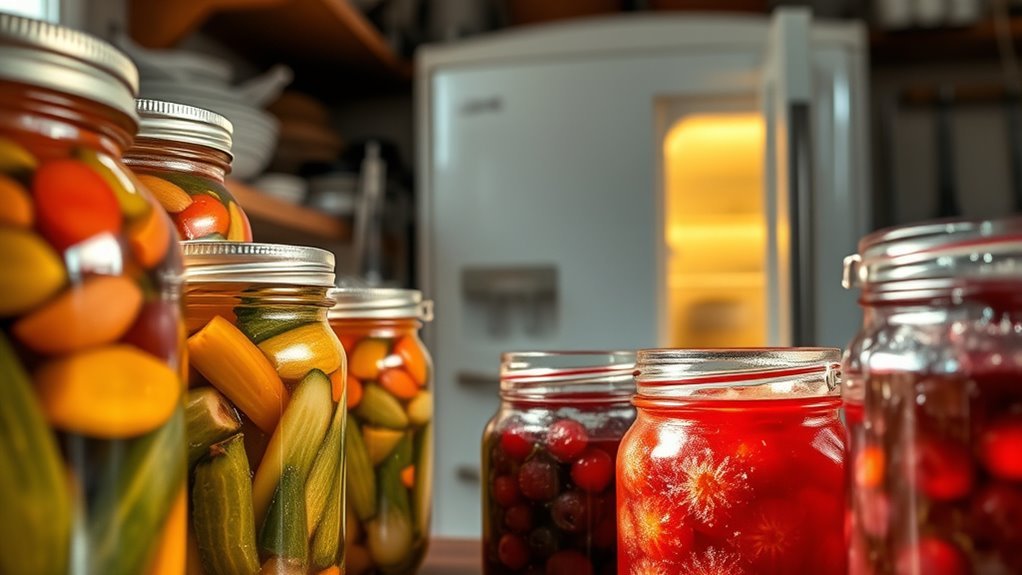
How can we keep food fresh and safe for longer periods? Food preservation involves using methods that prevent microbial growth, enzymatic activity, and oxidation, which are essential for effective food storage.
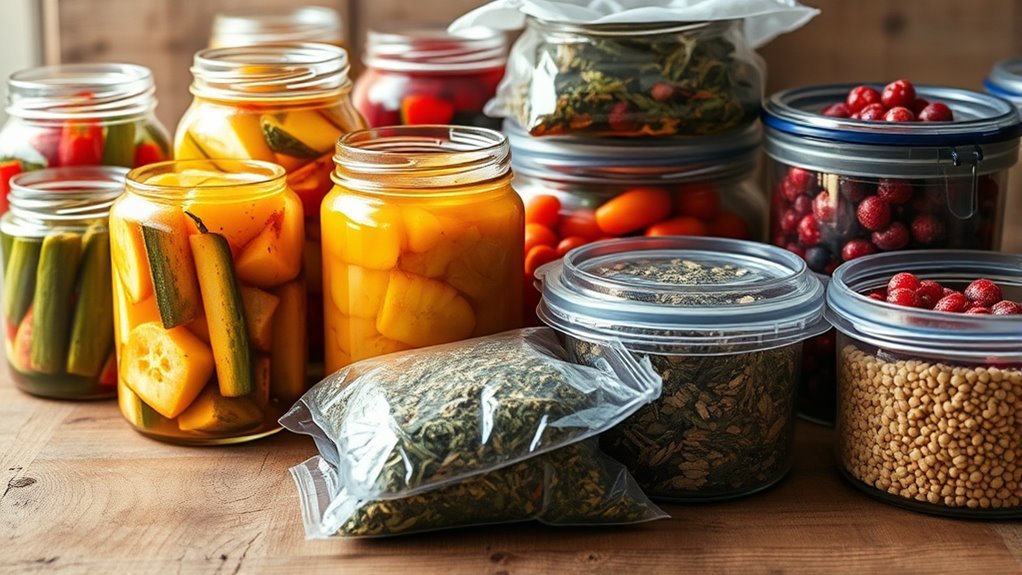
Traditional methods like drying, fermentation, salting, pickling, and smoking have preserved food for centuries by controlling environmental factors. These old-school techniques still work wonders.
Modern techniques such as freezing, canning, irradiation, and modified atmosphere packaging further enhance food safety and extend shelf life. They use science to keep your food fresher, longer.
These storage methods rely on adjusting temperature, water activity, pH, and oxygen levels to maintain food quality. It’s all about creating the right environment so food stays good.
Combining multiple preservation hurdles improves stability while keeping the food’s sensory and nutritional value intact. That means your food tastes great and stays nutritious.
Techniques and Best Practices for Food Storage
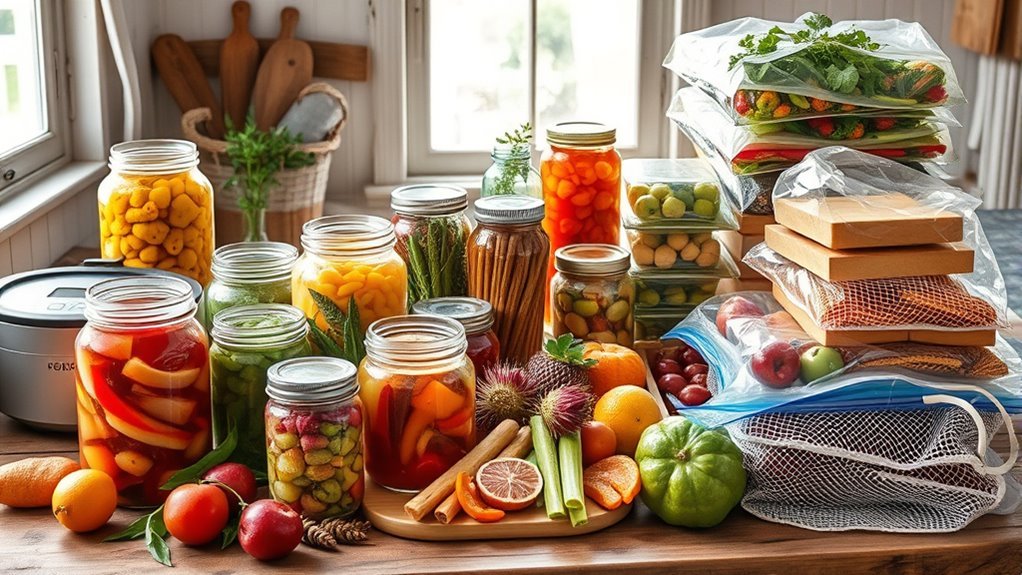
Building on preservation methods, mastering proper food storage techniques helps you keep your food fresh and safe for longer. You can use refrigeration to slow microbial growth or freezing to halt most biological and chemical activities, extending shelf life substantially.
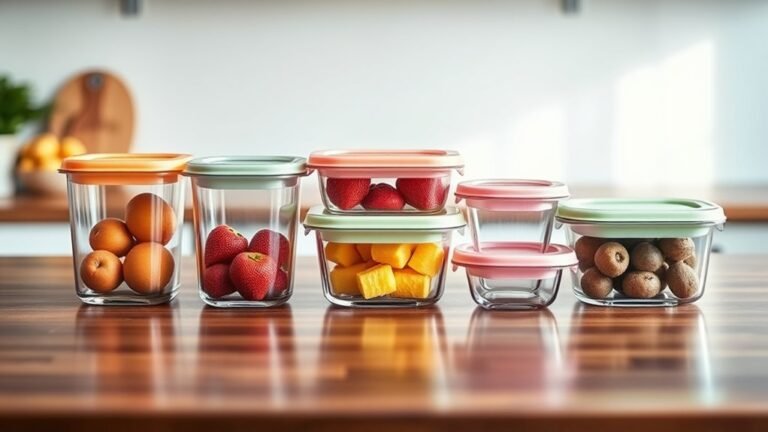
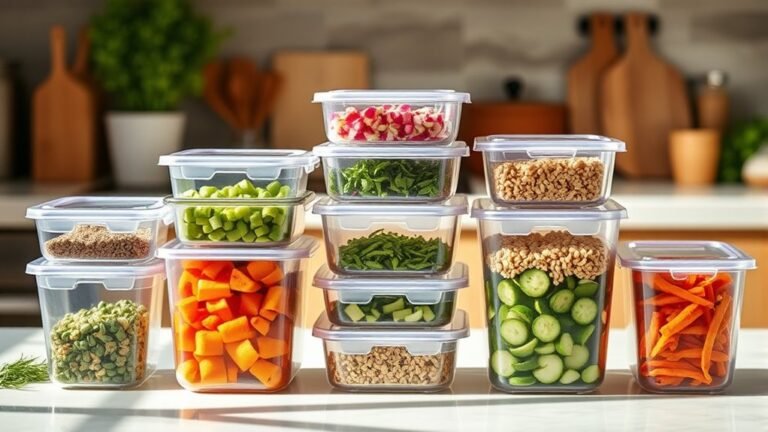
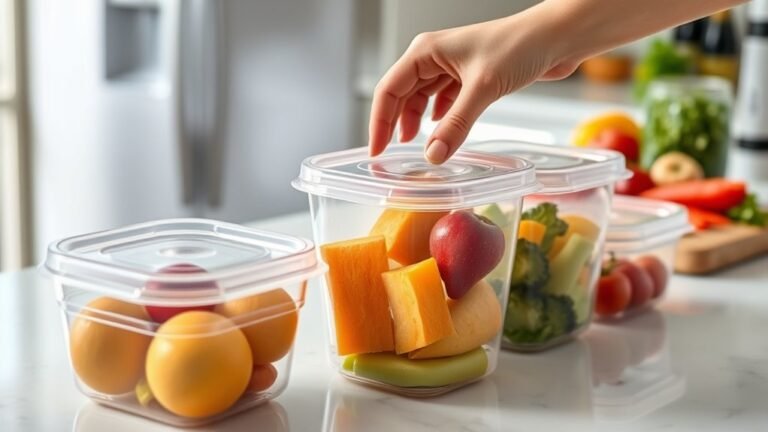
Techniques like canning, drying, and vacuum packaging preserve food by creating ideal storage conditions that prevent spoilage. Using airtight containers or Mylar bags with oxygen absorbers reduces exposure to air and insects, protecting nutrients.
Remember that different foods need specific storage environments; for example, root vegetables thrive in cool, moist places, while canned and dried goods require cool, dark, dry areas. Temperature control is crucial across all food preservation methods to maintain quality and prevent food spoilage effectively.
Following these best practices ensures your food stays safe and delicious longer. It really makes a difference when you want to enjoy your food without worry!
Frequently Asked Questions
What Is Food Preservation and Food Storage?
Food preservation means treating food to keep it from spoiling, while food storage involves keeping that preserved food in the right conditions.
You use both to make your food last longer and stay safe to eat. It’s all about making sure your food doesn’t go bad too quickly. Pretty handy, right?
How Long Does Preserved Food Last?
Think of preserved food as a treasure chest: commercially canned lasts 1-5 years, freeze-dried up to 30, dried grains 1-2, home-canned about a year, and refrigerated leftovers just days.
Store wisely to keep your treasure safe. It really pays off to check storage conditions and packaging regularly. That way, your food stays fresh and tasty longer!
What Is the Difference Between Food Preservation and Storage?
You preserve food by applying methods like freezing or drying to stop spoilage.
Storage means keeping that preserved food in the right conditions, like cool or airtight spaces, to maintain its quality longer.
What Are 10 Examples of Preserving Food?
Remember your grandmother’s pantry? You can preserve food by drying, fermenting, salting, canning, freezing, pickling, smoking, sugaring, vacuum sealing, and refrigerating.
Each method locks in flavor and keeps food safe longer for you. It’s pretty amazing how these simple techniques help food last so much longer, right?
Conclusion
Now that you know the principles and methods of food preservation, you can keep your food fresh and safe longer. Remember, “a stitch in time saves nine,” so acting quickly with proper storage techniques prevents waste and saves you money.
By applying these best practices, you’ll enjoy your meals without worry and reduce spoilage. Take control of your food’s lifespan—you’ll thank yourself every time you open the fridge or pantry!
Food preservation and storage are key to maintaining the quality and safety of your groceries. Using the right methods not only extends freshness but also helps avoid unnecessary food waste. So, start preserving your food properly today and experience the benefits of longer-lasting, delicious meals!