What Is Dry Food Storage?
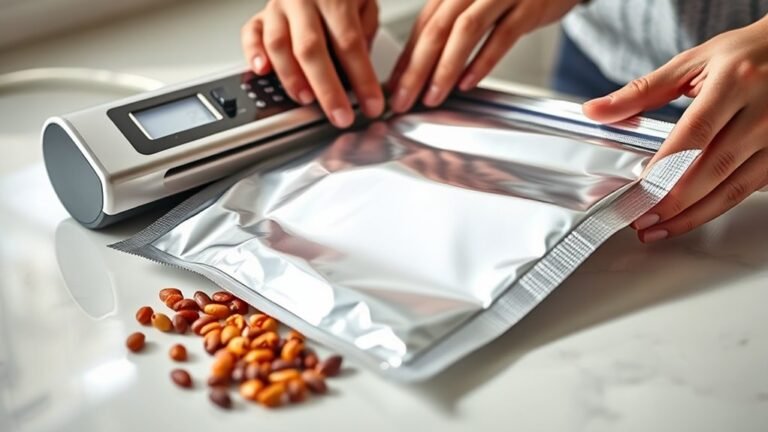
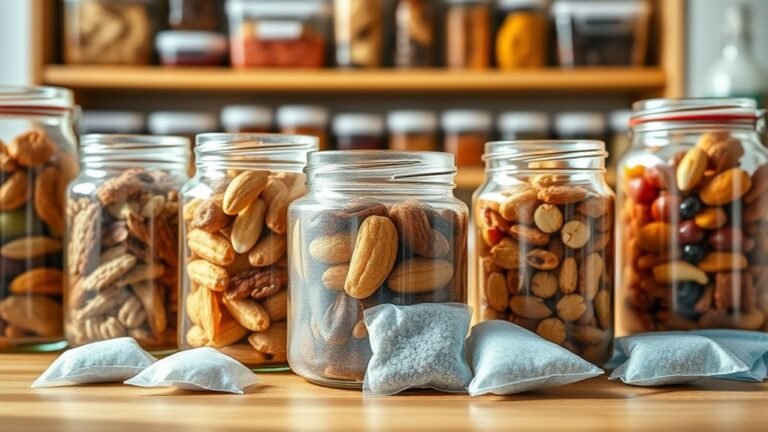
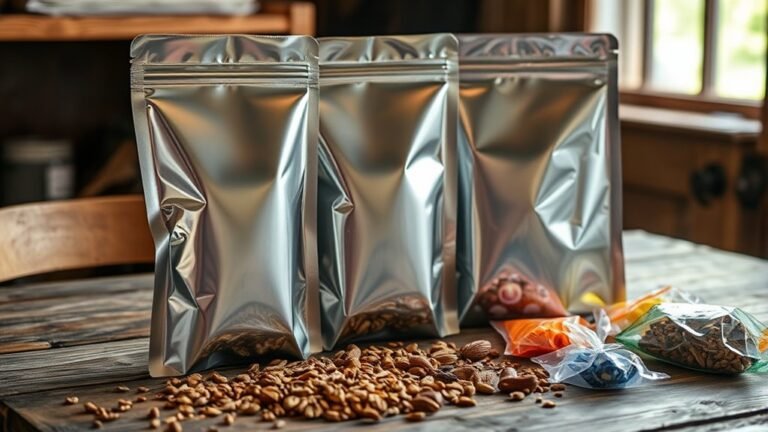
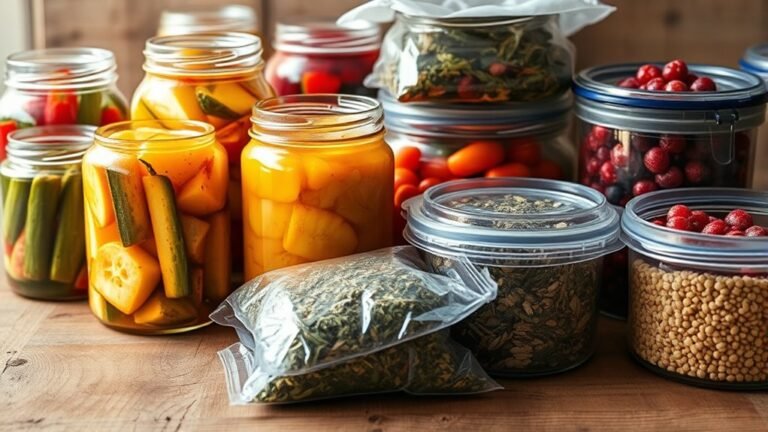
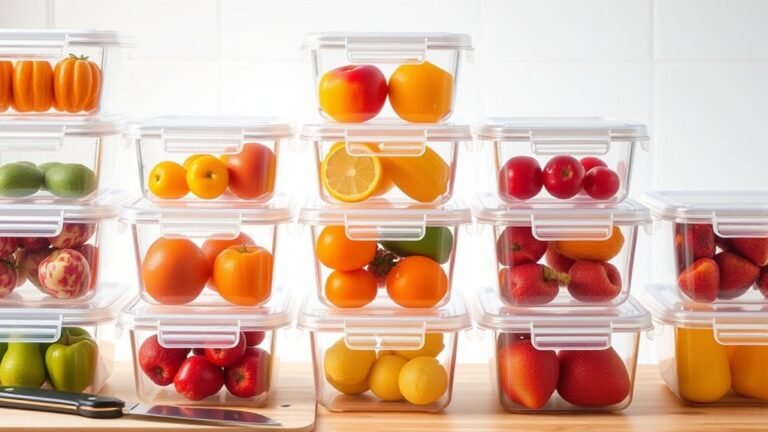
Dry food storage means keeping your dry foods fresh, safe, and free from pests by storing them properly. It’s all about using the right containers and environment to maintain quality. You’ll want to use airtight containers to keep moisture and bugs out.
Also, keep foods in a cool, dry place around 50-70°F with moderate humidity. Avoid exposing your dry foods to light, which can degrade them over time.
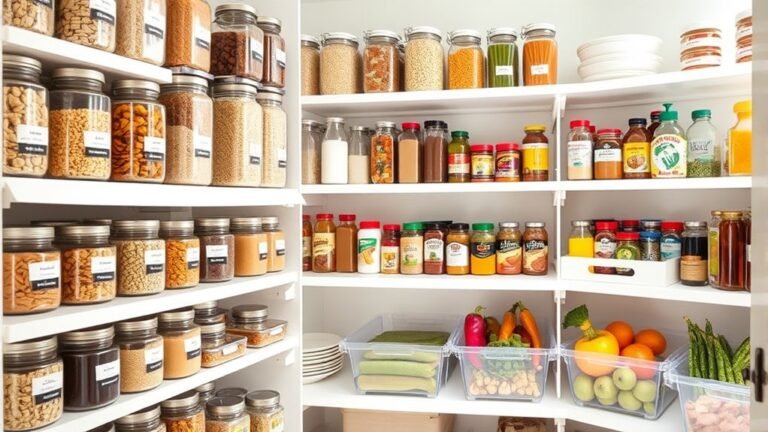
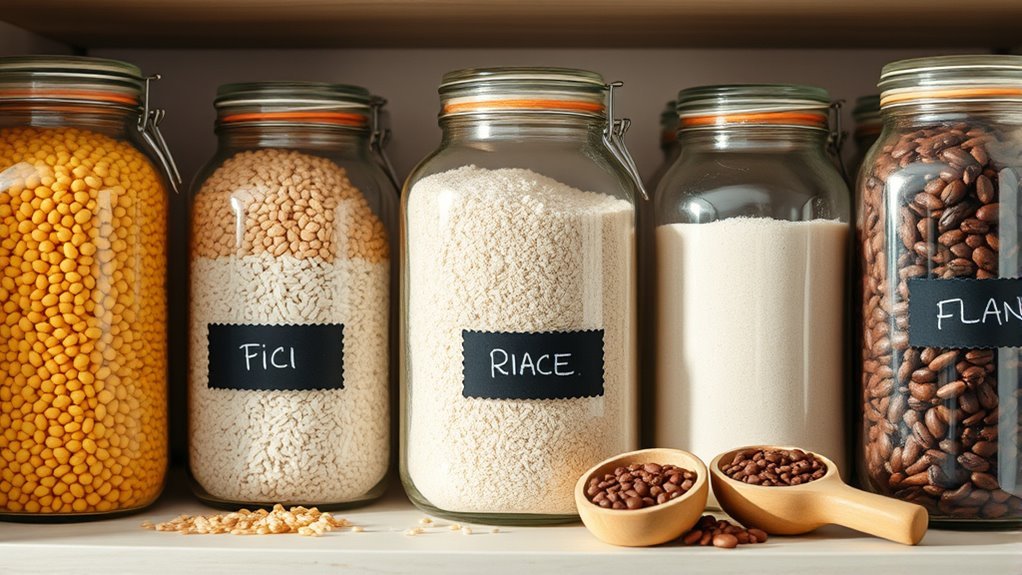
Organizing with labels helps you keep track and remember what to use first.
Rotating older items first is key to maintaining the best quality. Don’t forget to regularly check your stored foods for any signs of spoilage or pests.
Taking these steps will really help you protect your food and get the most out of your dry food storage. If you want to optimize your food’s shelf life and quality, there’s more useful info ahead.
Key Takeaways
- Dry food storage involves keeping non-perishable foods in controlled conditions to maintain quality and safety. It requires using airtight containers to protect against moisture, pests, and contamination.
- Proper storage conditions include temperatures between 50-70°F and humidity levels of 50-55%. These help keep your food in the best shape possible.
- Organizing with labels, FIFO rotation, and off-floor shelving helps manage inventory and prevent spoilage. It’s a smart way to keep track and make sure nothing goes bad.
- Regular inspection and maintenance ensure food remains fresh, safe, and free from mold or pest damage. Checking your storage often really pays off in the long run.
Importance of Proper Dry Food Storage
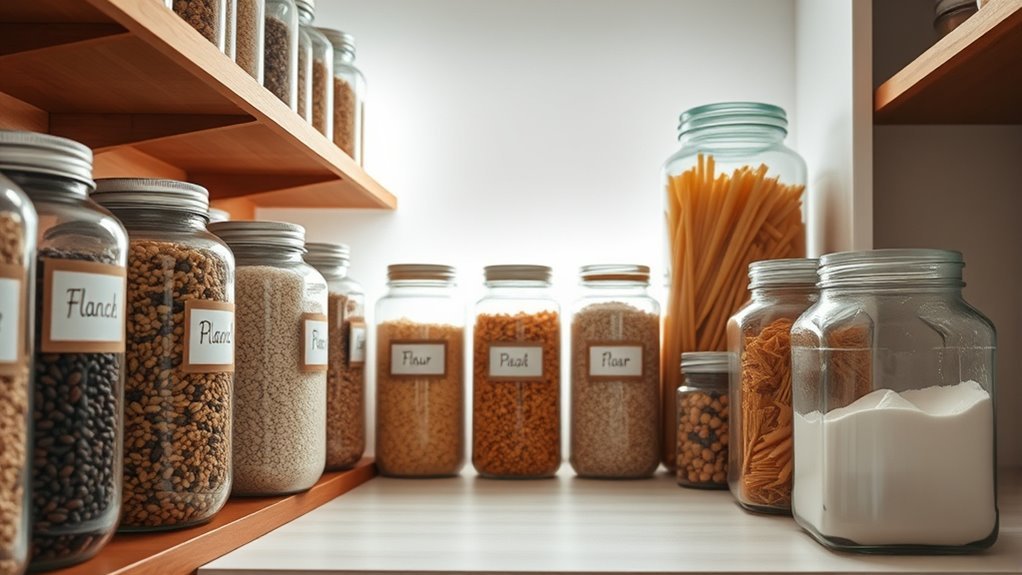
Although it might seem simple, proper dry food storage plays an essential role in keeping your food safe and nutritious. When you follow effective storage practices, you prevent spoilage and maintain food quality, ensuring food safety.
Using airtight storage containers in a clean, well-organized storage area helps protect your dry storage from pests and contamination. Temperature control is fundamental; keeping the area between 50-70°F with 50-55% humidity extends your food shelf life markedly.
You should also use organized labeling and FIFO rotation to track expiration dates and reduce waste. Finally, storing food off the floor and away from light minimizes risks that could compromise your dry foods.
Best Practices for Maintaining Dry Food Quality
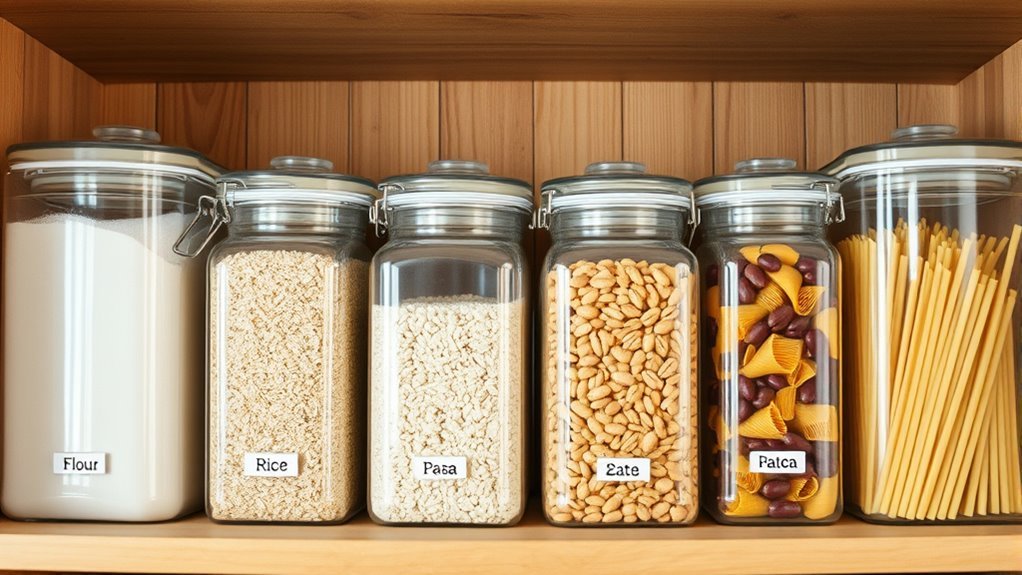
When you maintain dry food at temperatures between 50°F and 70°F and humidity levels of 50-55%, you considerably extend its freshness and nutritional value. Store dry foods in airtight containers or keep them in their original packaging to preserve food quality and prevent moisture absorption.
Proper storage temperature and humidity levels are key for mold prevention and pest control. Keep items at least 6 inches off the floor on well-ventilated shelves to promote airflow and reduce spoilage.
Proper labeling with contents, receipt, and expiry dates helps you manage shelf life and rotate stock efficiently. Regularly inspect your dry foods for any signs of mold or pests, so you can address issues early.
Following these best practices guarantees your dry foods remain safe and nutritious for longer. It’s really all about keeping things dry, cool, and well-organized. That way, your food stays fresh and ready when you need it!
Frequently Asked Questions
Should I Avoid Storing Dry Food Products?
No, you shouldn’t avoid storing dry food products, but you must store them properly—off the floor, away from chemicals, in sealed containers, and in cool, dry places. This helps prevent spoilage, pests, and contamination.
Keeping your dry foods stored right means they’ll last longer and stay safe to eat. So, just take a little extra care with where and how you keep them, and you’ll be good to go!
How Far off the Floor Should Dry Food Be Stored?
You should store dry food at least 6 inches off the floor to avoid contamination, water damage, and pests.
This also makes cleaning easier and helps keep your food fresh and safe for longer.
What’s the Best Way to Store Dry Foods?
Imagine Sarah using airtight glass jars in her cool pantry to store beans.
You should store dry foods in airtight containers, keep them cool and dry, label everything, and place items at least 6 inches off the floor for freshness and safety.
It really helps keep things fresh longer and prevents pests from getting in. Plus, labeling containers makes it easy to find what you need without opening everything up.
What Are the FDA Guidelines for Dry Food Storage?
The FDA recommends you store dry foods between 50°F and 70°F in a cool, dry place. Keep them off the floor and away from walls to avoid moisture and pests.
Use airtight containers to keep your food fresh. And don’t forget to label everything—this helps prevent spoilage and contamination.
Conclusion
Think of your dry food as precious seeds in a garden. If you leave them exposed to rain or pests, they won’t grow strong or last long.
By storing your dry food properly, you’re protecting those seeds, ensuring they stay fresh and full of life. Just like a careful gardener tends to every plant, you can preserve your food’s quality.
Nurture it so it serves you well, meal after meal. Your care makes all the difference in maintaining dry food storage that keeps your supplies safe and tasty. Proper dry food storage helps prevent spoilage, extends shelf life, and keeps your food ready whenever you need it. So, take the time to store your dry food right—your future self will thank you!