Will Storage Containers Make My Cat Food Last Longer?
Yes, using airtight storage containers along with your cat food’s original bag will definitely make it last longer. These containers block oxygen, moisture, and light, which speed up spoilage and nutrient loss.
Rolling and clipping the original bag tightly before sealing it inside a container keeps your cat’s food fresher and tastier. Storing food in a cool, dry place further protects quality.
Keep going to discover the best containers and storage tips for maximum freshness. You’ll learn how to keep your cat’s food fresh and nutritious for longer, which means less waste and more happy mealtime moments.
Key Takeaways
– Airtight storage containers block oxygen and moisture, which helps slow down kibble spoilage and nutrient loss a lot.
Using containers made of durable plastic or glass with locking lids makes sure you get a tight seal and keep the food fresh.
– It’s best to store dry cat food in the original bag inside an airtight container. This way, you get the most protection from light and air.
Containers that block light also help preserve vitamins and cut down on fat oxidation, which keeps the food tasting good for longer.
– Make sure to keep the food in a cool, dry place below 100°F inside those airtight containers. This really helps maintain the quality for a longer time.
How Storage Containers Keep Dry Cat Food Fresh
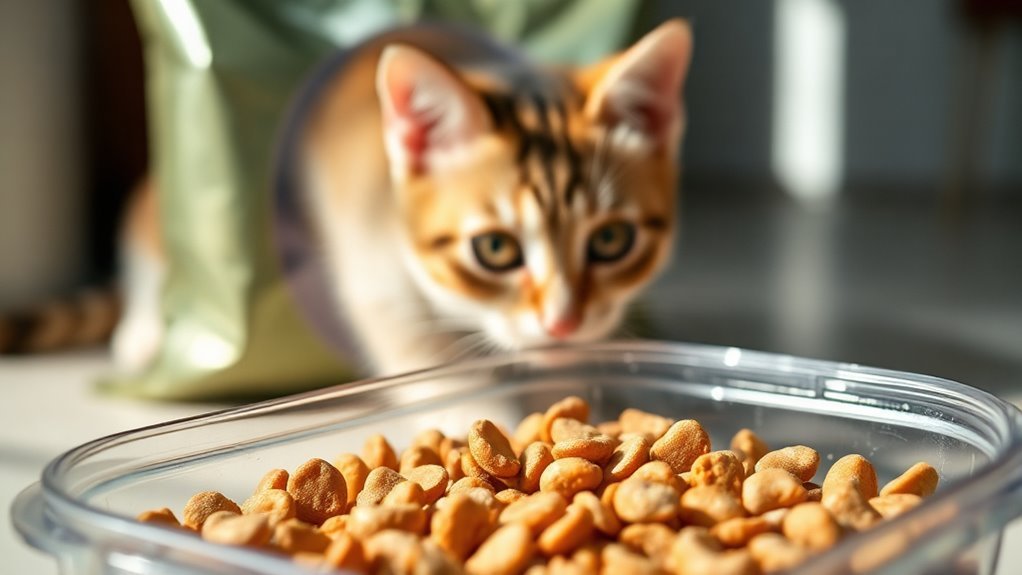
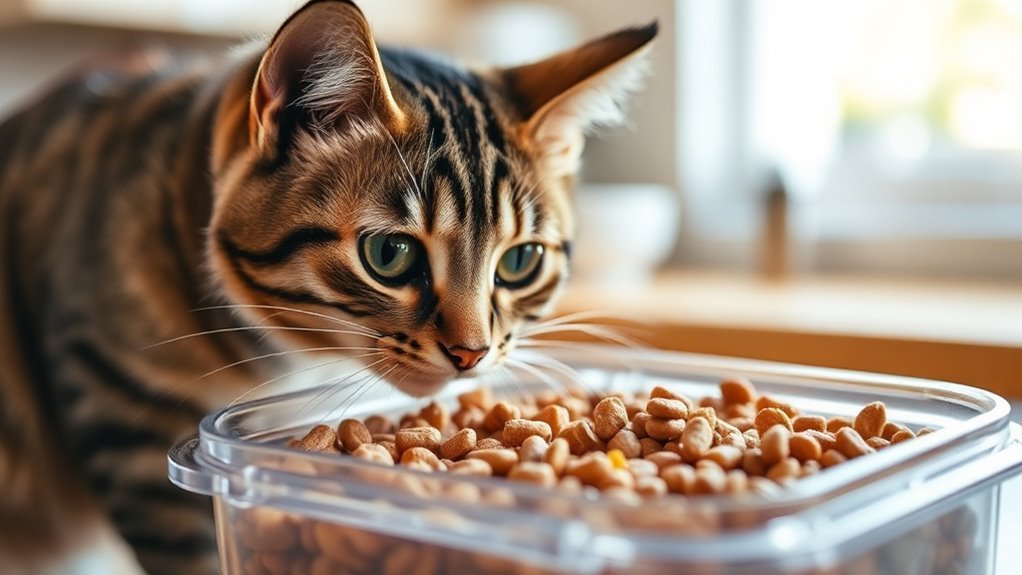
Although dry cat food begins to degrade once opened, you can keep it fresh longer by storing it properly. Using plastic storage containers helps reduce exposure to oxygen and light, which speeds up fat oxidation and makes your cat’s food less tasty over time.
The best method is to keep the dry food inside its original sealed bag, then place that bag into an airtight plastic storage container. Make sure to reseal the bag carefully after each use or transfer the food promptly to the container.
Store the container in a cool, dry place below 100°F to protect nutrients and slow spoilage. Avoid putting kibble directly into an uncovered plastic bin, as this removes the protective barrier the original bag provides, leading to faster freshness loss.
Why You Should Store Dry Food in Its Original Bag
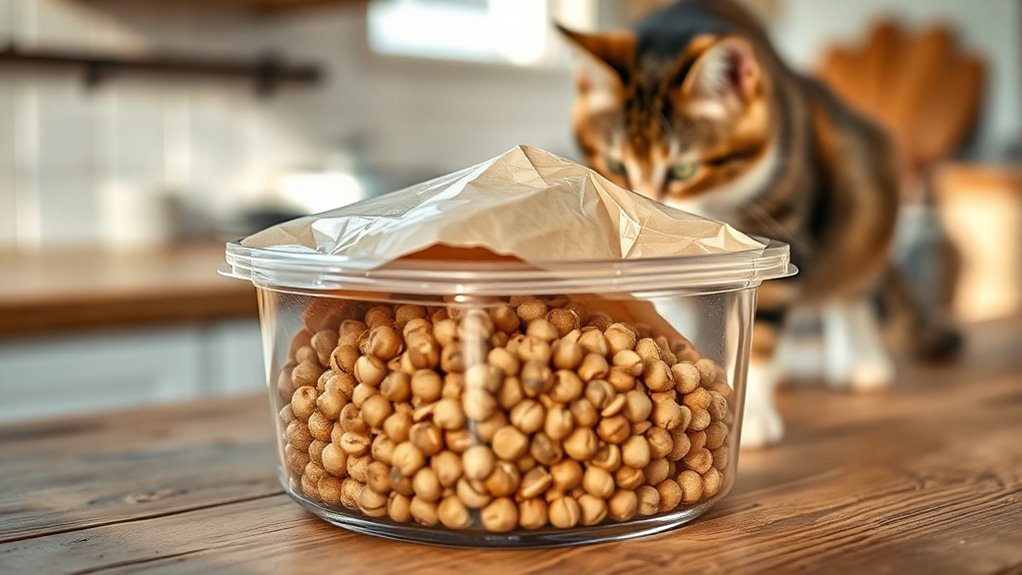
To keep your cat’s dry food fresh, it’s best to store it in its original bag rather than pouring it directly into a container. The original bag is specially lined to block oxygen and light, which slows vitamin loss and prevents fat oxidation. This helps keep the kibble fresher longer.
When you transfer food into an uncovered bin, you lose this built-in barrier. That causes the kibble to degrade faster once it’s exposed to air. After opening, just roll and clip the original bag to minimize air contact between feedings.
For extra protection, place the sealed original bag inside an airtight container. This shields it from moisture and oxygen. Also, store the bag in a cool, dry place below 100°F so heat doesn’t speed up nutrient breakdown.
Best Containers for Storing Cat Food
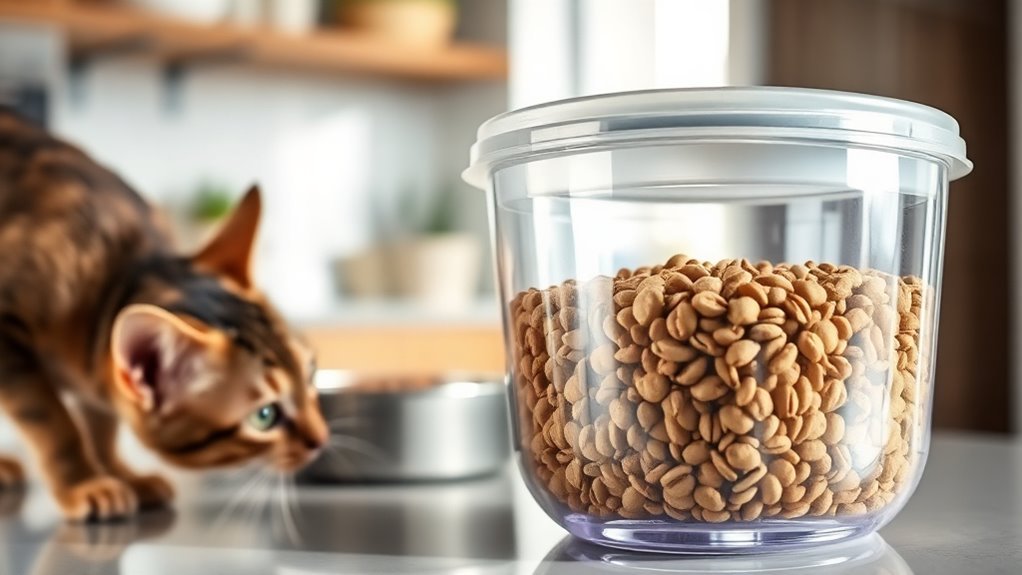
When you open a bag of dry cat food, the best way to keep it fresh is by storing the sealed original bag inside an airtight container. The single biggest threat to your cat food’s freshness is exposure to oxygen, which speeds up fat oxidation and nutrient loss.
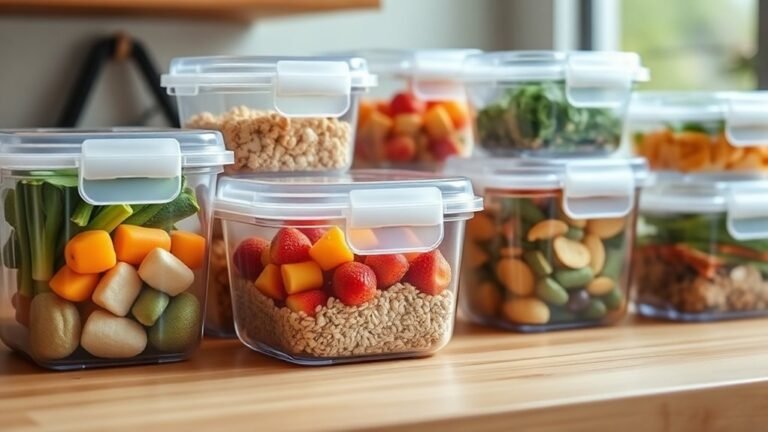
Airtight containers block air and moisture, preserving the kibble’s quality longer than just the bag alone. Choose containers made from durable plastic or glass with a secure, locking lid to maintain a tight seal and keep out light, which can also degrade nutrients.
For wet food leftovers, use containers with tight lids or resealable plastic wrap and refrigerate promptly. Using the right container is the single biggest step you can take to extend your cat food’s shelf life effectively.
Storing Opened Dry Cat Food to Prevent Spoilage
To keep your dry cat food fresh after opening, always store it in its original bag inside an airtight container. This helps limit air exposure and keeps the food from going stale.
Make sure to seal the bag tightly after each use. Then, keep the container in a cool, dry place below 100°F.
Controlling temperature and humidity is key. It helps prevent spoilage and preserves the food’s nutritional value. So, a little extra care goes a long way!
Keep Original Packaging
Although it might seem simpler to transfer dry cat food into a separate container right after opening, keeping it in the original bag actually helps preserve freshness longer. Many cat food bags are lined with a protective barrier that limits oxygen and light exposure—key factors in preventing rancidity.
After each use, roll the bag closed tightly and clip it to minimize air contact. Storing the sealed bag in a cool, dry place under 100°F further protects the food’s quality.
For extra protection, you can place the sealed bag inside an airtight container without removing it, preserving the bag’s barrier benefits.
- Protect your cat’s health by preventing spoiled food
- Save money by extending kibble freshness
- Avoid the frustration of wasted food
- Keep your furry friend happy with tasty meals
Control Temperature And Humidity
Maintaining temperature and humidity plays an essential part in keeping your cat’s dry food fresh after opening. To guarantee your cat food is properly stored, keep it in a cool, dry place under 100°F, steering clear of temperatures over 120°F for more than 48 hours.
Heat accelerates fat oxidation and harms vitamins, lowering food quality. Moisture is a significant spoilage risk, so keep the original bag intact inside an airtight container to limit exposure to air and moisture.
Try to avoid moving kibble directly to open bins, since you lose the bag’s protective barrier. Also, store the container away from steamy areas like kitchens during cooking to reduce humidity buildup, which speeds up rancidity.
When you store food correctly, it lasts longer and preserves nutritional value for your cat. So, a little care goes a long way in keeping your furry friend’s food fresh and tasty!
Seal Bag After Use
Since dry cat food begins to degrade once opened, you should always keep it sealed tightly in its original bag. To preserve your cat food’s shelf life, roll the top of the bag tightly and clip it shut every time you use it.
This simple step helps keep the food fresh by minimizing exposure to air, which speeds spoilage even if the food looks fine. Avoid pouring dry food into loose containers without the bag’s seal, as that increases oxidation and rancidity.
For extra protection, place the sealed bag inside an airtight container to further slow degradation. Remember to:
- Seal bag after use to lock in freshness
- Keep the food in a cool, dry place
- Protect nutrients and flavors from air damage
- Extend your cat food’s shelf life effectively
Keeping Wet and Canned Cat Food Fresh With Containers
To keep your cat’s wet and canned food fresh, you need to refrigerate it promptly at the right temperature and use airtight containers. These containers help lock in moisture and prevent odors from spreading, which keeps the food safer longer.
Using smaller sealed portions also limits air exposure, so you only open what you need each feeding. This way, your cat’s food stays fresh and tasty for every meal.
Proper Refrigeration Practices
Although wet and canned cat food can spoil quickly once opened, you can keep it fresh by refrigerating it promptly at around 40–45°F. Using a tightly sealed container or cover also helps a lot.
Proper refrigeration slows bacterial growth, which keeps your pet food safe and tasty for 5–7 days. Just don’t leave wet food out longer than 4 hours, and avoid freezing leftovers because that can mess with the quality.
To protect your cat’s health and make feeding easier, remember to:
- Refrigerate opened cans or wet pet food immediately.
- Use containers that seal tightly to lock in freshness.
- Discard food left out past the 4-hour mark.
- Never freeze opened wet or canned food.
These simple steps show you care and keep your cat’s meals delicious every time.
Airtight Covering Benefits
Frequently, the best way to keep your cat’s wet or canned food fresh after opening is by storing it in an airtight container. This method helps slow bacterial growth by limiting air exposure. It preserves the food’s freshness for 5–7 days when refrigerated at 40–45°F.
Airtight containers also prevent odor transfer and reduce moisture and air exchange. These factors can degrade quality faster than dehydrated foods. So, instead of leaving leftovers in the open can, sealing them in a container supports consistency and reduces spoilage between meals.
Using a tightly sealed lid or plastic wrap ensures your cat’s food stays safe and tasty longer. This gives you peace of mind while managing portion sizes. Proper airtight coverage is crucial once the can is opened, making containers an essential part of your pet’s feeding routine.
Storing Freeze-Dried and Dehydrated Cat Food Properly
Since freeze-dried and dehydrated cat foods have low moisture content, they stay fresher longer when unopened. But once you open them, humidity becomes their biggest threat.
To keep your cat’s food fresh, reseal the package tightly or transfer it to an airtight container right away. Store it in a cool, dry place—away from steamy spots like kitchens and bathrooms.
When you rehydrate freeze-dried food, refrigerate it quickly and use it within 24 hours to avoid spoilage. Also, try not to leave the package open too long while scooping to keep moisture out.
- Protect your cat’s health by preventing mold and spoilage.
- Avoid wasting money on food that goes bad too soon.
- Keep feeding time safe and enjoyable.
- Feel confident you’re preserving your cat’s food quality.
How to Tell If Your Cat Food Has Gone Bad
How can you tell if your cat’s food has gone bad? Start with a smell test—if it smells rancid, musty, or just off, it’s probably spoiled.
Check for mold too. Even small spots mean you should toss the entire package.
Feel the texture of the kibble. If it’s oily, damp, or clumped together, that could signal oxidation or moisture damage.
Keep an eye on your cat’s behavior after feeding new or older food. Sudden pickiness or digestive issues can be a red flag.
When in doubt, check the “use by” date. And if your cat’s symptoms stick around, don’t hesitate to consult a vet.
| Test | What to Look For |
|---|---|
| Smell | Rancid, musty, or “off” odor |
| Mold | Any visible spots |
| Texture | Oily, damp, or clumped kibble |
| Cat’s Reaction | Sudden pickiness or upset stomach |
| Date Check | “Use by” or “best by” expiration |
Other Factors That Affect Cat Food Freshness
Beyond just the type of container you use, several other factors play a key role in keeping your cat’s food fresh. Heat, humidity, and packaging condition all impact how long your cat’s food stays nutritious and tasty.
For wet food, refrigeration and time matter even more than the container type. Remember, “best by” dates don’t guarantee freshness once opened.
Consider these essential points:
- Store dry food in a cool, dry place below 100°F to prevent nutrient loss.
- Avoid damaged bags or cans that let air and moisture spoil the food.
- Refrigerate opened wet food at 40–45°F and use within 5–7 days.
- Never leave wet food out longer than 4 hours to avoid spoilage.
Frequently Asked Questions
Is It Okay to Store Dry Food in Plastic Containers?
Yes, you can store dry food in plastic containers, but make sure they’re truly airtight.
Keep the original sealed bag inside to protect freshness. Store the container in a cool, dry place to prevent spoilage.
This way, your food stays fresh longer and tastes better. It’s a simple trick that really works!
How Long Do Bags of Cat Food Last?
Bags of cat food best stay fresh for about four to six weeks after opening. You’ll want to seal it tight and store it in a cool, dry spot.
Make sure to use it swiftly to savor its savory, satisfying flavor and nutrition. That way, your cat gets the best taste and benefits every time.
Can You Leave Dog Food Outside?
You shouldn’t leave dog food outside, especially wet food. Heat and air speed up spoilage, so keep it indoors in a cool, dry place.
If it’s dry food, don’t leave it out past 48 hours in warm weather. It’s better to be safe and avoid any risk of your dog eating spoiled food. Just bring it inside when you can!
How Long Does Opened Canned Dog Food Last in the Fridge?
Opened canned dog food lasts about 5 to 7 days in your fridge at 40–45°F.
Make sure to tightly seal it and store it in the coldest spot to keep it fresh and safe for your dog.
This way, you’ll help prevent any spoilage and keep your pup’s meal tasty. Just remember to check for any weird smells or changes before feeding!
Conclusion
You might wonder if storage containers really make your cat food last longer. The truth is, they do—but only when used right.
Keeping dry food in its original bag inside an airtight container locks in freshness and prevents spoilage. For wet or freeze-dried food, proper sealing is key.
So, don’t just toss food in any container; choose the right one and store it properly to keep your cat’s meals tasty and safe longer. Using the right storage containers is essential to maintain freshness, prevent spoilage, and extend the shelf life of your cat food. When you store dry or wet cat food properly, you ensure your pet gets the best nutrition and flavor every time. So yes, storage containers really can make your cat food last longer—just make sure you’re storing it the right way!