
7 Essential Tips on How Long Baby Food Storage Is Safe
You should refrigerate homemade baby food in airtight containers within an hour of making it. Make sure your fridge is set at or below 4°C (40°F) to keep the food safe. This helps prevent harmful bacteria from growing and keeps your baby’s food fresh.
Fruit and veggie purees stay fresh for up to 48 hours, while meat, dairy, or egg-based ones last about 24 hours.
Always discard any leftovers after feeding to avoid contamination. It’s better to be safe than sorry when it comes to your little one’s health.
Freezing baby food in small portions works great for longer storage—usually between 1 to 3 months.
When you’re ready to use frozen food, thaw it safely in the fridge.
And don’t forget to follow reheating tips carefully while watching for any signs of spoilage.
Keep going to discover how to keep baby food safe every step of the way!
Key Takeaways
- Refrigerate homemade fruit and vegetable purees within one hour. Use them within 48 hours at ≤4°C (40°F).
- For meat, poultry, fish, or egg-based purees, store them in the fridge for no more than 24 hours at ≤4°C (40°F).
- Always discard any leftover baby food after feeding. This helps avoid bacterial contamination from saliva.
- Freeze baby food in small portions at −18°C (0°F). Use it within 1 to 3 months for the best quality.
- When thawing frozen food, do it in the refrigerator overnight. Reheat to at least 74°C (165°F) before feeding.
How Long Is Homemade Baby Food Safe to Eat?
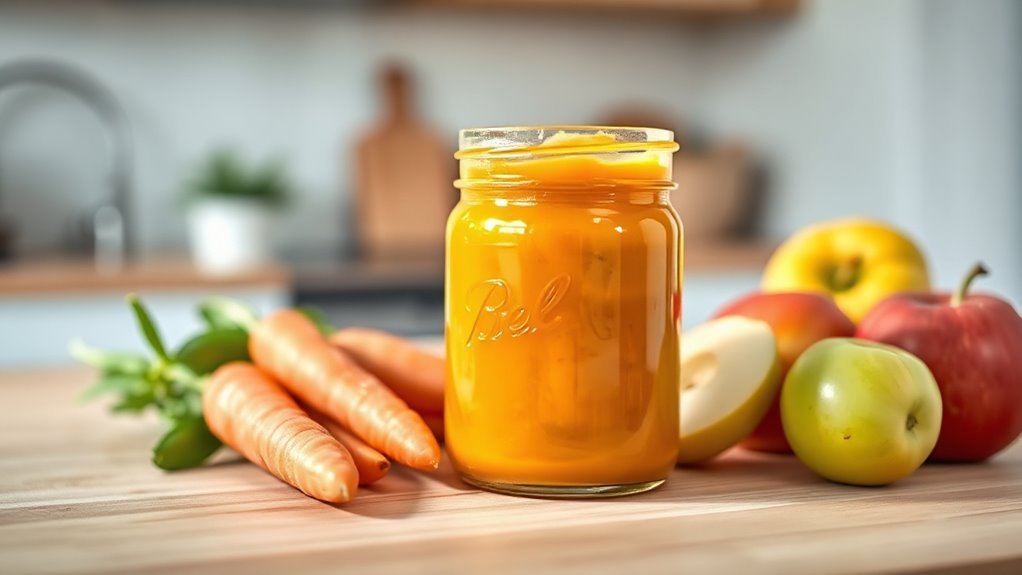
Although homemade baby food is a healthy choice, you need to store it properly to keep it safe. Refrigerate purees in airtight containers within one hour of preparation, especially if your kitchen is warm.
Keep your fridge at 4°C (40°F) or below to slow bacterial growth. Fruit and vegetable purees stay fresh for up to 48 hours, but meat, poultry, fish, or egg-based purees should be used within 24 hours.
Maintain your fridge at 4°C to keep purees fresh—48 hours for fruits and veggies, 24 hours for protein-based foods.
Dairy-based foods must be eaten within 24 hours, and leftovers left out shouldn’t be kept. If you freeze homemade baby food, store it in airtight portions and use it within three months to maintain quality and safety.
Always discard any uneaten food after your baby’s feeding to avoid contamination from saliva. It’s better to be safe than sorry when it comes to your little one’s health!
Storage Times for Different Homemade Baby Foods
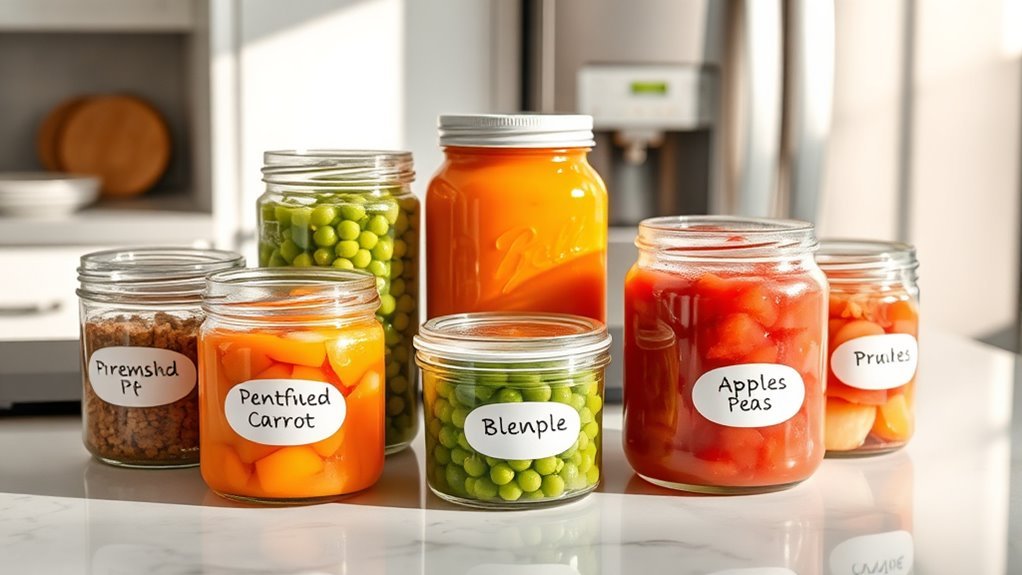
Proper storage durations vary depending on the type of homemade baby food you prepare. For fruit and vegetable purees, you can keep them in airtight containers in the refrigerator at 4°C (40°F) or lower for up to 48 hours.
Meat, poultry, fish, egg-based, and dairy-based purees, however, should be consumed within 24 hours due to faster bacterial growth. To maintain safety and quality, cool your purees quickly, seal them tightly, and refrigerate within an hour of preparation.
If you make larger batches, consider freezing portions in ice-cube trays or silicone molds. Frozen purees keep best for 1 to 3 months. Following these food storage guidelines helps ensure your baby’s meals stay fresh and safe.
Handling Opened Pouches and Leftovers Safely

Once you open a baby food pouch, it’s important to handle the leftovers carefully to keep your baby safe. Always store opened pouches in the refrigerator at or below 4°C (40°F). Also, follow the label’s discard time, which is usually within 24 hours.
If your baby feeds directly from the pouch or a feeding bowl, don’t save the leftover. Mouth contact can introduce bacteria, so it’s best to discard it immediately.
To minimize waste, portion the food into a clean container in the right amount for the next feeding and refrigerate it. Always store leftovers safely and never “double-dip.” That means don’t return food that has touched your baby’s spoon or mouth back to the pouch or container.
When in doubt about freshness or safety, just throw it out. It’s better to be safe than sorry!
Why Airtight Containers Keep Baby Food Safe
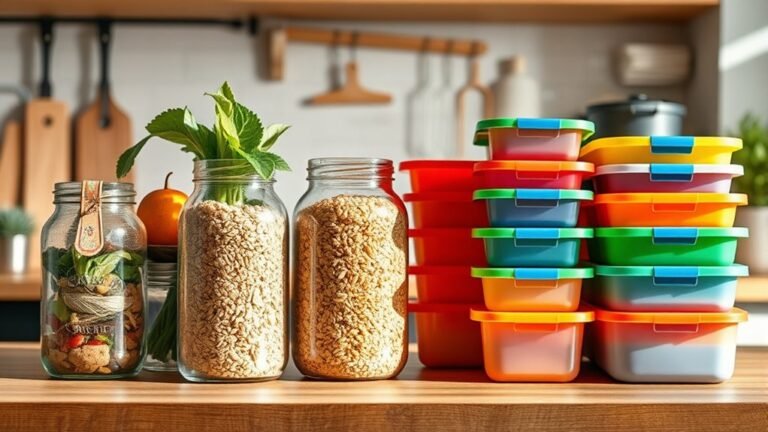
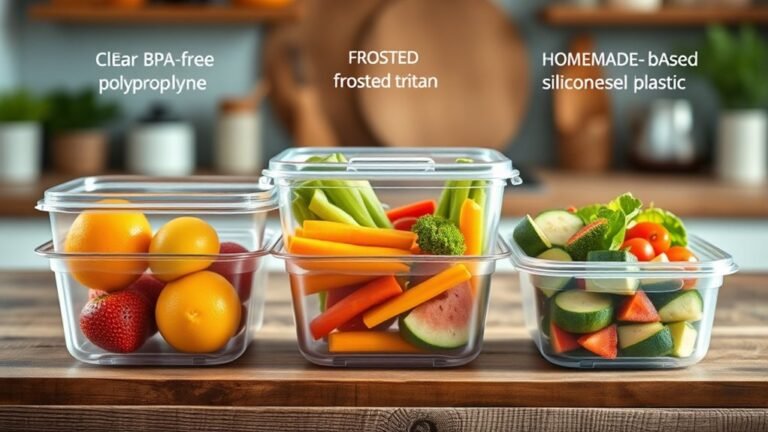
An airtight container plays a crucial role in keeping your baby’s food fresh and safe by reducing exposure to air, which slows down bacterial growth and spoilage. To ensure the container is safe for food, choose non-porous materials like glass or high-quality food-grade plastic with silicone gaskets or locking lids.
These prevent odors and colors from seeping in, preserving the puree’s quality. Always seal the container only after the food cools slightly to avoid condensation, which can promote spoilage.
Keeping the lid tightly closed during refrigeration at ≤4°C/40°F helps maintain freshness by preventing drying and oxidation. And don’t forget to wipe and sanitize the seals regularly to make sure the closure stays tight.
Using airtight containers is really essential for maintaining your baby food’s safety and nutritional value during storage. It’s a simple step that makes a big difference!
Freezing Baby Food for Longer Storage
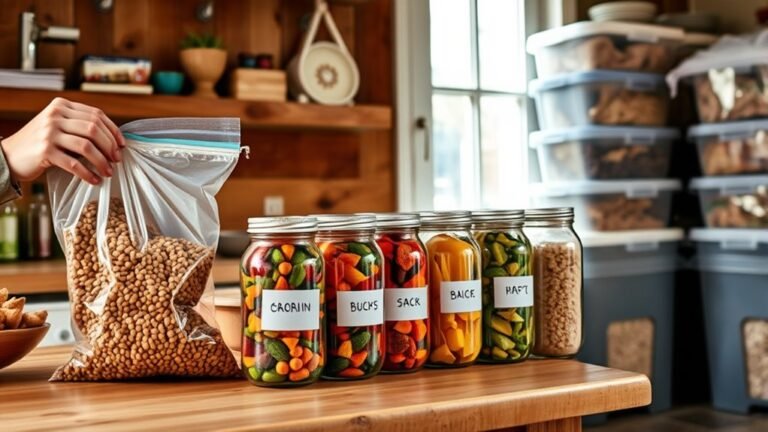
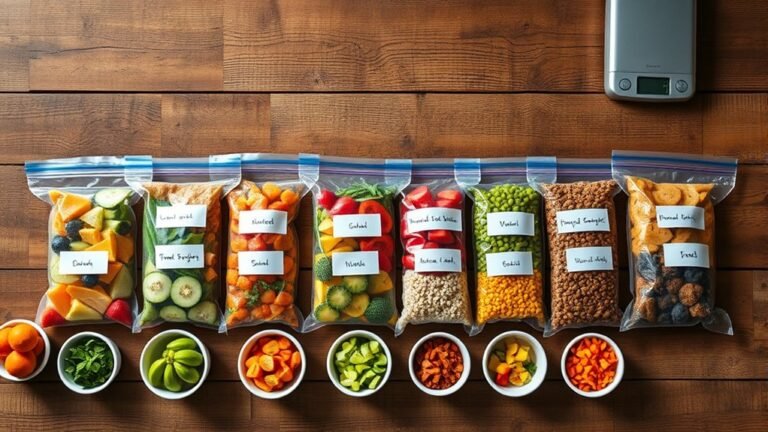
Freezing baby food lets you store small, ready-to-use portions for longer periods without losing much quality. You should freeze baby food in small, airtight single portions (30–60 mL) using silicone molds or ice-cube trays.
Cool purees slightly before sealing them in freezer-safe containers to prevent drying and odors. Store at 0°F (−18°C) and aim to use within 1 to 3 months for best quality.
| Portion Size | Container Type | Storage Time |
|---|---|---|
| 30–60 mL | Silicone molds | 1 to 3 months |
| Small batches | Ice-cube trays | 1 to 3 months |
| Sealed airtight | Freezer-safe bags | 1 to 3 months |
This method helps you manage baby food efficiently and reduces waste. It’s a simple way to keep mealtime stress-free and make sure your little one always has something healthy ready to go.
Thawing and Reheating Homemade Baby Food Safely
Although thawing homemade baby food requires patience, doing it safely is essential to protect your little one from harmful bacteria. Always thaw frozen food in the refrigerator overnight using clean, sealed best containers to keep it at 4°C/40°F or below.
Avoid thawing on the counter to prevent bacterial growth. When reheating, warm only until the food is steaming hot throughout, reaching at least 74°C/165°F. Then cool it to a safe lukewarm temperature before feeding.
Use portion-sized best containers to avoid reheating leftovers multiple times—discard any uneaten food after serving. If warming in a water bath, keep the food sealed, maintain a steady temperature, and change the water every 10–15 minutes.
Never refreeze thawed purées; refrigerate and use them within the recommended time. Following these simple steps helps keep your baby’s food safe and healthy.
Spotting Spoilage and When to Discard
When baby food develops sour or off smells, visible mold, or a slimy texture, you need to discard it immediately to protect your child’s health. This guide covers key signs of spoilage you shouldn’t overlook.
If you notice bulging lids, swollen containers, or unusual separation of liquids and solids that won’t blend back, toss the food. Also, never keep leftovers from your baby’s feeding bowl or spoon—discard them within a day to avoid contamination.
If the texture becomes thick or ropy, or if the smell or taste seems off, follow the safety-first rule and throw it out. When uncertain, don’t risk it.
Properly spotting spoilage ensures your baby’s food stays safe and fresh.
Frequently Asked Questions
How Long Is Baby Food Safe in the Fridge?
You can keep fruit and vegetable purees in the fridge for up to 48 hours. But meat, dairy, and commercial baby foods should be used within 24 hours.
Always discard leftovers after feeding to keep baby safe. It’s better to be cautious when it comes to your little one’s health!
How Long Can You Keep Whole Milk in a Baby Bottle?
You can keep whole milk in a baby bottle for up to 2 hours after feeding starts. If the baby doesn’t finish, toss it—don’t save it.
Never refrigerate and reuse a partially fed bottle. It’s just not safe. Better to be cautious with your little one’s health!
What Is the 3 Day Rule for Baby Food?
The 3 day rule means you should use homemade baby food purées within about 72 hours when refrigerated properly.
Remember, meat, dairy, and fish purées need to be used even sooner to keep your baby safe.
It’s always better to be cautious when it comes to your little one’s food!
What Are the Rules for Storing Homemade Baby Food?
Storing homemade baby food is like handling a delicate flower—you’ve got to refrigerate purees within an hour, freeze for longer, never reuse leftovers, and always reheat thoroughly to keep your baby safe and healthy.
It might sound like a lot, but once you get the hang of it, it’s pretty straightforward. Just remember these simple steps, and you’ll be all set!
Conclusion
By being mindful of your homemade baby food’s shelf life, you’re making a meaningful move toward your little one’s health. Safely storing, freezing, and handling leftovers helps halt harmful bacteria and keep nutrients nestled nicely.
Remember, airtight containers are your best bet for freshness, and spotting spoilage swiftly saves stress. Stick to these simple steps, and you’ll safeguard your sweet baby’s meals, ensuring every bite is both safe and satisfying.
Keeping baby food fresh is all about understanding how long baby food storage is safe. When you follow these tips, you protect your baby from the risks of spoiled food and help maintain essential nutrients. So, always store homemade baby food properly, use airtight containers, and freeze or refrigerate leftovers promptly. This way, you make sure every meal is nutritious, fresh, and safe for your little one to enjoy.