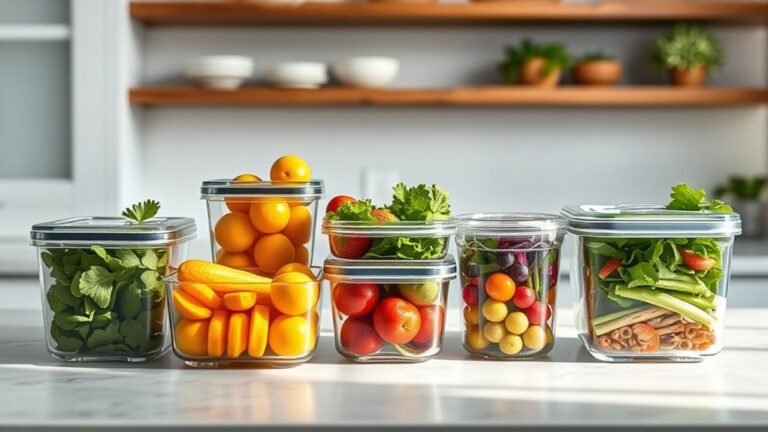
How to Spot Which Food Storage Step Is Incorrect
You can spot food storage mistakes by checking if freezer and fridge temps stay at safe levels using a calibrated thermometer. It’s super important to keep those temperatures just right to prevent spoilage and bacterial growth.
Also, take a look at door seals to make sure they aren’t broken. Blocked vents or moisture buildup causing condensation or standing water can be a big red flag too.
Watch out for cross-contamination by keeping raw and ready-to-eat foods separate. Using sealed containers really helps keep everything safe and fresh.
Don’t forget to check labels for proper FIFO rotation—that’s first in, first out. Odd odors or texture changes can also clue you in if something’s off.
If you want to catch more hidden storage errors, keep exploring these key areas. It’s all about staying vigilant and keeping your food safe!
Key Takeaways
- Check temperature logs using calibrated thermometers to ensure freezers stay below 0°F and refrigerators below 40°F. This helps keep your food safe and fresh.
- Look for cross-contamination signs like leaks, odors, or improperly separated raw and ready-to-eat foods. These can cause serious food safety issues if missed.
- Verify FIFO rotation by confirming older stock is used first and labeling dates are clear and consistent. This way, nothing gets forgotten or spoiled.
- Inspect storage areas for standing water, condensation, or high humidity that accelerate spoilage and mold growth. Keeping these in check extends food shelf life.
- Identify packaging errors through texture changes such as clumping, hardening, or moisture damage in dry goods. Spotting these early prevents waste and contamination.
How To Spot Improper Temperature Control In Food Storage

To spot improper temperature control in food storage, start by checking that your freezer and refrigerator maintain the correct temperatures—freezers should stay at or below 0°F (-18°C), and refrigerators at or below 40°F (4°C). Make sure you use a calibrated thermometer to log temperatures instead of relying on built-in displays, which can be inaccurate.
Also, inspect door seals for gaps or tears that might cause temperature swings, a common food storage mistake. And be sure vents aren’t blocked by overstuffed shelves or containers, because restricted airflow causes uneven cooling.
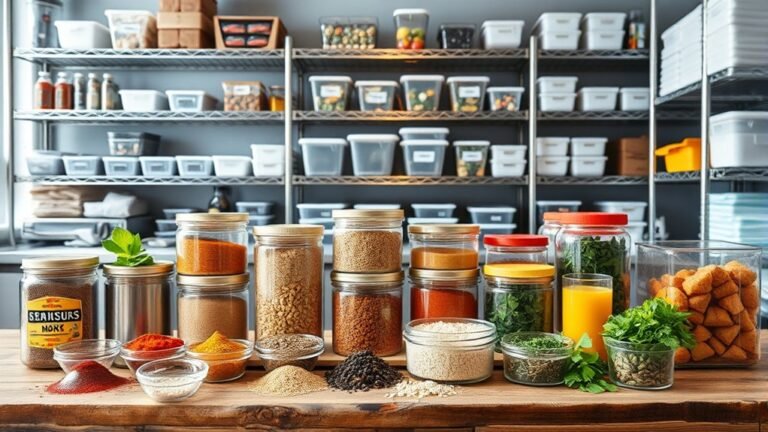
When storing Survival Food, confirm each item is matched to its proper temperature zone by reviewing packaging labels. Lastly, keep an eye out for moisture issues like condensation or frost buildup, which often signal temperature-control problems that accelerate spoilage.
Avoiding Cross Contamination Mistakes In Food Storage
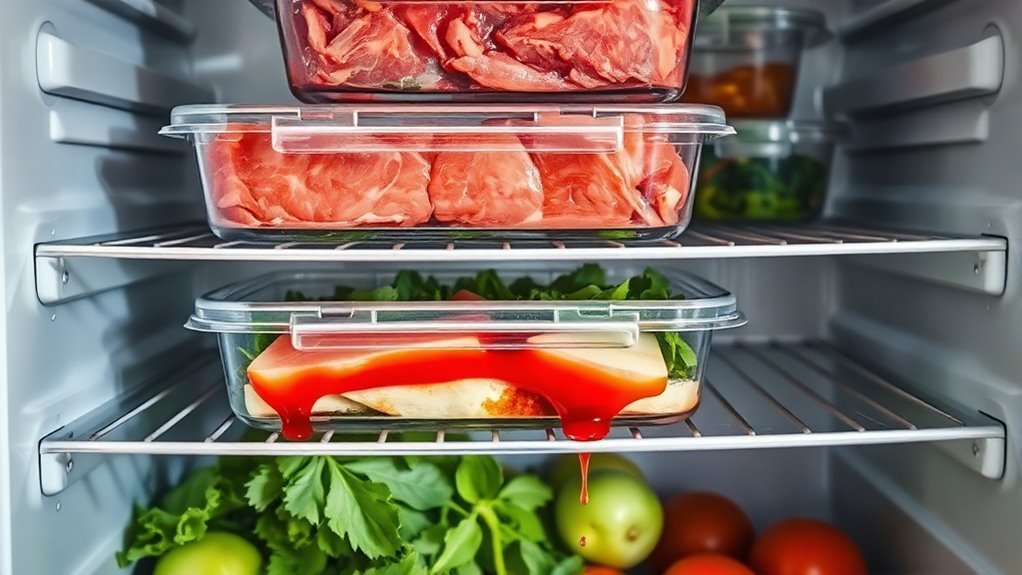
Maintaining proper temperature control is just one part of safe food storage; preventing cross contamination is equally important to keep your food safe. To avoid errors, store foods in designated zones—keep raw meats and seafood separate from ready-to-eat items to stop pathogens and odors from spreading.
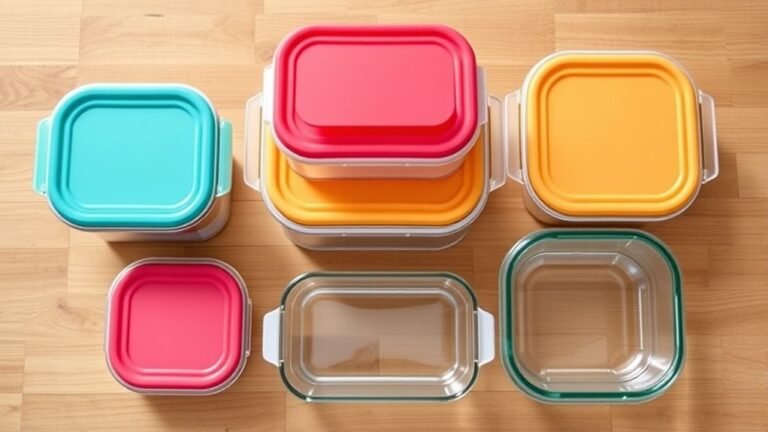
Always follow product packaging guidance on what can be stored together and what must be kept apart, even if items aren’t expired. Use sealed containers, liners, or dedicated bins to block juices and vapors from contaminating other foods.
Clean your hands and tools thoroughly between handling different food categories to prevent cross-contact. Finally, store everything on proper shelving systems and maintain separation during restocking.
These steps ensure your food stays safe for long-term storage without risking contamination. It’s all about being careful and organized!
Product Rotation Mistakes In Food Storage You Should Know
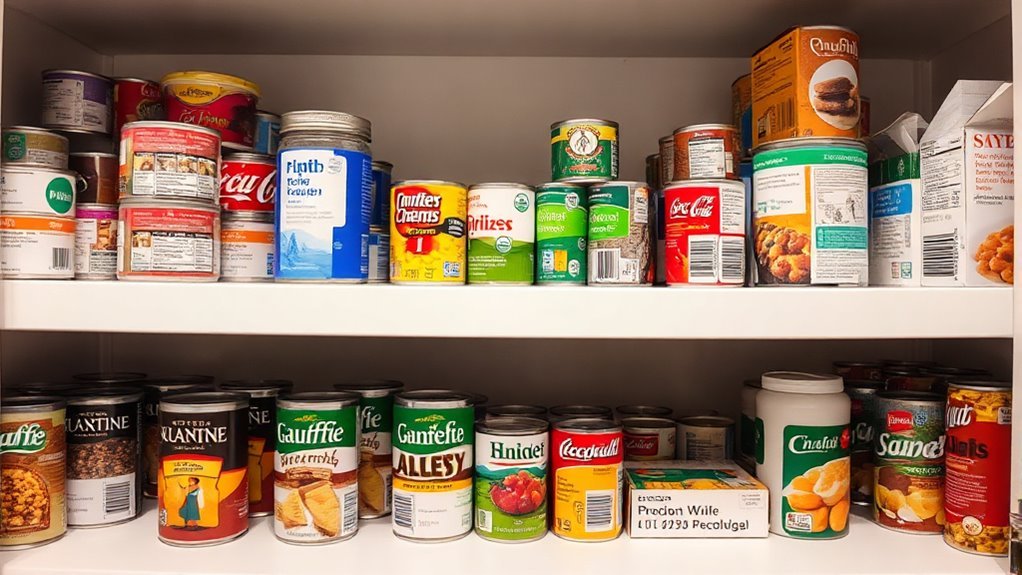
How do you guarantee your food stock doesn’t rot before it’s used? Start by practicing FIFO—always pull the oldest stock first by checking expiration, sell-by, and ship dates.
Avoid front-filling shelves; keep newer products behind older ones so the first-in items don’t get blocked and forgotten. It’s a simple trick but makes a big difference.
If you repackage or relabel, make sure dates are clear—without them, rotation becomes guesswork and spoilage rises.
Also, store sensitive foods in the right conditions. Poor temperature or ventilation can spoil items before you even get to rotate them.
Finally, build your rotation routine around actual usage. Even with FIFO, rarely used items can expire if they sit too long.
Rotate smartly to reduce waste and keep your food fresh longer.
How Standing Water And Humidity Ruin Food Storage
You’ll want to watch for standing water and high humidity because they speed up spoilage and encourage mold growth on your stored food.
Leaks, poor ventilation, and condensation are common culprits that cause moisture build-up and damage packaging.
Staying on top of maintenance and ensuring proper airflow can prevent these issues and keep your food fresh longer.
It’s really about catching problems early and letting your storage space breathe.
That way, your food stays safe and lasts much longer.
Causes Of Water Build-Up
Why does water often accumulate in food storage areas, and what risks does it pose? Water build-up mainly happens because of leaks, blocked drains, or poor ventilation.
Standing water and excess humidity raise moisture levels, encouraging mold and packaging damage. It’s something you definitely want to keep an eye on.
You should watch for these common causes:
- Leaking refrigeration lines, damaged drain pans, or blocked floor drains that trap meltwater.
- High humidity from improperly sealed doors or temperature control, causing condensation on surfaces.
- Cracks or leaks in walls or roofs that let water seep in, raising local moisture unnoticed.
Keeping these issues in check can really help protect your stored food.
Effects On Food Quality
Standing water and high humidity seriously damage food quality by speeding up spoilage and encouraging mold growth on packaging and exposed surfaces. You’ll notice labels and packaging seams deteriorate faster as moisture promotes yeast activity and mold.
When temperatures fluctuate, condensation cycling re-wets foods, damages labels, and causes powders to clump. Even shelf-stable items suffer; fats and oils oxidize and turn rancid quicker, creating off-odors and flavor loss.
Moisture intrusion through leaks or cracks forms localized wet zones where products spoil first, especially those closest to the source. Plus, poor humidity control weakens cardboard, corrodes metal containers, and compromises seals, raising contamination risks.
If you overlook these effects, your stored food’s quality and safety can deteriorate rapidly without obvious signs until it’s too late. So, it’s really important to keep an eye on moisture levels and storage conditions to protect your food.
Prevention And Maintenance
Moisture and humidity don’t just affect food quality—they can also undermine your entire storage setup if left unchecked. Standing water or damp spots near floor drains and on walls can speed up spoilage and mold growth, even at cold temperatures.
You need to spot leaks early—cracks in foundations or plumbing issues often cause unseen moisture buildup that ruins products over time. Also, check that your temperature controls and airflow are functioning properly to avoid condensation “cold spots” that damage packaging.
To prevent problems, focus on:
- Monitoring humidity levels and fixing persistent dampness immediately
- Inspecting packaging for damp labels, swollen cartons, or stuck lids
- Ensuring vents aren’t blocked and air circulates evenly
Regular maintenance keeps your food storage dry and reliable. It’s all about staying on top of things before small issues become big headaches.
Common Sanitation Mistakes In Food Storage
You can’t afford to let sanitation schedules slip, especially during busy times when missed steps lead to contamination. Make sure you follow a consistent cleaning routine that targets all storage surfaces to keep germs and odors at bay.
It’s super important to regularly check that your team completes the full process. Cutting corners only increases spoilage and safety risks, so don’t let that happen.
Sanitation Schedule Compliance
Frequently overlooked, sanitation schedule compliance plays a critical role in preventing contamination during food storage. You need to compare your cleaning schedule with actual practices.
If floors, drains, or food-contact surfaces aren’t cleaned as often as required, residue builds up, raising contamination risks. Watch out for rushed cleaning that skips critical steps like pre-rinsing or proper sanitizer contact time.
Also, check cleaning records—missing or repetitive logs often mean tasks weren’t done correctly.
To secure compliance, focus on:
- Confirming every cleaning step follows the correct order and dwell time
- Verifying documentation completeness and accuracy
- Identifying operational obstacles that block thorough cleaning access
Contamination Prevention Practices
Maintaining a rigid sanitation schedule sets the foundation, but it’s just one part of preventing contamination in food storage. You need to make sure all cleaning steps are realistic and actually done—don’t let busy shifts skip critical tasks like cleaning door gaskets or floors where germs hide.
Always clean and sanitize storage areas before restocking, not just wipe surfaces quickly, to keep pests and dust out. Keep raw or odor-causing foods physically separated from ready-to-eat items to prevent cross-contamination.
Regularly check for leaks, cracks, and standing water because moisture fuels microbial growth. Finally, use sealed containers, follow FIFO rotation, and label everything correctly, so expired or contaminated products don’t re-enter your storage system.
These practices help you maintain a safe, contamination-free food storage environment. It’s all about being thorough and consistent to keep things safe!
When Oxygen Absorbers Cause Food Storage Problems
Oxygen absorbers often cause problems when they’re paired with moisture- or fat-rich foods because removing oxygen can encourage the growth of dangerous anaerobic bacteria like Clostridium botulinum. You should avoid using oxygen absorbers with items like fresh jerky or dehydrated fruits that still hold moisture.
Avoid oxygen absorbers with moist or fatty foods to prevent harmful anaerobic bacteria growth like Clostridium botulinum.
Even dry foods can become too hard or lose texture as moisture is pulled out over time.
Watch for these signs to spot issues:
- Unexpectedly hard pantry items, especially sugars like brown sugar
- Using oxygen absorbers with unsuitable foods like moist or fatty items
- Noticeable texture changes due to excessive moisture loss
Stick to grains, beans, pasta, or powdered goods with oxygen absorbers to prevent storage failures and stay safe.
Packaging Mistakes That Can Spoil Your Food
If you don’t choose the right packaging for your food, spoilage can happen faster than you expect. Moisture trapped in packaging, especially for high-fat or moist foods like jerky or dehydrated fruits, accelerates decay even if you use oxygen absorbers.
Oxygen absorbers won’t help if moisture remains, so avoid mixing packaging types that don’t suit the food’s needs. Also, weak seals or punctured containers allow oxygen and humidity in, cutting shelf life drastically.
| Packaging Mistake | Result |
|---|---|
| Trapping moisture | Speeds up spoilage |
| Using oxygen absorbers with moist foods | Ineffective, spoilage continues |
| Weak seals or punctures | Oxygen/humidity leakage shortens shelf life |
Choose packaging carefully to keep your food fresh longer. It really makes a difference!
Using Texture And Odor To Spot Food Storage Errors
A key way to catch food storage errors is by paying close attention to texture and odor changes. These clues often reveal temperature abuse, moisture issues, or cross-contamination before visible spoilage appears.
Here’s what to watch for:
- Off odors like sour, rancid, or ammonia smells signal spoilage due to poor sanitation or improper storage.
- Unusually hard, rock-like textures in items with oxygen absorbers (e.g., brown sugar or salt) suggest incorrect moisture control or absorber use.
- Clumping, stickiness, or gummy patches in dry goods often point to humidity intrusion or bad container seals.
Also, check for moisture signs such as condensation or corrosion. And try to avoid storing incompatible foods together to stop odor transfer and contamination.
Frequently Asked Questions
How Far Above the Floor Should Food Be Stored in Servsafe?
You should store food at least 6 inches above the floor to prevent contamination from dirt, moisture, and pests.
Keeping that clearance helps you maintain cleanliness and follow ServSafe’s safety standards effectively.
It’s a simple step, but it makes a big difference in keeping food safe and sanitary. Just a little space can go a long way!
What Happens if the Food Is Not Properly Stored or Preserved?
If you don’t store or preserve food properly, it spoils faster and grows harmful bacteria. This can also lead to cross-contamination, which is really risky.
You’ll end up wasting food and dealing with unpleasant odors. Plus, there’s the chance of foodborne illnesses, which can affect everyone’s health.
On top of that, your reputation could take a hit if people find out you’re not handling food safely. So, it’s definitely worth taking the time to store and preserve food the right way.
In What Order From Top to Bottom Should These Foods Be Stored in the Refrigerator?
You should store ready-to-eat foods on top, dairy on upper or middle shelves, fruits and veggies in crisper drawers below, and raw meat, poultry, seafood on the bottom shelf to prevent cross-contamination from drips.
It’s all about keeping things safe and fresh. Raw meat goes at the bottom because if it leaks, it won’t drip onto other foods.
Fruits and veggies get their own space in the crisper drawers, which helps keep them fresh longer. And dairy? It’s best on the upper or middle shelves where the temperature is steady.
Ready-to-eat foods go on top since they’re the last to be cooked or eaten, so you want to keep them safe from any drips or spills. Easy, right? Just follow this order and you’re all set!
What Is the 2-2-2 Rule for Food Storage?
You know what they say, “An ounce of prevention is worth a pound of cure.”
The 2-2-2 rule means you check food every 2 weeks, rotate stock every 2 months, and deep-clean storage every 2 seasons to keep food fresh.
It’s an easy way to stay on top of your food storage without feeling overwhelmed. Just a little effort regularly goes a long way!
Conclusion
You might think improper temperature or cross contamination are the biggest culprits in food storage errors, but surprisingly, it’s often the little things—like a forgotten oxygen absorber or a damp package—that spoil your stash.
By staying alert to these subtle signs, you not only protect your food but also save money and avoid health risks.
So, next time you check your supplies, remember: sometimes the tiniest mistake makes the biggest difference. Paying attention to every step in food storage, from packaging to temperature control, helps you spot which food storage step is incorrect before it becomes a problem.
Keeping your food safe and fresh is all about catching those small errors early. It’s the best way to ensure your food lasts longer and stays healthy for you and your family.