What Is Food Storage and Why Is It Important?
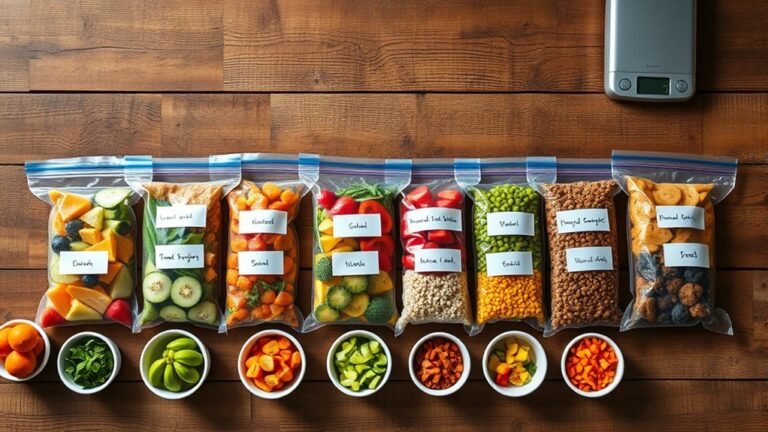
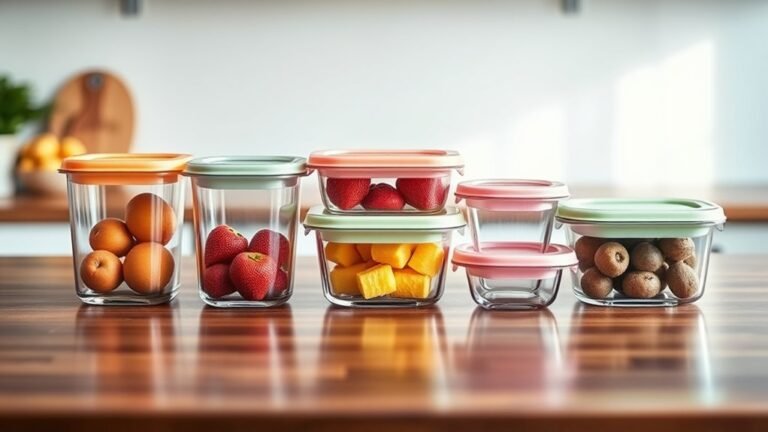
Food storage means keeping your food properly to extend its freshness and safety. It involves storing perishables in the fridge or freezer, using airtight containers, and labeling items to avoid spoilage and waste.
Proper food storage is important because it helps you save money and reduces the risk of foodborne illnesses.
When you manage your food storage well, you ensure that you always have quality meals on hand. This simple habit supports your health and helps you avoid unnecessary stress.
Keep exploring to see how easy changes can improve your food’s longevity and safety.
Key Takeaways
- Food storage involves preserving food to extend its shelf life and maintain freshness. It’s all about keeping your food good for as long as possible.
- Proper food storage slows bacterial growth, which helps keep your food safe and prevents it from spoiling too quickly.
- It also helps reduce food waste by keeping items edible longer. Plus, it makes managing your inventory way easier.
- Storing food correctly preserves nutrients, flavors, and the overall quality of your meals. So, your food tastes better and is healthier.
- Food storage is super important during emergencies or supply disruptions. It ensures you have a reliable supply when you need it most.
Purpose and Benefits of Food Storage
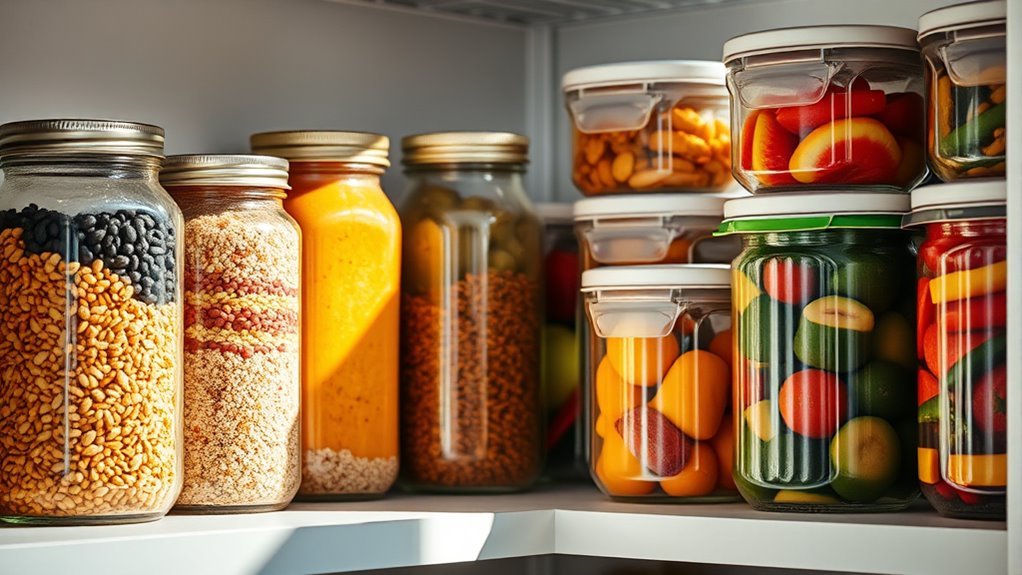
Although food storage might seem like a simple task, it plays a crucial role in extending the shelf life of perishable items, reducing waste, and ensuring you always have fresh, safe food on hand. By using refrigeration and freezing, you can effectively slow down bacterial growth, which helps prevent foodborne illness and maintains food safety.
Proper food storage techniques also help preserve nutrients and flavors, so your meals remain both healthy and tasty. Beyond everyday benefits, food storage supports food security during emergencies or supply disruptions, giving you peace of mind.
Additionally, managing storage wisely allows you to reduce waste and save money by buying in bulk without worrying about spoilage. Keeping perishable foods stored correctly is essential for maintaining quality and protecting your health.
Essential Practices for Safe and Effective Food Storage
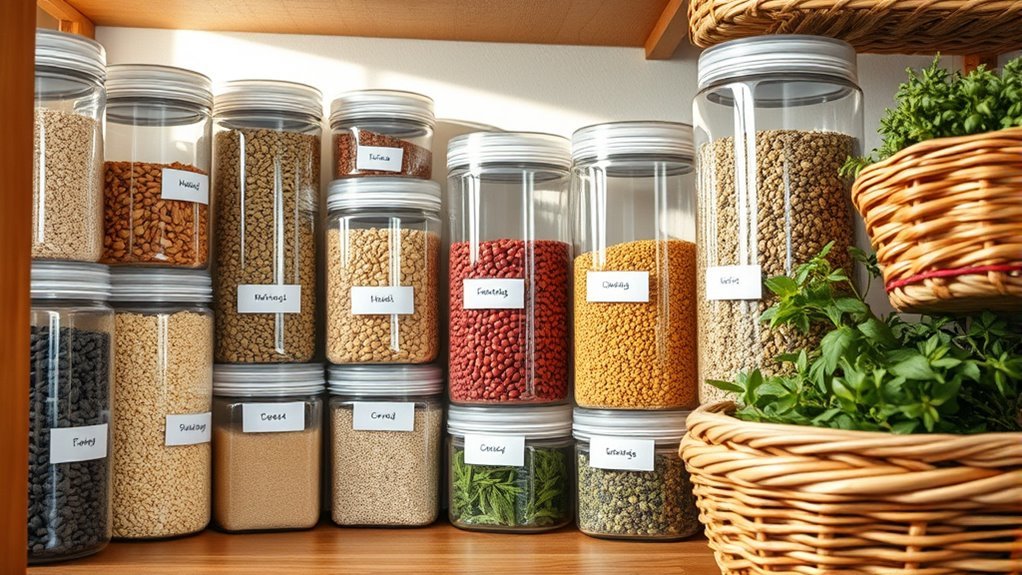
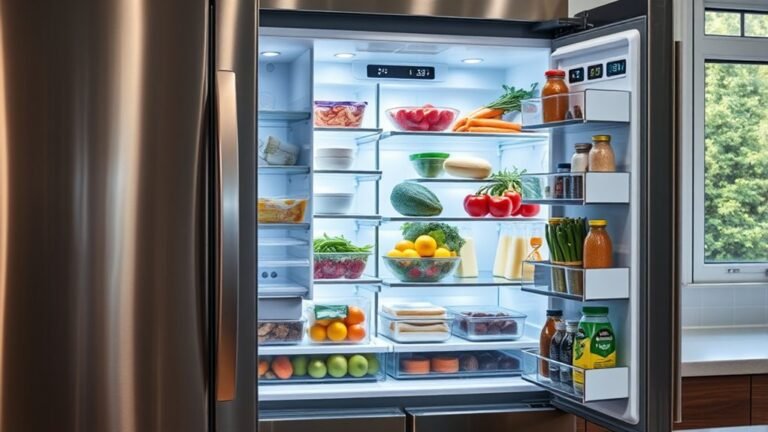
When you store food properly, you keep it fresh longer and reduce the risk of spoilage or contamination. To guarantee food safety, maintain refrigerator temperatures at or below 40°F and freezer temperatures at 0°F.
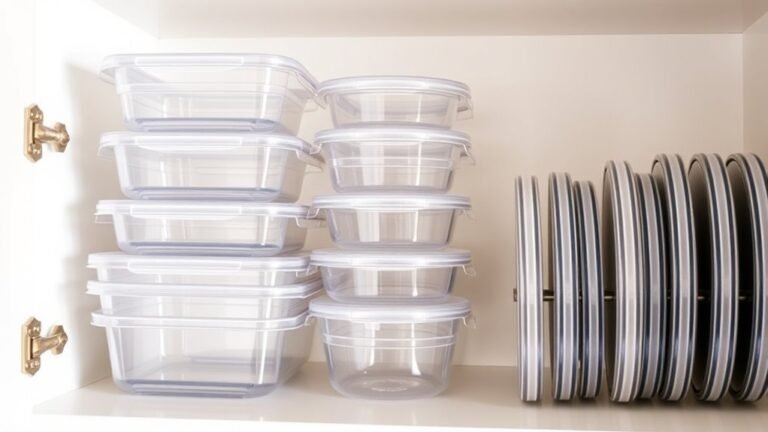
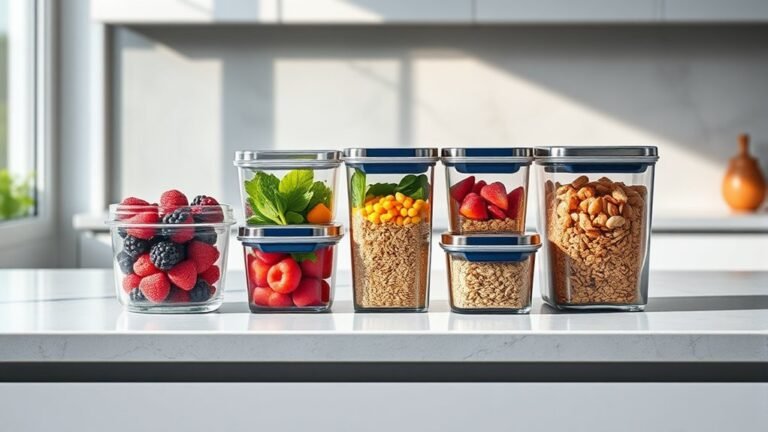
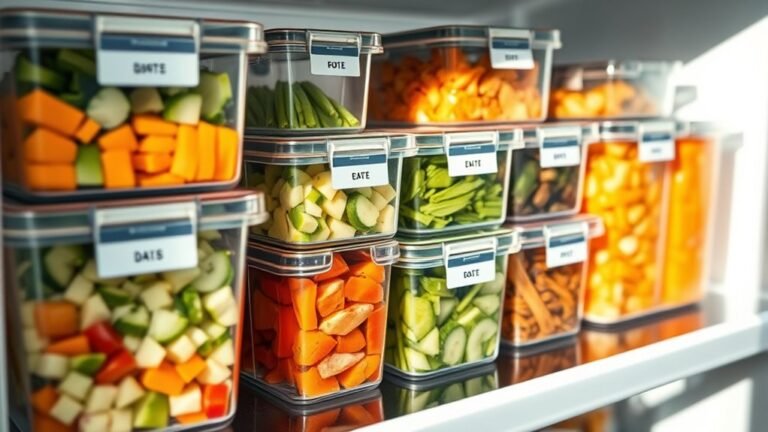
Use proper storage containers such as airtight packaging, sealed bags, or jars to protect perishable foods from exposure to air and moisture. Always label your items with expiration dates to manage freshness effectively.
Avoid food spoilage by promptly refrigerating leftovers and preventing cross-contamination between raw and cooked foods. Regularly check your storage areas for signs of spoilage or pests to prevent foodborne illnesses.
Freezing is an excellent method to extend the shelf life of many foods, but make sure you follow safe thawing practices. These essential food storage habits help keep your meals safe and nutritious.
Frequently Asked Questions
What Is the Importance of Food Storage?
You need food storage because it keeps your food fresh longer, saves money by reducing waste, protects you during emergencies, and guarantees you avoid foodborne illnesses.
It helps you manage your food supply efficiently every day. Plus, having a good storage system means less stress about running out of essentials. It’s really about making life easier and safer.
What Are Three Types of Food Storage?
The three types of food storage are refrigeration, freezing, and pantry storage. You’ll use refrigeration to keep foods fresh.
Freezing helps preserve them long-term. Pantry storage is best for dry goods in cool, dark places.
It’s pretty simple once you know the basics! Just pick the right method depending on what you want to store.
What Foods Should Never Be Refrigerated?
You shouldn’t refrigerate tomatoes, potatoes, onions, bread, honey, molasses, avocados, bananas, or fresh herbs like basil and cilantro.
Keeping these at room temperature preserves flavor, texture, and freshness better than the fridge.
Trust me, your taste buds will thank you for it!
What Are 5 Important Food Storage Tips?
You’ll want to refrigerate perishables below 40°F, and freeze at 0°F.
Also, make sure to separate raw meats from other foods to avoid cross-contamination. Using airtight containers helps keep your food fresh longer.
Don’t forget to rotate foods by date—first in, first out! Follow these tips, and your food stays fresh longer, preventing waste and spoilage!
Conclusion
You might think tossing food in any old spot works just fine, but ironically, ignoring proper storage only invites waste and frustration.
By storing your food correctly, you actually save money, reduce spoilage, and keep your meals tasty and safe.
So, if you want to avoid surprise fridge mysteries and last-minute store runs, take food storage seriously.
It’s the simplest trick to turning chaos into calm and keeping your kitchen running smoothly. Proper food storage is important not just for convenience but also for preserving the quality and safety of your food. When you invest time in organizing and storing your groceries properly, you minimize waste and maximize freshness. This means fewer trips to the store and more money saved in the long run. Plus, having a well-stocked and well-maintained food storage system ensures you always have healthy, delicious meals ready to go. In the end, food storage isn’t just about keeping food—it’s about creating peace of mind in your kitchen.