Why Should Food Be Rotated During Storage?
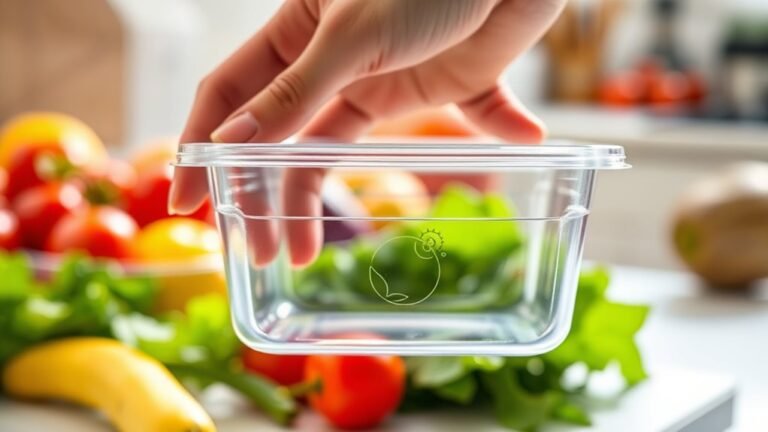
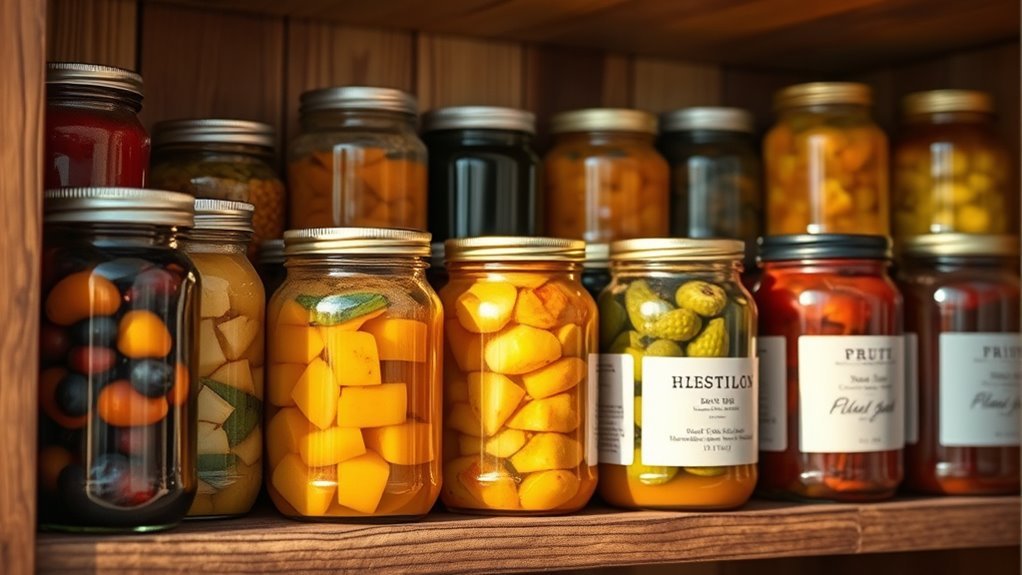
You should rotate your food during storage to make sure you use older items before they expire. This helps prevent spoilage and reduces the risk of foodborne illness.
Rotating keeps your food fresh, safe, and nutritious, while cutting down on waste.
Using methods like FIFO (First In, First Out) and labeling dates makes rotation easier and more effective.
Keeping your food organized protects your health and saves money.
Keep exploring for tips on how to rotate and store food properly to get the most out of your groceries!
Key Takeaways
- Rotating food prevents spoilage by using older items before they expire.
- It reduces the risk of bacterial growth and foodborne illnesses.
- Proper rotation maintains the nutritional quality and freshness of food.
- It minimizes food waste by ensuring all stock is consumed timely.
- Food rotation simplifies inventory management and helps avoid expired products.
Importance of Food Rotation for Safety and Quality
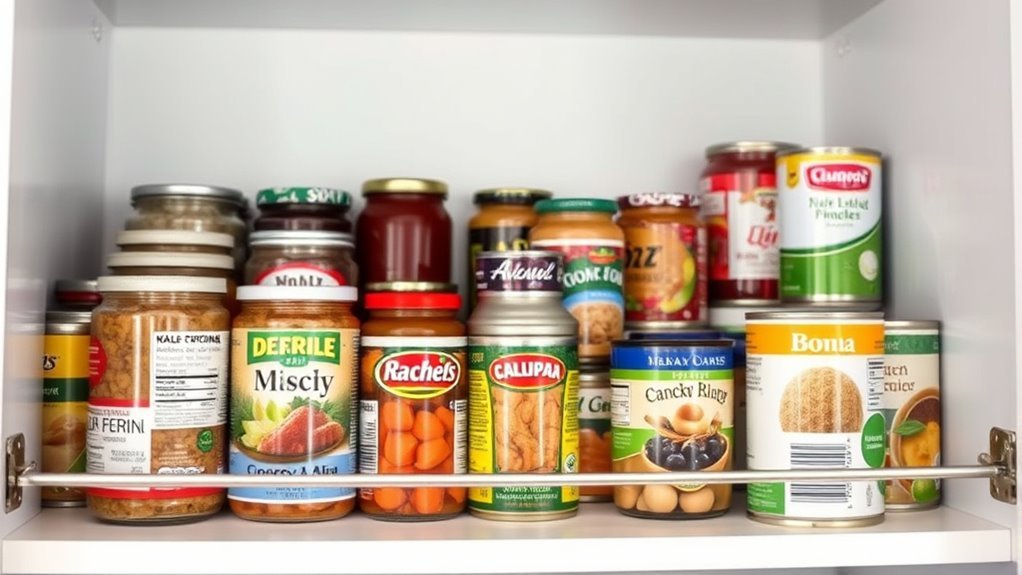
Although it might seem simple, proper food rotation plays a crucial role in keeping your stored food safe and fresh. By following the FIFO method, you use older food items before their expiration dates, preventing food spoilage and minimizing waste.
This practice maintains food safety by reducing the risk of bacterial growth and food poisoning linked to expired food. Regularly rotating your food storage helps you spot damaged or expired products quickly, safeguarding your health.
It also preserves the shelf life and nutritional quality of your food items over time. Without proper food rotation, you risk consuming unsafe or low-quality food, which can lead to health issues.
Methods and Best Practices for Effective Food Rotation
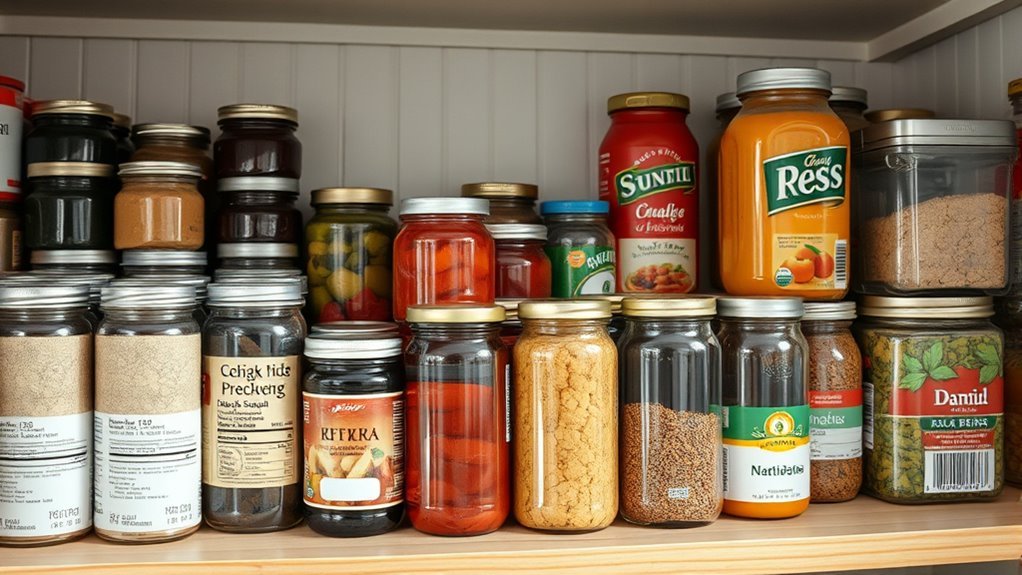
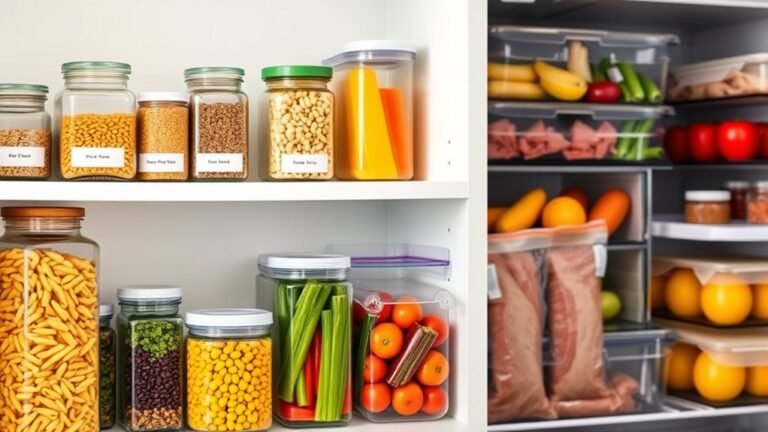
To keep your food storage safe and fresh, you need practical methods that make rotation easy and effective. Start by implementing FIFO (First In, First Out). Place older items like canned goods and dry storage supplies in front so you use them before newer stock.
Clearly label all items with purchase and expiration dates to help you quickly identify what to rotate food-wise. Regularly inspect your storage areas to remove expired or spoiled products. This is especially important after a power outage that could affect refrigerated or frozen goods.
Organize foods by category and storage method to streamline rotation and maintain food safety. By following these best practices, you reduce food spoilage and ensure you always consume items at their freshest. This way, you maximize both safety and quality.
Frequently Asked Questions
What Is the 2-2-2 Rule for Food Storage?
The 2-2-2 rule tells you to eat or check leftovers in your fridge within 2 days, use freezer items within 2 weeks, and review pantry goods every 2 months to keep food fresh and safe.
Basically, it’s a simple way to remember when to use or toss your food so nothing goes bad.
This helps you avoid waste and keeps your meals safe to eat. Just a little routine to keep your kitchen running smoothly!
Why Can’t You Put Warm Food in the Fridge?
You can’t just toss warm food in the fridge because it’s like throwing a hot rock into a cool pond—it raises the temperature, inviting bacteria to crash the party.
That risks spoilage and foodborne illness. Cool it first.
How Should Food Be Rotated in Storage?
You should rotate food by placing older items in front or on top of newer ones. This way, you use up the older stuff first and reduce waste.
Also, check expiration dates regularly and label things clearly. It helps keep track of what needs to be used soon.
Don’t forget to keep perishables at proper temperatures. That guarantees freshness and helps prevent spoilage.
What Two Foods Never Expire?
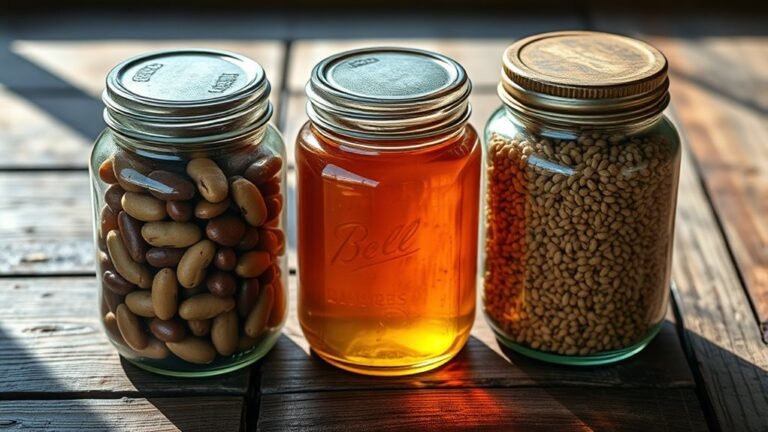
You won’t find honey or white rice begging for a retirement party—they never expire.
Store them right, and they’ll outlast your fridge’s leftovers, quietly staying edible for decades without a single complaint or spoilage.
Conclusion
You should rotate your food to keep it safe, fresh, and tasty. By using the first-in, first-out method, checking expiration dates, and organizing your storage, you prevent spoilage, avoid waste, and save money.
Rotate your canned goods, fresh produce, and leftovers regularly to maintain quality. This simple habit reduces risks and helps you enjoy meals that are both nutritious and delicious.
Remember, rotating food isn’t just a habit—it’s your key to smarter, safer storage every day. Keeping your food rotated properly ensures freshness, minimizes waste, and protects your health. So, make food rotation a part of your routine to keep your kitchen efficient and your meals enjoyable.