3 Foods That Last the Longest in Storage
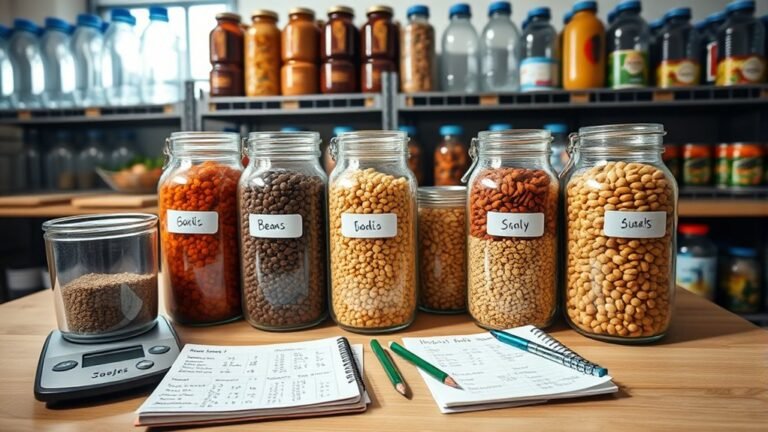
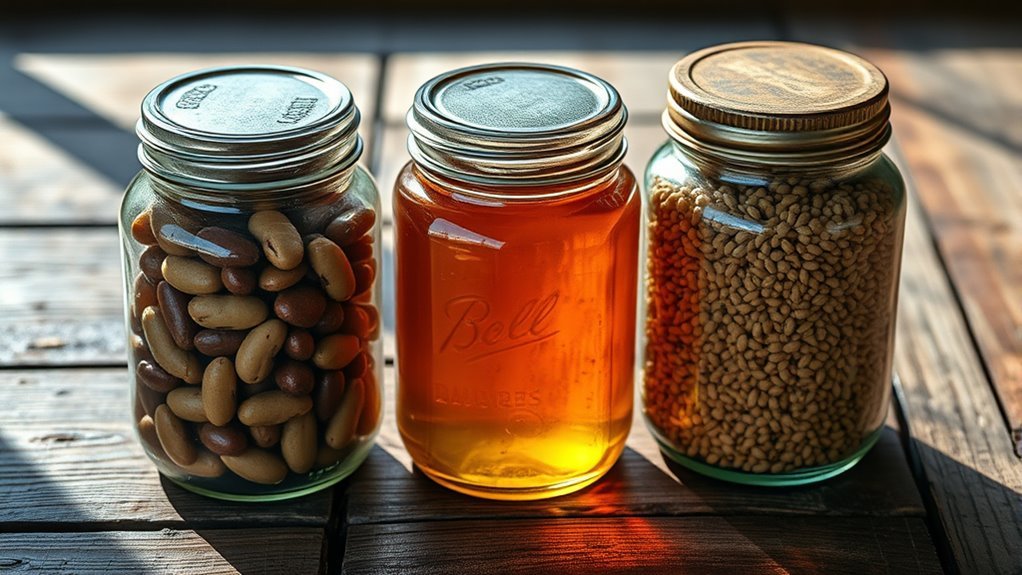
You’ll find dried beans, lentils, and legumes among the longest-lasting foods if stored airtight in a cool, dark place. These staples are not only rich in protein and fiber but also super durable, making them perfect for long-term storage.
Honey is another amazing option. It keeps indefinitely without spoiling, thanks to its natural composition. Seriously, honey is nature’s sweet preservative!
Plus, canned foods like vegetables and tomato sauces last for years unopened. Just be sure to avoid any cans with dents or rust to keep your food safe.
These foods offer reliable nutrition and durability for your pantry. Keep exploring these options, and you’ll discover how to maximize your long-term food storage. It’s all about being prepared and smart with what you store!
Key Takeaways
– Dried beans, lentils, and legumes last indefinitely in airtight, cool, and dark storage conditions.
They’re super reliable staples to keep on hand for the long haul.
– Honey has an indefinite shelf life when kept sealed and stored away from heat and light.
It’s nature’s sweetener that basically never goes bad.
– Unopened canned foods, especially vegetables and tomato sauces, can last 2-5 years if stored properly.
Just make sure the cans stay sealed and you keep them in a cool place.
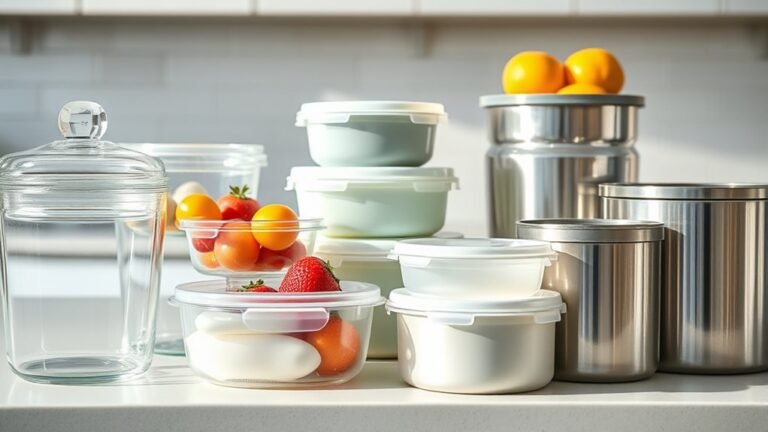
– Airtight containers and cool, dark environments are essential to maximize food shelf life and safety.
This simple step really helps your food stay fresh longer.
– Regularly checking and rotating stored foods prevents spoilage and ensures freshness over time.
It’s a good habit to avoid any surprises when you finally open those containers.
Dried Beans, Lentils, and Legumes
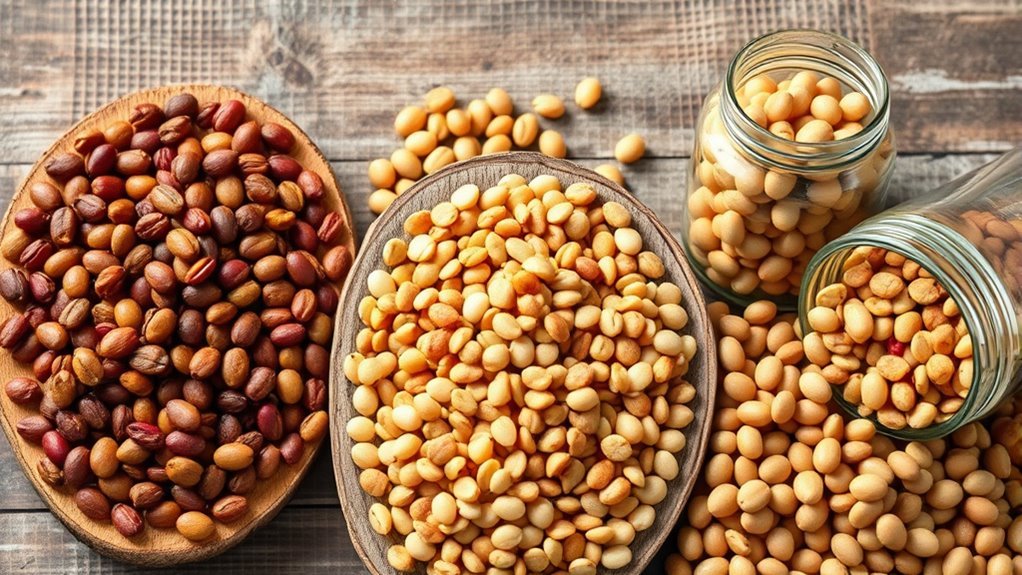
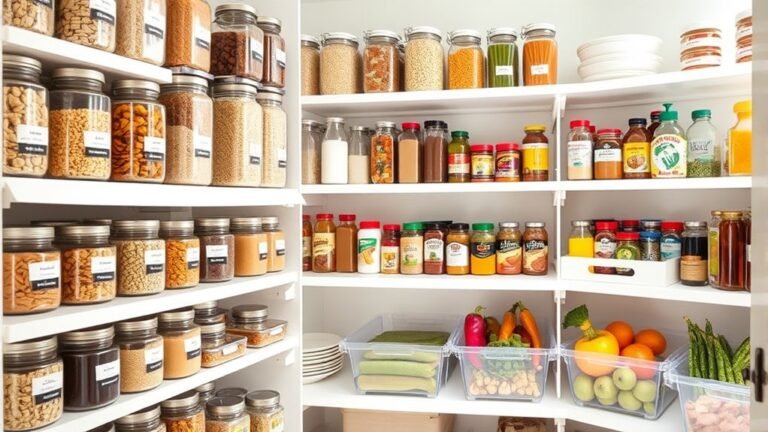
Although they require long cooking times, dried beans, lentils, and legumes make excellent long-term staples because you can store them indefinitely in airtight, cool, and dark conditions. When stored properly in sealed containers, these pantry staples maintain their nutritional value and flavor for years.
Dried beans, lentils, and legumes store indefinitely in airtight, cool, dark conditions, preserving nutrition and flavor.
Their long shelf life and pest-resistant nature make them ideal for long-term storage. You’ll find that dried beans and lentils resist mold and insects as long as moisture and temperature are controlled.
While they do need patience to cook, they provide reliable plant-based protein for any emergency food supply. To keep them fresh and safe, regularly check and rotate your dried legumes.
With airtight storage and proper handling, you’ll have a nutritious, dependable food source ready whenever you need it.
Honey and Other Natural Sweeteners
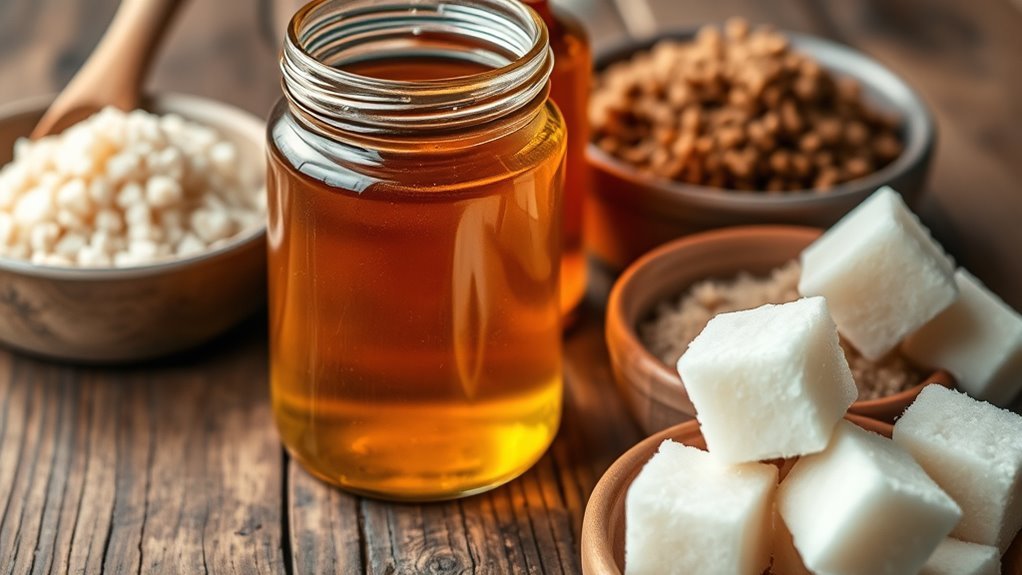
Dried beans and legumes provide lasting nutrition, and natural sweeteners offer a reliable way to add flavor that can also stand the test of time. Honey boasts an indefinite shelf life when stored in an airtight container in a cool, dark place due to its natural preservation qualities.
Other natural sweeteners like pure maple syrup and molasses also last long if unopened and properly stored in the pantry. Vanilla extract, especially alcohol-based, can remain good indefinitely when kept away from sunlight and heat.
| Sweetener | Shelf Life Unopened | Shelf Life Opened |
|---|---|---|
| Honey | Indefinite | Indefinite |
| Maple Syrup | Indefinite | ~1 year (refrigerated) |
| Molasses | Up to 10 years | ~5 years (pantry) |
Proper storage is key to preserving quality and extending the expiration date. So, keeping them sealed tight and in the right spot really makes all the difference.
Canned Foods and Preserved Vegetables
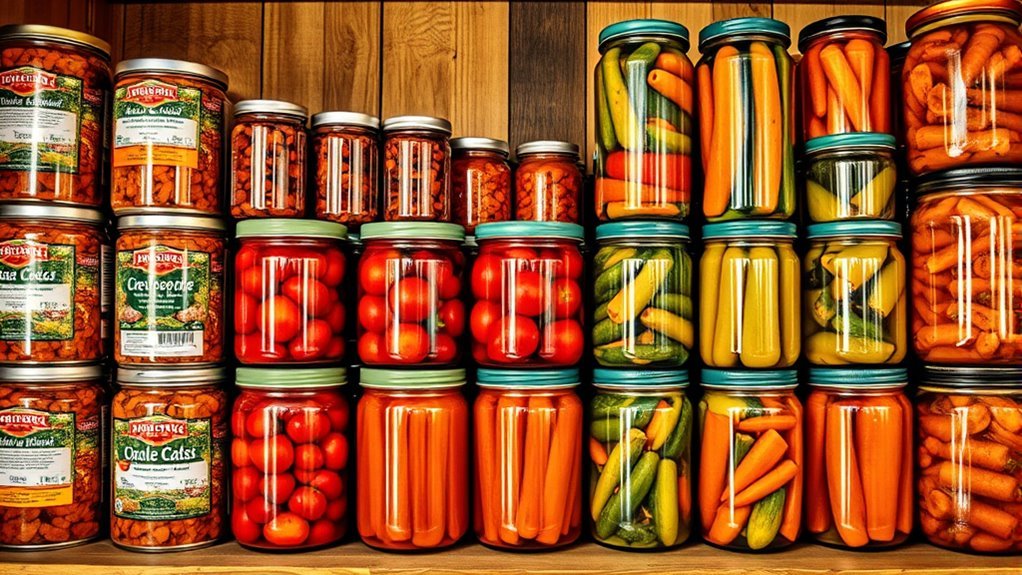
When you store canned foods and preserved vegetables properly, they can last for years without losing safety, though their flavor and texture might gradually decline. Unopened canned vegetables often have a shelf life of 2-5 years.
Canned or jarred tomato sauces and pickled vegetables can last up to 2-4 years past their expiration date. For long-term preservation, airtight sealing and consistent storage temperature are essential.
Keep your pantry staples in a cool, dark place. Avoid dents, rust, or bulging cans, because those can compromise food safety.
Properly sealed canned meats, seafood, and beans can last over five years. Just keep an eye on storage temperature and check expiration dates regularly to make sure your canned foods and preserved vegetables stay safe and ready whenever you need them.
Frequently Asked Questions
What Foods Have a 20-Year Shelf Life?
You can count on freeze-dried fruits, meats, powdered milk, quinoa, barley, and millet to last about 20 years when stored properly.
Just keep them sealed, cool, and away from light to maintain freshness.
It’s pretty amazing how long these foods can stay good, right? Just a little care goes a long way!
What Is the Best Food to Stockpile for Survival?
Think of white rice as your survival fortress—it’s your best food to stockpile.
You’ll want to pair it with canned proteins and honey, creating a powerful trio that fuels and sustains you through any emergency.
What Are 10 Foods That Never Expire?
You’ll want honey, white rice, pure vanilla extract, salt, sugar, dried beans, powdered milk, hard liquor, dried pasta, and baking soda.
These foods won’t expire if you store them properly in cool, dry conditions.
So, keeping them in airtight containers away from moisture and heat is key.
That way, they’ll last forever and be ready whenever you need them.
What Food Has a 25 Year Shelf Life?
Freeze-dried meats, fruits, and vegetables, dehydrated grains like rice and oats, powdered eggs, and powdered milk all have a 25-year shelf life when you store them properly in cool, airtight, oxygen-free containers.
It’s pretty amazing how long these foods can last if you keep them sealed tight and away from heat or moisture. Just make sure you’re storing them right, and they could be good for decades!
Conclusion
So, if you’re planning to outlast the apocalypse or just forget what fresh food tastes like, dried beans, honey, and canned veggies are your best bets. They’ll stick around longer than your New Year’s resolutions and probably outlive your houseplants too.
Next time you raid the pantry, remember: these foods aren’t just long-lasting—they’re practically immortal. Seriously, dried beans can last for years if stored properly, honey never spoils thanks to its natural composition, and canned veggies come sealed tight to keep freshness locked in.
Who knew survival could be this deliciously easy? When it comes to food storage, choosing items like dried beans, honey, and canned veggies ensures your emergency supplies stay edible and nutritious for the long haul. So stock up smart, and you’ll be ready for anything life throws your way!