3 Good Foods for Long-Term Storage
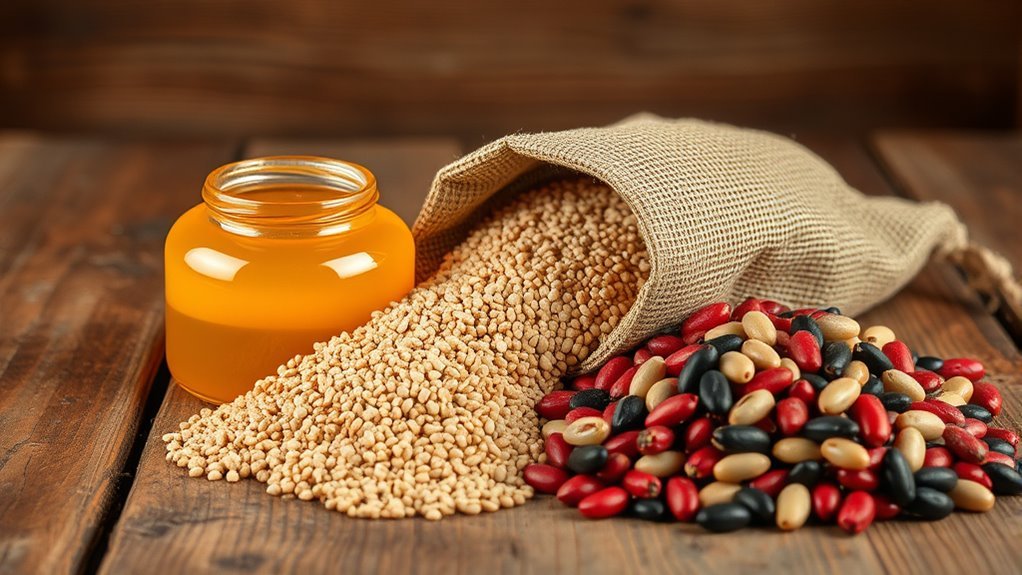
For long-term storage, you’ll want to focus on dried beans, lentils, and legumes since they’re packed with protein and fiber. These foods last for years when kept cool and dry, making them perfect for your emergency pantry.
Rice and other grains like oats and quinoa are also great choices. They store well for up to 8 years if sealed airtight, so you can stock up without worry.
Don’t overlook powdered milk and freeze-dried cheese—they provide essential nutrients and can last over a year or more when sealed properly.
Stick with these staples, and you’ll have reliable, nutritious options that store safely for emergencies or everyday use.
There’s plenty more to explore on keeping your food fresh and ready, but these basics will get you started on the right track.
Key Takeaways
- Dried beans and legumes offer high protein and fiber. They also have a long shelf life when stored airtight in cool, dry places.
- White rice and grains like oats and quinoa can last for years. Just keep them in sealed containers away from light and moisture.
- Powdered milk and freeze-dried dairy products stay fresh for up to 2 years or more. Storing them airtight and cool really helps.
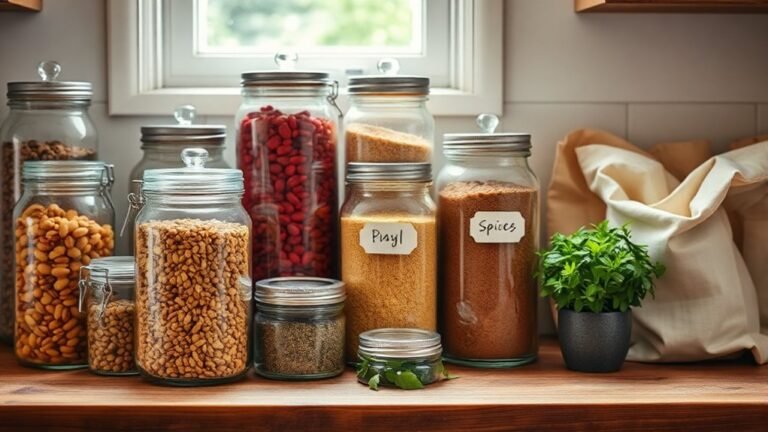
- Proper airtight storage and cool, dark conditions prevent spoilage. This extends the shelf life of dried foods and dairy.
- Rotating stored food regularly is a smart move. Freezing items before storage can help eliminate pests and keep quality over time.
Dried Beans, Lentils, and Legumes
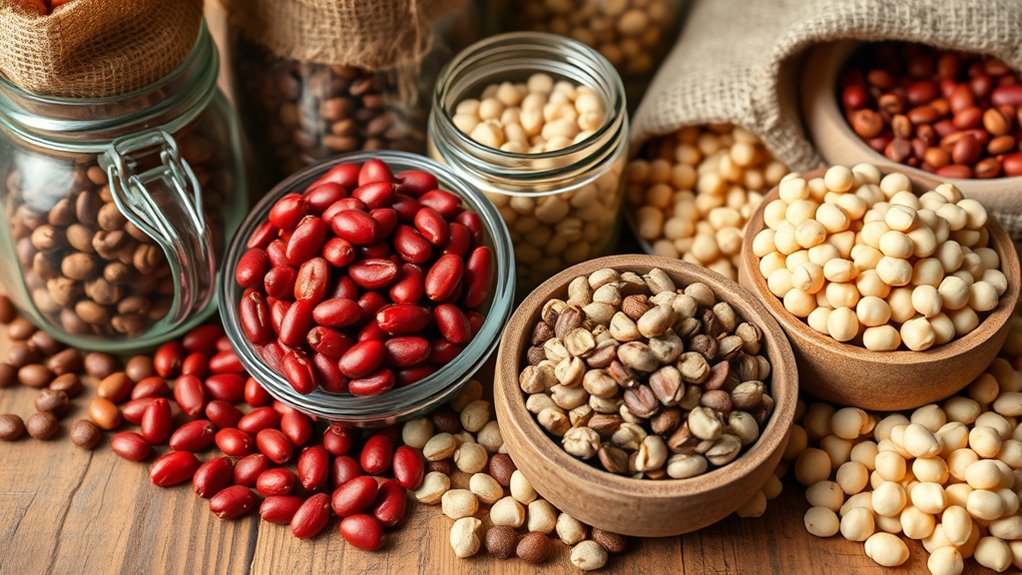
Although dried beans, lentils, and legumes might seem simple, they offer incredible long-term storage benefits when kept in airtight containers in a cool, dark, and dry place. When stored properly, dried beans and legumes boast a long shelf life, making them a staple for emergency preparedness.
Unlike canned goods, they don’t take up as much space and retain their nutritional value over time. You’ll want to keep them in a dry environment to avoid moisture that can cause spoilage or sprouting.
Protecting your dried beans from pests is essential, so consider freezing them for 48 hours before storage to eliminate insect eggs. With their high protein and fiber content, legumes provide balanced nutrition, ensuring you have reliable, healthy food when you need it most.
Rice and Grains
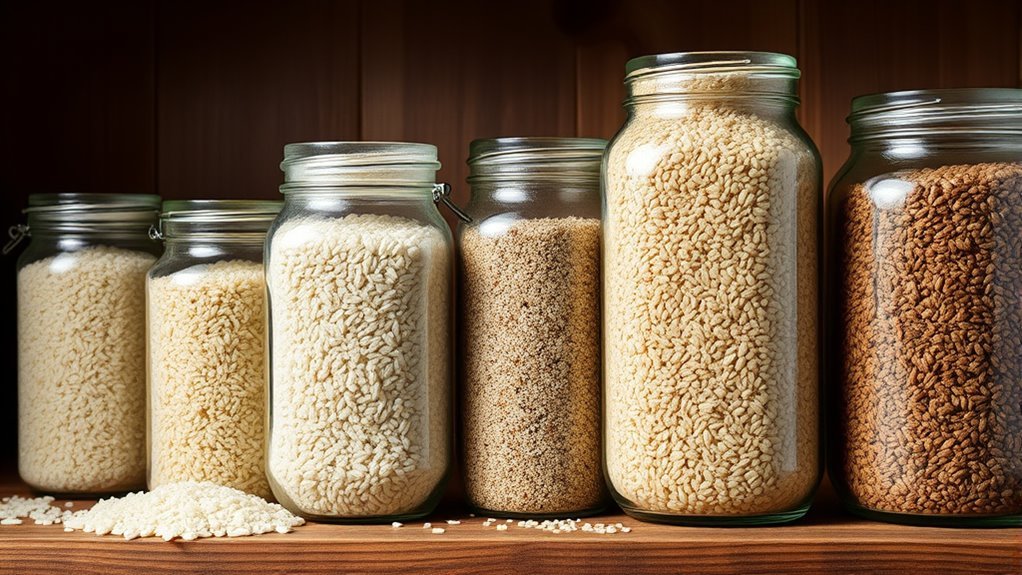
Dried beans and legumes provide excellent nutrition, but pairing them with a reliable source of grains guarantees a well-rounded food supply. When planning rice storage and grain preservation, focus on airtight containers to maintain long shelf lives.
Non-perishable foods like white rice, jasmine, and basmati rice last indefinitely under proper storage conditions. Grains like oats, quinoa, millet, and barley can stay fresh up to 8 years if kept in sealed containers away from moisture and heat.
White rice varieties last indefinitely, while grains like oats and quinoa stay fresh up to 8 years when stored properly.
Consider these tips for food preservation:
- Store bulk wheat (#2 grade) in airtight or nitrogen-packed cans
- Use milled rice for longer storage quality
- Keep grains like quinoa and oats in cool, dark places
- Rotate your grains regularly to ensure freshness
This approach guarantees your dried legumes and grains form a durable, nutritious pantry.
Powdered Milk and Dairy Products
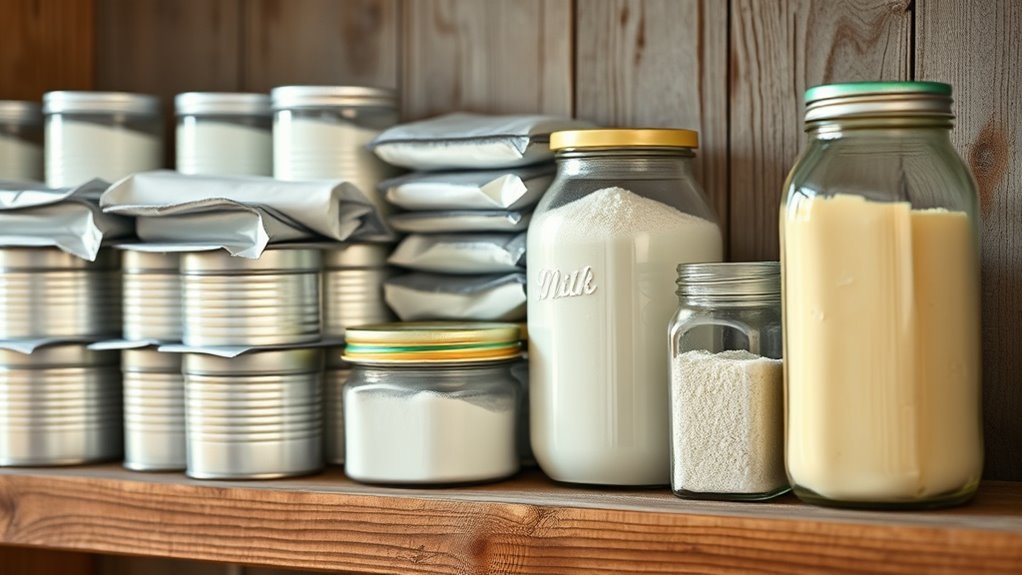
Powdered milk and dairy products offer convenient, long-lasting nutrition that fits perfectly into your emergency food supply. You can store powdered milk in an airtight container at 70°F for 12-24 months, making it ideal for long-term storage.
Reconstituted milk provides a versatile dairy source for cooking or drinking. Freeze-dried cheese and butter last over 10 years when kept moisture-free in cool, dark places.
Pasteurized cheese spreads and canned evaporated milk last 1-2 years unopened, adding variety to your emergency food options.
| Dairy Product | Typical Shelf Life |
|---|---|
| Powdered Milk | 12-24 months |
| Pasteurized Cheese Spreads | 1-2 years |
| Freeze-Dried Cheese | 10+ years |
| Evaporated Milk | 1-2 years |
Store all dairy products airtight to maximize shelf life. Doing so really helps keep them fresh for as long as possible.
Frequently Asked Questions
What Food Lasts Longest in Storage?
You’ll find honey, vinegar, and pure vanilla extract last the longest—they can stay edible indefinitely if stored properly.
White rice and dried legumes also last decades, but nothing beats those staples for truly long-term storage.
What Foods Should I Stockpile for Survival?
You should stockpile canned goods, long-lasting grains, powdered and dehydrated foods, nutrient-dense snacks, and essential condiments. These provide calories, protein, and nutrients while lasting years when stored properly in cool, dark, airtight conditions.
It’s smart to think about variety too. Having different types of foods keeps your meals interesting and ensures you get a good mix of nutrients. Plus, don’t forget to rotate your stockpile every now and then to keep everything fresh!
What Foods Have a 20-Year Shelf Life?
Looking for foods that last 20 years? You’ll want white rice, wheat, oats, and freeze-dried fruits or meats.
Properly stored, these staples keep well. So why not stock up and prepare for the long haul?
What Should I Stock up on if WW3 Happens?
You should stock up on canned meats, vegetables, and fruits, plus bulk staples like rice and dried beans.
Don’t forget freeze-dried foods, essential condiments, and vitamin supplements to stay nourished during WW3.
Conclusion
Now that you know the top three foods perfect for long-term storage—dried beans, rice, and powdered milk—you might be wondering which one will truly stand the test of time when it matters most.
Imagine opening your pantry months or even years from now, confident that these staples haven’t lost their value or nutrition. The secret isn’t just in choosing the right foods, but how you store them.
Ready to protect your future? Proper storage techniques like using airtight containers, keeping foods in a cool, dark place, and controlling moisture are key. By focusing on these methods, your dried beans, rice, and powdered milk will maintain their quality and nutritional benefits for years.
So, when prepping your long-term food supply, remember: it’s not just the food you pick, but how you store it that ensures your survival and peace of mind. Keep these tips in mind, and your pantry will be stocked with reliable, nutritious staples whenever you need them.