
Top 5 Food Storage Containers to Buy in 2027
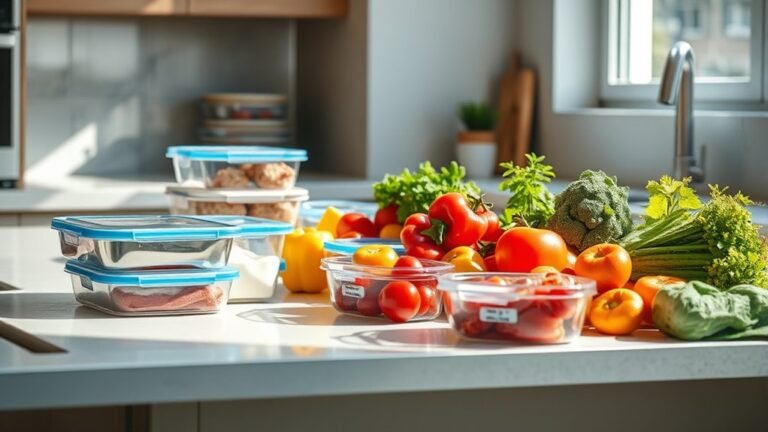
If you want airtight, versatile food storage containers that keep your meals fresh and organized in 2027, you’re in the right place. Finding the best containers can make a huge difference in your kitchen, whether you’re storing leftovers, meal prepping, or packing lunches.
Start with the Rubbermaid Brilliance set for everyday use and airtight sealing. These containers are super reliable and easy to clean.
For oven-safe glass options, Glasslock and Pyrex Simply Store are great picks you can trust.
If you prefer something lighter and shatter-resistant, choose Tritan plastic containers. They’re perfect for lunch or freezer storage and can handle a bit of rough treatment without cracking.
Just make sure to match the container sizes to your household needs, so nothing goes to waste.
And don’t forget to follow proper care tips to extend the life of your containers. Keep exploring to find your perfect storage match — there’s something out there for everyone!
Key Takeaways
- Rubbermaid Brilliance set offers airtight lids and versatile sizes ideal for everyday food storage needs. It keeps your food fresh and makes organizing a breeze.
- Glasslock 18-piece set provides oven-safe convenience for seamless fridge-to-oven reheating. So, you can heat your meals without switching containers.
- Pyrex Simply Store is durable and stackable, perfect for organized glass food storage. Plus, its sturdy design means it lasts for years.
- Tritan plastic containers are lightweight, shatter-resistant, and great for lunches, freezer use, and kids. They’re super practical when you’re on the go.
- Match container choice to usage: glass for reheating, plastic for drop-safety and freezer storage. This way, you get the best of both worlds depending on your needs.
Choosing the Right Food Storage Container
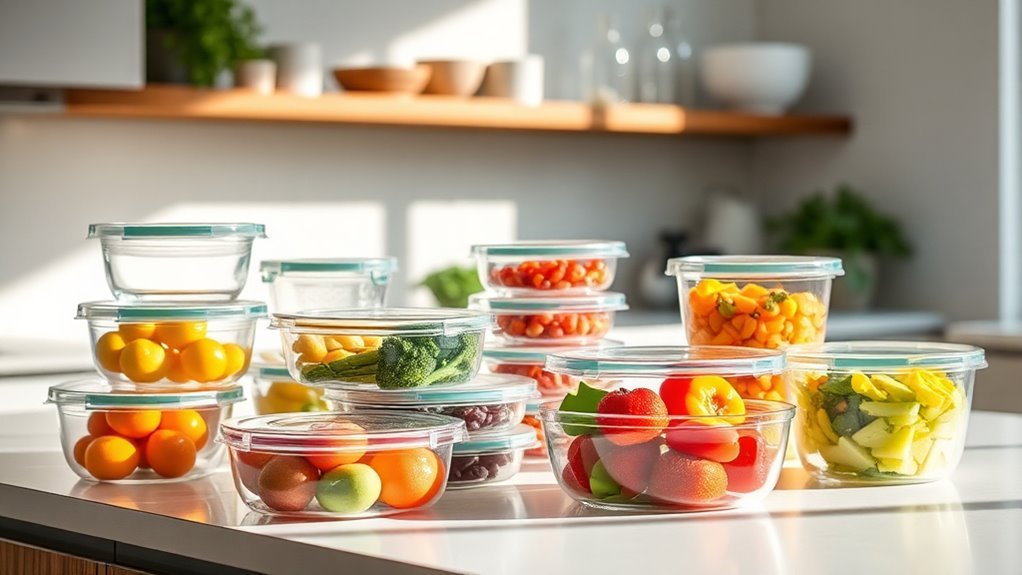
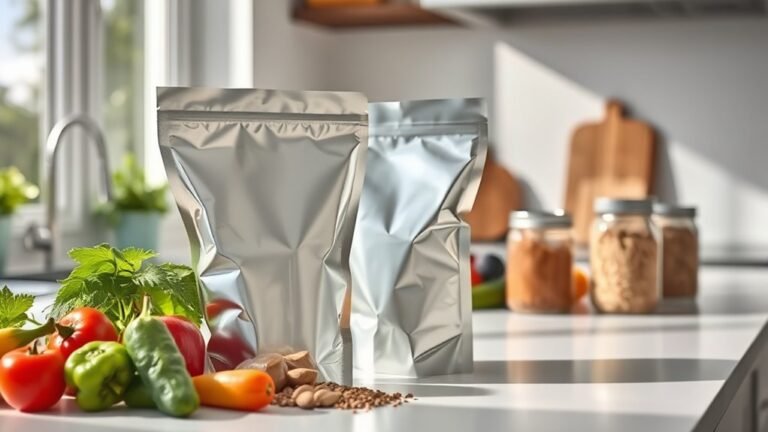
When choosing the right food storage container, you’ll want to make sure bulk staples get moved out of their original thin bags and into airtight, light-blocking containers. This helps protect against oxygen, moisture, and pests.
For long-term storage, heat-sealed mylar bags with oxygen absorbers inside food-grade buckets are ideal. Though, just buckets alone aren’t truly airtight.
If you use pantry staples often, glass mason jars offer excellent sealing and visibility. But keep in mind, they’re heavier and more breakable compared to plastic options.
Plastic containers are lighter and more durable, but they might not block light as well. So, it’s best to match your choice to the food type and how often you use it.
Low-oil items store well in mylar and buckets, while oily or frequently accessed foods need smaller, resealable containers. Choosing wisely like this helps your dry goods stay fresh longer.
Why Airtight Seals Matter for Food Storage Containers
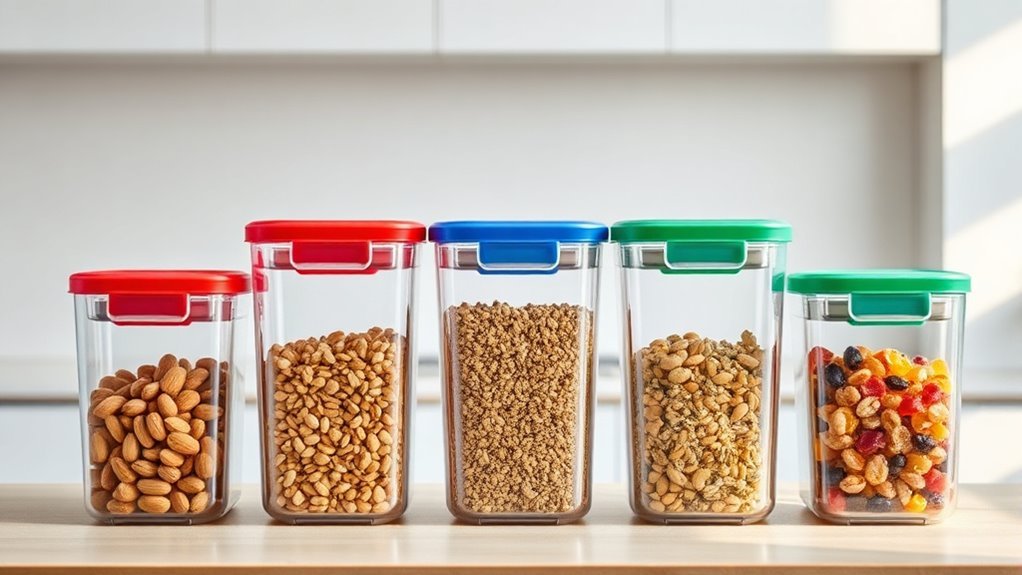
Securing an airtight seal on your food storage containers makes a significant difference in keeping your pantry staples fresh. By blocking oxygen, airtight seals prevent rancidity in fatty foods and stop mold and pests from thriving in dry goods.
They also reduce moisture exposure, which can soften, clump, or spoil foods over time. Since light accelerates food quality degradation, containers that seal tightly and limit light exposure help maintain freshness longer.
The biggest upgrade you can make is transferring bulk staples from thin, original bags into truly sealed, light-blocking containers. For ultimate shelf life, consider using mylar bags heat-sealed with oxygen absorbers inside a food-grade bucket—they offer strong defense against oxygen, moisture, and pests, ensuring your food stays fresh and safe for extended periods.
Glass vs. Plastic Containers: Which Is Better for You?

Although both glass and plastic containers serve well for food storage, your choice depends on how you plan to use them. Glass is the pure choice—it won’t stain or absorb odors and handles fridge-to-oven reheating, especially if it’s borosilicate or tempered.
Plastic, like Tritan, is lighter, shatter-resistant, and great for lunches, freezer use, or kids. But it can stain with colored foods and can’t go in the oven.
If you want long-lasting leftovers and reheat flexibility, glass usually wins. For daily portability and safer drops, Tritan plastic works better.
Top 5 Food Storage Containers for 2027
Choosing the right food storage containers can transform your kitchen routine, making meal prep and leftovers easier than ever. For overall versatility, the Rubbermaid Brilliance set stands out with airtight lids and perfect sizes for daily use.
Choosing the right containers transforms your kitchen routine, with Rubbermaid Brilliance offering airtight, versatile options for everyday use.
If you prefer glass, the Glasslock 18-piece set offers oven-safe convenience, moving smoothly from fridge to oven. Pyrex Simply Store is another solid glass choice, known for durability and stackability.
When deciding between plastic and glass, remember glass resists stains and odors, which is ideal for reheating. On the other hand, Tritan plastic suits lunchboxes and freezer storage but can stain over time.
Finally, for pantry staples, upgrade from flimsy bags to sealed, light-blocking containers. These protect your food from oxygen, moisture, and light—boosting freshness and shelf life effectively.
Sizing and Care Tips to Maximize Your Food Storage Containers’ Lifespan
When you pick the right container size for your needs, you’ll save space and reduce waste. For 1–2 people, containers holding 1.3 to 3.2 cups work best—the Rubbermaid Brilliance 3.2-cup is a popular choice for portioning and stacking.
Families should opt for 5 to 8 cups, while batch cooking or dry goods call for 12 to 16 cups. Choose containers with uniform, nesting lids to keep lids organized and easy to grab—this “10-second lid rule” saves time daily.
After storing saucy foods, rinse silicone gaskets to prevent residue buildup and wash lids by hand or on the top rack to avoid warping. For glass containers, prevent thermal shock by warming them before hot use, and replace gaskets or lids when they start to leak.
Frequently Asked Questions
How Do I Dispose of Expired Food Storage Containers Responsibly?
You should clean expired containers, then check if your local recycling accepts their material.
If not, consider donating usable ones or repurposing them at home. Avoid tossing plastics in regular trash to reduce environmental harm.
It’s a simple way to do your part for the planet!
Can Food Storage Containers Be Safely Used in the Microwave?
Microwaving food storage containers can be safe, but only if you check for a microwave-safe label.
Don’t let your meal turn into a ticking time bomb—avoid containers with metal or harmful chemicals like BPA.
It’s always better to be cautious, right? Just double-check the label before heating up your food.
What Are the Best Labels for Organizing Food Storage Containers?
You’ll want waterproof, smudge-proof labels with clear, easy-to-read fonts. Chalkboard or dry-erase labels let you update contents quickly.
Printable adhesive labels give a neat, professional look. And don’t forget to use a permanent marker for lasting clarity. It just makes things so much easier!
How Often Should I Replace My Food Storage Containers?
Think of your containers like shoes—you replace them when they start showing wear. You should replace food storage containers every 1-2 years or sooner if they crack, stain, or retain odors.
Doing this helps keep your food safe and fresh. It’s a simple way to avoid any unwanted surprises in your meals!
Are There Eco-Friendly Alternatives to Traditional Food Storage Containers?
Yes, you can choose eco-friendly food storage containers made from bamboo, silicone, or glass. They’re reusable, durable, and free from harmful chemicals.
This helps you reduce plastic waste and keep your food fresh naturally. Plus, using these alternatives is a simple way to make a positive impact on the environment without much effort.
Conclusion
Choosing the right food storage container can feel like finding a needle in a haystack, but it’s worth every second. With airtight seals and the right material, you’ll keep your food fresher than ever.
Whether you prefer glass or plastic, the top containers of 2027 have you covered. Remember, sizing and care are key to making them last.
Invest wisely, and your kitchen will thank you for a lifetime! By picking the best food storage containers, you ensure your meals stay fresh and delicious longer. Airtight seals, durable materials, and proper sizing all play a huge role in preserving your food. So, whether you’re meal prepping or just storing leftovers, the right container makes all the difference. Make your kitchen smarter and your food storage easier with these top picks for 2027!