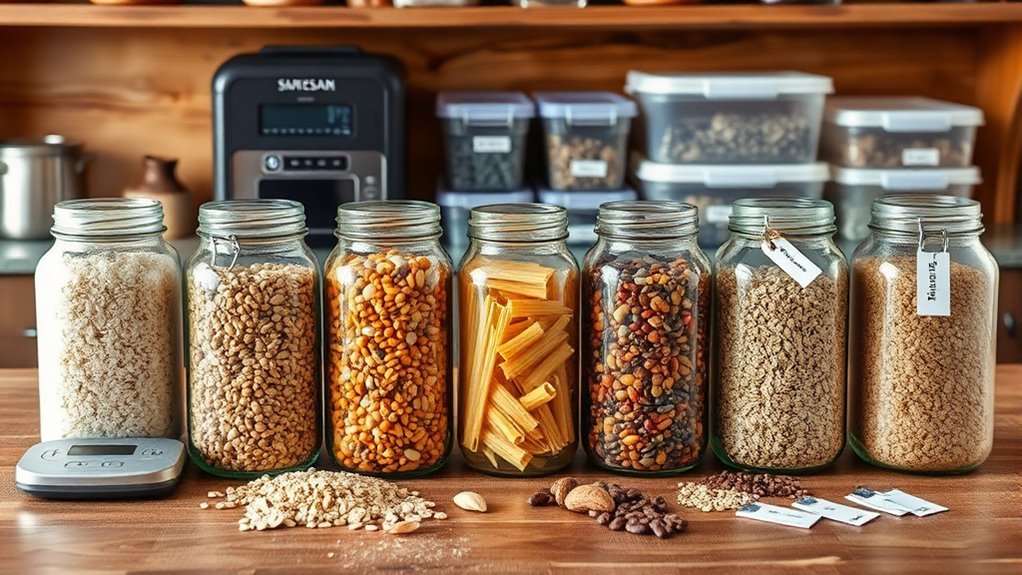
7 Steps to Prepare Long Term Food Storage
To prepare long-term food storage, start by setting clear goals for a three-month supply.
Take inventory of what you already have to avoid buying duplicates.
It’s all about being organized from the get-go.
Next, choose durable staples like grains, legumes, sugar, powdered milk, oil, and salt.
These items last a long time and form the backbone of your food storage.
Calculate exact quantities based on your daily nutritional needs.
This way, you’ll know exactly how much to store without wasting space or money.
Store your foods airtight in cool, dry places to keep them fresh.
Keeping items separated helps avoid contamination, so be mindful of that.
Don’t forget to rotate your stock using the FIFO (First In, First Out) method, and always track expiration dates.
This keeps your food fresh and ready when you need it.
Finally, buy from dependable sources to ensure quality.
Stick with these steps, and you’ll be fully prepared for whatever comes your way!
Key Takeaways
- Set clear goals for at least three months of food storage with target quantities per person for grains, legumes, sugar, powdered milk, oil, and salt.
- Take inventory of existing supplies, check storage conditions and expiration dates, and identify gaps to buy strategically.
- Prioritize long-lasting staples stored in airtight, moisture-proof containers kept in cool, dry places away from sunlight.
- Organize storage using FIFO rotation, label dates clearly, and separate foods to prevent contamination and spoilage.
- Include water storage, essential vitamins, spices, and herbs to maintain balanced nutrition and meal variety for long-term readiness.
Set Your Food Storage Goals and Take Inventory
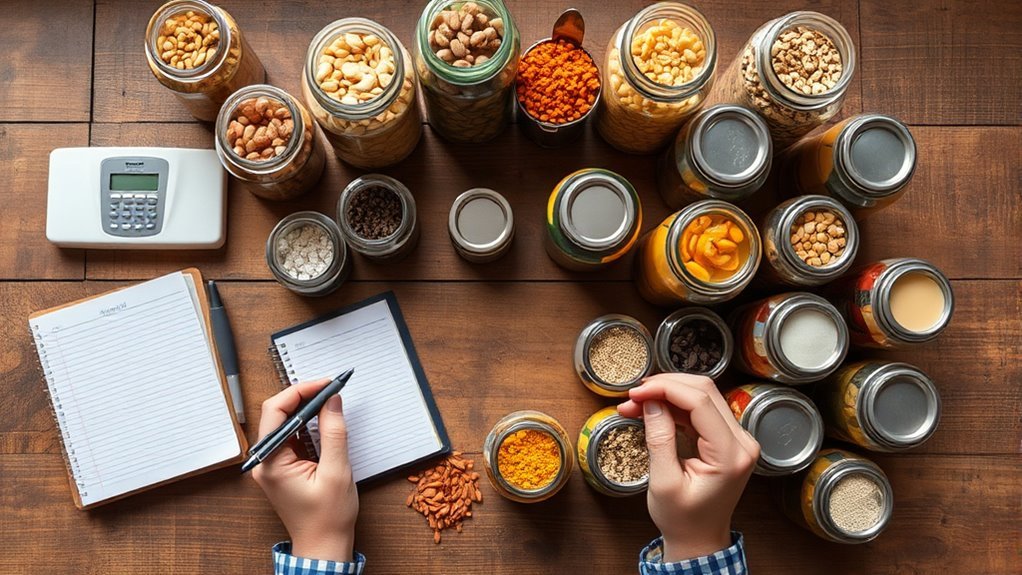
To begin your long-term food storage journey, set a clear goal to build enough supplies to last at least three months. Start by creating a simple food storage plan that outlines your target quantities per person—about 100 pounds of grains, 15 to 20 pounds each of legumes, sugar, and nonfat dry milk, plus 5 pounds of oil and 1 to 2 pounds of salt.
Next, take inventory of what you already have. List items by type and check if they’re properly stored and within safe use dates. This helps you identify gaps so you can buy strategically.
Aim for a balanced daily intake of roughly 2,600 calories, 100 grams of protein, and 35 grams of fat. Revisit your goals regularly to ensure your inventory steadily moves toward these targets.
Pick the Best Foods for Your Long-Term Storage
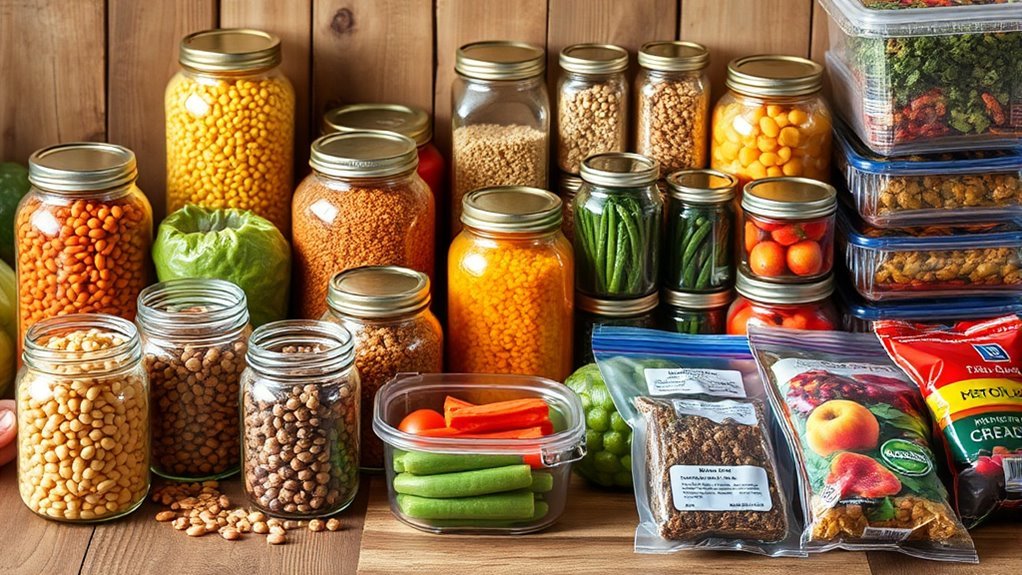
You’ll want to focus on essential food categories like grains, legumes, sugar, powdered milk, oil, and salt to cover your nutritional needs. Choosing foods with long shelf lives and proper packaging will help keep them safe and fresh for years.
Make sure to prioritize storage methods that protect against moisture and spoilage. This way, you can maximize your food’s longevity and have peace of mind knowing it will last.
Essential Food Categories
A solid long-term food storage plan focuses on the “7-Plus Basic Food Storage Plan,” which includes grains, legumes, sugar, powdered milk, oil, salt, and essential vitamins along with simple adjuncts like leavenings, spices, and herbs.
To meet a 3-month supply per person, aim for about 100 pounds of grains like wheat, corn, or rice, stored airtight in buckets or #10 cans to keep moisture out.
Legumes also store well sealed, lasting over 10 years. Sugar and powdered milk require cool, dry conditions for long shelf life.
Don’t forget water storage—it’s just as crucial. Secure enough safe drinking water for daily needs alongside your food to ensure your long-term preparedness stays effective and balanced.
Nutritional Value Importance
When selecting foods for long-term storage, focus on nutritional balance to keep your body fueled and healthy. Prioritize the “7-Plus Basic Food Storage” essentials—grains, legumes, sugar, powdered nonfat milk, oil, and salt. These provide a dependable mix of calories, protein, fat, and minerals.
Aim for about 2,600 calories per day with 100g protein and 35g fat to sustain your body over months. Choose foods with proven shelf life: sugar lasts 30+ years airtight, powdered milk around 20 years, and legumes over 10 years when sealed properly.
Don’t forget nutrient-supporting adjuncts like vitamins, spices, and herbs to maintain health and meal variety. Balanced storage beats relying on a single food, ensuring your nutrition stays stable and effective long term.
Storage Longevity Tips
Maintaining nutritional balance is just one part of successful long-term food storage—you also need to focus on the longevity of the foods you choose. Prioritize the “7-Plus Basic Food Storage” items like grains, legumes, sugar, powdered milk, oil, salt, and vitamins. These cover daily calories and nutrition for years.
Store grains and legumes airtight with oxygen absorbers inside moisture-proof containers such as #10 cans or 5-gallon buckets. Keep sugar sealed in opaque, airtight packaging for up to 30 years, and powdered milk for about 20 years. Legumes last 10+ years when moisture is controlled.
Make sure to maintain a cool, dark storage environment to prevent spoilage. Also, rotate your stock using FIFO (first in, first out). Remember, oils don’t last beyond 2–3 years, so rotate them regularly for best quality.
Calculate Your Long-Term Food Storage Needs for Three Months

You’ll want to plan for about 2,600 calories per person each day, with 100 grams of protein and 35 grams of fat to stay balanced.
Focus on core staples like grains, legumes, powdered milk, and oil to meet these targets. Using standard three-month quantities—such as 100 pounds of grains and 5 pounds of oil—keeps your storage simple and effective.
Daily Caloric Requirements
Although planning long-term food storage can feel overwhelming, focusing on daily caloric requirements helps simplify the process. Aim to provide around 2,600 calories per person per day for your three-month supply. This target ensures you meet basic energy needs consistently.
To calculate your total food storage, multiply this daily calorie goal by the number of people and the total days (90) in three months. Keep your purchases aligned with these calorie goals to maintain balanced nutrition, not just shelf-stable items.
Protein and Fat Targets
Since protein and fat play essential roles in your daily nutrition, you must plan carefully to meet their targets in your long-term food storage.
For three months, aim for about 100 grams of protein and 35 grams of fat per person each day. This means stocking roughly 15–20 pounds of legumes and 5 pounds of oil per person.
Your protein and fat targets should fit within a total daily calorie goal of around 2,600 calories. Focus on protein sources like grains, legumes, and nonfat dry milk, while oil remains your primary fat contributor.
Keep in mind proper storage and rotation for fats, especially oils, to maintain quality. Meeting these protein and fat targets ensures balanced nutrition throughout your long-term food storage plan.
Food Quantity Recommendations
When calculating your long-term food storage needs for three months, focus on meeting daily goals of about 2,600 calories. This should include roughly 100 grams of protein and 35 grams of fat per person.
Prioritize the “7-Plus” essentials to ensure solid storage that covers calories and basic nutrition. This works even if you have limited variety.
Use these starting quantities per person for three months:
| Food Item | Weight (lbs) |
|---|---|
| Grains | 100 |
| Legumes | 15–20 |
| Sugar | 15–20 |
| Nonfat Dry Milk | 15–20 |
Add 5 lbs of oil and 1–2 lbs of salt to meet fat and sodium needs. Just adjust these amounts based on how many people you’re storing for, keeping these targets as your baseline.
Store Foods Properly for Long-Term Food Storage
To make sure your long-term food storage stays safe and lasts, you need to store foods properly by controlling temperature, moisture, and exposure to pests. Use airtight containers like plastic buckets or #10 cans to keep grains, legumes, sugar, and nonfat dry milk sealed tight.
Store pantry staples in a cool, dry place away from sunlight. Ideally, keep the temperature between 10–21°C. Your refrigerator should be at or below 40°F (4°C), and the freezer at 0°F (−18°C).
Keep pantry staples cool and dry, away from sunlight, with fridge at 4°C and freezer at −18°C for best freshness.
Use FIFO (First In, First Out) to rotate older items to the front and avoid waste. This way, nothing goes bad before you get to use it.
Keep moisture out to prevent spoilage and pests. Also, seal foods tightly to block contamination and extend shelf life.
Proper storage really helps your supplies stay fresh and safe for the long haul.
Keep Foods Separate in Food Storage to Prevent Contamination
Proper storage techniques not only protect your food from spoilage but also help prevent contamination between different items. To keep foods separate, store raw meats, poultry, and seafood in airtight containers on the lowest shelf.
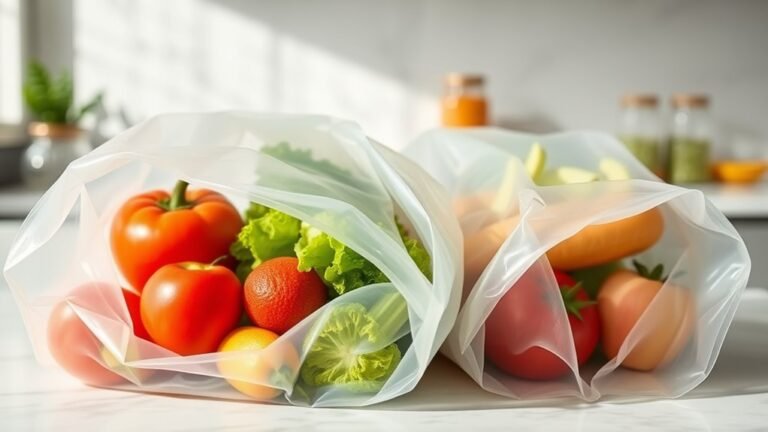
Place ready-to-eat foods above them, and keep fruits and vegetables apart to avoid ethylene gas damage. Using ethylene-absorbing bags extends produce freshness, which is really important for your three months’ storage plan.
| Food Type | Storage Location | Tips |
|---|---|---|
| Raw meats | Lowest shelf | Use airtight containers |
| Ready-to-eat foods | Upper shelves | Keep sealed or covered |
| Fruits | Separate bins | Use ethylene-absorbing bags |
| Vegetables | Separate bins | Store away from fruits |
| Seafood | Lowest shelf | Seal tightly to prevent drips |
Separating foods like this really helps reduce contamination and keeps your storage safe. It’s a simple step that makes a big difference!
Rotate Your Food Storage Using the FIFO Method and Track Expiration Dates
Although storing your food correctly is important, rotating it regularly using the FIFO (First In, First Out) method ensures you use older items before newer ones. This helps minimize waste and keeps your food fresh.
Place newly bought staples like wheat, rice, or sugar behind older stock so the oldest gets used first. Tracking expiration dates is key too—understand what “Use By” and “Best Before” labels really mean to keep things safe and tasty.
Remember, some foods don’t last forever, so it’s a good idea to rotate items annually. Oils, though, you’ll want to check and rotate even sooner because they go off faster.
To help you stay organized:
- Store grains, legumes, and powders in airtight, moisture-proof containers.
- Label storage dates clearly on each item.
- Use dry legumes with about 8–10% moisture to last 10+ years when sealed properly.
Following this approach keeps your storage fresh and safe, making sure your food is always ready when you need it.
Where to Buy Reliable Foods for Long-Term Storage
Where can you find reliable foods that will stand the test of time? Start with major supermarkets for staples like sugar, legumes, nonfat dry milk, oil, and salt. But always compare prices per pound before buying.
Begin with major supermarkets for essential staples, but always compare prices per pound before purchasing.
For longer shelf-life packaging, check out LDS Home Storage Centers. They offer basic foods at reasonable prices.
Bulk suppliers like Rainy Day Foods provide 50-lb bags and long-term packaging options such as 5-gallon super pails and #10 cans. If you buy smaller retail sizes or order online, repackage your grains and legumes into airtight containers like 5-gallon plastic buckets, #10 cans, or Mylar bags to keep them fresh.
Walmart can be handy for quick restocking, but make sure you buy enough to meet your long-term goals. Aim for about 100 pounds of grains and 15–20 pounds each of legumes and sugar per person for three months.
Frequently Asked Questions
Do I Need to Stock up on Food?
Yes, you should stock up on food to make sure you’re prepared for emergencies. Aim for basic staples like grains and legumes.
Store them properly, and build your supply gradually to meet your nutritional needs and rotation system. It’s all about having what you need when you need it, without wasting anything.
How to Keep Food Long Term?
To keep food fresh for forever, focus on freezing, frosting, and filing foods properly. Use airtight containers, cool conditions, and consistent rotation.
Label leftovers, lock moisture out, and limit light exposure to lengthen your lasting larder’s life.
It’s all about keeping things sealed tight and stored right. That way, your food stays tasty and safe much longer!
What 5 Foods Should Not Be Refrigerated?
You shouldn’t refrigerate grains, sugar, nonfat dry milk, oil, or salt. Instead, store them airtight in cool, dry, dark places to prevent moisture, pests, or spoilage.
This way, you keep their shelf life long and stable. Trust me, it’s the best way to keep these staples fresh!
What Two Foods Never Expire?
You can trust sugar and salt to never expire. You store sugar airtight and dark, and keep salt dry and covered.
Just make sure to protect them from moisture. If you do that, they’ll stay good for decades without spoiling or clumping.
Conclusion
By building your best batch of balanced, bountiful basics, you’ll be better prepared for any unexpected event. Be sure to store your supplies smartly, separate safely, and systematically switch stocks using the FIFO method.
Staying steady and strategic with your storage safeguards your sustenance, saving stress and securing your survival. So, start strong, stay steady, and steadily stock up for a safe, secure future filled with food freedom and peace of mind.
Remember, long term food storage isn’t just about having enough food—it’s about being organized and consistent. With smart storage techniques and regular stock rotation, you ensure your supplies stay fresh and ready. This approach not only protects your food but also supports your overall preparedness, giving you confidence and resilience. So take these steps seriously, and you’ll enjoy the peace of mind that comes with reliable, long term food storage.