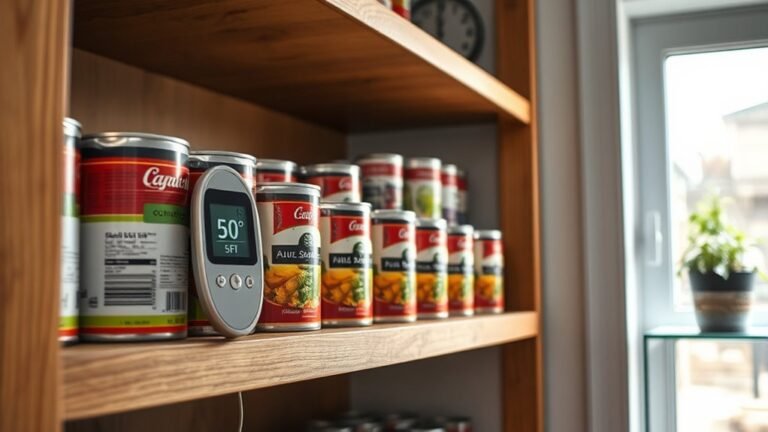

How Much Food Storage Do You Need for a Year?
You need enough food storage to cover every family member’s needs, split into ages 0–6 and 7 and older. This should be a minimum one-year supply of balanced staples like grains, legumes, and fats.
Having the right amount ensures everyone stays nourished through any situation.
Tailor the amounts based on your household’s diet, adding special foods as needed.
Don’t forget to plan separately for water storage. Water is just as important as food when preparing for the long term.
To keep your food fresh and useful, it’s smart to learn how to rotate your stock properly.
Also, adjust quantities according to your unique situation.
That way, your food storage works best for you and your family.
Key Takeaways
– Calculate minimum yearly food storage using a family-specific calculator that separates ages 0–6 and 7+ for accurate needs.
This way, you get a clearer picture of what everyone actually requires.
– Include core categories: grains, legumes, staple fats, canned/dried fruits and vegetables, and essential pantry items like salt and sugar.
These basics form the backbone of any solid food storage plan.
– Use baseline calculator results as minimums, then adjust for dietary preferences and add nonstandard essential foods as needed.
Everyone’s different, so make sure your plan fits your family’s tastes and needs.
– Plan for balanced nutrition by rotating stored food annually and including protein-rich, vitamin-fortified, and nutrient-dense items.
Keeping things fresh and nutritious is key to staying healthy.
– Store food in cool, dry, dark conditions with sealed packaging, and maintain a separate water storage plan of at least 14 gallons per person.
Water’s just as important as food, so don’t skimp on that part!
How to Calculate Your Family’s Food Storage Needs

Before you start buying supplies, use the Food Storage Calculator on TheFoodGuys.com to estimate your family’s minimum basic-year food storage needs based on the LDS Church Home Production and Storage manual. You’ll enter the number of family members ages 7 and older, along with those aged 0–6, since the calculator differentiates these groups for accurate food storage quantities.
Treat these results as minimum recommendations for a basic year supply—not a tailored plan with specific foods or best options for your household. Keep in mind, the calculator focuses on food needs, while water storage guidance is separate, typically suggesting a two-week emergency reserve of at least 14 gallons per person.
After calculating, review family-specific lists to identify what foods you still need to select beyond the baseline amounts. This way, you can make sure you’re covering all your bases without overbuying.
How Age Groups Affect Your Food Storage Quantities

When planning your food storage, you’ll need to separate household members into age groups since younger children require different quantities than older ones. The number of people in each category directly affects the minimum amounts you’ll need to store.
Age-Based Storage Differences
Since food needs vary a lot with age, you’ll calculate your storage requirements by dividing family members into two groups: ages 0–6 and ages 7 and older. The calculator uses these groups because consumption patterns are different.
Those aged 7 and older usually need more food, so adding more people in this group raises your total storage needs quite a bit. Meanwhile, increasing the number of children aged 0–6 affects storage differently since they generally have smaller appetites.
These age-based amounts give you a minimum one-year supply guideline to help you plan before you customize specific foods.
| Age Group | Typical Consumption | Impact on Storage Needs |
|---|---|---|
| 0–6 years | Lower | Moderate increase |
| 7+ years | Higher | Larger increase |
| Family Mix | Both groups | Balanced calculation |
Younger Children Food Needs
Although younger children eat less than older family members, you’ll need to ensure to account for their specific nutritional needs when planning your food storage.
Food storage calculators typically divide family members into two age groups: Ages 0–6 and Ages 7 and older. When you enter the number of children Ages 0–6, the calculator adjusts the minimum food quantities to reflect their smaller portions and higher dependency.
This ensures you don’t overstore or understore food for your household. The Ages 7+ group is handled separately since older kids and adults generally consume more.
These tools provide basic one-year minimums tailored by age, but you still want to match food choices to your family’s unique needs for the best results.
Adjusting Quantities By Age
You’ll want to adjust your food storage quantities based on the age groups in your household, as the amount of food needed varies greatly between younger children and those aged seven and older.
When using the Food Storage Calculator, you enter family counts split into ages 0–6 and ages 7 and older because recommended minimums differ greatly. Typically, those seven and older require more food per person than younger kids.
Treat each age bracket as a separate line to avoid underestimating your total needs. Since the calculator’s minimum recommendations rely heavily on these age-based counts, understanding your household’s age composition is key to planning an accurate, sufficient year’s supply of food storage.
Adjusting for these differences ensures you don’t fall short when it counts. It’s all about being prepared and making sure everyone’s needs are met.
What Foods to Include in Your Year-Long Supply
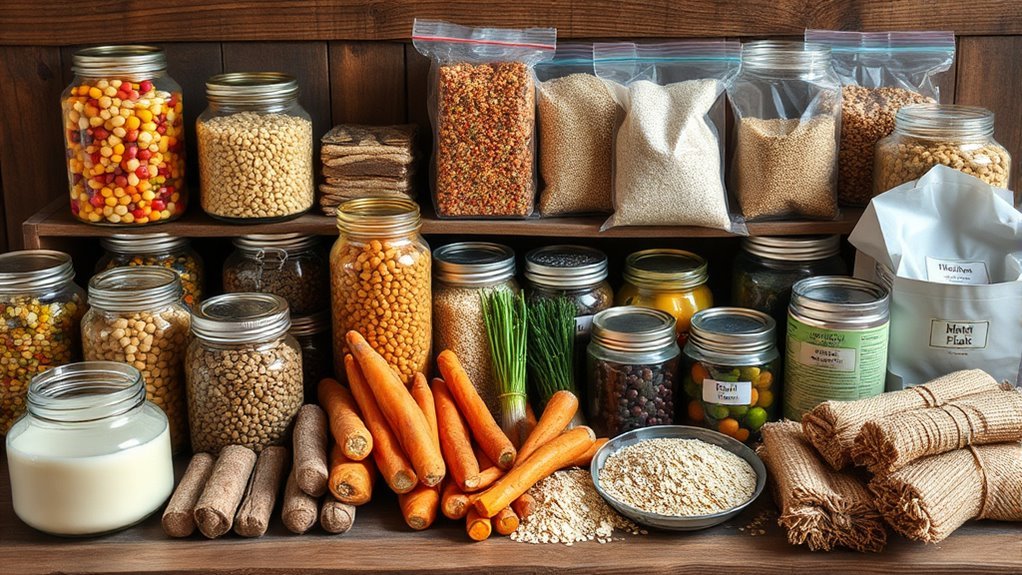
You’ll want to include essential food categories like grains, legumes, and shelf-stable proteins to cover your calorie requirements and nutritional balance. Focus on long-term storage foods that maintain quality over time and allow you to rotate supplies conveniently.
Planning with nutrient-rich options ensures you can build varied meals throughout the year. It’s all about having a good mix that keeps things interesting and keeps you healthy.
Essential Food Categories
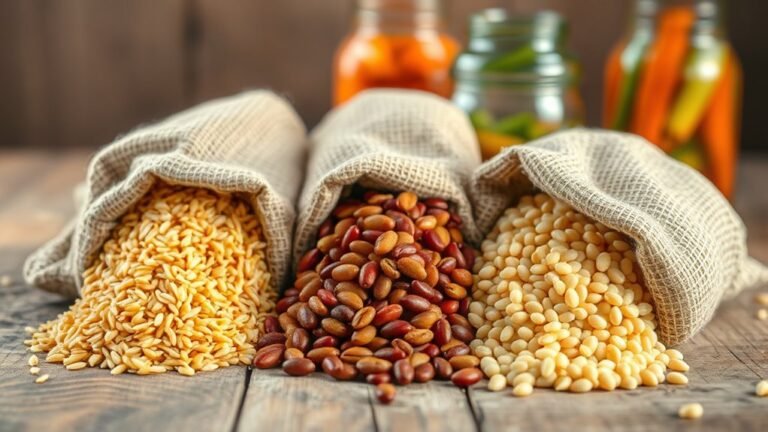
When preparing a year-long food supply, include essential categories like grains, legumes, and staple fats to create filling, balanced meals. It’s a good idea to add protein-rich staples like dried beans, lentils, nuts, and seeds to keep things interesting and nutritious.
Also, include long-lasting canned or dried vegetables and fruits. These will supply carbs and important micronutrients your body needs.
Don’t forget pantry essentials such as salt, sugar, baking ingredients, and basic spices. They really make meals more enjoyable and help keep your menu from getting too repetitive.
Base your quantities on minimum yearly needs, then tweak your choices to suit your family’s preferences. That way, you’ll have a supply that works well for everyone.
| Category | Examples | Purpose |
|---|---|---|
| Grains | Rice, wheat, oats | Energy and meal base |
| Legumes | Beans, lentils | Protein and fiber |
| Fats | Cooking oil, nuts/seeds | Essential fats and calories |
| Veggies/Fruits | Canned, dried | Micronutrients and carbs |
| Pantry Items | Salt, sugar, spices | Flavor and meal variety |
Nutritional Balance Tips
How can you make sure your year-long food supply meets all your nutritional needs? Start by building a balanced mix of staples, proteins, and healthy fats. Use the LDS-style “basic year supply minimums” as a foundation, then add variety to avoid relying on just one food type.
Include nutrient-rich options like dried fruits, vegetables, and vitamin-fortified products to cover essential micronutrients. Don’t forget seasoning and salt to support overall health. Also, plan for adequate water storage to help with hydration and meal prep.
To achieve nutritional balance, focus on mixing grains, beans, lentils, and meat alternatives for diverse protein and fiber. Adding shelf-stable oils for healthy fats is important, too.
Include dried fruits and vegetables for vitamins and minerals. And make sure to rotate food choices to enhance diet variety over the year. It really helps keep your meals interesting and nutritious!
Long-Term Storage Foods
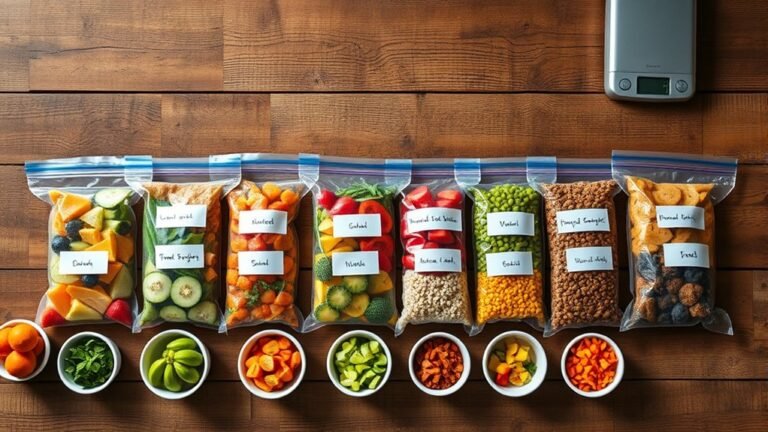
For building your year-long food supply, focus on shelf-stable staples like grains, legumes, and canned or dehydrated foods that don’t need refrigeration. Start with a basic year supply minimum, then adjust based on your family’s tastes and meal plans.
Include a balanced variety—combine grains with protein-rich legumes and canned vegetables to avoid monotony and ensure nutrition.
Here’s a practical guide for a family of four:
| Food Type | Examples |
|---|---|
| Grains | Rice, oats, wheat |
| Legumes | Beans, lentils, peas |
| Canned Foods | Vegetables, fruits, meat |
| Dehydrated Foods | Powdered milk, soups |
Use this as a starting point and rotate foods regularly to keep your supply fresh and suited to your needs. It’s all about making sure what you have works for you, not the other way around.
Adjusting Food Storage for Special Diets
Although the Food Storage Calculator offers a baseline for a basic year supply, you’ll need to increase quantities if your household follows special diets. Use the calculator’s guidance as a starting point, then add the specific staples your family requires daily.
The Food Storage Calculator provides a baseline, but adjust quantities to fit your household’s special dietary needs.
If you substitute grains or proteins, keep the same calorie targets to maintain balanced meals. Remember, the calculator separates age groups, so adjust quantities for children accordingly.
Add nonstandard foods essential to your diet instead of relying solely on standard categories. Swap items carefully to preserve overall nutritional value and calories.
Also, account for different needs between children (0–6) and older family members. Use the calculator’s minimums as a baseline, then tailor your storage to your diet requirements for a full year.
Limitations of Basic Food Storage Guidelines You Should Know
While basic food storage calculators give you a helpful starting point, they don’t account for every unique need your family might have. These tools provide minimum recommended amounts based on general guidelines, like those from the LDS Church’s Home Production and Storage manual, but they aren’t fully customized.
You’ll need to adjust quantities and food choices to fit your family’s ages, dietary preferences, and special requirements since calculators typically separate only two age groups: 0–6 and 7 and older. Remember, these recommendations serve as a baseline, not a complete plan.
Also, keep in mind that water storage is handled separately and isn’t included in these basic food storage figures. So, you’ll want to develop a distinct water supply plan tailored to your situation.
Why You Need a Separate Water Storage Plan
Since water demands differ considerably from food, you’ll want to create a separate plan for storing it. Unlike food, storing a year’s supply of water is usually impractical, so your focus should be on a shorter, manageable reserve.
Experts recommend keeping at least 14 gallons per person for two weeks. That’s enough to cover emergency disruptions while you access your longer-term food supplies.
Treat water storage as its own priority with clear quantity goals. Remember:
- Water needs don’t align with calorie-based food amounts
- A two-week water reserve is essential for emergencies
- Water storage requires different containers and conditions
- Planning separately ensures you don’t underestimate or overstock water
How to Rotate and Maintain Your Food Storage Over Time
Start by tracking your food storage dates and making sure you use the oldest items first. This helps keep your supplies fresh and usable.
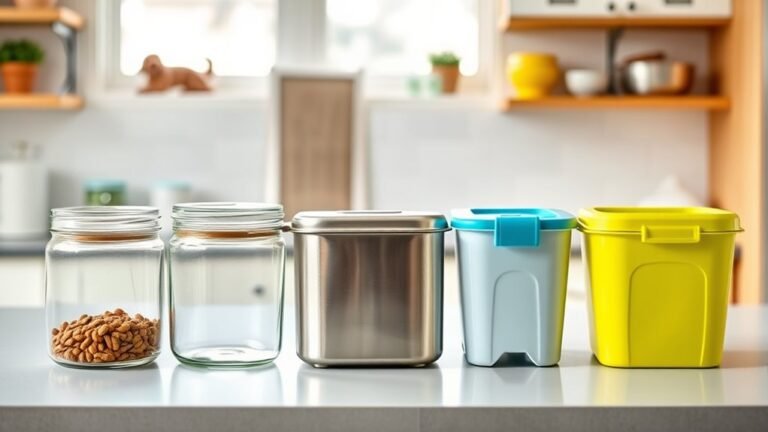
Check storage conditions regularly—cool, dry, and dark is best. You want to avoid any moisture or heat that could spoil your food.
Replace foods annually, especially high-turnover items. That way, you always have a full year’s supply ready to go.
Perform inventory sweeps to count and adjust your stock as needed. It’s a good habit to keep things organized and avoid surprises.
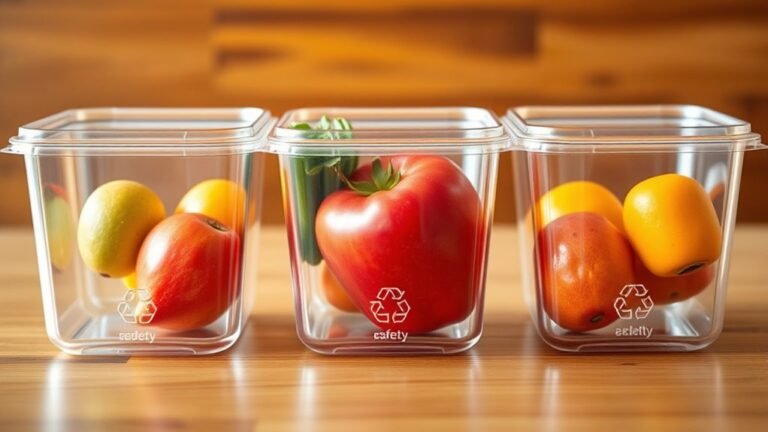
Keep packaging sealed and labels intact. This ensures safety and makes it easier to identify what you have.
| Task | Frequency | Key Tips |
|---|---|---|
| Rotate oldest food | Weekly/Monthly | Use FIFO (First-In, First-Out) |
| Inspect storage | Monthly | Maintain cool, dry, dark areas |
| Inventory sweep | Quarterly/Annually | Adjust shopping list accordingly |
Following these steps keeps your food storage safe and ready when you need it. It’s all about staying on top of things so you’re never caught off guard.
Top Food Storage Calculators and Where to Find Them
Keeping your food storage organized and up to date sets a strong foundation for planning your supply needs. One of the best tools you can use is TheFoodGuys.com’s Food Storage Calculator.
It helps estimate the minimum one-year supply based on age groups—Ages 7 and older, and Ages 0–6—following LDS Home Production and Storage manual recommendations. Remember, this calculator provides basic minimums, so you’ll want to select the best foods beyond that.
Here’s what you should know:
- Enter family member counts by age for accurate estimates
- Calculator focuses on food, with a two-week water reserve recommendation
Use the tool as a starting point, not a complete plan. And it’s a good idea to supplement it with “family of four for one year” supply lists for context.
These resources make planning clearer and more manageable.
Frequently Asked Questions
Should I Stock up on Food in 2026?
Yes, you should stock up on food in 2026, but use reliable tools like the FoodGuys calculator to determine your minimum needs.
Remember to plan beyond basics and keep a separate two-week water supply for emergencies.
It’s all about being prepared without going overboard. Think of it as a smart safety net for whatever comes your way.
Is 20 Year Old Canned Food Still Good?
You can eat 20-year-old canned food if the can isn’t damaged and the contents look and smell normal.
But don’t risk it if you see rust, bulging, or off-odors—throw it out to stay safe.
How Much Food to Stockpile per Person?
Think of food storage like building a safety net—you’ll want about 2,000 to 2,500 calories daily per person aged 7 and older, and less for younger kids.
Adjust quantities based on age and dietary needs for a year’s supply. It’s all about making sure everyone’s covered, no matter what.
What Should I Stockpile for WW3?
You should stockpile non-perishable foods like rice, beans, canned goods, and freeze-dried meals. These will keep well and provide the energy you need when fresh food isn’t available.
Prioritize a two-week water supply per person, essential vitamins, and a manual can opener. Having these on hand will help you stay prepared during WW3-style disruptions. It’s all about being ready for whatever comes your way.
Conclusion
You might think storing a year’s worth of food is overwhelming, but with a clear plan, you’ve got this. Remember, your family’s unique needs shape your storage, so don’t just guess—calculate.
Like a well-tuned orchestra, every age group and diet plays its part. And don’t forget water—it’s the silent partner in survival.
Keep rotating your supplies, and you’ll turn food storage from a chore into peace of mind. Ready to start?
When it comes to how much food storage you need for a year, it all comes down to planning smart and knowing your family’s needs. Include everyone’s preferences and dietary requirements to make sure your stockpile works for you. Water is just as important as the food itself, so always keep plenty on hand. By rotating your supplies regularly, you avoid waste and keep everything fresh. With these simple yet crucial steps, your food storage becomes a reliable safety net, giving you confidence and peace of mind no matter what comes your way. So, get started today and build a food storage plan that truly fits your family’s needs.