
How to Understand What Best Defines the Term Food Storage
You can understand food storage as the controlled process that keeps your food safe and fresh by managing factors like time, temperature, humidity, and packaging.
These key elements work together to slow spoilage and preserve the nutrients in your food.
It also helps prevent common problems such as sprouting or insect damage.
Techniques like cold pasteurization and radiation are great examples that extend shelf life without sacrificing quality.
Knowing these basics gives you a better chance to protect your food.
Plus, exploring different storage methods helps you find the right balance between safety, nutrition, and freshness.
It’s all about keeping your food in the best shape possible for longer.
Key Takeaways
- Food storage involves controlling time, temperature, humidity, and packaging to keep food safe and fresh. It’s all about managing these factors to make sure your food lasts longer and stays tasty.
- It’s a way to preserve food by slowing down spoilage and extending its shelf life. Basically, it helps your food stay good for as long as possible.
- Proper storage also keeps the nutrients intact, especially vitamins that are sensitive like vitamin C and B vitamins. So, you’re not just saving food, but also the good stuff inside it.
- Food storage helps prevent problems like sprouting or insect infestations in certain foods. It’s a simple way to avoid these quality issues that can ruin what you’ve stored.
- Nowadays, modern storage methods include things like cold pasteurization and special packaging barriers. These techniques work to stop microbes from growing and keep food quality high.
What Food Storage Means and Why It Matters

Although you might not always notice it, food storage plays an essential role in keeping your food safe and fresh by controlling factors like time, temperature, humidity, and packaging. Proper food storage is a crucial part of food preservation, designed to slow spoilage and extend shelf life.
By managing these conditions, you help preserve nutrients, especially sensitive water-soluble vitamins like vitamin C and B vitamins. Effective storage also prevents issues like sprouting in onions and potatoes and inhibits insect infestations.
Techniques like cold pasteurization and freezing delay ripening, keeping food usable longer. Additionally, controlling storage conditions decreases the growth of spoilage organisms and reduces problems such as foil spoilage.
Understanding these basics makes sure you get the most out of your food’s quality and safety. It’s all about making your food last longer and stay better for you.
How Food Preservation Methods Control Spoilage and Safety

Food preservation methods reliably help you manage spoilage and ensure safety by targeting the microbes and pests that cause food to deteriorate. These methods inhibit microbial growth and prevent insect activity, which slows down spoilage and reduces foodborne illness risks.
For example, techniques like high pressure processing and ozonation disrupt microbial survival, lowering the microbial load effectively. Additionally, controlling factors such as sprouting in onions and potatoes helps maintain food quality longer.
While some preservation methods, including cold pasteurization and ionizing radiation, reduce microorganisms without heat, they also protect safety by extending shelf life. Keep in mind that nutrient-sensitive vitamins like vitamin C may deteriorate during processing, so choosing the right preservation technique balances both safety and nutritional quality.
Key Food Storage Techniques: Cold Pasteurization and Radiation

Preservation methods like high pressure processing and ozonation work by targeting microbes to slow spoilage, but cold pasteurization and ionizing radiation offer unique approaches to extend shelf life and maintain safety.
Cold pasteurization inhibits sprouting in onions and potatoes, reduces insect infestations, slows microbial growth—including foil spoilage—and delays fruit ripening. This method targets spoilage microbes without the heat damage typical of traditional pasteurization, keeping food quality intact while reducing foodborne illness risks.
Ionizing radiation uses gamma rays, X-rays, or electron beams to reduce microorganisms and delay spoilage without cooking the food. Both techniques slow harmful microbial activity—cold pasteurization by inhibiting growth at low temperatures, and radiation by directly reducing microbes with ionizing energy.
These methods help you safely store food longer without sacrificing quality.
Other Modern Food Storage Methods to Extend Shelf Life
When you want to extend shelf life beyond traditional methods, several modern technologies offer powerful solutions. Radio frequency, pulsed light, and high-pressure processing (HPP) use physical energy to inactivate microbes or slow spoilage without heat.
Ozonation employs ozone’s disinfecting action to reduce spoilage organisms effectively. Aseptic packaging combines sterile processing with sealing techniques that prevent recontamination, keeping products stable much longer. These methods complement cold pasteurization and ionizing radiation, giving you options that balance safety and quality.
Best Practices for Storing Different Types of Food
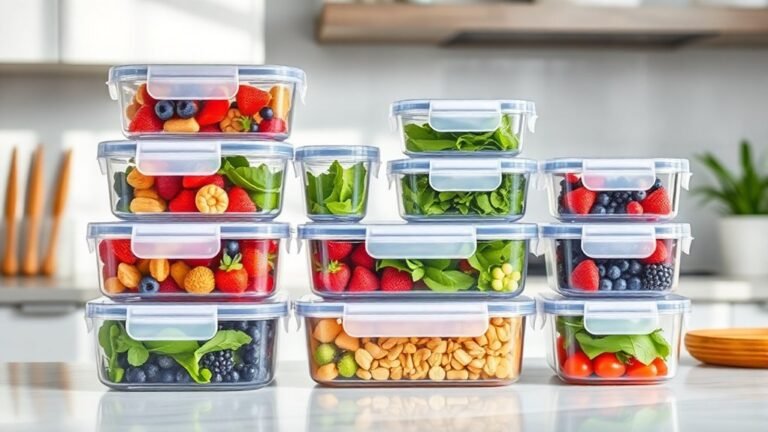
Although storing different types of food requires varied approaches, understanding their unique needs helps you keep them fresh longer and safe to eat.
Different foods need tailored storage methods to stay fresh and safe for consumption.
Here are three key best practices to follow:
- Use cold pasteurization or similar low-temperature methods for vegetables like onions and potatoes to inhibit sprouting and prevent spoilage.
- Blanch green vegetables before freezing to reduce folate loss and maintain nutritional value.
- Match preservation techniques to food type—for example, ionizing radiation for shelf-life extension or aseptic packaging for longer storage.
It’s all about knowing what works best for each food, so you get the most out of your storage efforts!
How Food Preservation Affects Nutrient Retention
Since different preservation methods expose food to varying degrees of heat, water, and oxidation, they directly impact how well nutrients like vitamins and minerals hold up. Water-soluble vitamins, such as vitamin C and many B vitamins, are especially sensitive and can be lost notably through methods like boiling, which may cause nutrient losses up to 75% or more.
You’ll want to avoid excessive water exposure to preserve these nutrients. Freezing helps retain nutrients effectively; blanching green vegetables before freezing can reduce folate loss.
Other processes like irradiation or high-pressure treatment affect nutrient retention differently, depending on heat and oxidation exposure. Remember, how you store food after preservation also matters—time and oxidation can further degrade sensitive vitamins.
Choosing the right preservation method helps you maximize nutrient retention.
Packaging Strategies That Improve Food Storage Quality
You’ll want to choose packaging materials that create strong barriers against air, moisture, and light to keep your food fresh longer.
Modified atmosphere packaging can help by adjusting the gases inside, slowing spoilage and preserving quality.
Understanding these barrier properties is key to improving your food’s shelf life and nutrient retention.
Effective Packaging Materials
Effective packaging materials play a vital role in preserving food quality by creating barriers against oxygen, moisture, and light.
To keep your food fresh longer, focus on using packaging that fits your storage needs precisely. Here are three key features to consider:
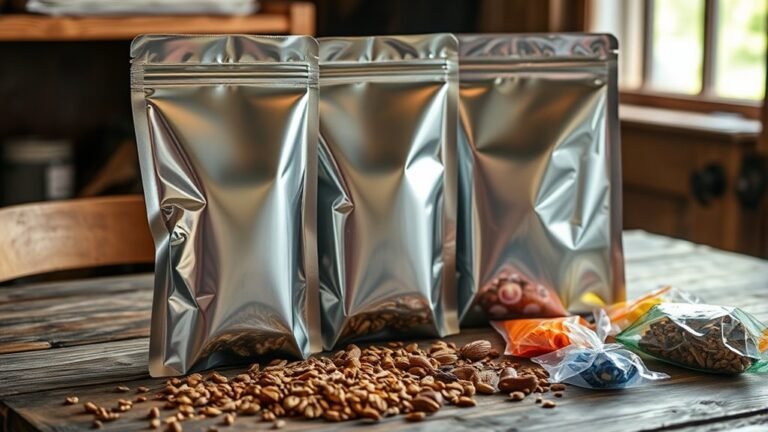
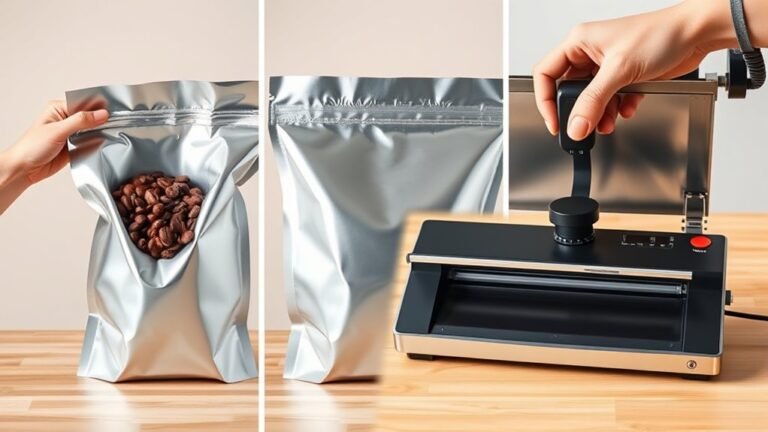
- Food-grade airtight packaging like vacuum sealing reduces oxygen exposure, slowing spoilage and preserving flavor and nutrients.
- Moisture-barrier materials, such as laminated films or foil-lined pouches, prevent water vapor transfer. This helps avoid freezer burn and mold growth.
- Light-blocking packaging with opaque or UV-protective films shields sensitive nutrients like vitamin C and unsaturated fats from degradation.
Matching packaging to your preservation method, like freezer-safe films for freezing, ensures optimum protection. It also extends shelf life effectively.
Modified Atmosphere Packaging
Packaging materials do more than just block oxygen, moisture, and light—they can also actively control the atmosphere inside your food packages. Modified Atmosphere Packaging (MAP) replaces some air with a carefully balanced mix of gases. Usually, it lowers oxygen and increases carbon dioxide to slow down spoilage and microbial growth.
By reducing oxygen, MAP inhibits aerobic bacteria and oxidation. At the same time, higher carbon dioxide disrupts microbial activity. Different foods need different gas mixes—fresh-cut produce often uses low oxygen and high carbon dioxide to reduce respiration.
Meats require other balances to maintain color and freshness. The packaging’s gas permeability is essential so oxygen and carbon dioxide levels can adjust as the food’s metabolism changes. Remember, MAP works best when combined with cold storage to keep your food fresh longer.
Barrier Properties Importance
While choosing the right packaging materials, you need to assess their barrier properties carefully. These properties slow down moisture, oxygen, and light transfer. And that’s key to maintaining food quality.
You can imagine the impact of each barrier like this:
- Oxygen Barrier: Prevents oxidation and rancidity. This is especially important for fats and cut or oil-rich foods.
- Moisture Barrier: Limits water vapor. That helps reduce dehydration and spoilage linked to surface moisture.
- Light Barrier: Protects light-sensitive compounds by using opaque layers or UV-blocking films. This keeps the food fresher for longer.
Tips to Maximize Shelf Life and Prevent Foodborne Illness
You should always choose preservation methods that inhibit microbial growth, like cold pasteurization, to delay spoilage and reduce risks such as sprouting or insect infestation.
Maintaining safe storage temperatures—especially for refrigerated or frozen foods—is essential. Lower temperatures slow microbial growth and extend shelf life.
Keep foods cold to slow microbes and keep your food fresher, longer.
Always handle food properly after preservation to avoid contamination. Remember, preservation slows growth but can’t fix unsafe practices.
When freezing green vegetables, blanch them first to reduce folate loss and maintain quality.
Follow safe thawing and reheating to prevent illness.
For high-risk foods, use validated processes like ionizing radiation or high-pressure processing. Then, store them under conditions that prevent microbial regrowth.
These steps help you maximize shelf life while keeping food safe to eat.
Frequently Asked Questions
Which Is Better for Food Storage?
Freezing is better for food storage because it retains nutrients and prevents spoilage longer. You’ll want to blanch vegetables first to preserve folate, ensuring your food stays fresh and nutritious over extended periods.
It’s pretty simple, really. Just a little prep before freezing can make a big difference in how tasty and healthy your food stays!
What Are the Five Main Functions of Food?
The five main functions of food storage are to inhibit sprouting, prevent insect infestations, and reduce spoilage.
It also helps delay ripening and extend shelf life. You’ll keep food safe, fresh, and high quality until you’re ready to eat it.
Pretty handy, right? Proper storage really makes a difference!
What Are the Top 10 Foods to Stockpile?
Think of your pantry as a treasure chest: stockpile rice, dry pasta, oats, beans, canned meat, peanut butter, dried fruits, vegetable oil, nuts, and salt.
These essentials fuel and flavor your meals when fresh food’s scarce.
It’s all about having what you need, right at your fingertips, so you’re never caught off guard.
What Is the 2 2 2 Rule for Food?
The 2 2 2 rule means you keep food for 2 weeks, have 2 ways to prepare it, and store 2 months’ worth of basics.
This helps you stay ready without overstocking or wasting food. It’s a simple way to manage your pantry smartly.
That way, you always have what you need, but not so much that things go bad. It’s all about balance and being prepared.
Conclusion
Now that you know how food storage works, you hold the key to keeping your food fresh and safe. Like a guardian protecting a treasure, your choices in preservation methods and packaging directly impact shelf life and nutrient quality.
Remember, every step you take to store food properly not only saves money but also safeguards your health. So, why settle for less when you can master the art of food storage and enjoy every bite with confidence?
Understanding the best ways to store food means you can reduce waste and maintain flavor. Whether it’s choosing the right containers or knowing the ideal temperature, each detail matters.
By focusing on effective food storage, you’re ensuring your meals stay nutritious and delicious longer. This knowledge empowers you to make smarter decisions that protect your food’s quality and your well-being. Embrace these simple yet powerful food storage tips, and you’ll never have to worry about spoiled or unsafe food again.