10 Food Containers You Must Label in Dry Storage
You should label at least ten dry storage containers, including those holding grains, spices, snacks, prepped ingredients, and portion-controlled foods. Labeling these containers is key to keeping your dry storage organized and safe.
Don’t forget allergen-containing items, reusable containers, and opened or repurposed packaging. These often get overlooked but are just as important to label clearly.
Always add receipt and expiration dates to keep things fresh and guarantee safety.
Avoid labeling chemical containers as food—that can cause serious mix-ups. Use durable, clear labels to prevent confusion and waste.
Keeping labels visible and updated will make your storage efficient and easy to manage.
There’s more to learn about best practices for labeling every container properly, so keep exploring!
Key Takeaways
- Label containers holding grains, snacks, spices, and prepped ingredients to prevent mix-ups and cross-contamination. This simple step can save you a lot of hassle later on.
- Always include contents, receipt date, and expiration date on all dry storage food containers. It keeps things clear and helps you stay on top of freshness.
- Clearly label allergen-containing foods with bright, visible allergen warnings to prevent accidental exposure. Safety first, right?
- Relabel reused containers with updated contents and dates to maintain accurate inventory and safety. Don’t just write once and forget it!
- Use durable, food-safe labels on all containers, including small or multi-item ones, for efficient organization and FIFO compliance. This way, everything stays neat and easy to find.
Which Dry Storage Containers Need Labeling?
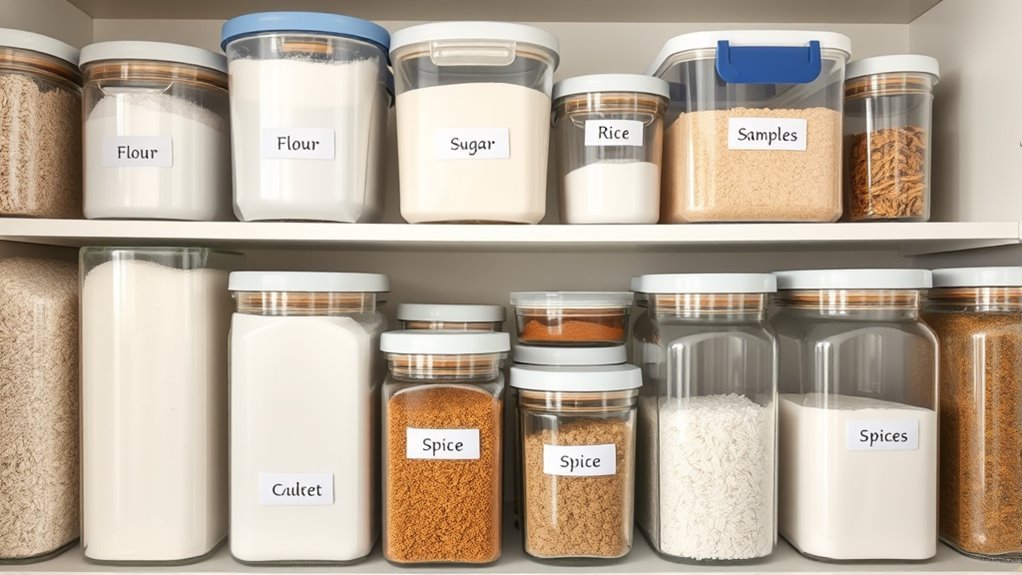
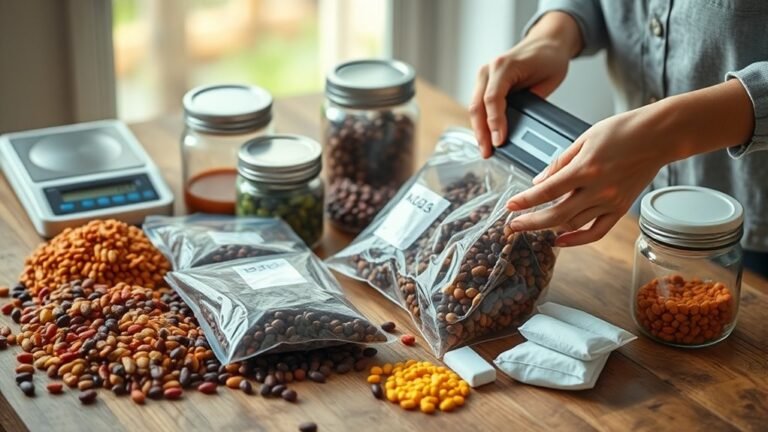
Although it might seem obvious, you should label every dry storage container holding food items like grains, snacks, and spices to prevent mix-ups and cross-contamination. When you use food storage containers for opened or prepped ingredients such as flour or sugar, always note the contents and the date.
This helps you keep track of inventory and guarantees freshness. Don’t forget to label containers that hold allergen-containing foods clearly; this reduces the risk of accidental exposure in shared storage areas.
Even non-food items stored in dry storage, like utensils or cleaning supplies, need labels to avoid confusion and maintain safety. If you reuse food storage containers for different items, make sure to update the labels every time to keep things clear.
Properly labeling all these containers helps you maintain an organized, safe, and efficient dry storage area. It might take a little extra time, but it’s worth it to keep everything running smoothly!
Why You Should Label Bulk Ingredients for Safety
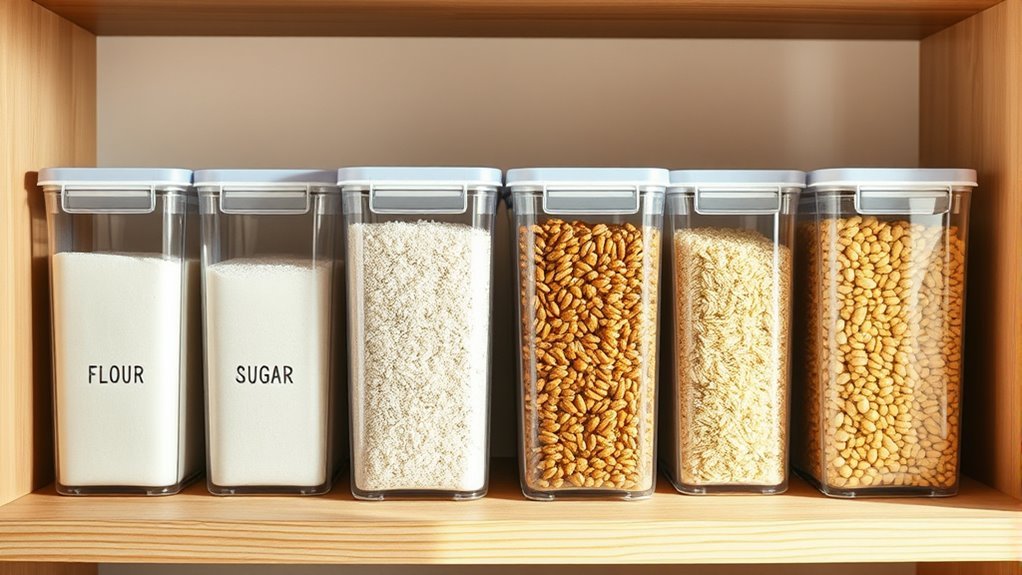
When you label bulk ingredients clearly and accurately, you reduce the risk of cross-contact and accidental mixing that can compromise food safety. Proper labels help you quickly identify each ingredient, especially during busy prep times. This prevents contamination and ensures allergens don’t get mixed in.
Using durable, food-safe labels with clear names and dates also supports FIFO practices. This helps you use older stock first and minimize spoilage and waste. Keeping things systematic like this keeps your dry storage organized and safe, so you avoid costly mistakes.
Plus, clear labels protect sensitive individuals by making allergen information unmistakable. By marking bulk ingredients properly, you create a safer kitchen environment and streamline your workflow. Don’t underestimate the power of labels—they’re essential tools that help you maintain food safety and quality every day.
Labeling Prepped and Portion-Controlled Foods
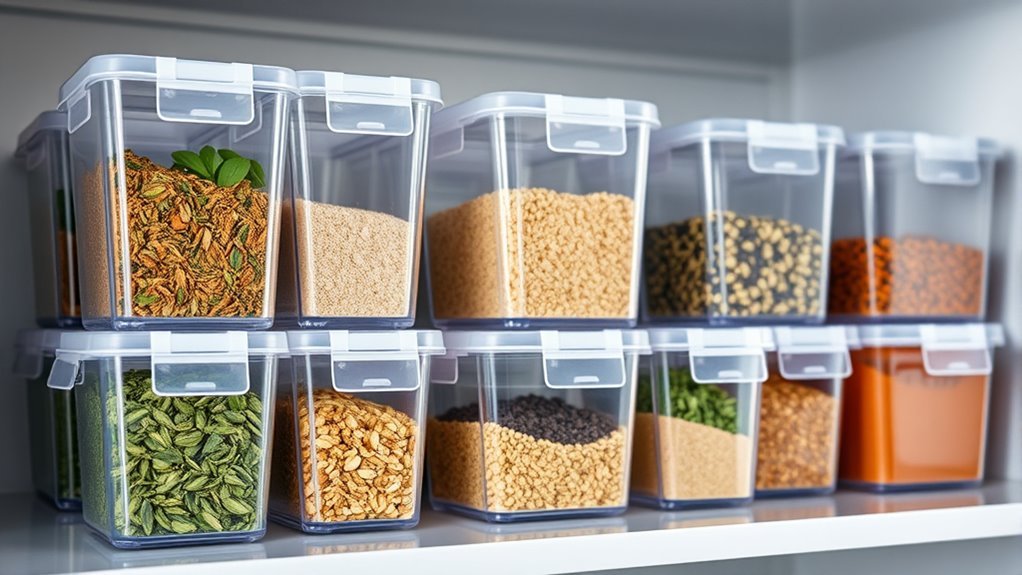
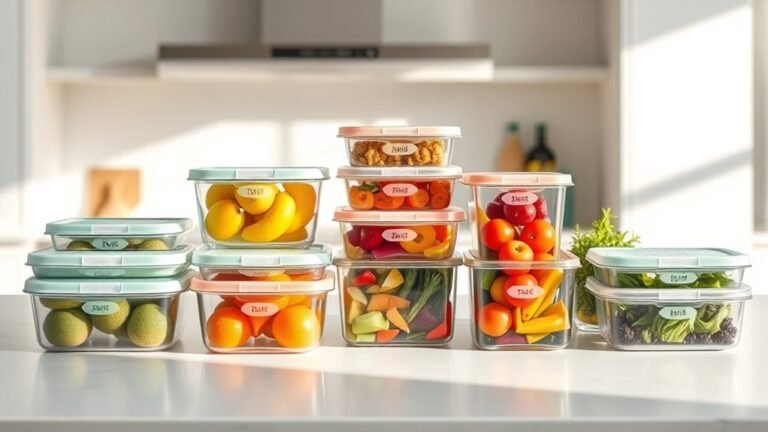
Since prepped and portion-controlled foods often move quickly through your kitchen, labeling them clearly with names, dates, and portion sizes keeps you organized and efficient. Labeling helps you apply proper FIFO (first-in, first-out) management, so you reduce waste and prevent spoilage.
Use durable, waterproof labels or markers that withstand refrigeration, freezing, and frequent handling during meal prep. Including portion sizes on labels supports portion control, nutritional tracking, and meal planning, making your kitchen operation smoother.
Proper labeling also allows for quick identification, improving organization and minimizing the risk of using expired ingredients. By consistently labeling prepped foods, you streamline your workflow and ensure safe, accurate use of ingredients.
Keeping your containers clearly marked with these details not only boosts efficiency but also helps maintain quality and safety throughout your prep process. It’s a simple step that makes a big difference in your kitchen!
Clearly Label Allergen-Containing Food Containers
To keep everyone safe, you should clearly label containers that hold allergen-containing foods with bright, easy-to-spot alerts. Using allergen labels with bold colors and clear allergy warnings helps prevent accidental exposure and allergic reactions.
Make sure each label specifies the exact allergen, so anyone handling or consuming the food knows the risk immediately. This clear communication reduces the chance of cross-contact or mix-ups with non-allergenic items, which is vital in busy kitchens or shared storage spaces.
Consistently applying visible allergen labels also supports food safety protocols and keeps your environment organized. When you prioritize labeling allergen-containing containers clearly, you protect everyone, from kitchen staff to customers, by minimizing the possibility of dangerous mistakes.
Labeling Opened and Repurposed Packaging
When you repurpose opened packaging, always label it with the contents, date received, and expiration date to keep things fresh and safe. Use durable labels that won’t fade or peel during handling and cleaning.
Tracking dates and contents clearly helps you stay organized and reduce waste. It makes finding what you need way easier, too. Just a little labeling goes a long way!
Clear Labeling Practices
Although repurposed and opened food packages might seem straightforward, clear labeling is essential to keep your dry storage organized and safe. When you use labels on these containers, you prevent cross-contact and avoid mistakenly using the wrong ingredients.
Always include the contents and the date you opened the package to help with inventory management and reduce waste. Properly labeling repurposed containers also eliminates confusion, especially when items are transferred from their original packaging.
Clear, legible labels improve safety and guarantee you meet food storage standards. Make sure your labels remain visible through regular handling and cleaning, so your dry storage stays efficient and contamination risks stay low.
Clear labeling practices are key to maintaining a safe and well-organized kitchen. It really makes a difference when you want everything easy to find and safe to use!
Label Durability Tips
Because labels on opened and repurposed containers face frequent handling and cleaning, you need durable, waterproof options that won’t fade or peel.
Ensuring label durability keeps your dry storage organized and prevents mix-ups.
Follow these tips for lasting labels:
- Use waterproof, laminated labels or tags that withstand washing and frequent use.
- Apply labels on clean, dry surfaces and let adhesives cure for 24 hours before exposure to moisture or heat.
- Choose markers made for plastics to write on plastic containers, resisting fading and peeling.
- Re-label regularly or use repositionable labels to easily update container contents when repurposing.
Date And Content Tracking
Durable labels keep your containers intact, but tracking the date and contents adds another layer of control to your food storage. Labeling opened or repurposed packaging with clear dates and content descriptions helps maintain food safety and supports efficient inventory management.
This practice prevents contamination, reduces waste, and guarantees you use ingredients within safe timeframes. Updating your labels consistently also simplifies FIFO rotation, avoiding expired or spoiled items in dry storage.
| Container Type | Label Content | Date Format |
|---|---|---|
| Repurposed Jar | Dried Herbs | MM/DD/YYYY |
| Opened Box | Flour | MM/DD/YYYY |
| Bulk Container | Rice | MM/DD/YYYY |
| Reused Canister | Sugar | MM/DD/YYYY |
| Bag | Baking Soda | MM/DD/YYYY |
Proper date and content labeling keeps your kitchen organized and compliant with food safety standards. It really makes managing your inventory easier and safer, so don’t skip this simple step!
Labeling Dry Goods and Spices to Prevent Mix-Ups
When you label dry goods and spices clearly, you prevent mix-ups that could lead to cooking mistakes or allergen risks. Using labels guarantees you easily identify ingredients, especially when items look alike, like different flours or spices.
Clear labeling of dry goods and spices prevents mix-ups and ensures safe, accurate ingredient identification.
To keep your labels effective, consider these tips:
- Use waterproof markers or laminated labels to keep names readable despite frequent handling and cleaning.
- Include common names on labels to avoid confusion during busy prep times.
- Apply labels consistently on all containers to maintain organization and efficiency.
- Update labels as needed to reflect the current contents, helping you avoid using spoiled or expired goods.
Labeling Containers With Expiration and Receipt Dates
You’ll want to label containers clearly with both expiration and receipt dates to keep track of freshness and use items in the right order. Always verify that the expiration date matches the receipt date to avoid using spoiled food.
It might sound a bit tedious, but trust me, it makes a big difference. Following these best practices helps you maintain food safety and reduce waste effectively.
Labeling Best Practices
Although it might seem tedious at first, labeling your food containers with both receipt and expiration dates plays an essential role in keeping your inventory organized and safe.
Here are some labeling best practices to follow:
- Use clear, durable labels that stay put on plastic containers, even after they run through the dishwasher or sit on the top rack.
- Always label containers when you store food, especially smaller containers or one container holding multiple items. This makes food safety super easy.
- Make sure containers are clean and dry before applying labels. A little bit of moisture can cause labels to fall off.
- Since containers are exposed to handling and temperature changes, date both receipt and expiration. This helps ensure FIFO management and keeps food safety tight.
Date Tracking Importance
Why does labeling containers with both receipt and expiration dates matter so much? When you track these dates on food containers, you guarantee that you use products while they’re fresh and reduce waste by following FIFO (first-in, first-out) methods.
This practice minimizes the risk of using expired food, which can threaten both safety and quality. Clear, consistent date labels help you manage inventory efficiently and quickly spot items nearing expiration.
Expiration Date Verification
Properly verifying expiration dates on food containers builds directly on tracking both receipt and expiration dates. When you label these dates clearly, you make it easier to follow the first-in, first-out (FIFO) method. This helps reduce waste and prevents the use of spoiled food.
To get this right, keep these points in mind:
- Always compare the manufacturer’s expiration date with the actual receipt date to set an accurate timeline.
- Label containers with both receipt and expiration dates using clear, visible tags.
- Regularly check and update expiration labels to catch any nearing use-by dates.
- Use labeled dates to quickly identify which items need to be used or discarded first.
Never Label Chemical Containers as Food
When you label chemical containers as food, you risk serious health hazards from accidental ingestion or contamination. Chemicals like sanitizers, detergents, and cleaning agents must never be stored with food or labeled as food. Doing so can lead to dangerous mix-ups that put health at risk.
Labeling chemicals as food risks dangerous contamination and accidental ingestion—never store or label chemicals as food.
Always store chemicals separately in secure, designated areas to keep them away from food and food-contact surfaces. This simple step goes a long way in preventing accidents.
Make sure each chemical container has a clear, proper safety label that communicates its hazards. Never reuse food containers for storing chemicals, as residual substances can contaminate food products later.
Proper labeling and storage prevent misuse and accidental exposure, keeping your storage area safe. Remember, clear distinctions between food and chemical containers protect everyone who handles or consumes your stored products.
Labeling Reusable Beverage and Snack Containers
When labeling your reusable beverage and snack containers, make sure the labels are durable enough to handle washing and daily use without fading or peeling.
Place the labels where they’re easy to see, like on the lid or side, to avoid mix-ups.
Including key info like names and dates helps keep things organized and safe, especially in busy or shared spaces.
Label Durability Importance
Because reusable beverage and snack containers face frequent washing and daily handling, you need labels that stay clear and intact over time. Durable labels prevent confusion and guarantee proper identification even after many washes.
They’re especially important in busy or child-friendly environments where peeling or fading labels can cause mix-ups or hygiene issues. Here’s why label durability matters:
- Waterproof and heat-resistant labels withstand dishwasher cycles and microwave use.
- Long-lasting labels prevent allergen cross-contact, maintaining safety.
- Durable labels hold up against moisture and constant handling without peeling.
- Eco-friendly, reusable labels support sustainability while staying tough.
Choosing strong labels helps you keep containers properly identified and hygienic. This reduces risks and saves time in dry storage management.
Container Identification Tips
Although labeling reusable beverage and snack containers may seem simple, using durable, waterproof labels or markers designed to withstand dishwasher, microwave, and fridge cycles guarantees your containers stay clearly identified.
Place labels on the outside, preferably on the lid or side, so you avoid confusion and spot them easily. Include details like contents, date, and allergy alerts to keep everyone safe.
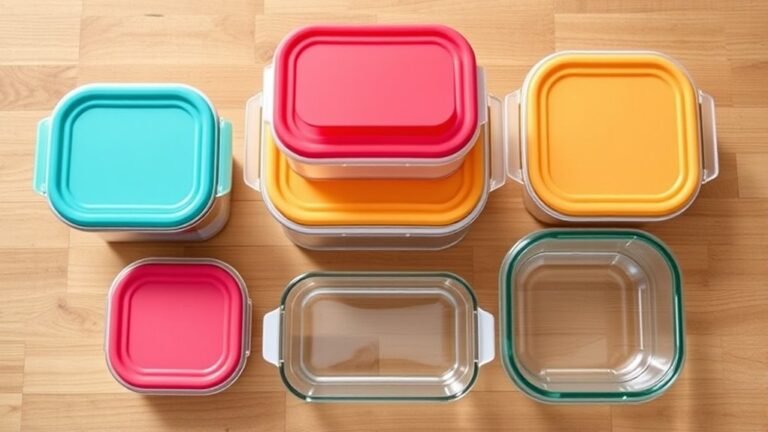
Color-coding by meal type, child, or purpose simplifies quick identification and cuts down mix-ups. Remember to check and refresh labels regularly to prevent fading or peeling.
How Durable Food Storage Labels Improve Organization and Reduce Waste
If you want to keep your kitchen organized and cut down on waste, durable food storage labels are essential. These labels stick through dishwasher, microwave, and refrigerator cycles, so they stay clear and readable for years.
Durable food storage labels keep your kitchen organized and reduce waste by lasting through dishwasher and microwave use.
When you can quickly spot what’s inside your containers, you avoid buying duplicates and wasting food. Plus, reusable, weather-resistant labels help you reduce trash and save money by cutting down on replacements.
Here’s how durable labels help you:
- Prevent losing items like snacks and water bottles, saving time and money.
- Maintain clarity and adhesion despite frequent washing and temperature changes.
- Improve organization by making it easy to identify contents in busy storage areas.
- Minimize food waste by ensuring you use items before they expire and avoid mix-ups.
Using these labels, you’ll streamline your kitchen and support eco-friendly habits effortlessly. It really makes keeping things tidy and waste-free a breeze!
Frequently Asked Questions
What Must Be on the Label of Foods in Dry Storage?
You must include the product name, date received, and expiration or best-by date on dry storage labels.
Also, add allergen warnings or special instructions when needed. This helps keep everything clear and safe.
Make sure labels stay durable for proper inventory management. That way, you can easily track what you have and when to use it.
What Type of Container Is Best for Storing Dried Foods?
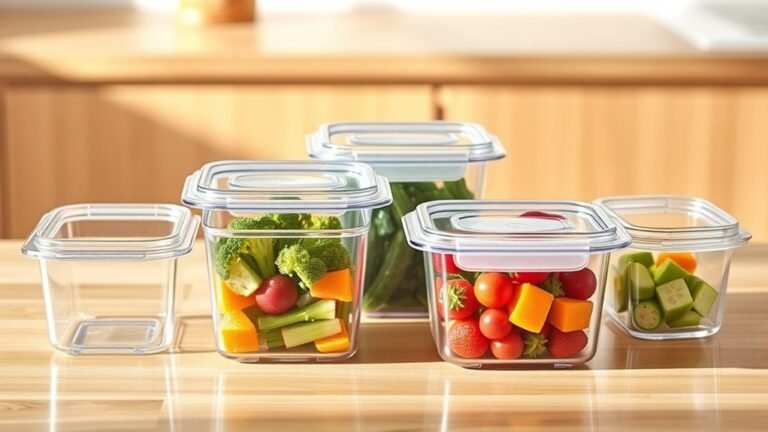
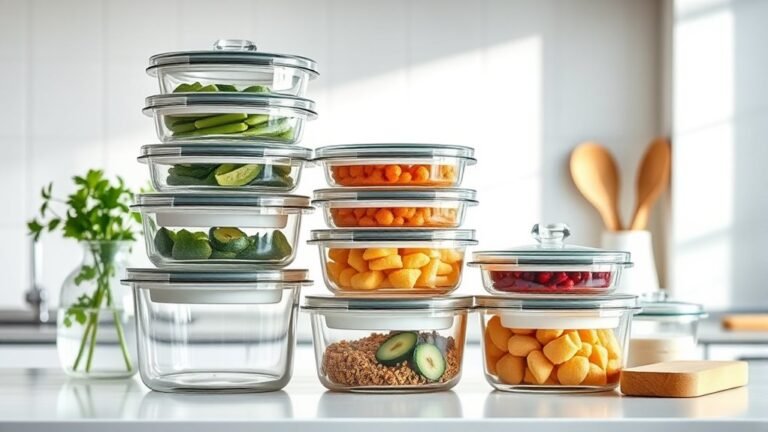
You’ll want airtight glass or plastic containers with silicone seals for storing dried foods. They keep freshness, prevent moisture, and are easy to clean.
Choose wide-mouth, stackable ones to save space and simplify access. It just makes life easier when you can grab what you need without hassle.
What Containers May Not Require a Label?
If the container’s a clear window to the contents inside, like transparent jars or original packaging, you don’t need to label it.
Non-food items or pre-labeled dry goods usually don’t require extra tags or marks. So, if you can easily see what’s inside, labeling isn’t always necessary. Easy, right?
What Are the Rules for Dry Food Storage?
You should store dry foods in airtight containers, label them with names and dates, and keep them off the floor at least six inches.
Also, maintain temperatures between 50ºF and 70ºF. Don’t forget to separate chemicals from food areas to keep everything safe.
Conclusion
Labeling your dry storage containers is like giving each ingredient a clear name tag at a busy party—it keeps everything organized and safe. By labeling bulk items, allergens, prepped foods, and opened packages, you prevent confusion and avoid waste.
Don’t forget to mark expiration dates and never mix chemicals with food containers. Using durable labels makes your kitchen run smoother, saving you time and effort every day.
Staying organized in dry storage is key to a safe and efficient kitchen. Proper labeling of food containers helps you quickly identify contents, track freshness, and avoid cross-contamination. It’s a simple step that prevents mix-ups and reduces food waste, making your kitchen both hassle-free and safe. So, make sure to label those containers clearly and consistently—your kitchen will thank you!