How to Safely Use Tupperware for Food Storage
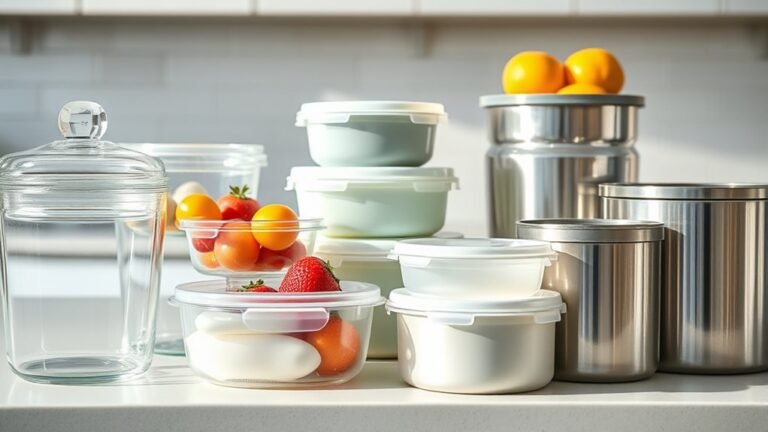
To safely use Tupperware for food storage, start by choosing BPA-free containers. This helps prevent harmful chemicals from leaching into your food. Also, make sure to replace any containers that are scratched or worn out to keep things safe.
When washing your Tupperware, use mild soap and avoid abrasive scrubbers. This keeps the surfaces intact and extends the life of your containers.
Be cautious about microwaving; only microwave containers labeled as microwave-safe. Otherwise, it’s best to avoid heating food in them.
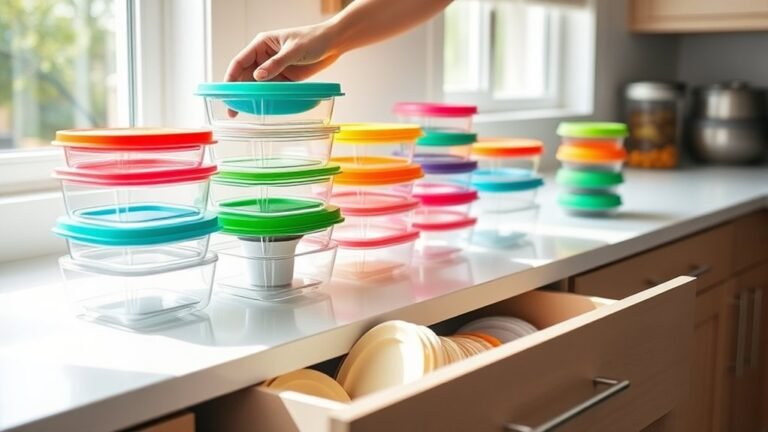
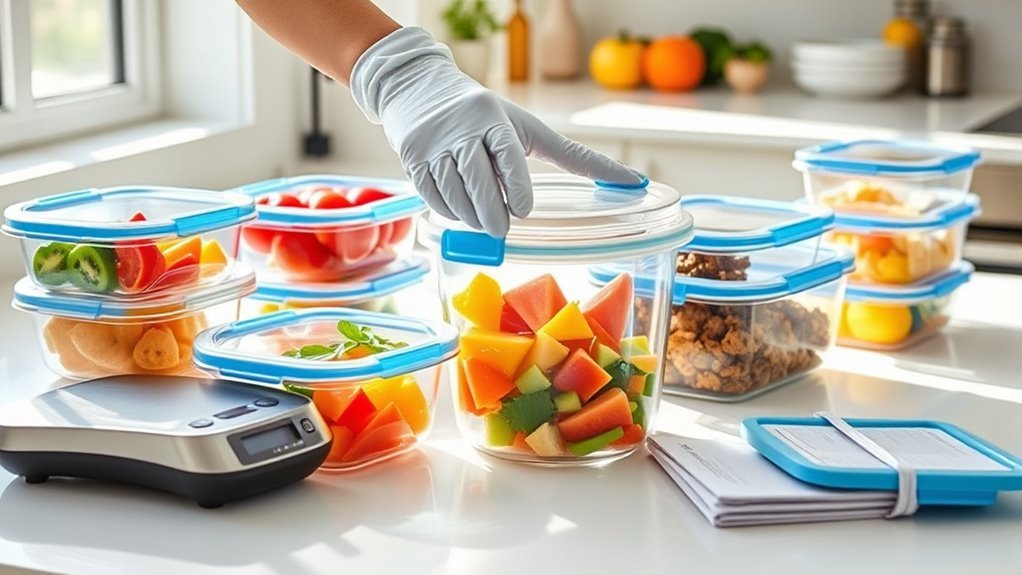
For storage, keep your Tupperware in cool, dry places with airtight seals. This helps maintain food freshness and prevents contamination.
Taking these simple steps protects both your food and your health. Keep exploring for more tips on maintaining freshness and making your Tupperware last longer!
Key Takeaways
– Use BPA-free Tupperware and replace old or scratched containers to minimize chemical risks.
It’s really important to keep an eye on your containers and swap them out when they start looking worn.
– Clean with warm, mild soap and avoid abrasive scrubbers to prevent damage and scratches.
Gentle cleaning helps your Tupperware last longer and keeps it safe for your food.
– Verify microwave safety labels before heating and transfer hot foods to microwave-safe containers.
Never assume all Tupperware is microwave-safe; checking the label can save you a lot of trouble.
– Store food in airtight-sealed Tupperware in cool, dry places to maintain freshness and safety.
Keeping your containers sealed tight and stored properly helps your food stay fresh and tasty.
– Regularly inspect containers for cracks, discoloration, or damage and discard compromised ones promptly.
If you spot any damage, it’s best to toss those containers out to avoid any health risks.
Understanding Tupperware Safety and BPA Concerns
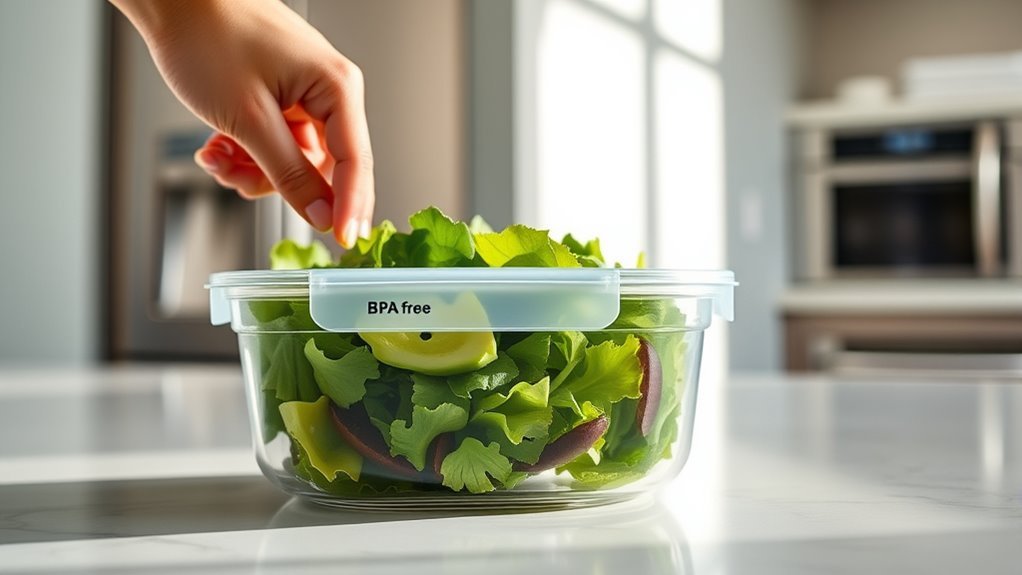
Although Tupperware has improved its materials over the years, you should still be aware of BPA and similar chemicals when using their containers. Older plastic containers from Tupperware may contain BPA, which can leach into food, posing health risks like hormonal disruption and heart issues.
Since 2010, Tupperware in the US and Canada offers BPA-free options, reducing chemical exposure during food contact. However, some newer products may contain BPA alternatives such as BPS, which also raise safety concerns.
To guarantee food safety, avoid using scratched or worn plastic storage containers, as damage increases the chance of leaching. Choosing BPA-free Tupperware and replacing damaged containers helps minimize chemical exposure and protect your health when storing food in plastic containers.
Best Practices for Cleaning, Using, and Storing Tupperware
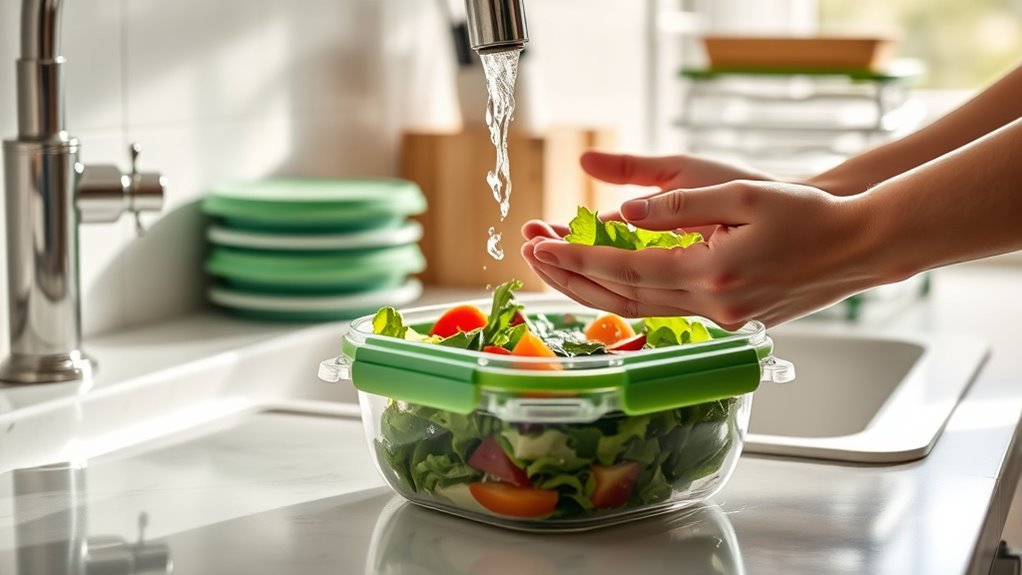
When you clean and use Tupperware properly, you can extend its lifespan and keep your food safe. Always wash your plastic containers with warm, mild soap and avoid abrasive scrubbers to prevent scratches that increase chemical leaching.
Never microwave Tupperware that isn’t labeled microwave-safe. Instead, transfer hot foods to glass or ceramic containers. It’s a simple way to avoid damaging your Tupperware and keep your food safe.
Regularly check your containers for discoloration, cracks, or any damage. If you notice wear, it’s best to discard those containers to avoid chemical exposure and bacterial growth.
For effective food storage, use containers with airtight seals. Store them in cool, dry places to keep your food fresh and safe.
Also, avoid reusing single-use or older Tupperware since they might contain harmful chemicals. Opt for BPA-free options instead to minimize health risks.
Following these steps helps ensure your Tupperware stays safe and lasts a long time. It’s worth the little extra care!
Frequently Asked Questions
Is It Safe to Use Tupperware to Store Food?
Yes, you can safely use Tupperware to store food if you choose BPA-free containers labeled 1, 2, 4, or 5.
Just make sure to avoid older or scratched ones. Also, it’s best not to store hot or acidic foods in questionable plastic.
How Can I Tell if My Tupperware Is Bpa-Free?
You can tell if your Tupperware is BPA-free by checking the bottom for a BPA-free label or recycling codes #2, #4, or #5.
Avoid code #7, as it might contain BPA.
If you’re unsure, just contact the manufacturer for confirmation. They can give you the most accurate info.
Is a 20 Year Old Tupperware Safe to Use?
You wouldn’t want your Tupperware to release a chemical storm! A 20-year-old Tupperware might not be safe if it’s cracked or contains BPA.
Inspect it carefully, but it’s smarter to switch to modern, BPA-free containers. It’s just better to be safe than sorry!
Does Using Plastic Tupperware Give You Microplastics?
Yes, using plastic Tupperware can release microplastics, especially if it’s old, scratched, or heated.
To reduce risk, avoid microwaving, replace damaged containers, and opt for safer materials like glass when possible.
Conclusion
Using Tupperware safely is like tending a garden—you need the right care to keep everything fresh and healthy. Always check for BPA-free labels and clean your containers thoroughly.
Avoid microwaving unless your Tupperware is specifically labeled microwave-safe. Storing your Tupperware properly helps prevent damage and contamination.
By following these simple steps, you’ll protect your food and your health. This ensures your meals stay as vibrant and safe as the day you packed them. Safe Tupperware use is key to maintaining food freshness and overall health, so make these habits part of your routine!