How to Start Food Storage in 3 Easy Steps
Start by evaluating your household’s food needs. Consider how many members are in your family, their food preferences, and the amount of storage space you have available. This will help you tailor your food storage plan effectively.
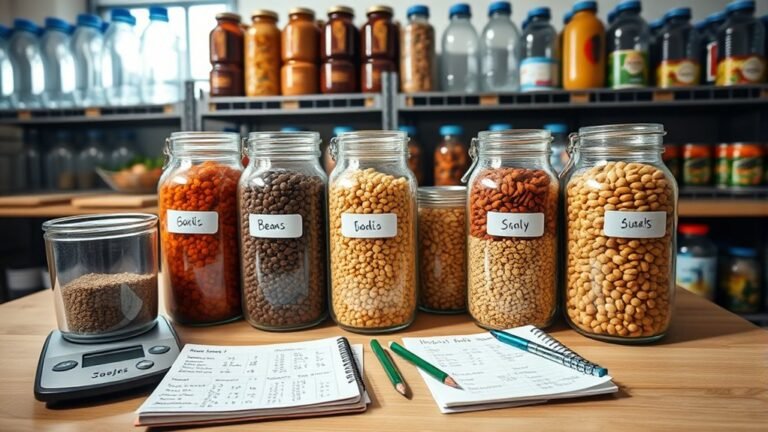
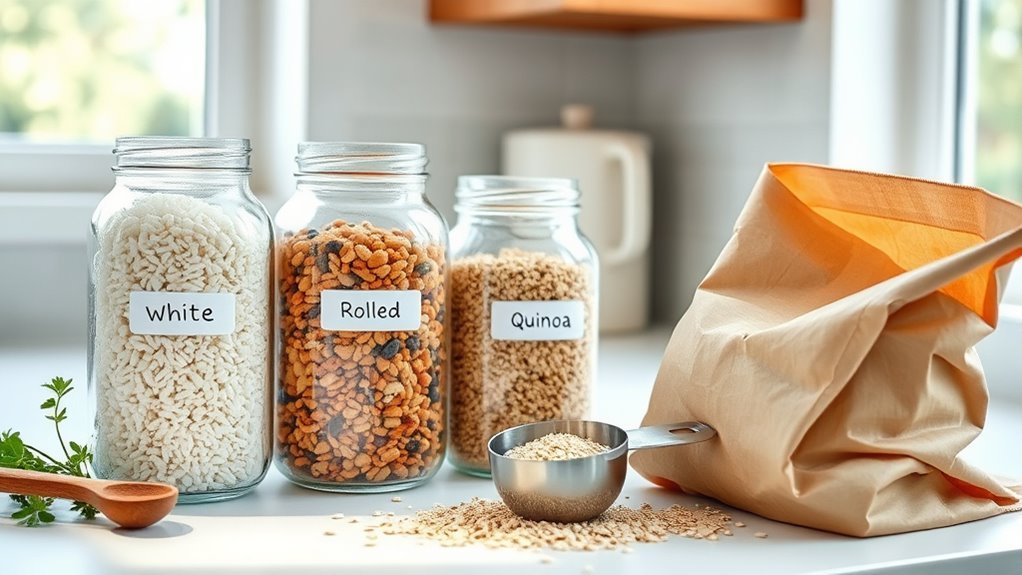
Next, plan and purchase long-lasting staples like rice, beans, and flour in bulk. Make sure to store them in airtight containers to keep your food fresh and safe from pests.
Finally, organize your supplies with clear labels and rotate them regularly. Use older items first to prevent waste and keep your stock fresh.
With these simple steps, you’ll build a solid foundation for efficient and safe food storage that meets your family’s needs. Starting food storage doesn’t have to be complicated—it’s all about planning and consistency.
Key Takeaways
- Assess your household size, dietary needs, and storage space to determine the amount and types of food to store.
- Choose long-lasting staples like rice, beans, and flour. Buy them in bulk using airtight, pest-proof containers.
- Label all foods with purchase and expiration dates. This helps organize and rotate your stock efficiently.
- Store food in a cool, dry, dark place. Doing this maximizes shelf life and prevents spoilage.
- Regularly check your inventory. Use older items first, and replenish supplies to keep your food storage fresh and safe.
Assess Your Household Food Needs
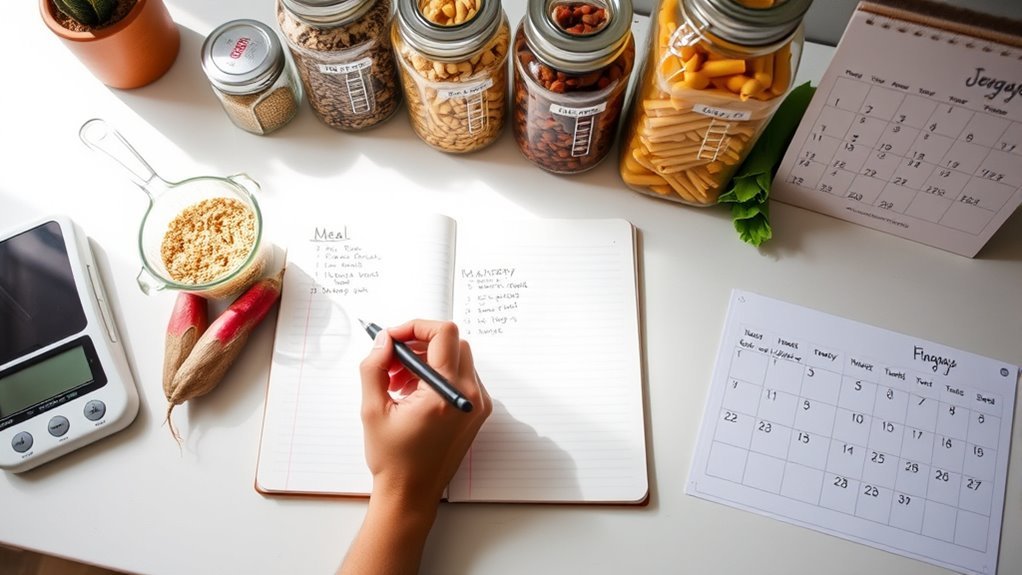
Before you begin storing food, assess your household’s needs by counting the number of people and understanding their daily nutritional requirements. Start by reviewing your family’s current consumption habits and favorite staples to pinpoint which foods should fill your storage.
Don’t forget to consider special dietary needs, allergies, or preferences to ensure your food requirements align with everyone’s health. Next, estimate weekly and monthly consumption to avoid overstocking or shortages.
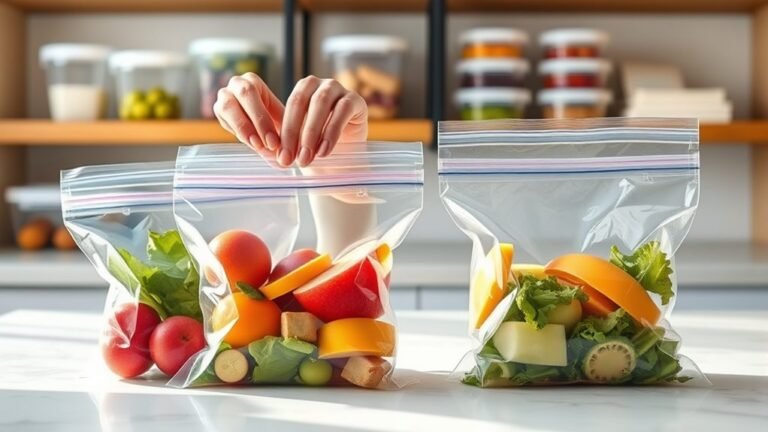
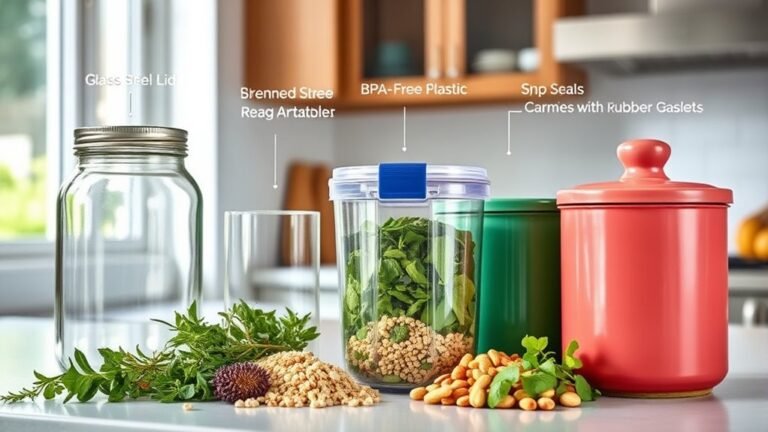
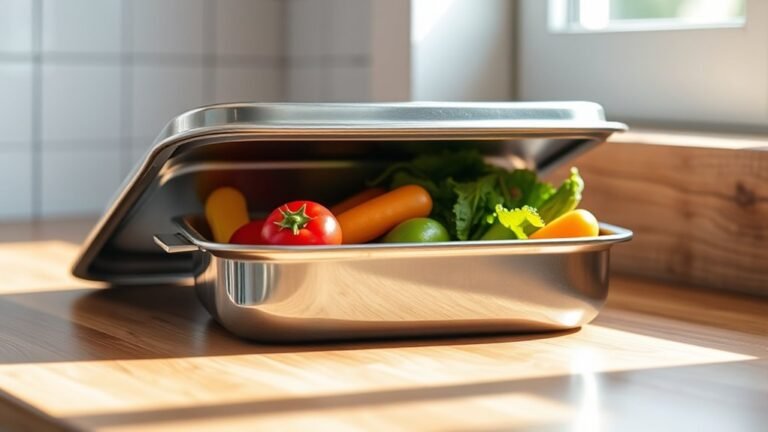
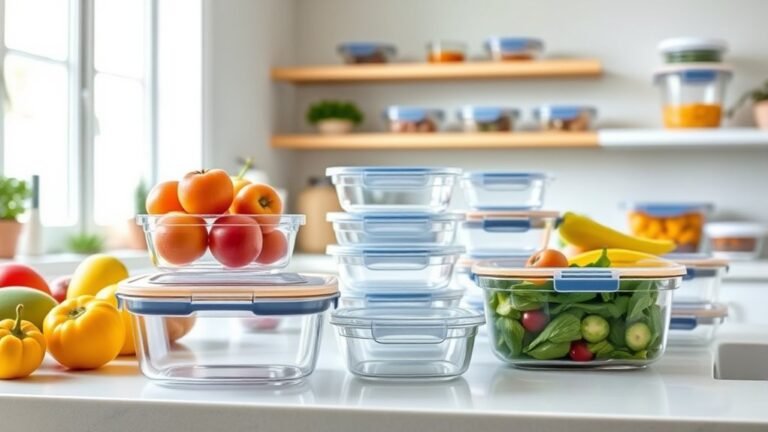
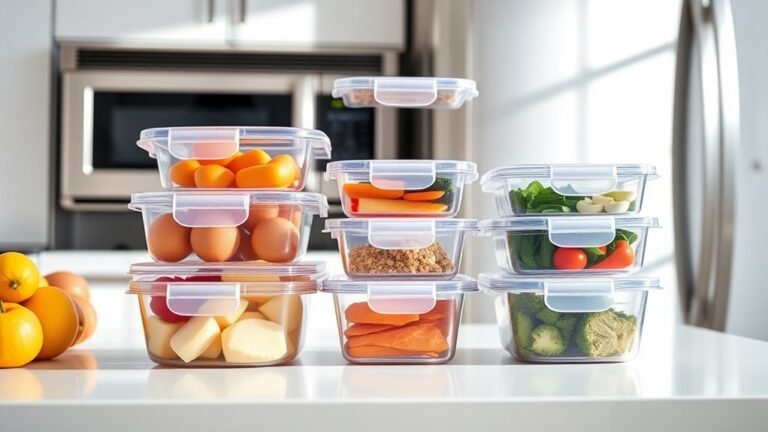
Take a close look at your available space, as it influences the preservation methods and containers you’ll use. Proper containers help maintain freshness and maximize storage efficiency.
Plan and Purchase Long-Lasting Staples
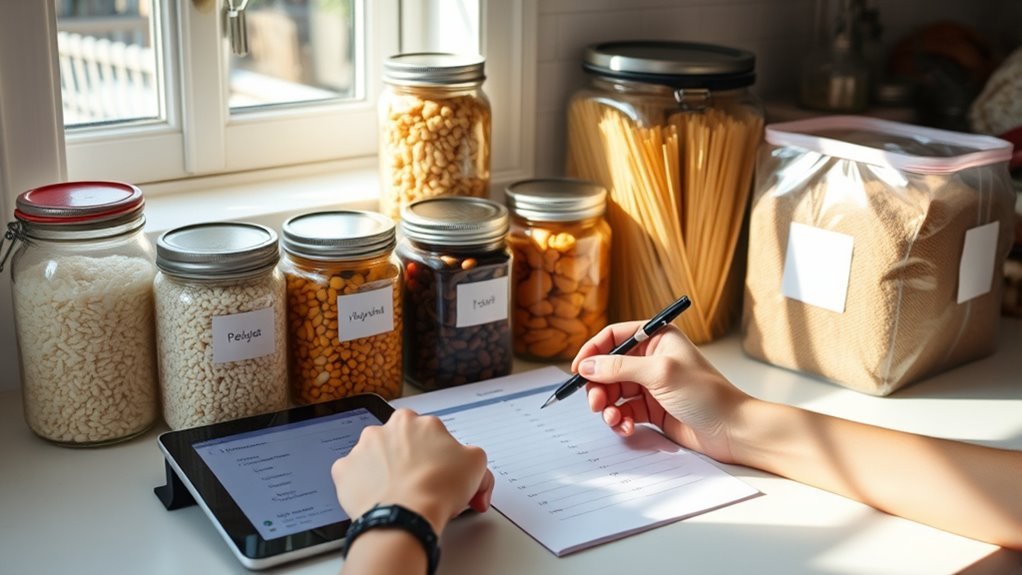
Once you know your household’s needs, focus on selecting long-lasting staples like rice, beans, wheat, and flour. These can stay fresh for years when stored properly.
Build your food storage plan around these essentials. Buying in bulk purchase deals can save you money and help secure your food supply.
Use airtight containers or gamma seal buckets to store food in a cool, dry place. This can extend shelf life and prevent pests.
Be sure to track purchase and expire dates carefully. Doing this helps maintain freshness and supports future food rotation.
| Staple | Storage Life (Years) | Recommended Containers |
|---|---|---|
| Rice | 25-30 | Airtight containers, buckets |
| Beans | 10-15 | Airtight containers |
| Wheat | 20-30 | Gamma seal buckets |
| Flour | 5-8 | Airtight containers |
Organize and Rotate Your Food Storage
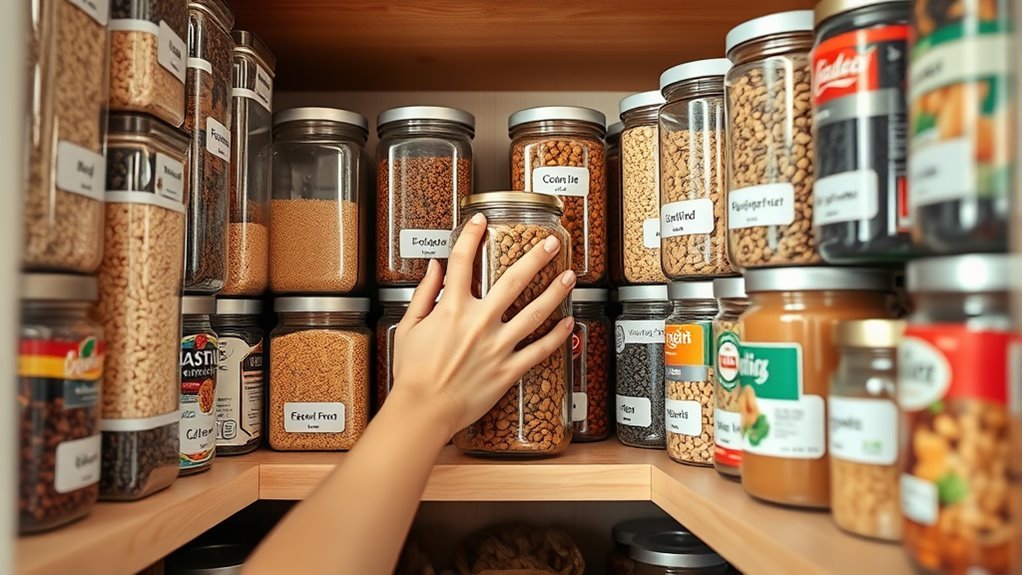
Although storing your food properly is essential, organizing and rotating your food storage guarantees nothing goes to waste. Start by labeling all containers with purchase and expiration dates to simplify food rotation.
Store older items in front and newer ones in back, so you use the oldest stock first. Keep foods in airtight, pest-proof containers placed in a cool, dry, dark area to maximize long shelf-life and maintain food safety.
Regularly review your inventory, checking for expired or spoiled items, and plan meals around foods nearing expiration. Develop a routine to rotate your stock, integrating used items into meals and replenishing with fresh supplies.
This approach assures your storage stays current, safe, and efficient, preventing waste while maintaining quality. It really makes managing your food storage a whole lot easier.
Frequently Asked Questions
How to Start a Food Storage?
You start food storage by evaluating your family’s needs. Then, begin buying staple non-perishables gradually.
Make sure to store them airtight in a cool place. Label each container with dates to keep track.
Keep an inventory so you can rotate and replenish regularly. This helps maintain freshness and variety.
What Should I Stock up on if WW3 Happens?
If WW3 happens, stock up on long-lasting staples like rice, beans, canned veggies, protein sources, and high-calorie foods.
Don’t forget water, salt, sugar, cooking oil, and multi-purpose tools to stay nourished and prepared.
These basics will help you get through tough times. It’s all about being ready and keeping things simple.
What Is the 2-2-2 Rule for Food Storage?
Imagine your pantry stocked with two weeks’ worth of meals, two servings twice daily.
That’s the 2-2-2 rule: prepare two months of essentials, keep it fresh, and stay ready for anything life throws your way.
What Are Three Methods of Storing Food?
You can store food by canning, drying, or freezing. Canning seals and heats food, drying removes moisture, and freezing slows spoilage.
Combining these methods helps you preserve different foods effectively for longer periods. It’s pretty handy to know a few tricks, right? That way, you can keep your food fresh and tasty for much longer!
Conclusion
Starting your food storage doesn’t have to feel like climbing a mountain. By evaluating your household needs, planning smart purchases, and organizing with rotation in mind, you’ll build a reliable pantry that stands the test of time.
Remember, a well-stocked food storage is like a safety net—ready to catch you when life throws a curveball. Take these simple steps today, and you’ll be prepared for whatever tomorrow brings.
When you start food storage, focus on what your family eats daily and buy accordingly. Rotate your stock regularly to keep everything fresh and avoid waste. With consistent effort, your food storage will become a dependable resource.
Building your food storage is easier than you think. By starting small and staying organized, you can create a solid foundation that supports your household in emergencies or busy times. So, why wait? Begin your food storage journey now and enjoy the peace of mind that comes with being prepared.