How to Use Acrylic Safely for Food Storage
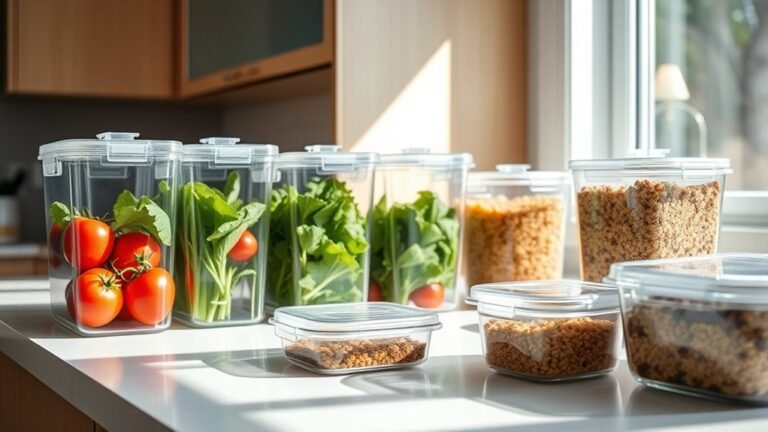
To use acrylic safely for food storage, it’s important to handle your containers with care. Always wash them by hand using mild soap and lukewarm water. Avoid harsh scrubbers that might scratch the surface.
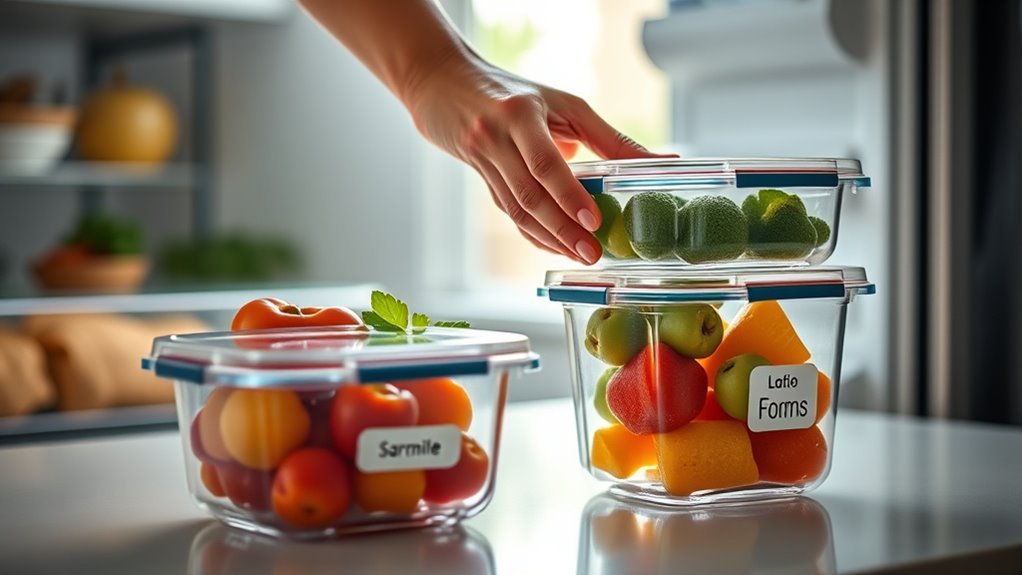
Let your acrylic containers dry completely to prevent any mold growth. Store dry, non-perishable items in a cool, dry place away from heat or direct sunlight. This helps keep your food fresh and your containers in good shape.
Try to avoid storing hot, oily, or moist foods in acrylic for long periods because it’s best suited for short-term use. Keep an eye out for any cracks or scratches, as these can affect both safety and clarity.
Taking these simple steps will help keep your acrylic food storage containers safe and looking great. There’s always more to learn about maintaining them, so stay curious!
Key Takeaways
– Hand wash acrylic containers with mild soap and lukewarm water. Avoid abrasive materials to prevent scratches and keep them clear.
It’s best to be gentle to maintain that nice look.
– Store acrylic containers in a cool, dry place away from direct sunlight and heat. This helps avoid warping and damage.
Keeping them out of the sun really makes a difference.
– Use acrylic containers only for short-term storage of dry, non-perishable foods. This helps prevent mold and bacterial growth.
They’re not ideal for long-term or wet food storage.
– Thoroughly dry acrylic containers after washing. This prevents moisture buildup and potential contamination.
A little extra drying goes a long way in keeping things safe.
– Regularly inspect containers for cracks or scratches. Replace any damaged ones to ensure food safety.
Safety first, right? Cracks can be a real problem.
Best Practices for Maintaining Acrylic Food Containers
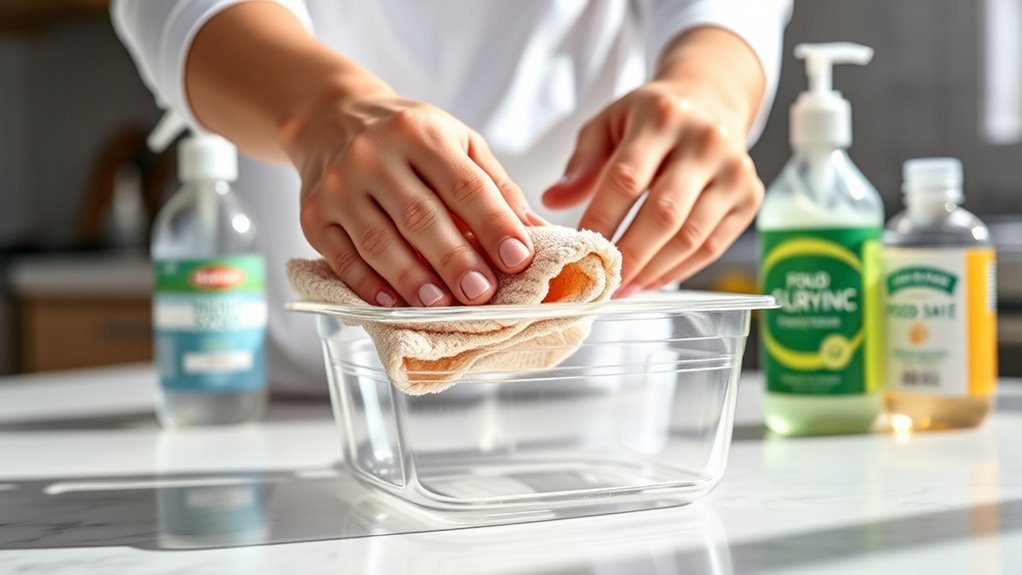
When you hand wash acrylic food containers with mild dish soap and lukewarm water, you help prevent scratches and keep them clear. Proper hand washing is essential for acrylic food storage to avoid damage from abrasive sponges or harsh chemicals that can dull plastic containers.
Hand washing acrylic containers with mild soap and lukewarm water prevents scratches and keeps them clear.
Focus on gentle cleaning and maintenance to preserve airtight food storage quality, especially when storing dry goods. After washing, let your food storage containers air dry completely to prevent moisture buildup and mold growth.
Regularly inspect your containers for any cracks or scratches, as these can harbor bacteria or weaken the material. Also, store your acrylic containers away from direct sunlight and high heat to avoid warping and maintain their structural stability.
That way, you ensure long-lasting, safe use of your containers. Taking these simple steps really makes a difference in keeping your acrylic food containers in great shape!
Avoiding Common Risks and Ensuring Food Safety
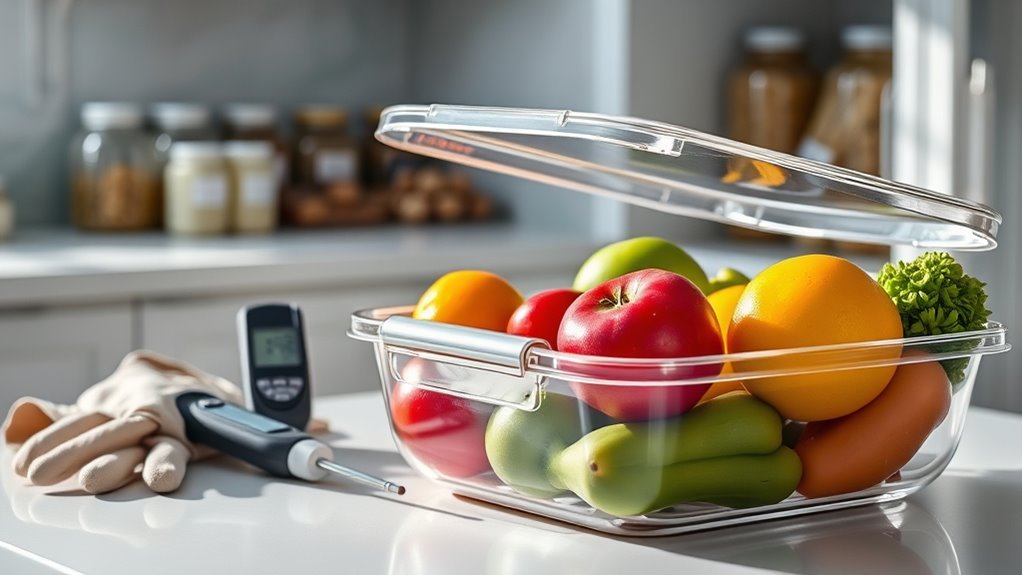
Maintaining your acrylic containers properly helps prolong their use, but understanding their limitations keeps your food safe. Acrylic containers are best suited for short-term storage of dry goods.
Since they don’t prevent mold growth or spoilage, avoid storing hot or oily foods that can warp or degrade the material. To prioritize food safety, always choose BPA-free plastic labeled as food-grade acrylic.
Proper cleaning and thorough drying after each use are essential for mold prevention and maintaining a hygienic environment. Remember, trapped moisture encourages mold buildup, so don’t leave food in acrylic containers for extended periods.
Frequently Asked Questions
Is It Safe to Store Food in Acrylic?
Yes, you can safely store dry, non-perishable foods in acrylic containers. Just avoid storing oily or perishable items.
Make sure to clean them properly, too. And keep them away from heat to prevent warping and mold growth over time.
Does Acrylic Plastic Leach Microplastics?
You won’t find acrylic raining microplastics into your food like a plastic storm!
Acrylic plastic doesn’t leach microplastics under normal use, so you can store food confidently without worrying about tiny harmful particles sneaking in.
Is There a Food-Safe Acrylic Sealer?
Yes, you can use food-safe acrylic sealers that are FDA-approved and non-toxic. Just make sure you choose water-based, odorless options labeled food-grade.
And don’t forget to follow the application instructions carefully to keep your food safe. It’s pretty straightforward once you get the hang of it!
What Is the Safest Plastic for Food Storage?
The safest plastics for food storage are BPA-free and include polypropylene (code 5) and polyethylene (codes 2 and 4).
Always check recycling codes and labels to guarantee the plastic won’t leach harmful chemicals into your food.
It’s a good habit to be cautious, right? Staying informed helps keep your food safe.
Conclusion
To use acrylic safely for food storage, you’ll want to clean containers thoroughly and avoid harsh chemicals. Keeping them away from extreme heat is also important. This helps prevent contamination and maintain durability.
Make sure to handle containers gently and store foods properly. It’s a good idea to check for cracks regularly to ensure your containers stay safe to use.
By following these steps, you’ll protect your health, extend the life of your acrylic containers, and enjoy fresh food every time. Staying mindful about cleaning, storage, and maintenance will keep your food safe and your containers in great shape. Remember, using acrylic safely for food storage means you can confidently enjoy fresh, tasty meals while preserving the quality and safety of your food. Stay safe and store smart!