How to Start Food Storage in 5 Easy Steps
To start food storage, first set clear goals based on your family’s calorie needs. Aim for a 30-day supply of long-lasting, nutritious foods to ensure you’re well-prepared for any situation.
Next, plan balanced meals using familiar items like rice, beans, and canned vegetables. These staples are not only affordable but also easy to store and cook.
Organize your inventory by noting expiration dates and creating detailed shopping lists. This will help you keep track of what you have and what you need.
Buy extra items gradually, focusing on non-perishables that fit your budget. Don’t feel pressured to buy everything at once—building your food storage is a step-by-step process.
Finally, regularly check and rotate your supplies to keep everything fresh. Keep going to discover simple tips for managing your food storage effectively.
Key Takeaways
- Calculate your family’s calorie needs and set a 30-day food storage goal. Focus on long shelf-life, nutritious non-perishable items to make sure you’re covered.
- Plan balanced, familiar meals that include grains, proteins, dairy, fruits, and some comfort foods. This makes preparation easier and keeps meals enjoyable.
- Organize your inventory by type and keep track of quantities and expiration dates. You can use spreadsheets or apps to help manage everything efficiently.
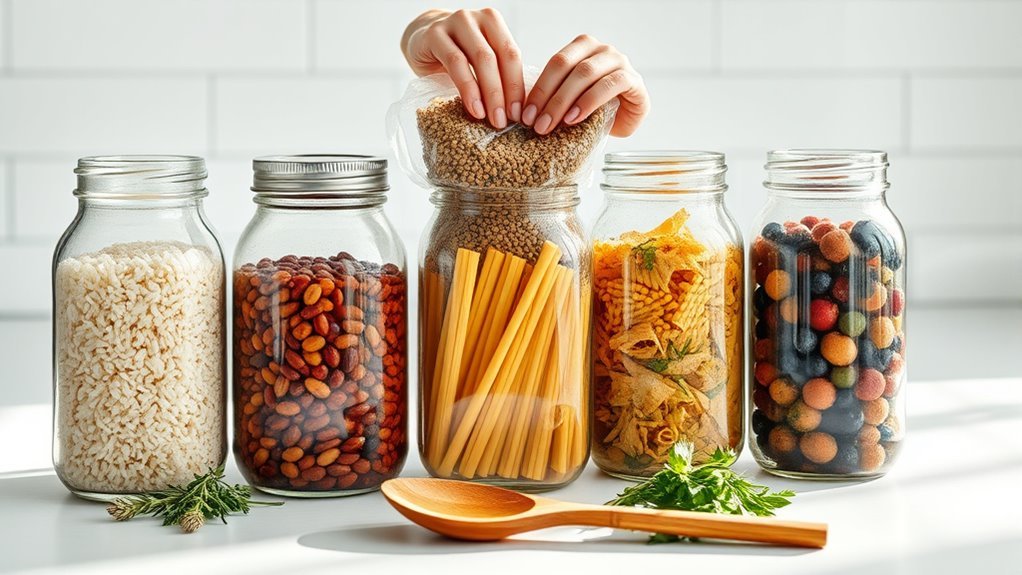
- Build your food stock gradually by buying extra items during each shopping trip. Use airtight containers to keep everything fresh for longer.
- Regularly review and rotate your supplies by checking expiration dates. Updating your inventory helps prevent spoilage and waste.
Set Clear Food Storage Goals
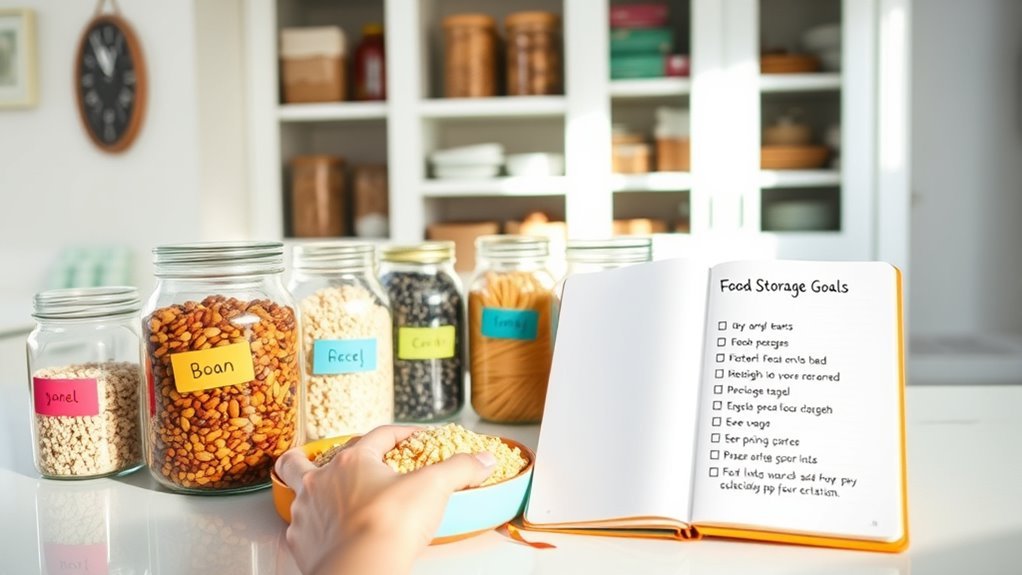
Before you begin storing food, you need to set clear goals based on your family’s daily calorie needs. Consider factors like age, size, and activity level to get an accurate estimate.
Start by calculating how many calories each person requires. This will help you establish realistic food storage goals.
Focus on non-perishable foods with a long shelf life and good nutritional value. Think rice, beans, canned vegetables, and dried fruits.
Create a storage plan that targets specific quantities, like a 30-day food supply. This ensures shelf stability and meets your family’s calorie needs.
Gradually increase your stock from one month to three or six months. Doing this boosts your emergency preparedness.
Plan Balanced and Familiar Meals
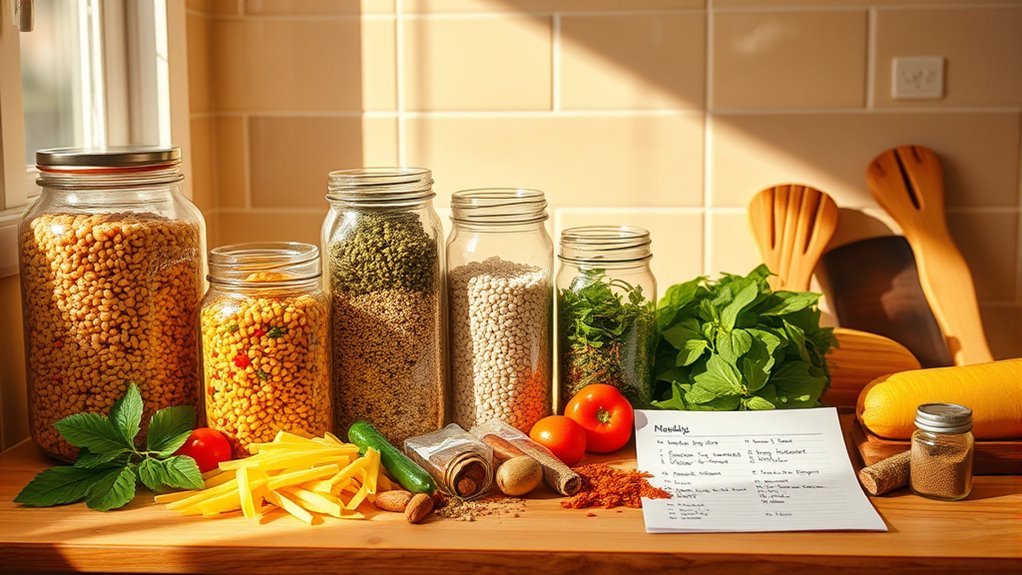
When emergencies strike, planning balanced and familiar meals helps you maintain nutrition and comfort. Focus your food storage plan on familiar foods like rice, beans, canned vegetables, and meats.
Aim for balanced meals by including grains, proteins, dairy, fruits, and vegetables. Choose items with a long shelf life that are easy to prepare and require minimal ingredients.
Incorporate comforting favorites like soups or mac and cheese to boost morale. Regular rotation of your pantry keeps foods fresh and ensures variety.
Here’s a simple meal planning guide to help you visualize balanced, nutritious meals:
| Food Group | Familiar Foods |
|---|---|
| Grains | Rice, pasta |
| Proteins | Beans, canned meats |
| Dairy | Powdered milk, cheese |
| Vegetables | Canned corn, green beans |
| Comfort Foods | Soups, stews, mac & cheese |
Organize Inventory and Shopping Lists
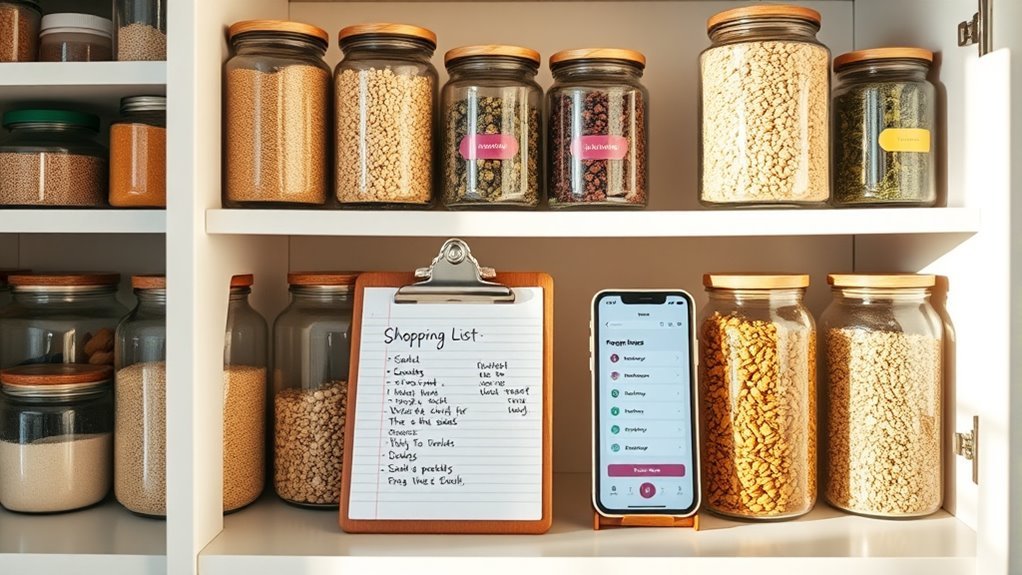
After planning balanced and familiar meals, you’ll want to keep track of your food supply to avoid running out or letting items expire. Start by creating a detailed food inventory that includes quantities and expiration dates.
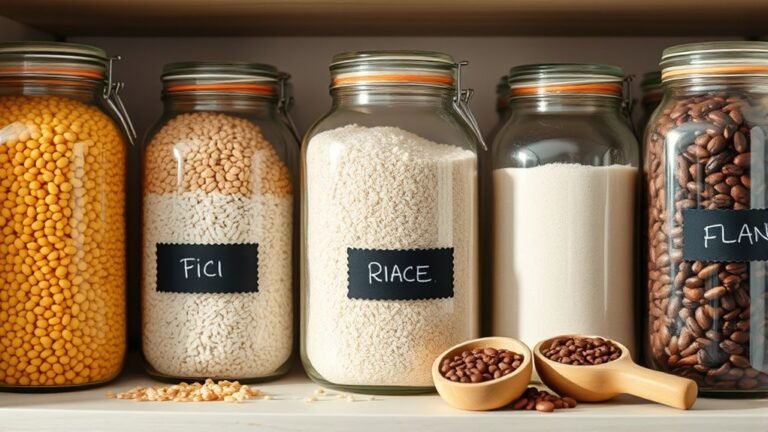
Use inventory tracking tools like spreadsheets or apps to update stock levels regularly and set reminders for replenishment. Categorize your food storage by type—grains, canned goods, dried fruits—to simplify both shopping lists and stock management.
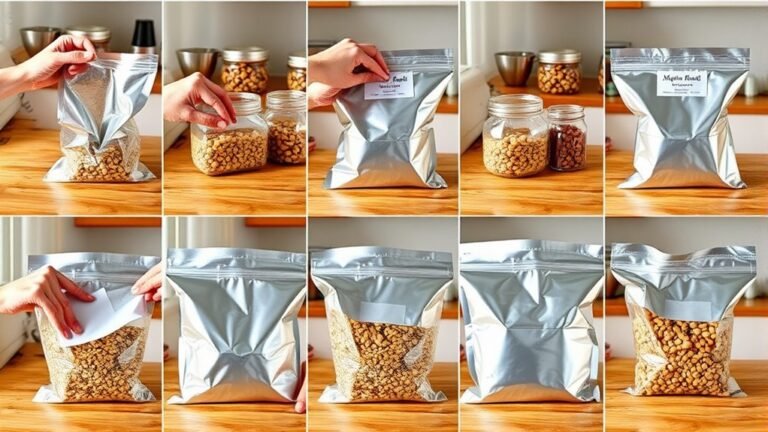
Clearly label all items with purchase and expiration dates to prevent waste and support safe food organization. Each time you shop or use food, update your inventory promptly.
This system helps you maintain accurate records, streamline food inventory checks, and make informed shopping lists. It ensures efficient food storage and minimizes spoilage.
Purchase Foods Gradually and Budget Wisely
Though building a food stockpile may seem overwhelming, you can start by purchasing one or two extra items each shopping trip to gradually grow your supplies without straining your budget. Focus on familiar, non-perishable foods to guarantee your emergency supplies are both useful and waste-free.
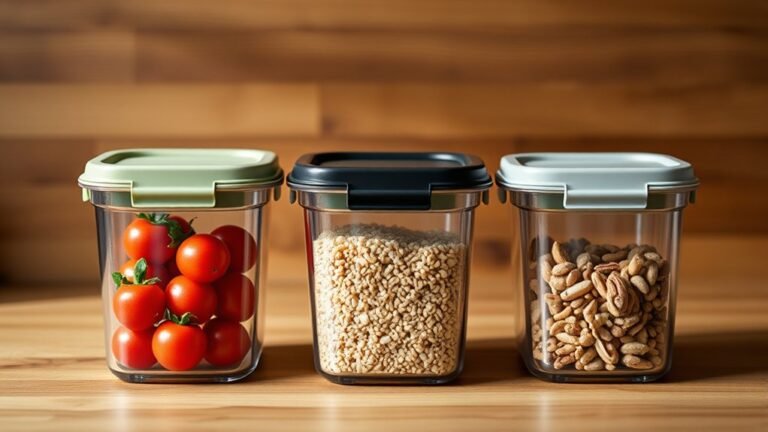
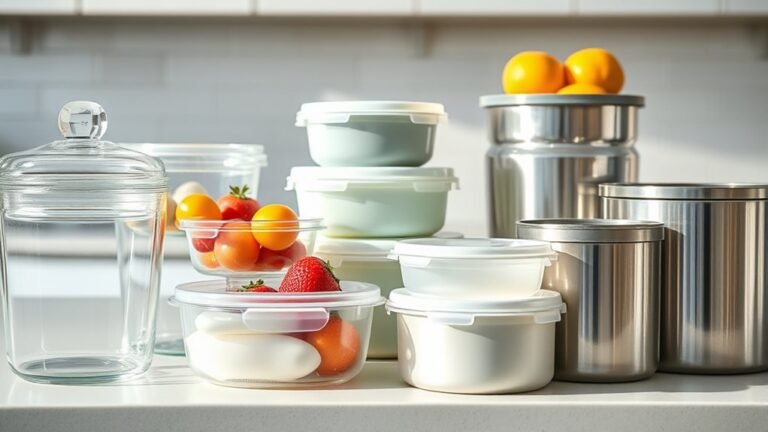
Buying bulk food during seasonal sales helps you save money and build long-term food storage efficiently. Use storage containers to keep your food pantry organized and fresh.
- Set a monthly budget of $20 to $50 for steady accumulation
- Prioritize staples like rice, beans, and pasta
- Take advantage of bulk food deals from warehouse clubs or online shops
- Store items in airtight storage containers for longevity
This budget-friendly approach makes saving for emergencies manageable and stress-free. Just take it one step at a time!
Regularly Review and Rotate Supplies
To keep your food supplies fresh and usable, you’ll want to review and rotate them regularly. Start by checking expiration dates and using older items first to prevent spoilage.
Maintain an inventory list to track stock levels and plan when to replenish supplies. Conduct monthly or quarterly audits of your storage area to ensure proper food rotation and spoilage prevention.
Use calendar reminders to update your inventory and audit storage for maximum freshness. It’s all about staying on top of things so nothing goes to waste.
| Task | Purpose |
|---|---|
| Check expiration | Prevent spoilage and waste |
| Audit storage area | Ensure proper storage |
| Update inventory | Manage supplies and reorder |
Regular review and inventory management keep your food storage effective and fresh. Just a little effort regularly makes a big difference!
Frequently Asked Questions
How to Start a Food Storage?
You start food storage by setting a small goal, like one month’s supply. Buy extra staples each trip, track inventory, focus on familiar foods, and gradually build your stock while rotating items to keep everything fresh and useful.
It’s all about taking it step by step. Don’t overwhelm yourself by trying to store everything at once.
Just add a little more each time you shop, and before you know it, you’ll have a solid stash ready to go.
What Is the 5 4 3 2 1 Rule for Groceries?
The 5-4-3-2-1 rule means you store 5 days of staples, 4 days of perishables, 3 days of comfort foods, 2 days of fresh produce, and 1 day of special dietary items to keep variety and nutrition balanced.
It’s a simple way to make sure you have a good mix of foods on hand, without overstocking. Plus, it helps you plan meals that are both nutritious and satisfying!
What Should I Stock up on if WW3 Happens?
If WW3 happens, you’ll want to stock long-lasting staples like rice, beans, canned meats, and freeze-dried foods.
Don’t forget water, purification tablets, fuel, and portable cooking gear to survive uncertain, challenging times ahead.
It’s all about being prepared with essentials that can last and keep you going when things get tough.
What Is the 2-2-2 Rule for Food Storage?
The 2-2-2 rule means you store two weeks’ worth of food, water, and supplies. You also plan for two balanced meals daily.
Plus, you rotate your stock every two months to keep everything fresh and ready for emergencies. It’s a simple way to stay prepared without feeling overwhelmed.
Conclusion
Think of starting your food storage like planting a garden—you don’t sow all the seeds at once. By setting clear goals and adding supplies gradually, you’ll watch your pantry grow strong and reliable.
Just like a gardener rotates crops to keep the soil healthy, regularly reviewing and rotating your food keeps everything fresh and ready. This way, you avoid waste and ensure your emergency food storage stays useful for the long haul.
With these simple steps, you’re not just storing food; you’re cultivating peace of mind. Building your food storage slowly and thoughtfully means you’re prepared for whatever comes next—whether it’s a power outage, natural disaster, or any unexpected event. Starting food storage doesn’t have to be overwhelming. By following these easy steps, you create a dependable food supply that supports your family’s well-being and security.