How to Start Long Term Food Storage in 3 Easy Steps
Start by evaluating your family’s dietary needs and preferences. Make sure to include any allergies or special diets to keep everyone safe and satisfied.
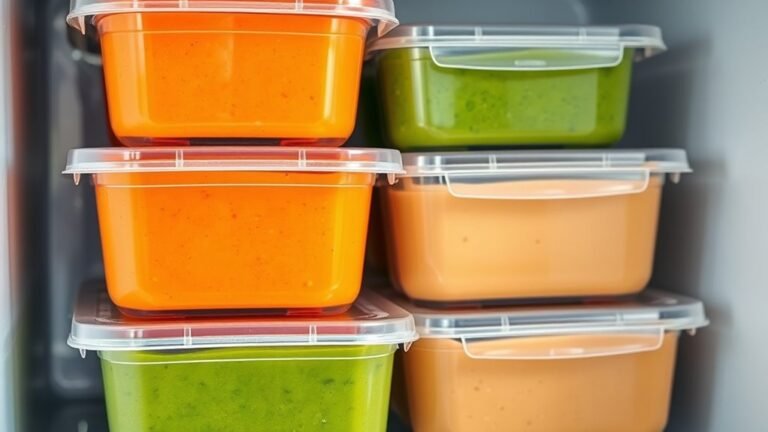
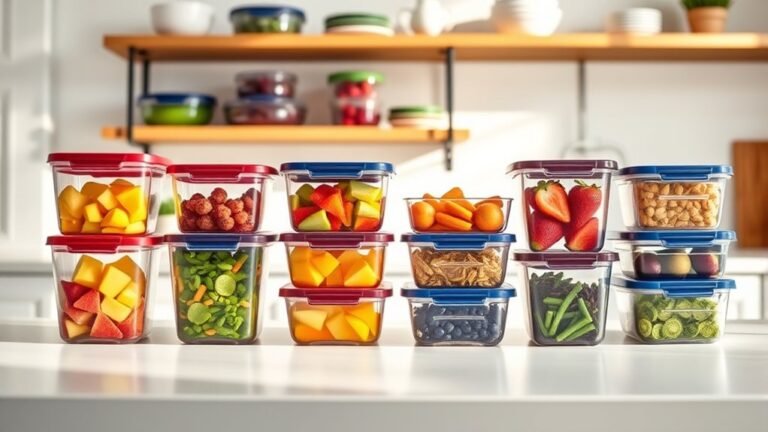
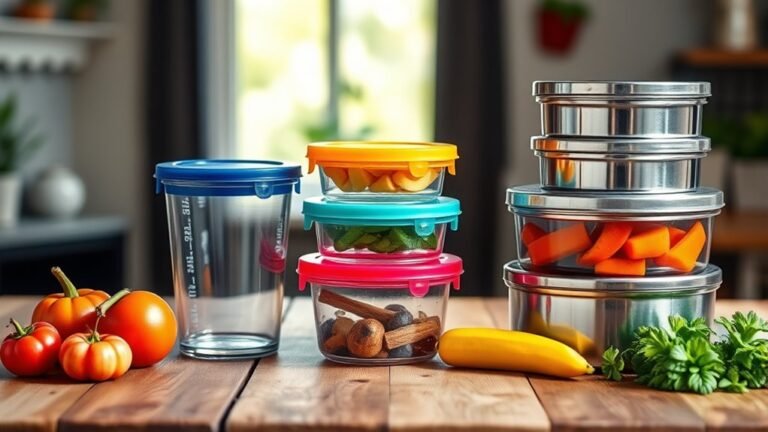
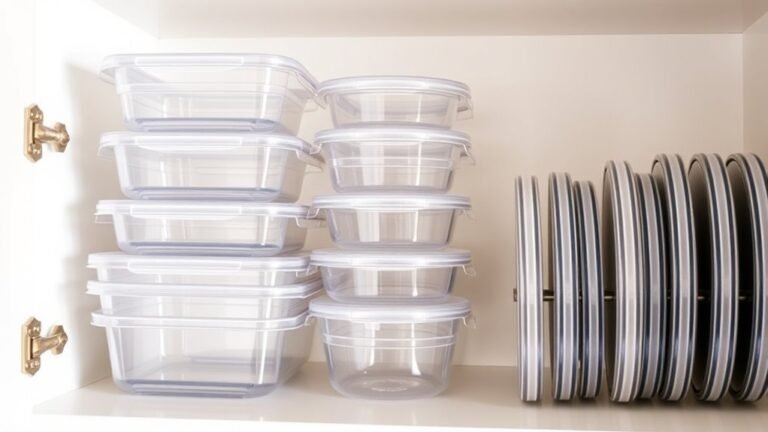
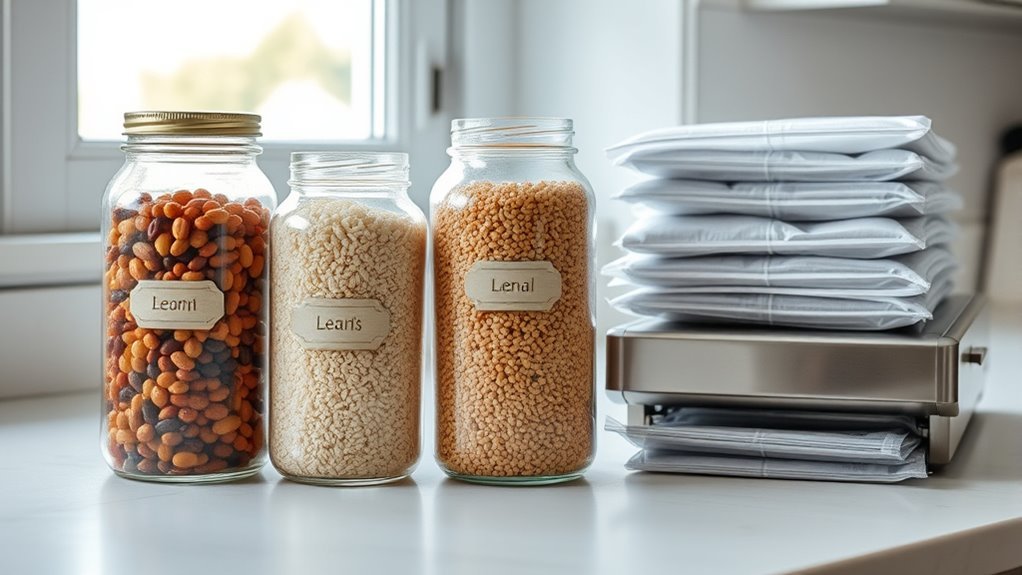
Next, organize your food supplies in airtight containers. Store them in cool, dry places to prevent spoilage and keep your food fresh longer.
Finally, set up a routine to rotate and replenish your stock regularly. Use older items first to keep everything fresh and avoid waste.
Following these simple steps lays the foundation for a reliable long-term food storage system.
There are plenty more tips to help your storage thrive and keep your family prepared.
Key Takeaways
– Calculate your family’s daily caloric needs and identify any dietary restrictions or preferences before purchasing food.
This way, you’ll know exactly what to stock up on and avoid buying unnecessary items.
– Choose a variety of shelf-stable foods like grains, beans, canned fruits, and proteins for balanced nutrition.
Mixing it up keeps your meals interesting and ensures you get all the nutrients you need.
– Store food in airtight, pest-proof containers in a cool, dry, and dark location to maximize shelf life.
Keeping your food safe from moisture and pests is key to making it last as long as possible.
– Label all items with purchase and expiration dates, and organize with oldest stock in front for easy rotation.
This helps you use things before they expire and reduces waste.
– Establish a regular review schedule to check inventory, rotate stock, and replenish supplies as needed.
Checking in on your storage every few months keeps everything fresh and ready when you need it.
Assess Your Family’s Dietary Needs and Preferences
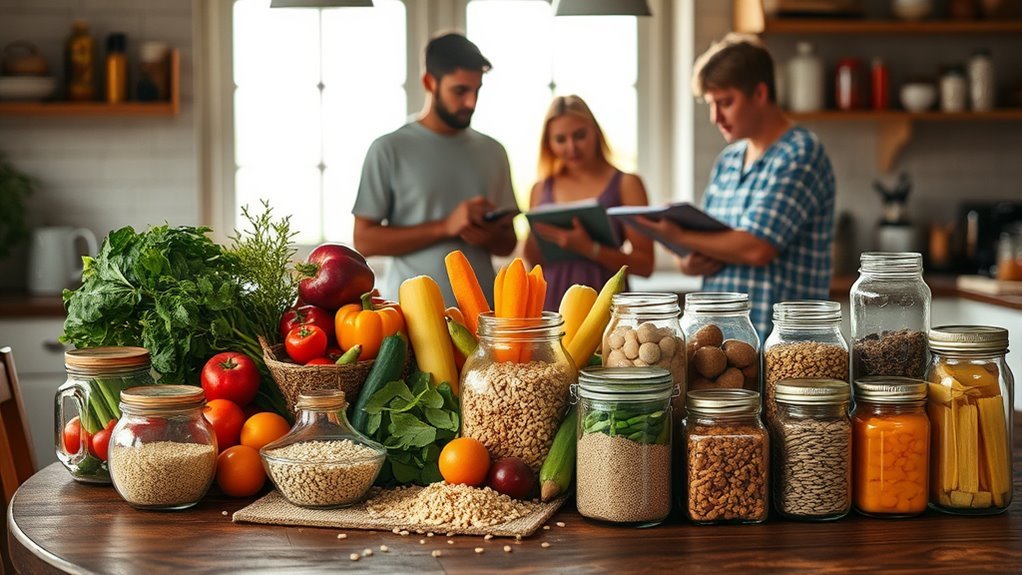
Before you start collecting supplies, evaluate your family’s dietary needs and preferences to guarantee your long-term food storage supports everyone’s health and tastes. First, calculate your family’s daily caloric needs—usually around 2,000 to 2,500 calories per person—to determine proper food quantities.
Assess your family’s dietary needs and daily calories before stocking long-term food supplies.
Consider any dietary restrictions, such as gluten-free, vegetarian, or food allergies, to ensure safe and suitable options. Also, think about special diets, including infant formulas or senior-friendly supplements, to meet all family members’ requirements.
Focus on meal planning that incorporates food variety from grains, proteins, fruits, and vegetables. This way, you create balanced meals with nutritious foods that everyone will appreciate.
Tracking your family’s food preferences will help prioritize storage of favored items. That makes your family diet more enjoyable and easier to maintain during emergencies.
Organize and Store Your Food Supplies Properly
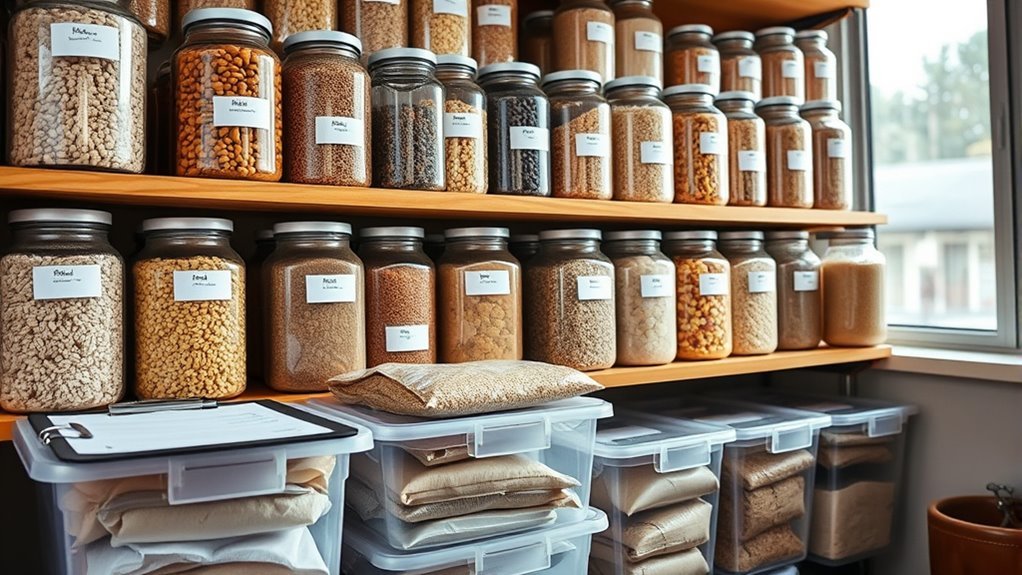
When you organize and store your food supplies properly, you’ll extend their shelf life and keep them safe from pests and spoilage. Start by using airtight containers like five-gallon buckets with gamma seal lids to protect staples such as rice, beans, and flour.
Store everything in a cool, dry, dark storage location to prevent moisture, heat, and sunlight damage. It really makes a big difference in keeping your food fresh longer.
Maintain a pest-free pantry by regular pest control and inspecting for signs of infestation. You don’t want unwanted visitors nibbling on your supplies!
Label expiration dates clearly on all items to help with proper rotation. This way, you can easily keep track and use things before they go bad.
Create an organized pantry using systematic placement, positioning newer stock behind older products to ensure you use items before they expire. Keeping your storage location clean and orderly maximizes shelf life and safeguards your long-term food supplies effectively.
Develop a Routine for Rotation and Replenishment
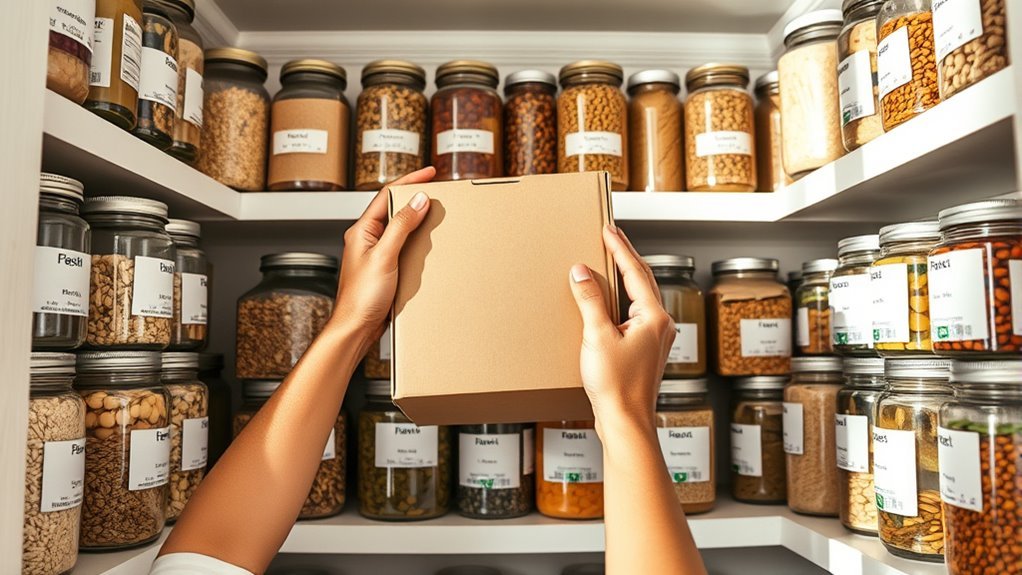
To keep your long-term food storage fresh and usable, you’ll need to develop a routine for rotating and replenishing your supplies.
Establish a storage schedule—monthly or quarterly—to review inventory and check expiration dates. Using a first-in-first-out system is key; always use older items first to maintain food freshness and ensure safety.
Label items with purchase or expiration dates to make inventory management easier. Try to incorporate stored foods into your meal planning and track what you consume. This helps you adjust rotation and replenish stocks effectively.
| Task | Action |
|---|---|
| Schedule Review | Monthly or quarterly |
| Labeling | Add purchase/expiration dates |
| Rotation Method | First-in-first-out |
| Inventory Tracking | Monitor levels and consumption |
Frequently Asked Questions
How to Make Long-Term Food Storage?
You start long-term food storage by choosing nutrient-dense, non-perishable foods. Store them in airtight containers to keep them fresh.
Label everything with dates, so you know what to use first. Rotate your stock regularly to avoid waste.
Keep all your supplies in a cool, dry, and dark place. This helps maintain freshness and extends shelf life.
What Should I Stock up on if WW3 Happens?
You should stock non-perishable staples like rice, beans, and pasta, plus canned meats and freeze-dried proteins.
Don’t forget water, purification supplies, shelf-stable dairy, seasonings, and vitamins to stay nourished and hydrated during WW3.
It’s all about having what you need to keep going, even if things get tough. So, think long-term and prepare smart!
What Is the 2-2-2 Rule for Food Storage?
The 2-2-2 rule means you store 2 weeks of food, 2 gallons of water per person daily, and 2 months of supplies.
It helps you build a manageable, reliable emergency stockpile gradually for peace of mind.
Think of it as a simple way to prepare without feeling overwhelmed.
You’re just setting up a solid foundation for safety and comfort when you need it most.
What Is the Best Food to Stockpile for Survival?
You should stockpile calorie-dense, nutrient-rich foods like rice, pasta, dried beans, canned meats, freeze-dried fruits, nut butters, and energy bars.
These last long and provide essential nutrition during survival situations. Rotate regularly.
It’s all about having food that keeps well and packs a punch nutritionally. That way, you’re ready no matter what comes your way.
Conclusion
Starting your long-term food storage is like planting a garden that feeds your future. By evaluating your family’s tastes and organizing your supplies wisely, you’re setting the foundation for a reliable food reserve.
Rotating your supplies regularly keeps everything fresh and ready to use. It’s a simple habit that strengthens your safety net over time.
Keep nurturing this practice, and you’ll harvest peace of mind no matter what life throws your way. Remember, every can you store is a seed of security—ready to bloom when you need it most. Building your long-term food storage is more than just saving food; it’s about creating lasting preparedness and confidence for your family’s future.