Which Process Involves Food Storage in Plants?
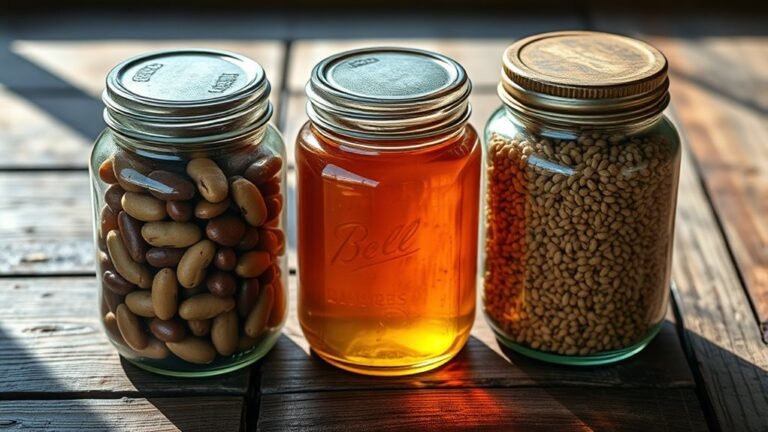
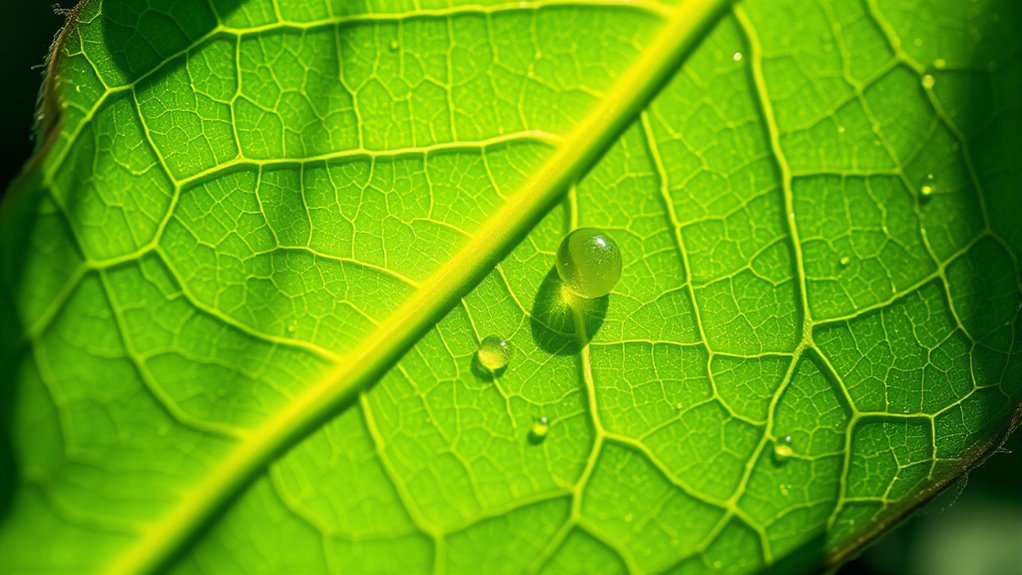
You store energy in your pantry, and plants do it through a fascinating process called photosynthesis. This is how plants capture sunlight to produce glucose in their leaf cells. It’s pretty amazing how plants turn sunlight into something they can use!
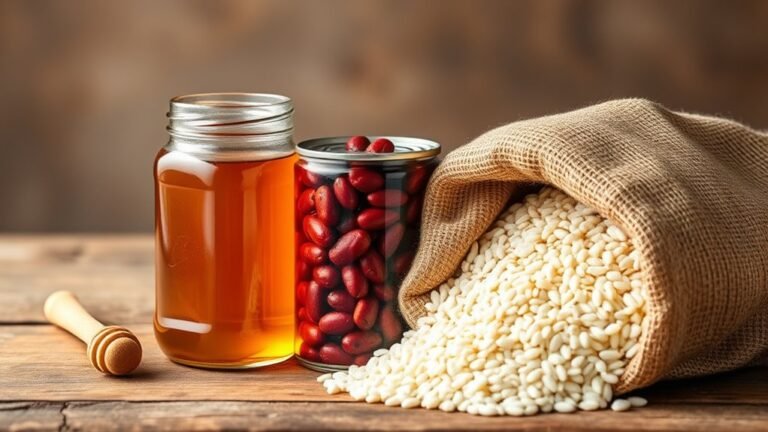
When there’s extra glucose, plants don’t just let it go to waste. They convert it into starch for storage. This starch is then kept in special organs like roots, seeds, and tubers.
These stored energy reserves help plants grow and survive when sunlight isn’t available.
If you want to understand more about how plants manage and use this stored energy, there’s plenty more to explore. It’s a whole world of natural storage and energy management happening right in front of us!
Key Takeaways
- Photosynthesis produces glucose, the primary food molecule in plants. Excess glucose is converted into starch for storage.
- Starch accumulates in plastids within storage organs. Storage organs like roots, seeds, and tubers hold starch reserves.
- Food storage supports plant survival during low photosynthesis periods. This way, plants have energy when sunlight is scarce.
Photosynthesis and Carbohydrate Production
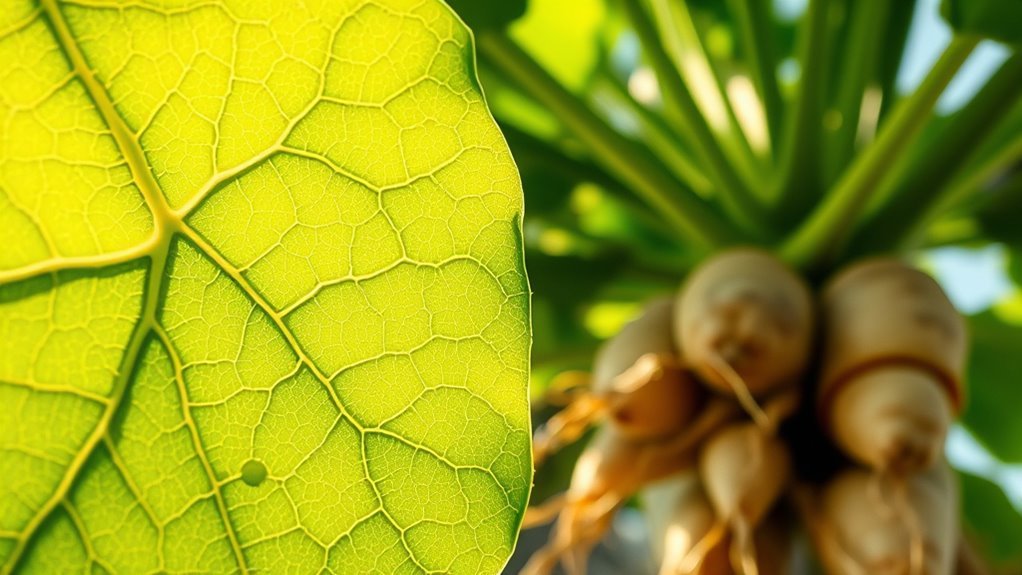
How do plants store energy from sunlight? Through photosynthesis, plants capture sunlight in chloroplasts within their leaf cells. This energy powers carbohydrate production, transforming carbon dioxide and water into glucose, a simple sugar.
You’ll find this process mainly in the mesophyll cells of leaves. The glucose produced is an essential organic molecule that plants use immediately or convert into starch for energy storage.
Starch accumulates in plastids, acting as a reserve that plants can break down when energy is needed. This conversion from glucose to starch ensures that plants efficiently manage their energy resources, storing excess carbohydrates safely.
Storage of Food Molecules in Plant Organs
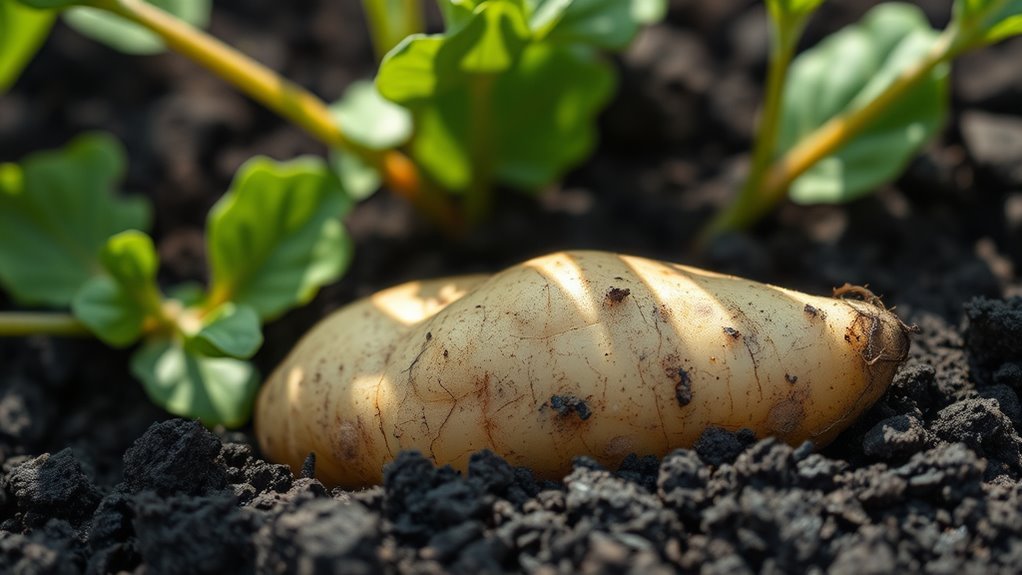
After photosynthesis produces glucose, plants convert the excess into starch for long-term storage. This starch accumulates in specialized storage organs like roots, seeds, and tubers.
These organs act as energy reserves, allowing plants to survive when photosynthesis slows or stops. The stored food molecules support growth, reproduction, and germination during challenging conditions.
Here’s a quick look at common storage organs and their role:
| Storage Organ | Location | Function |
|---|---|---|
| Roots | Underground | Store starch as energy reserve |
| Seeds | Within fruits | Contain starch for germination |
| Tubers | Modified stems | Accumulate starch for regrowth |
Understanding these storage organs helps you appreciate how plants manage energy efficiently. It’s pretty neat how plants have their own way of saving up food for tougher times!
Frequently Asked Questions
Which Involves Food Storage in Plants?
You store food in plants through starch formation, converting excess sugars into starch within plant cells. This process happens in storage organs like roots and tubers,
helping plants survive and regrow during tough conditions. It’s pretty cool how plants manage their food reserves to get through hard times!
What Is Food Storage in Plants?
Think of food storage in plants as their pantry. It’s where they stash excess sugars as starch in roots, seeds, or stems.
What Is the Process of Making Food in Plants Called?
The process of making food in plants is called photosynthesis. You use sunlight, water, and carbon dioxide to produce glucose and oxygen.
Chlorophyll captures sunlight energy to power these chemical reactions inside chloroplasts. It’s pretty amazing how plants turn light into food!
Where Is Food Stored in Plants?
Imagine a squirrel hiding nuts for winter—that’s how plants store food in roots, seeds, and stems.
You’ll find energy-packed starch in carrots, peas, and potatoes, making sure plants survive tough times and sprout anew.
It’s like their secret stash for when they need it most!
Conclusion
You can think of food storage in plants as a hidden pantry, where the energy from photosynthesis is carefully tucked away for later use. This process guarantees that plants have a steady supply of nourishment during tough times, like winter or drought.
By storing carbohydrates in roots, stems, or seeds, plants prepare for future growth and survival. It’s like having a secret stash of fuel ready for when things get rough.
So, just like a well-stocked pantry keeps a household thriving, food storage in plants ensures they stay resilient and ready for what’s ahead. This vital process involves storing the products of photosynthesis, mainly carbohydrates, in various plant parts to support growth during unfavorable conditions. Food storage in plants is essential for their survival, growth, and reproduction, making it a crucial stage in plant life cycles.