What Is the Food Storage Hierarchy and How to Use It
The food storage hierarchy is a simple system that helps you organize your fridge efficiently. By following it, you can keep your food safe and fresh while preventing cross-contamination.
This method involves placing cooked and ready-to-eat foods on the top shelves, where they’re less likely to get contaminated.
Raw meats, poultry, and seafood should be stored on the bottom shelves in leak-proof containers. This setup stops their juices from dripping onto other foods, which helps prevent foodborne illnesses and extends the shelf life of everything in your fridge.
By sticking to this order and regularly checking food placement, you’ll maintain a safer kitchen environment. It’s an easy way to keep track of what you have and keep your meals fresh for longer.
Keep reading to discover practical tips for using this system effectively and making your kitchen safer every day.
Key Takeaways
- The food storage hierarchy organizes foods by contamination risk, placing cooked and ready-to-eat items above raw meats in the refrigerator.
- Raw poultry, seafood, and meats should be stored on the bottom shelf in leak-proof containers to prevent juice drips and cross-contamination.
- Use crisper drawers for produce and label containers with dates to follow FIFO and maintain freshness and safety.
- Proper placement reduces foodborne illness risk, extends shelf life, and ensures compliance with food safety regulations.
- Regularly check and adjust food placement to maintain organization, prevent contamination, and support efficient refrigerator use.
Understanding the Food Storage Hierarchy
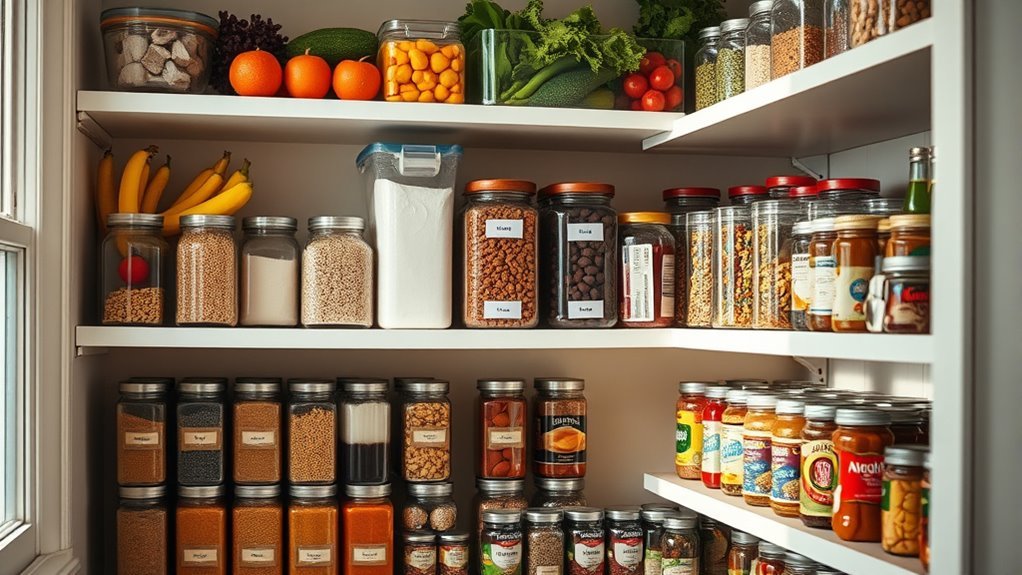
How should you organize your refrigerator to keep food safe? The key is following the food storage hierarchy, which helps prevent cross-contamination and foodborne illness.
You should place cooked foods and ready-to-eat items on the top refrigerator shelves to avoid contact with raw meats. Raw poultry, seafood, and other raw meats belong on the bottom shelf, ideally inside leak-proof storage containers, so their juices don’t drip onto other foods.
This shelf placement aligns with the storage hierarchy, which orders foods based on their cooking temperatures and contamination risk. By keeping raw meats below cooked foods, you reduce contamination chances and maintain food safety.
Sticking to this hierarchy not only follows safety regulations but also helps extend the shelf life of your food. It makes your fridge safer and more efficient.
Practical Tips for Implementing the Food Storage Hierarchy
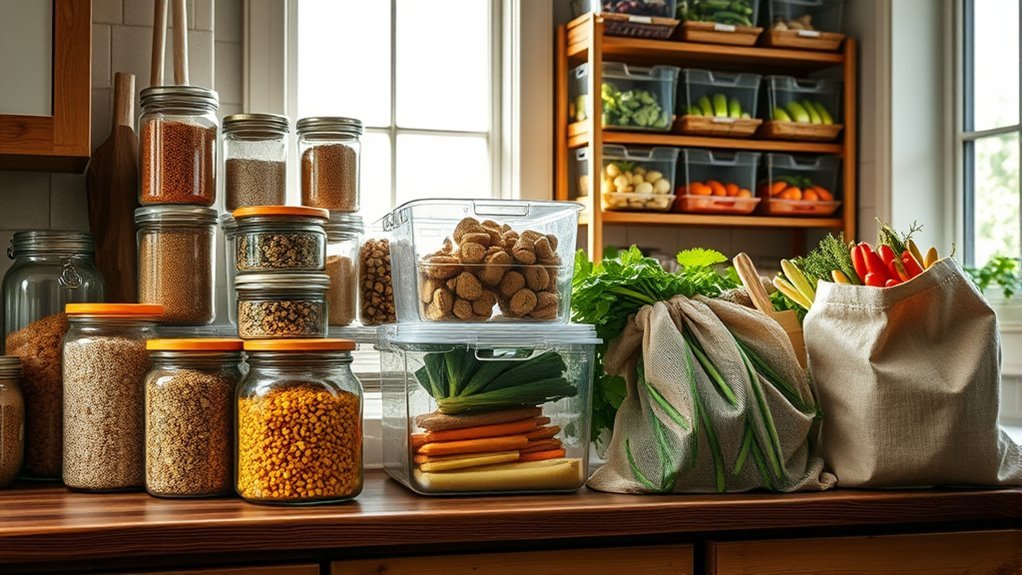
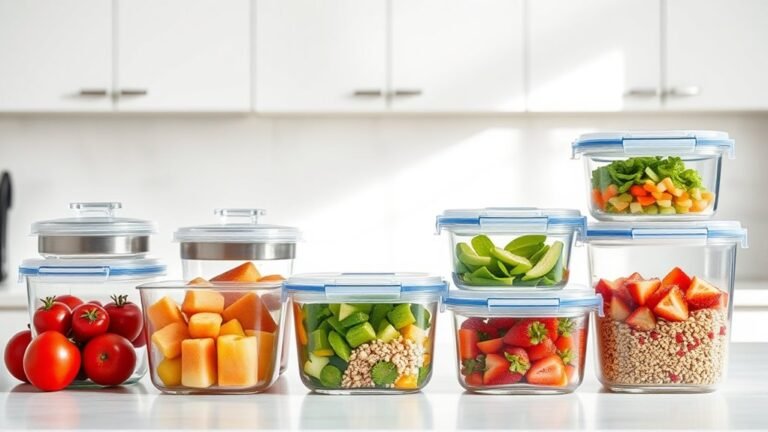
Keeping your refrigerator organized according to the food storage hierarchy makes a big difference in food safety. Start with proper shelf placement: store ready-to-eat items on top shelves, raw meats on the bottom in leak-proof containers, and produce in crisper drawers.
This organization prevents cross-contamination and maintains freshness. Use container labeling with dates and apply FIFO principles to rotate stock efficiently, reducing spoilage.
Regularly check and adjust your arrangement to ensure proper separation of foods. These practical storage tips not only enhance food safety but also streamline your kitchen routine.
Frequently Asked Questions
What Is the Correct Order for Food Storage Hierarchy?
You should store ready-to-eat foods on top, dairy and eggs in the middle, raw meats at the bottom to prevent drips.
Produce goes in the crisper drawers, and condiments belong in the fridge door, which is actually the warmest area.
This setup helps keep your food safe and your fridge organized. It’s pretty simple once you get the hang of it!
What Three Vegetables Should Never Be Refrigerated?
You shouldn’t refrigerate tomatoes, potatoes, or onions. Keeping tomatoes at room temperature preserves flavor.
Potatoes stay firm in cool dark spots. And onions avoid mold when stored dry and ventilated away from moisture and other veggies.
What Is the 2-2-2 Rule for Food Storage?
You might think keeping food forever is safe, but the 2-2-2 rule says otherwise: eat perishables within 2 days. Toss leftovers after 2 days, and use frozen foods within 2 months to stay safe and fresh.
What Is the Correct Order for Storing Food in a Refrigerator?
You should store ready-to-eat foods on the top shelf, cooked items in the middle, raw meats at the bottom, with higher-risk meats below poultry, and condiments or drinks in the door compartments to keep everything safe.
This setup helps prevent cross-contamination.
Plus, it keeps your food fresher for longer.
Conclusion
By following the food storage hierarchy, you’ll keep your kitchen running like a well-oiled machine. Think of it as stacking blocks—placing the most perishable items where you can see and use them first helps prevent waste and saves money.
When you organize your food this way, you’ll always know what to eat next. This makes meal prep smoother and your pantry more efficient.
Start stacking smart, and watch your food last longer! Using the food storage hierarchy not only reduces spoilage but also streamlines your kitchen routine. It’s an easy way to save money and cut down on food waste. So, get started today and enjoy a more organized kitchen where your food stays fresh and ready to use!