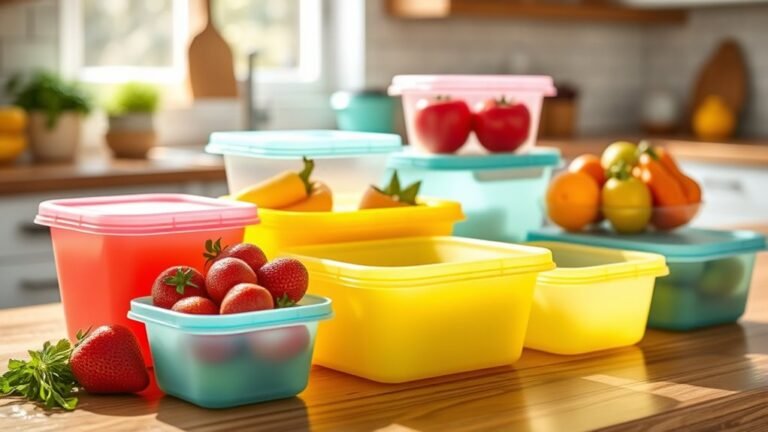
Is Silicone Food Storage Safe and How to Use It
Yes, you can safely use silicone containers for food storage as long as they’re food-grade and certified by agencies like the FDA. Silicone food storage is a popular choice because it doesn’t release harmful chemicals and can handle extreme temperatures well.
Plus, it won’t affect your food’s taste or safety, making it a reliable option. Just avoid damage, follow temperature guidelines, and clean them properly.
Using silicone this way ensures reliable, long-term storage.
If you want to get the most out of silicone containers, there are smart tips and tricks you should know.
Key Takeaways
- Food-grade silicone is FDA or LFGB certified, BPA free, and safe for storing food without chemical leaching or contamination risks. So, you can trust it to keep your food safe.
- Silicone’s inert nature means it won’t react with your food. This helps maintain the taste, odor, and safety whether you’re storing or reheating your meals.
- It can handle freezer, microwave, and oven temperatures easily. Just remember to avoid direct flames and always follow the manufacturer’s heat limits.
- Cleaning silicone containers is a breeze—just toss them in the dishwasher. But be sure to check regularly for any damage like cracks or cloudiness to keep things safe.
- If you notice any wear or damage, replace those silicone containers right away. And don’t forget to always follow the manufacturer’s instructions for the best results.
Understanding the Safety of Silicone for Food Storage
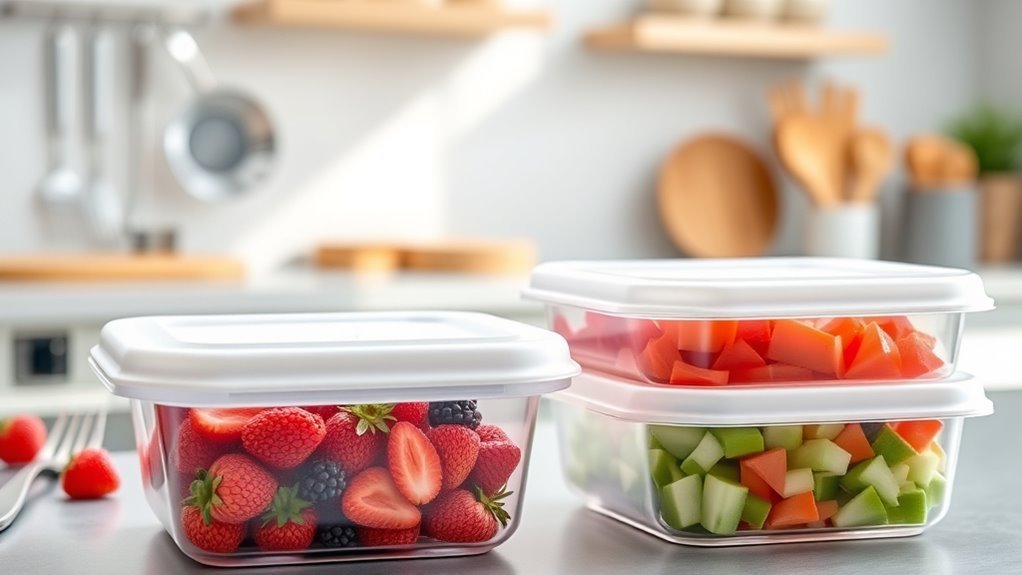
Although you might be cautious about what materials touch your food, food-grade silicone is a safe choice for storage when it’s certified by authorities like the Food and Drug Administration (FDA) or LFGB.
Silicone used in food storage containers is BPA free and free from harmful chemicals like lead or phthalates, ensuring it’s safe for food contact. Its inert nature means it won’t react with your food or beverages, markedly reducing the risk of chemical leaching.
Plus, food-grade silicone is temperature resistant, so you can store food safely in the freezer, microwave, or oven without worry.
Certified silicone products undergo rigorous testing to make sure they don’t alter your food’s taste, odor, or safety, making silicone a reliable and safe option for your everyday food storage needs.
Best Practices for Using Silicone Food Storage Containers
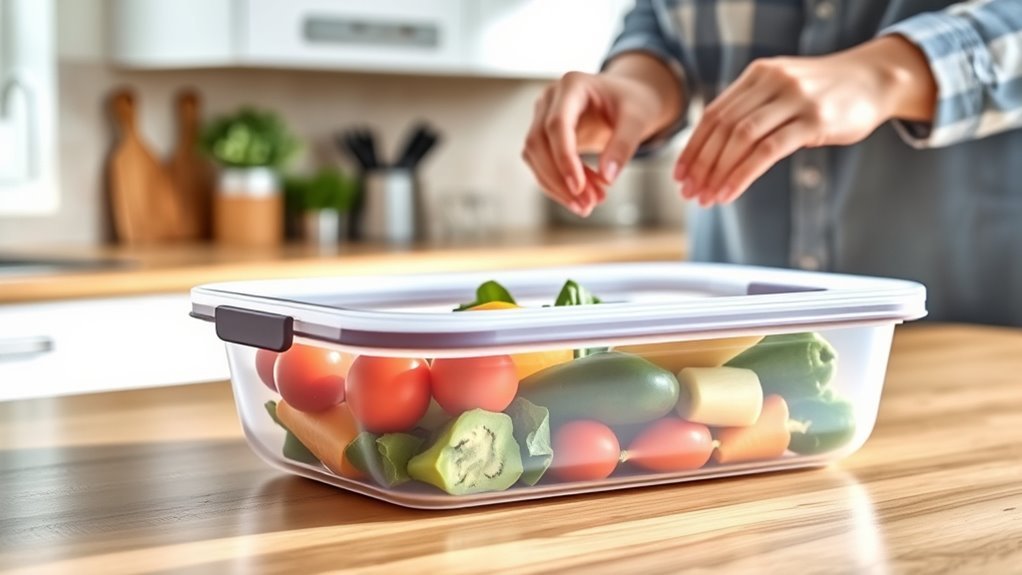
When you choose silicone food storage containers, make sure they’re labeled “food-grade” and certified by the FDA or LFGB to guarantee safety. Using FDA certified, food-grade silicone guarantees your containers are safe for food contact and won’t leach harmful chemicals, protecting your long-term health.
Choose FDA or LFGB certified food-grade silicone containers to ensure safety and prevent harmful chemical leaching.
These food containers handle high temperatures well, making them perfect for storing, reheating, and freezing food. Just be sure to avoid direct flames or heat beyond manufacturer guidelines to keep them safe and durable.
Cleaning is easy—silicone containers are dishwasher safe and resist stains, so regular washing helps maintain hygiene. Always inspect your containers for cracks or cloudiness, and replace them if damaged to avoid chemical leaching.
Following these best practices ensures your silicone food storage remains reliable and safe. It’s a simple way to keep your food fresh and your health protected!
Frequently Asked Questions
Does Silicone Release Toxins When Heated?
Silicone doesn’t release toxins when heated if you use high-quality, FDA-approved, platinum-cured silicone. Just avoid overheating or damaging it, and you’ll keep your food safe without worrying about harmful chemical leaching.
Is Silicone Bad for Storing Food?
Silicone isn’t bad for storing food; it’s like a trusty shield that keeps your meals safe.
Just make sure you pick FDA-approved, food-grade silicone to avoid any unwanted chemicals sneaking into your snacks.
Does Silicone Leave Microplastics in Your Food?
No, silicone doesn’t leave microplastics in your food if you use high-quality, food-grade silicone and maintain it properly.
Its non-porous, inert nature prevents breakdown, so you can safely store and heat food without worry.
Basically, silicone is designed to be stable and safe for cooking and storage. So, no need to stress about it contaminating your meals!
What Is the Healthiest Container to Store Food In?
You’ll find glass, stainless steel, and ceramic containers the healthiest for storing food since they don’t leach chemicals. They’re durable, easy to clean, and keep your food safe and fresh longer than plastics or silicone.
Plus, these materials don’t absorb odors or stains, which makes them perfect for all kinds of leftovers. So, if you want to keep your meals tasting great and avoid any unwanted chemicals, these are your best bet!
Conclusion
So, you’re worried about silicone containers secretly plotting to poison your leftovers? Don’t sweat it. Silicone’s pretty chill—heat-resistant, non-toxic, and surprisingly loyal to your snacks.
Just don’t microwave your phone in them or store your secrets instead of food. Use them right, and they’ll be your kitchen’s unsung hero.
Because honestly, if silicone had a personality, it’d be that reliable friend who never flakes—unlike your takeout plans. Silicone food storage is safe when used properly, making it a great choice for keeping your meals fresh and secure. Just follow the usage guidelines, and you’ll enjoy the benefits of silicone’s durability and safety in your kitchen every day.