How Closures Maintain Food Quality During Storage €“ a How-To Guide
To maintain food quality during storage, it’s important to choose airtight, food-grade closures that limit oxygen and moisture exposure. These closures help keep your food fresher for longer by creating a tight seal.
Plus, they prevent unwanted air and humidity from sneaking in and spoiling your food.
Make sure to seal containers properly without overfilling them. When lids fit snugly, they do a better job at preserving freshness and extending shelf life.
Before sealing, always clean and dry your containers thoroughly. This step helps prevent mold growth and unwanted odors that can ruin your stored food.
Using resealable bags or vacuum sealers can take things up a notch. They reduce air contact even more, which slows down spoilage and helps prevent freezer burn.
Keep your containers in a cool place and check seals regularly to avoid leaks. With these simple tips, you’ll be well on your way to mastering food storage and cutting down on waste.
Key Takeaways
- Use airtight, food-grade closures to limit oxygen and moisture exposure. This helps reduce spoilage and preserves flavors.
- For fresh produce, pick breathable lids. They prevent moisture buildup, mold, and sogginess while keeping dehydration at bay.
- Make sure to seal containers properly, leaving enough headspace and cooling them before closing. This ensures lids fit tightly and stops leaks.
- Always clean and dry containers thoroughly before sealing. Getting rid of residues helps prevent bacterial growth and off-odors.
- Try using vacuum sealers or resealable bags to pull out air. This slows oxidation, avoids freezer burn, and makes your food last longer.
Choosing the Right Closure for Food Freshness
When you select the right closure for your food containers, you directly affect how well your food stays fresh. Make sure to pick airtight lids or seals, like gasketed containers, to limit oxygen exposure and slow down oxidation and drying.
Choosing airtight lids helps keep your food fresh by limiting oxygen and slowing spoilage.
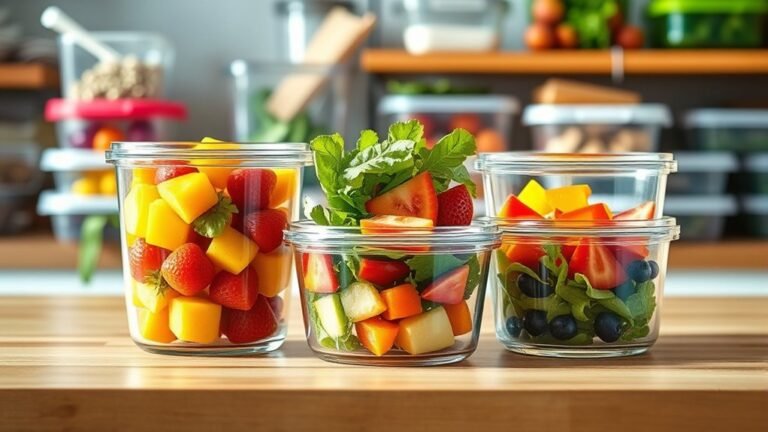
For fresh produce, opt for vented or breathable closures to reduce moisture buildup. This helps prevent sogginess and mold while avoiding excess dehydration.
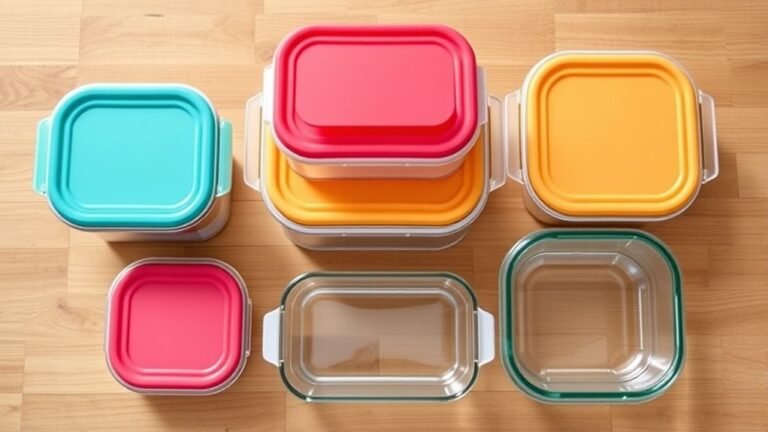
Always use food-grade, non-reactive materials such as BPA-free plastic, tempered glass, or stainless steel. These materials help avoid off-flavors and chemical migration.
Pay attention to closure size and fit; a snug-fitting closure reduces headspace oxygen, which minimizes spoilage.
For cooked or ready-to-eat foods, choose closures that consistently block contaminants, like sealed wraps or snap-lid containers.
These choices make sure your food storage maintains quality effectively.
Proper Sealing Techniques: Avoid Overpacking
A critical step in preserving food quality is sealing your containers properly without overpacking. You should leave enough headspace and cool food before sealing to prevent expansion from forcing liquids out and ruining the seal.
Don’t fill containers too tightly—this can stop lids from seating fully and keep gaskets from compressing evenly. When that happens, air and moisture can sneak in and spoil your food.
Use the “flat and level” method: arrange food gently so lids close flush and pressure spreads evenly across the gasket. Also, pick container sizes that match your portions closely to minimize empty space. Otherwise, air exchange speeds up degradation.
For vacuum or shrink sealing, avoid overfilling bags because wrinkles can block seal areas. This can cause leaks during storage, and nobody wants that!
Cleaning Containers Before Sealing
Since proper sealing depends heavily on container cleanliness, you must thoroughly wash your storage containers before sealing. Use hot, soapy water and scrub seams, lids, and corners to remove grease and food residue.
After washing, sanitize containers with a food-safe method, like a dishwasher cycle or an approved sanitizer, to eliminate harmful microbes. Rinse containers well and let them air-dry completely to avoid moisture that encourages mold or off-odors.
Wash containers after each use, especially those that held raw meat, poultry, seafood, or eggs. Also, use separate utensils or sponges to prevent recontamination.
Make sure lids fit tightly and aren’t warped. And don’t seal containers while they’re still hot — trapped heat can cause condensation and ruin your food’s quality during storage.
Food Storage With Airtight Lids
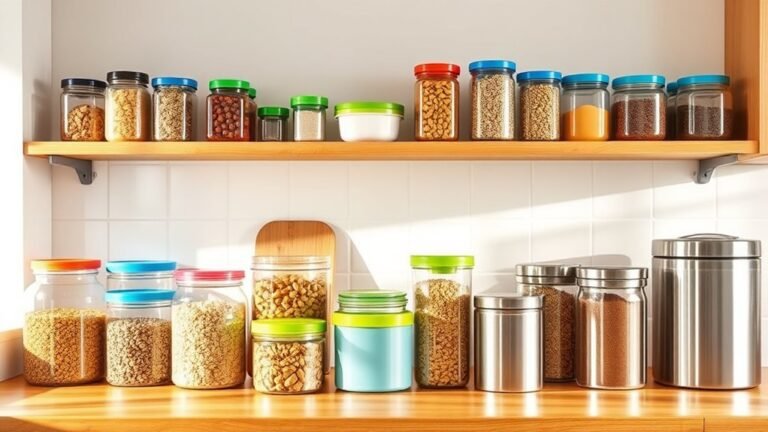
When you use airtight lids, you keep oxygen and moisture out, which helps prevent spoilage and maintains flavor. These tight seals slow down oxidation and stop dry goods from clumping or going stale.
Benefits Of Airtight Seals
Slowing oxygen exposure plays a key role in keeping your food fresh, and airtight lids excel at this by reducing oxidation that can spoil fats in items like nuts and oils. They also protect your dry goods from clumping by limiting moisture exchange.
Plus, airtight seals block insects and pantry pests, lowering contamination risks. Keeping a stable internal environment helps maintain texture and crispness, especially for snacks and cookies.
To get the best results, store airtight containers in a cool, dry place and label them with dates since quality still fades over time.
| Benefit | Why It Matters |
|---|---|
| Reduces oxidation | Prevents rancidity in fats |
| Limits moisture exchange | Keeps dry goods from clumping |
| Blocks pests | Protects against contamination |
| Maintains texture | Keeps snacks crisp and fresh |
Preventing Moisture And Air
Although moisture and air often cause food to spoil quickly, airtight lids create a strong barrier that blocks both moisture loss and gain by sealing out humidity. This keeps foods like bread and nuts fresher longer by reducing staling and oxidation.
To successfully prevent moisture and air from spoiling your food:
- Choose food-grade containers with tight seals and gaskets if available.
- Press lids firmly until fully latched to ensure no air leaks.
- Let hot foods cool down before sealing to avoid internal condensation.
- Store containers in cool, dark places and minimize fridge/freezer door openings to reduce temperature swings.
Following these steps helps you maintain your food’s texture, flavor, and color by controlling moisture and oxygen exposure. It’s a simple way to keep your food tasting great for longer!
Enhancing Shelf Life
Because airtight lids create a strong barrier against oxygen and moisture, you can greatly extend the shelf life of your pantry staples like flour, nuts, and powdered mixes. These lids slow oxidation and reduce exposure to humidity, preventing spoilage and keeping flavors fresh longer.
They also block contaminants like insects and dust, which helps preserve both quality and aroma. When storing perishable items, use airtight lids in the fridge or freezer to minimize odor transfer and slow bacterial growth.
Always label containers with storage dates and practice FIFO to maintain freshness. After transferring hot foods, cool them within two hours (one hour if above 90°F) and keep lids closed to avoid condensation that can shorten shelf life.
Using airtight closures effectively helps you keep food fresh and safe for months. It’s a simple step that makes a big difference in your kitchen!
Using Resealable Bags for Food Storage
When you use resealable bags for food storage, you create an airtight environment that helps keep your food fresh by limiting exposure to air and slowing down oxidation.
To get the best results, try to remove as much air as possible before sealing the bag. This helps prevent browning and spoilage.
Also, don’t forget to label and date each bag. Then, store them quickly in the fridge or freezer to keep your food safe.
If you’re storing food for a long time, use freezer-grade resealable bags. They handle low temperatures better and won’t crack like regular bags might.
One more thing—always store raw foods in separate bags from ready-to-eat items. This way, you avoid any cross-contamination.
Benefits of Vacuum Sealers for Food Storage
You can keep your food fresher for longer by using a vacuum sealer, which removes air and slows down spoilage. It also prevents freezer burn, protecting texture and flavor during storage.
Plus, vacuum sealing helps you cut down on waste by preserving smaller portions efficiently. It’s a smart way to save money and reduce food waste at the same time.
Extending Food Freshness
Vacuum sealers play a pivotal role in extending food freshness by removing most of the air from packages. This slows oxidation and prevents stale flavors in items like nuts, coffee, and meats.
When you use a vacuum sealer, you reduce oxygen, which slows spoilage microbes and keeps foods fresh longer in your fridge or freezer. It’s pretty simple but super effective.
Pair sealing with refrigeration at 40°F/4°C or below to further slow bacterial growth compared to uncovered storage. This combo really helps your food last.
Just avoid sealing foods with excess liquid or overfilled packages. Liquids can interfere with the seal and reduce how well it works.
Seal dry, cool foods properly for the best results in maintaining flavor and quality. That way, you get the most out of your vacuum sealer every time.
Preventing Freezer Burn
Since moisture escaping from frozen food causes freezer burn, removing air around your food is essential to preserving its quality. Vacuum sealers effectively reduce this problem by pulling out air, slowing oxidation, and preventing moisture loss. This keeps meats and seafood fresher longer, with fewer ice crystals and better texture.
To maximize benefits, dry food surfaces before sealing and leave space for liquid expansion. Freeze sealed packs quickly and maintain a steady temperature at 0°F (−18°C) or below. Doing these little things really makes a difference.
| Key Step | Benefit |
|---|---|
| Remove air | Slows moisture loss |
| Dry surfaces | Prevents ice buildup |
| Freeze promptly | Minimizes condensation cycles |
| Maintain temp ≤0°F | Preserves texture and flavor |
Reducing Waste Efficiently
Although many storage methods claim to preserve food quality, vacuum sealers stand out by effectively removing air that accelerates spoilage and freezer burn. Using a vacuum sealer helps you reduce waste efficiently by:
- Slowing oxidation and freezer burn, keeping meat, cheese, and produce fresh longer than airtight containers.
- Extending dry goods’ shelf life by limiting rancidity caused by fat oxidation.
- Greatly increasing freezer storage time, often lasting months beyond zip-top bags.
- Allowing portion control with easy labeling, so you only open what you need and keep better track of leftovers.
Using Closures to Maintain Proper Storage Temperature
When you use airtight, properly fitted closures like screw caps or tight seals, you help maintain the storage temperature close to or below recommended levels. Make sure closures form a complete seal around the container rim to avoid temperature swings caused by leaks. This is especially important in refrigerators where bacteria thrive if food warms up.
Label and store containers immediately after filling. Then, place them in the coldest part of the fridge to keep temperatures consistently at or below 40°F (4°C).
For long-term storage, use closures that resist moisture transfer. This helps prevent dehydration or freezer burn at or below 0°F (-18°C).
Be sure to replace any damaged or warped closures and ensure they sit flush on containers. Imperfect seals increase air exposure, which speeds up spoilage and diminishes texture and flavor.
Troubleshooting Seal Problems That Cause Spoilage
How can you tell if a container’s seal is causing your food to spoil prematurely? A leaking seal lets in humidity and oxygen, which speeds up microbial growth and oxidation.
To troubleshoot seal problems, try this: run a thin paper strip around the lid. If it slides out easily or you see gaps, the seal isn’t airtight.
For vacuum or jar seals, check for suction loss. If the lid flexes or vacuum bags don’t collapse evenly, air is sneaking in.
Make sure to clean the rim and gasket with warm soapy water, then dry thoroughly. Food residue can block a tight seal and create air channels.
Also, avoid trapping moisture inside the container. Water supports bacterial growth and speeds up spoilage.
Following these steps helps you keep airtight seals and your food fresh for longer.
Frequently Asked Questions
Can Closures Affect the Nutritional Value of Stored Food?
Yes, closures can affect your food’s nutritional value by controlling air and moisture exposure. When you use airtight closures, you help preserve vitamins and minerals.
This way, you prevent spoilage and nutrient loss during storage. It’s a simple step that makes a big difference for keeping your food fresh and healthy.
How Do Closures Impact the Shelf Life of Frozen Foods?
Closures impact frozen foods’ shelf life by creating airtight seals that prevent moisture loss and freezer burn.
You’ll keep flavors and textures intact longer, reducing spoilage and preserving quality during extended storage periods.
Pretty neat, right? It’s all about keeping your food fresh and tasty for as long as possible.
Are Closures Safe for Use With Acidic or Oily Foods?
Think of closures as trusty shields—yes, they’re safe with acidic or oily foods. You’ll find specially designed seals resist corrosion and prevent leaks.
They keep your food fresh and your container intact, no matter the contents’ nature. So, no worries when storing those tangy or greasy goodies!
What Materials Are Best for Eco-Friendly Food Closures?
You should choose closures made from biodegradable materials like bamboo, cork, or compostable bioplastics. These options reduce environmental impact and maintain food quality.
Plus, they support sustainability and help minimize waste in your storage practices. It’s a simple way to make a big difference!
Can Closures Prevent Odors From Spreading in the Fridge?
You wouldn’t want your fresh herbs smelling like last week’s leftovers, right? Closures create airtight seals that trap odors inside containers, so your fridge stays fresh and your foods don’t borrow each other’s scents.
It’s pretty simple but super effective. Keeping things sealed means fewer surprises when you open the fridge!
Conclusion
To keep your food fresh, choosing the right closure isn’t just a step—it’s the key that locks in flavor and quality. Don’t rush sealing or skip cleaning; every detail counts.
Airtight lids and vacuum sealers are your best allies against spoilage. Remember, a perfect seal is like a fortress protecting your food.
So, seal smart, store right, and enjoy every bite as if it were just prepared. Your freshness depends on it! When it comes to maintaining food quality during storage, closures play a crucial role. Using the right closures ensures airtight protection, prevents contamination, and extends shelf life. By selecting and applying closures properly, you keep your food’s flavor, texture, and nutritional value intact. In short, mastering closures is essential for anyone who wants to store food safely and savor it at its best.