3 Reasons Glass Is Better Than Plastic for Food Storage
You’ll want to choose glass over plastic for food storage because it doesn’t leach harmful chemicals like BPA, keeping your meals safer.
Glass also preserves food better by preventing odors and stains while handling microwaving without releasing toxins.
Plus, it’s eco-friendly—fully recyclable and reusable, which cuts down plastic waste and pollution.
If you want to protect your health, extend your food’s freshness, and help the planet, there’s plenty more to discover about glass containers.
Key Takeaways
- Glass containers do not leach harmful chemicals like BPA, ensuring safer food storage and consumption.
- Plus, glass is nonporous, so it prevents odors, stains, and contamination from absorbed substances.
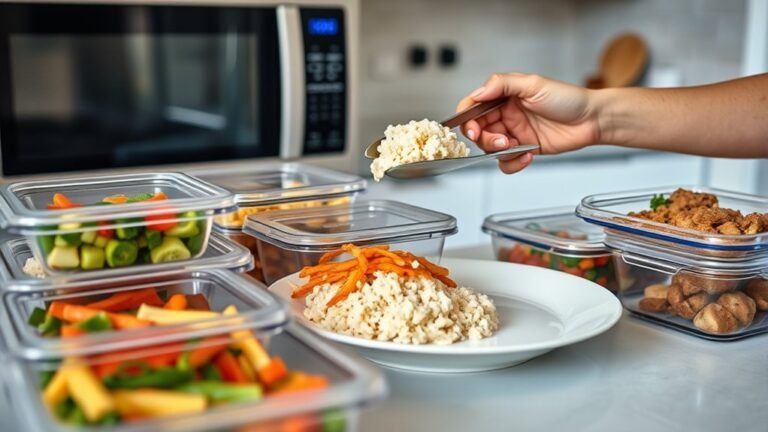
- Another great thing about glass is that it’s microwave safe. It can handle high temperatures without releasing any toxins.
- And when it comes to the environment, glass is 100% recyclable and reusable indefinitely. This really helps cut down on plastic waste.
- Choosing glass also helps prevent microplastic pollution. It’s a smart move for anyone who wants sustainable and eco-friendly food storage options.
Health and Safety Advantages of Glass Containers
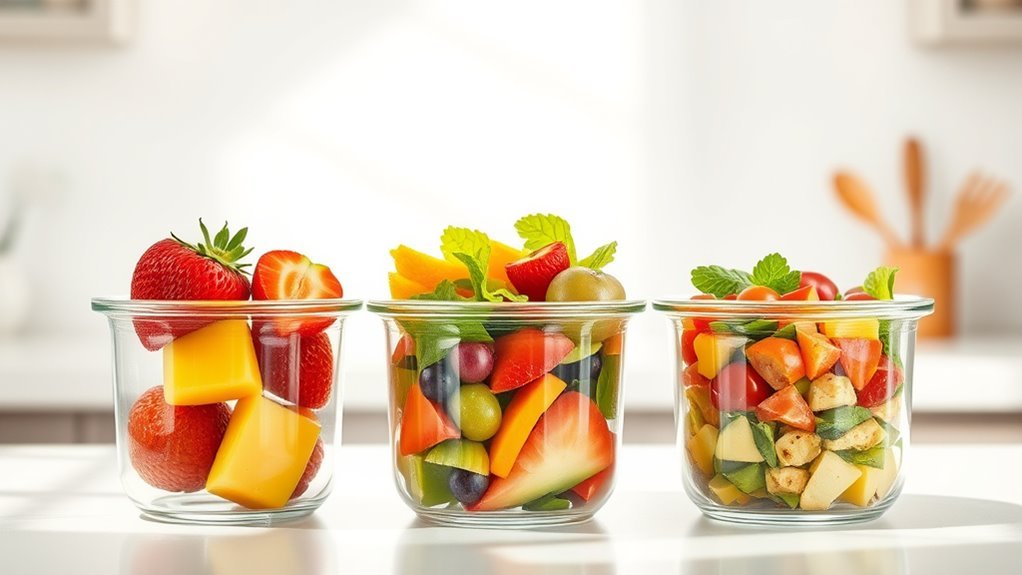
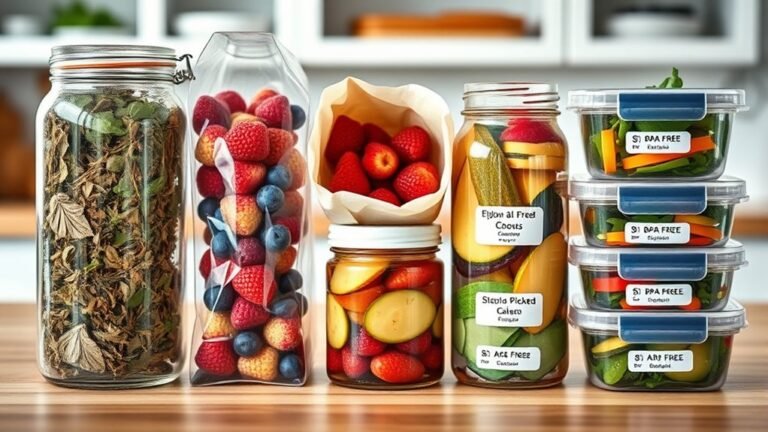
Although many people reach for plastic containers out of convenience, glass offers significant health and safety advantages you should consider. Glass food storage containers, especially those made from borosilicate glass, don’t leach harmful chemicals like BPA or phthalates, ensuring better food safety.
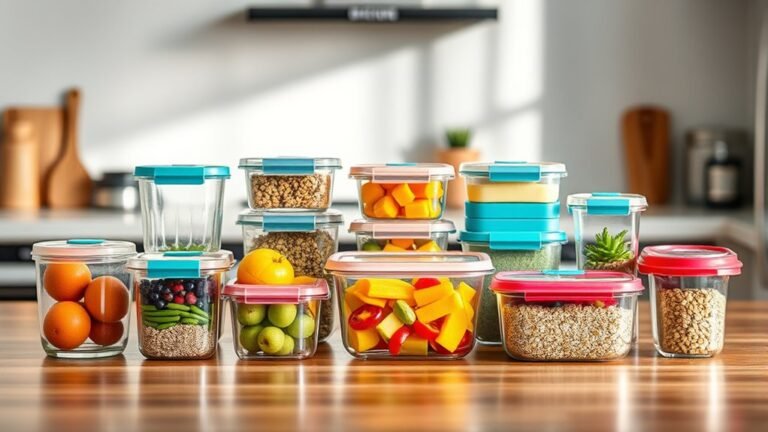
When storing leftovers, you can easily see what’s inside without opening the container, thanks to glass’s transparency. Unlike plastic, glass is microwave safe and withstands high temperatures without releasing toxins.
It’s nonporous and impermeable, so it won’t absorb odors or stains, preventing exposure to heavy metals and synthetic substances that can accumulate in your body. These benefits of glass food containers make them a safer, healthier choice for preserving your meals and protecting your family’s wellbeing.
Environmental Benefits of Choosing Glass
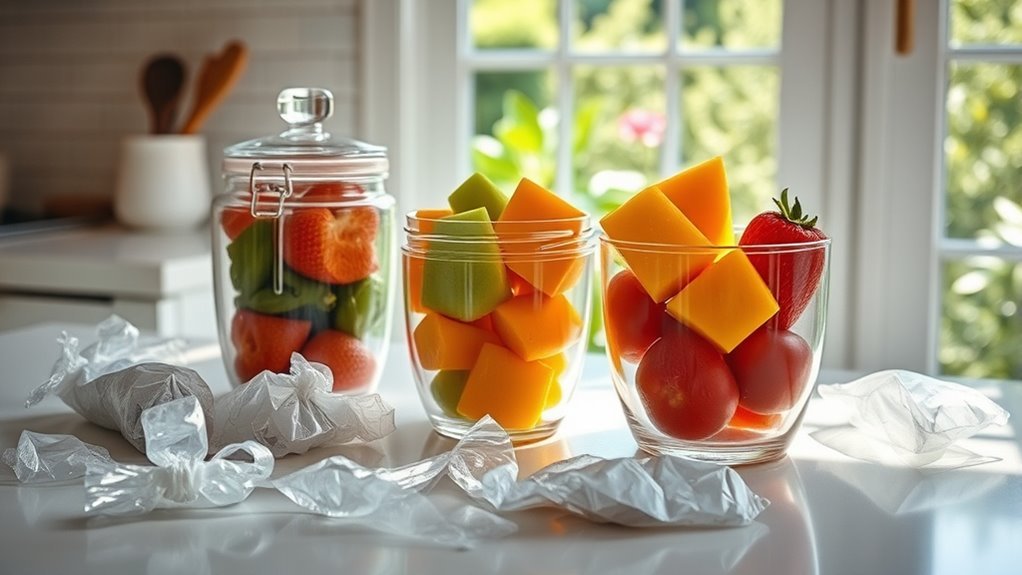
Beyond health and safety, choosing glass containers also benefits the environment in significant ways. Glass is 100% recyclable without losing quality, making it a sustainable, eco-friendly option that supports waste reduction.
Unlike plastic, glass doesn’t break down into harmful microplastics that contaminate ecosystems and damage wildlife. By reusing glass containers indefinitely, you cut down on single-use plastic reliance and reduce plastic pollution, which generates over 300 million tons of waste yearly.
Plus, glass production consumes less energy throughout its lifecycle compared to plastic, lowering its environmental impact. Glass’s natural biodegradability and recyclability make it a clear winner for anyone wanting to minimize waste and support a greener planet.
Choosing glass isn’t just smart for your food—it’s smart for the Earth.
Frequently Asked Questions
Is Glass Good for Storing Food?
Yes, glass is great for storing food because it keeps flavors pure, won’t leach chemicals, and handles heat well.
You’ll easily see what’s inside, and it’s reusable, durable, and eco-friendly for everyday use.
Is Glass or Plastic Better for Pantry Storage?
Glass beats plastic by being better for your pantry: it’s non-porous, prevents pesky odors, and promotes purity.
You’ll appreciate its durability and clear view, making food freshness and safety simple and sensible every time.
Which Type of Food Storage Container Is Better, Plastic or Glass?
You should choose glass containers because they don’t leach chemicals, resist stains and odors, and last longer than plastic.
Plus, you’ll see your food clearly, which helps reduce waste and keeps your kitchen organized.
It’s a smart choice if you want something durable and safe. Glass just makes life easier in the kitchen!
What Are the Benefits of Using Glass Food Storage Containers?
You might think all containers are the same, but glass keeps your food safer by avoiding chemicals. It stays fresh without odors or stains, and handles heat or cold easily.
You’ll find it lasts longer and shows contents clearly. Plus, it’s super easy to clean and looks great in your kitchen too!
Conclusion
So, if you enjoy playing Russian roulette with your leftovers or contributing to the Great Plastic Island, keep reaching for that plastic.
But if you prefer not to ingest mystery chemicals or fund ocean pollution, glass is your superhero. It’s safer and kinder to the planet.
And frankly, it just looks smarter in your fridge. Choose glass—because your food deserves better than a plastic prison, and so does the Earth.
Glass food storage containers are non-toxic and don’t leach harmful chemicals, making them a healthier choice for your meals. Plus, they’re reusable and recyclable, reducing plastic waste that harms marine life and pollutes our environment.
By switching to glass, you’re making a smart, eco-friendly decision that benefits both your health and the planet. So go ahead, ditch the plastic, and give your leftovers the safe, stylish home they deserve with glass food storage.