5 Best Foods for Survival Storage
You want long-lasting, nutrient-dense foods for survival storage. These foods should not only last for years but also provide the essential nutrients your body needs in an emergency.
Canned proteins and legumes are great options because they offer crucial protein with a shelf life that can span years.
Whole grains and pasta are excellent for providing energy and variety when stored properly. They’re easy to prepare and can be a staple in your survival diet.
Nuts, seeds, and nut butters pack healthy fats and can stay fresh for months, sometimes even years.
Dried and canned fruits and vegetables are essential for vitamins and minerals, helping you maintain a balanced diet.
Shelf-stable dairy and beverages round out your supply, giving you calcium and hydration options.
Keep exploring to learn how to optimize your stockpile for emergencies.
Key Takeaways
- Canned proteins and legumes offer a long shelf life. They pack essential nutrients like protein and fiber, which are great for survival storage.
- Whole grains and dried pasta give you sustained energy. When stored airtight and moisture-free, they can last for years.
- Nuts, seeds, and natural nut butters are calorie-dense. They provide healthy fats and can stay good for a long time if kept cool and sealed.
- Dried and canned fruits and vegetables deliver vital vitamins and minerals. They last a long time too, as long as you store them properly.
- Shelf-stable dairy products and plant-based beverages make sure you get protein and calcium. Plus, they don’t need refrigeration and can last for months or even years.
Canned Proteins and Legumes
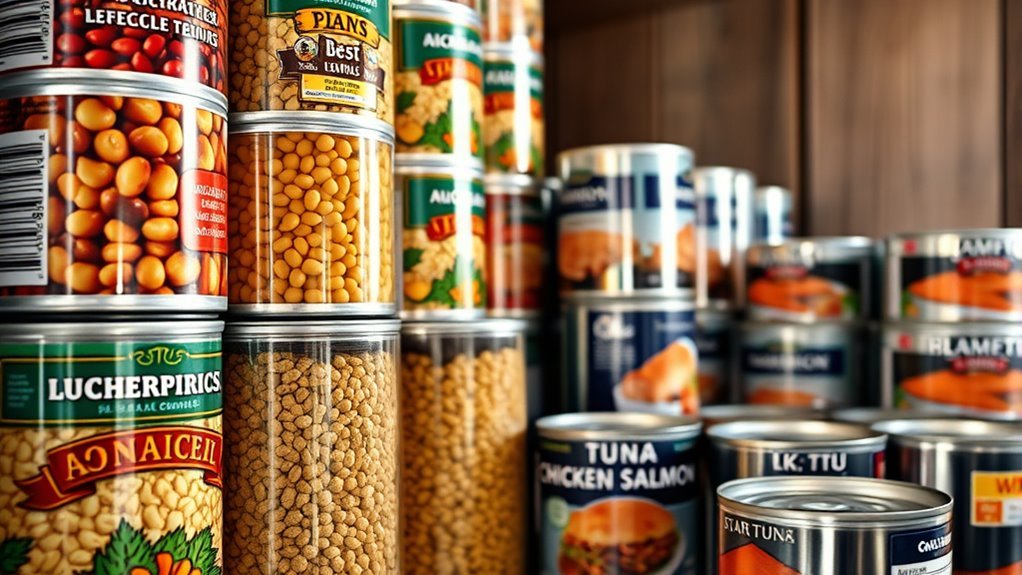
When planning your survival storage, canned proteins and legumes offer reliable, long-lasting nutrition. Canned meats like salmon, chicken, and turkey can last between 2 to 5 years if stored properly.
Vacuum-sealed canned legumes such as chickpeas, black beans, and white beans provide essential fiber and protein, with a shelf life of up to 5 years. Including dried beans expands your options for nutrient-rich food storage too.
Vacuum-sealed canned legumes like chickpeas and black beans offer fiber and protein, lasting up to 5 years.
For emergency preparedness, low-mercury canned tuna, particularly Safe Catch Elite Wild Tuna, remains fresh for over 2 years, making it a convenient protein source. Always store these items in a cool, dark, dry place and check cans regularly for bulging or damage to maintain food safety.
This approach guarantees you have long-lasting, nutritious options on hand when you need them most.
Whole Grains and Pasta
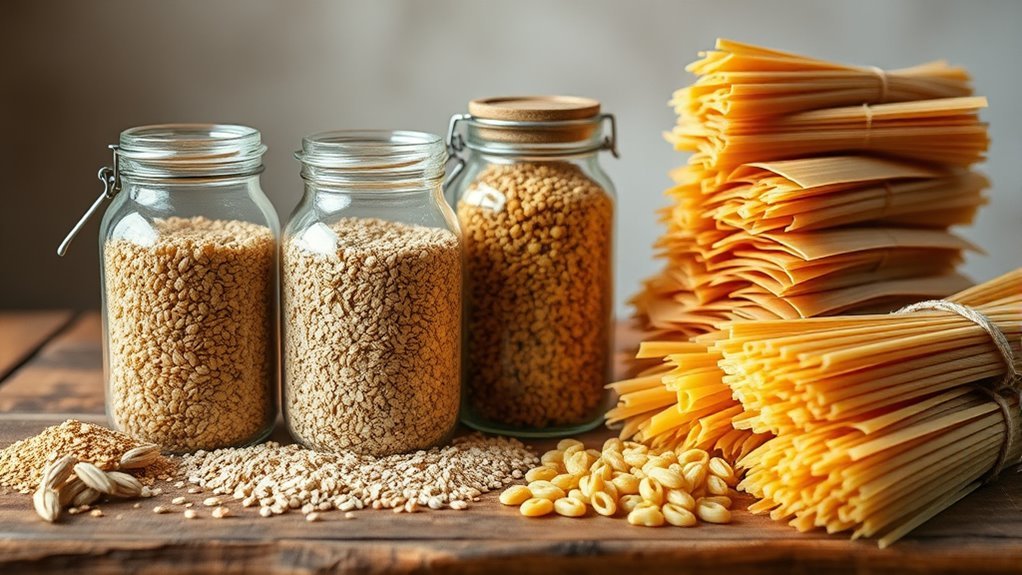
How can you guarantee your survival storage includes versatile and long-lasting staples? Focus on whole grains and pasta, which offer excellent storage life when kept in airtight containers under cool dark conditions.
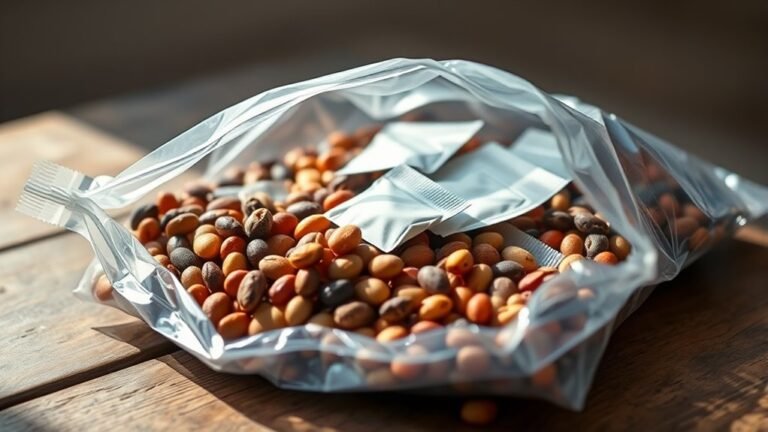
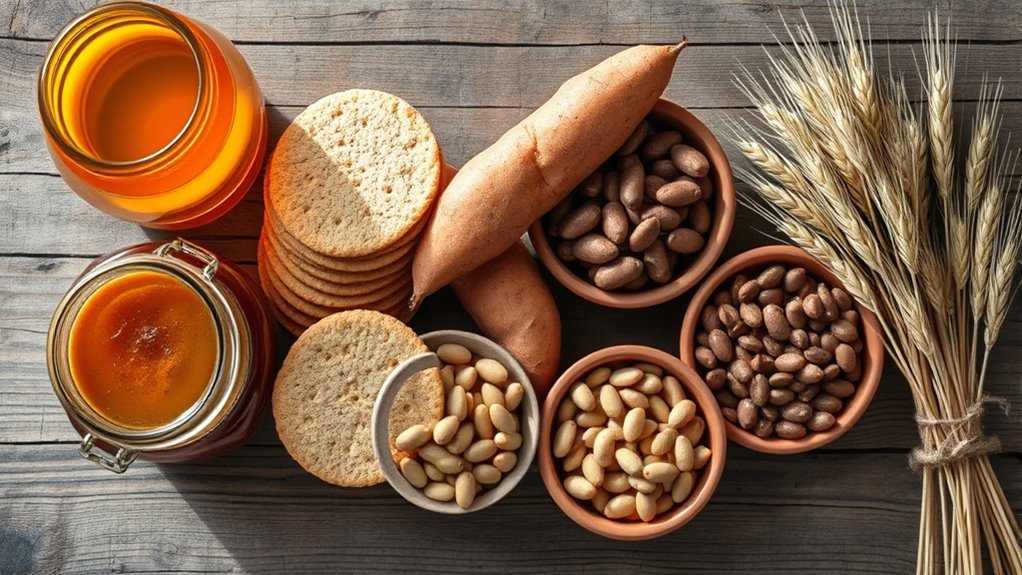
Whole grains like wheat berries, brown rice, and oats can last from six months to several years, especially if you use oxygen absorbers or nitrogen-flushed packaging to prevent spoilage and insect infestations. Dried pasta varieties such as spaghetti and penne also boast a long shelf life, typically two to five years, when stored moisture-free.
Avoid milling whole grains into flour for storage, as it markedly reduces shelf life. By prioritizing whole grains and various pasta types in your emergency preparedness plan, you ensure a reliable, nutrient-rich food supply that withstands time and conditions effectively.
Nuts, Seeds, and Nut Butters
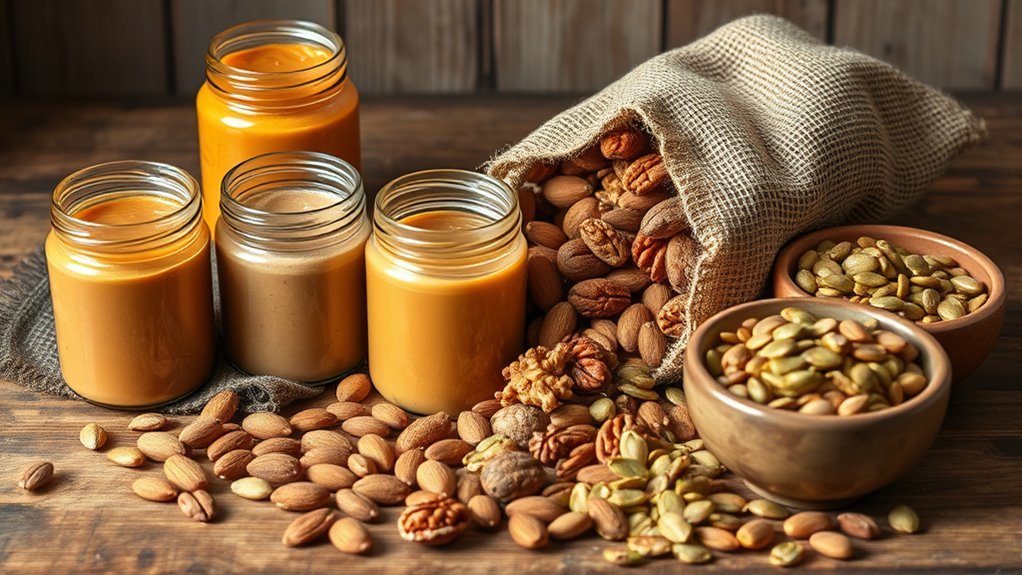
Why include nuts, seeds, and nut butters in your survival storage? They offer dense nutrients and healthy fats essential for long-term energy.
Proper food preservation is key. Store nuts and seeds in airtight containers away from heat and light to extend shelf life and reduce perishability.
Nut butters, especially natural varieties, last up to two years unopened, making them excellent for storage.
Here’s a quick guide:
| Item | Shelf Life | Storage Tips |
|---|---|---|
| Almonds | 6-12 months | Airtight, cool, dark place |
| Peanut Butter | Up to 2 years unopened | Pantry, airtight storage |
| Chia Seeds | 6-12 months | Vacuum-sealed or airtight |
| Walnuts | 6-12 months | Cool, dry, airtight |
| Cashew Butter | Up to 2 years unopened | Avoid added oils/sugars |
Choose nutrient-rich, properly stored nuts, seeds, and nut butters to maximize shelf life.
Dried and Canned Fruits and Vegetables
Although fresh produce spoils quickly, dried and canned fruits and vegetables provide convenient, long-lasting alternatives that fit well into your survival storage. You can extend their shelf life markedly with proper storage.
Here’s how to keep them safe and nutritious:
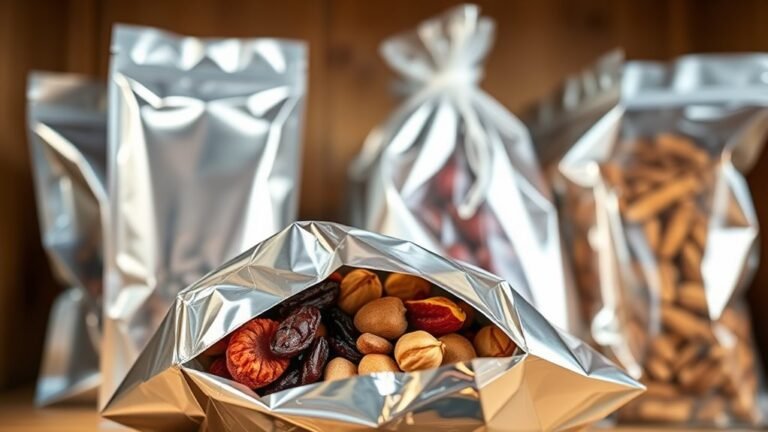
- Store dried fruits like apricots, raisins, and cranberries in airtight packaging with oxygen absorbers. This helps prevent spoilage and preserve their nutrient quality for 6-12 months.
- Keep canned vegetables such as green beans, carrots, and peas in a cool, dark place. Be sure to inspect cans for bulging, rust, or leaks to ensure food safety. Their shelf life ranges from 1-5 years.
- Use airtight storage containers and avoid heat, moisture, and light to maintain quality. This also helps you detect spoilage signs early.
Following these steps helps you maximize your survival food’s longevity and safety. It’s all about keeping things fresh and secure for when you need them most!
Shelf-Stable Dairy and Beverage Options
What can you rely on when fresh dairy and beverages aren’t available? Shelf-stable dairy options like canned evaporated milk, powdered milk, and shelf-stable cheese spreads offer a long shelf life without refrigeration.
UHT milk, packaged in aseptic cartons, stays safe at room temperature for 6-12 months unopened. You can also pick lactose-free and plant-based shelf-stable beverages like soy, almond, or oat milk, all stored in aseptic packaging.
For drinks, powdered mixes such as instant coffee, tea, and electrolytes are lightweight and super easy to prepare with just water. Storing your food properly—in cool, dark, airtight conditions—helps keep quality and safety intact.
Including these shelf-stable dairy and beverage options in your emergency preparedness plan means you’ll have nutritious fluids ready even when fresh supplies run out. It’s a smart move to be prepared!
Frequently Asked Questions
What to Stockpile in Case of WW3?
You should stockpile canned meats, rice, beans, freeze-dried meals, nuts, dried fruits, and high-calorie snacks.
Don’t forget bottled water, purification tablets, portable cooking gear, and vitamin supplements to stay healthy during WW3 disruptions.
What Are 20 Foods That Should Be Stockpiled and Never Expire?
You should stockpile honey, white rice, powdered milk, hardtack, dried beans, salt, sugar, dried pasta, canned vegetables, dehydrated fruits, powdered eggs, peanut butter, jerky, instant coffee, oats, gelatin, vinegar, soy sauce, baking soda, and nuts.
These foods are great because they last forever or close to it. So, you don’t have to worry about them going bad anytime soon.
It makes sense to keep them on hand for emergencies or just to save a trip to the store. Plus, they’re versatile and can help you whip up a variety of meals.
What 5 Foods Can You Survive On?
You can survive on just five foods: rice, beans, canned meats, dried fruits, and water.
Did you know humans can only survive three days without water? So, stay hydrated and rely on these nutrient-packed staples.
What Is the Best Long-Lasting Food for Survival?
You’ll find dehydrated and freeze-dried foods are the best long-lasting options for survival, lasting 25 years or more. They keep nutrients intact and store easily, making them reliable when you need sustenance over time.
These foods are super convenient because they don’t take up much space. Plus, since they last so long, you won’t have to worry about them going bad anytime soon. It’s like having a backup plan that’s ready whenever you need it.
Conclusion
When you stock up on canned proteins, whole grains, nuts, and dried fruits, you’re not just preparing—you’re weaving a safety net that catches you when life’s unpredictable moments fall.
Just like a well-packed pantry mirrors a fortress, these foods stand side by side, ready to fuel and comfort you.
So, as you gather each item, picture them lining your shelves like trusted allies, turning survival into a well-organized, hopeful journey.
Choosing the best foods for survival storage means prioritizing nutrition, shelf life, and versatility. Canned proteins provide essential energy and stay preserved for years, while whole grains offer sustained fuel. Nuts and dried fruits add important nutrients and variety to your meals.
By focusing on these five best foods for survival storage, you build a reliable foundation that supports your health and resilience. With a thoughtful stockpile, you’re not just surviving—you’re thriving, ready for whatever comes next.