5 Best Long Term Food Storage Options
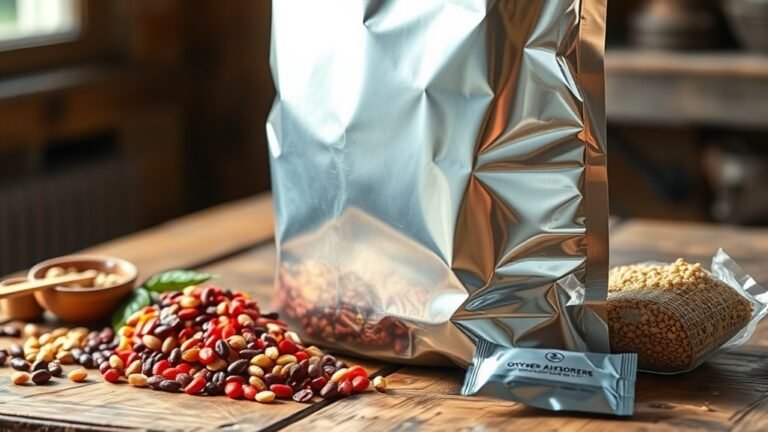
If you’re thinking about long-term food storage, you’ve got some solid options to consider. Using Mylar bags combined with oxygen absorbers is a fantastic way to keep oxygen out and protect your food for up to 30 years. These bags are lightweight and easy to store, making them a popular choice for preserving grains, beans, and other dry goods.
Airtight buckets with gamma lids are another excellent option. They’re sturdy, pest-proof, and perfect for bulk storage. Plus, the gamma lids make it easy to open and reseal the buckets without any hassle.
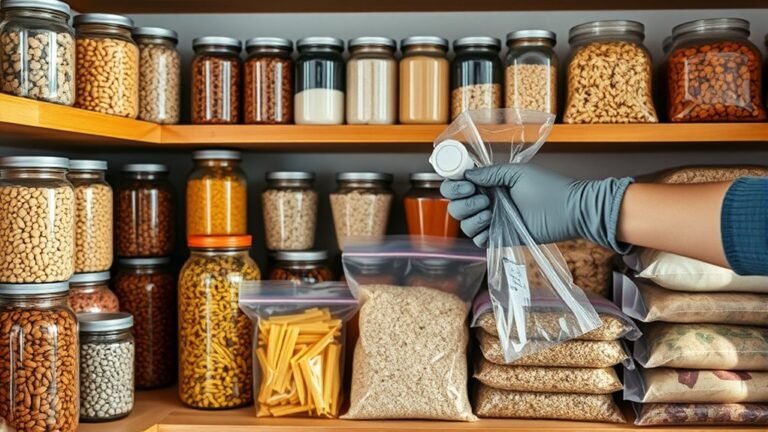
Glass jars work well for keeping dry goods fresh and organized in your pantry. They’re reusable and let you see exactly what’s inside, which helps reduce waste.
Freeze-dried foods are amazing for long-term storage because they last decades and retain most of their nutrients. These are great when you want convenience and nutrition combined.
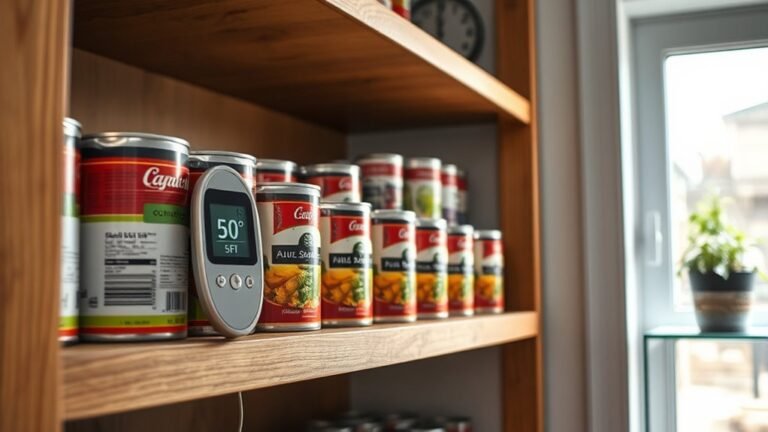
Canned goods, while not as long-lasting as freeze-dried or Mylar-stored foods, offer reliable options for shorter-term storage. They’re easy to find and shelf-stable for a few years.
Together, these five options cover a range of needs for food security and convenience. Whether you want ultimate longevity or quick access, you can find the right storage method for you.
Key Takeaways
- Mylar bags with oxygen absorbers provide up to 30 years of shelf life. They work by eliminating moisture and oxygen in airtight sealed packs.
- Airtight buckets with gamma lids offer pest-proof, leak-proof storage. This helps extend food freshness up to 25 years, especially in cool, dry environments.
- Glass jars with airtight lids and rubber gaskets keep dry goods fresh. Plus, they make it easy to see what you have and keep things organized for long-term pantry storage.
- Freeze-dried foods retain over 98% of their nutrients. When vacuum-sealed and stored properly in dark, cool places, they can last 25-30 years.
- Canned and preserved foods maintain safety and nutrition for 2-5 years. Just be sure to store them in stable, cool, and dark conditions to keep them at their best.
Mylar Bags With Oxygen Absorbers
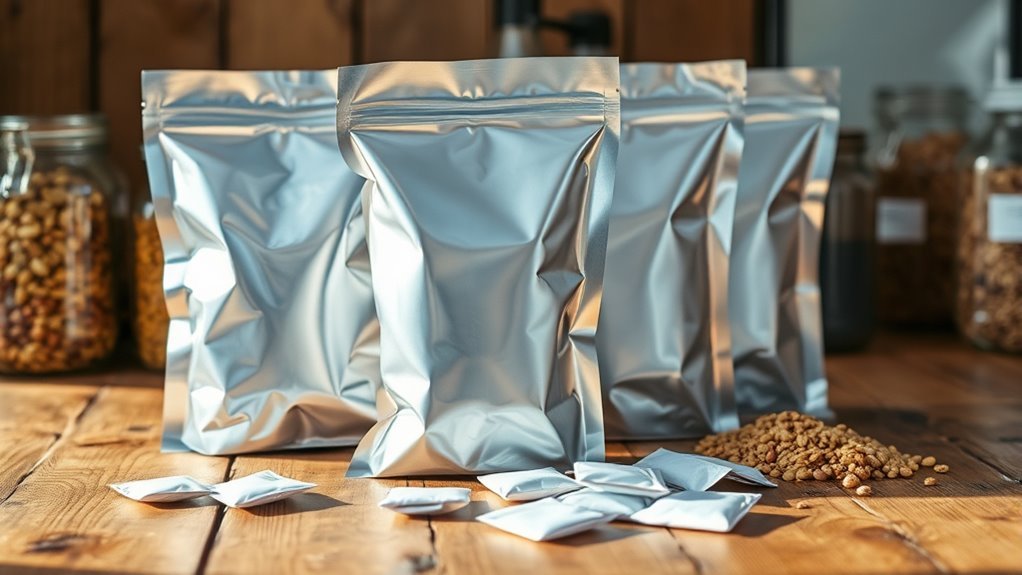
Although many storage options exist, Mylar bags combined with oxygen absorbers offer one of the best solutions for long-term food preservation. You’ll benefit from the moisture barrier and oxygen removal properties of Mylar bags, which are made of metallic polyester film.
When you add oxygen absorbers before airtight sealing, you create a nearly oxygen-free environment that extends your food’s shelf life up to 30 years. This makes Mylar bags ideal for emergency preparedness and a reliable food storage system.
To maximize effectiveness, use a heat sealer or iron to seal the bags properly, ensuring no air or moisture enters during long-term storage. You can store grains, dried beans, or powdered milk confidently knowing your food stays fresh and protected for years.
Airtight Buckets With Gamma Lids
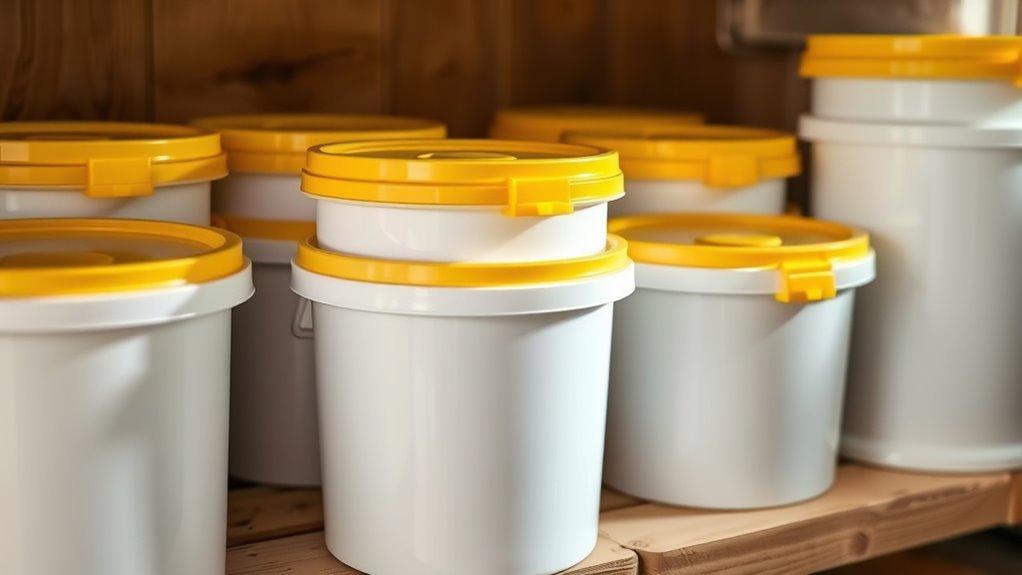
While Mylar bags with oxygen absorbers create an excellent barrier against moisture and air, airtight buckets with gamma lids offer a different set of benefits for long-term food storage.
These storage containers, made from durable plastic, provide a pest-proof environment with an airtight seal thanks to gamma lids’ screw-on design and rubber gasket. This ensures superior food preservation and extends shelf life up to 25 years when stored properly.
Durable plastic containers with airtight gamma lids offer pest-proof storage and extend food shelf life up to 25 years.
Here’s why you should consider them:
- Durable, food-grade plastic protects grains, beans, and dried foods.
- Gamma lids allow easy access and resealing for efficient food rotation.
- Airtight buckets create a pest-proof, leak-proof seal.
- Ideal for long-term food storage in cool, dry, dark spaces.
Using airtight buckets with gamma lids maximizes freshness and convenience. It’s a smart choice if you want to keep your food safe and ready to use whenever you need it.
Glass Jars for Dry Goods
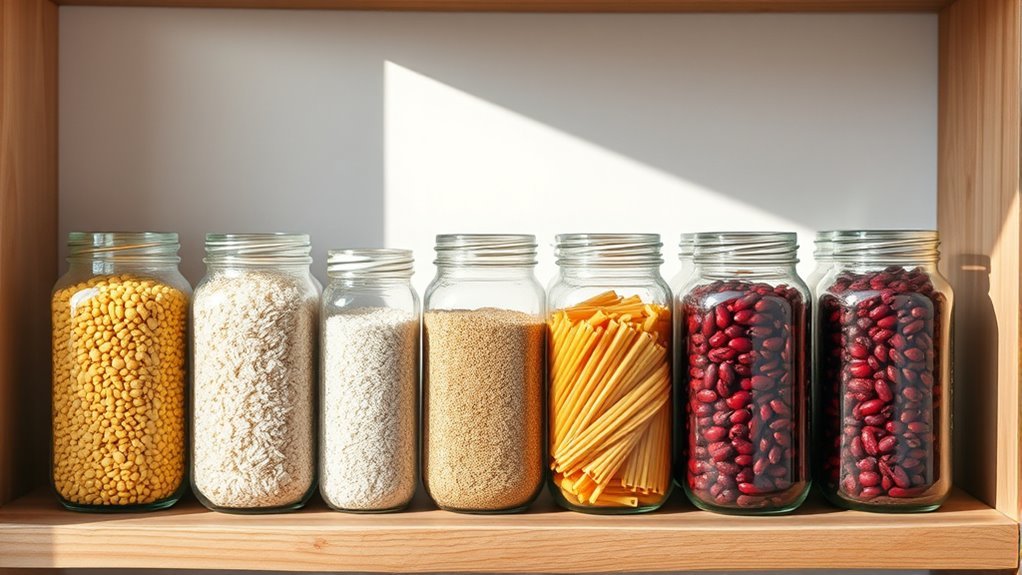
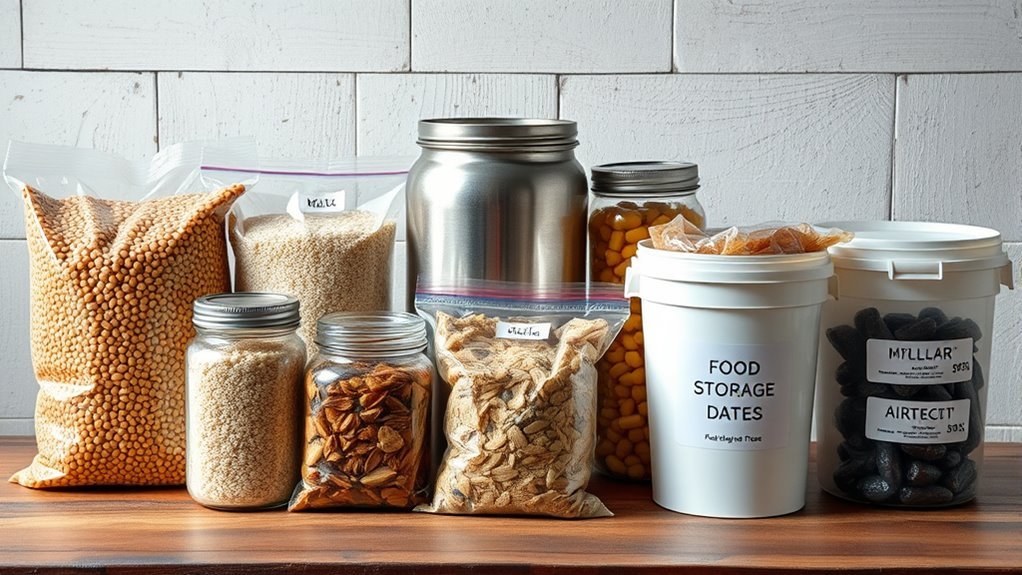
If you want to keep dry goods fresh and visible, glass jars with airtight lids are an excellent option. They offer moisture protection and pest prevention, which is vital for long-term storage of grains, beans, and dried fruits.
Glass jars let you easily track expiration dates, which really helps with food preservation. Plus, they’re reusable containers that cut waste and save money.
| Feature | Benefit | Example Dry Goods |
|---|---|---|
| Airtight lids | Prevent moisture, pests | Rice, beans |
| Clear glass | Monitor inventory, expiration | Lentils, dried fruit |
| Reusable | Eco-friendly, cost-effective | Quinoa, nuts |
| Rubber gaskets | Enhanced seal for freshness | Seeds, flour |
| Oxygen absorbers | Extend shelf life | Powdered milk, spices |
Using glass jars ensures your dry goods stay fresh and safe for years. It’s a smart choice that keeps your pantry organized and your food tasting great.
Freeze-Dried and Air-Dried Foods
How can you maximize the shelf life and nutrition of your stored foods? Freeze-dried and air-dried foods offer excellent options for shelf-stable, long-term storage.
Freeze-dried foods retain over 98% of their nutrients and can last 25-30 years when kept in vacuum-sealed packaging within a moisture-free environment. Air-dried foods, like jerky and dried fruits, are lightweight and store well for 1-2 years in airtight containers away from moisture.
Both types support food security and emergency preparedness due to easy rehydration and minimal prep.
Consider these points to optimize your storage:
- Use vacuum-sealed packaging for freeze-dried foods.
- Store air-dried foods in airtight containers.
- Keep both in cool, dark, moisture-free environments.
- Prioritize nutrient preservation for long-term food security.
Canned and Preserved Foods
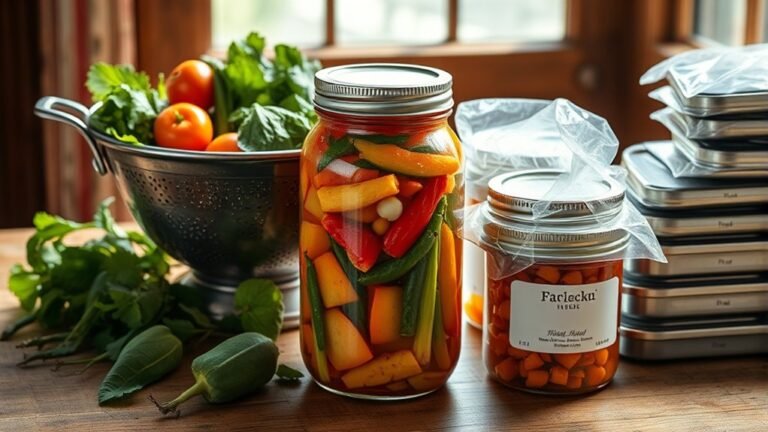
Though canned foods don’t last as long as freeze-dried options, they still provide reliable, nutrient-rich storage for 2 to 5 years when kept cool and dark.
For long-term storage, airtight sealing and proper preservation methods like vacuum-sealed jars extend shelf life and ensure food safety.
Regularly inspect cans for spoilage signs like bulging lids or rust.
Store canned foods in a stable storage area to maximize nutrient retention.
| Food Type | Shelf Life (Years) | Preservation Method |
|---|---|---|
| Vegetables | 2-5 | Airtight Canning |
| Meats | 2-5 | Pressure Canning |
| Fruits | 2-5 | Vacuum-Sealed Jars |
| Freeze-Dried | 20-30 | Freeze-Drying |
| #10 Cans | 10+ | Oxygen Absorbers |
Frequently Asked Questions
What Is the Best Food to Keep for Long-Term Storage?
You’ll want to keep dried grains like wheat, rice, and oats for long-term storage since they last decades. Freeze-dried foods and dry beans also store well, offering nutrition and longevity when sealed airtight in a cool, dark place.
These options are great because they don’t spoil easily. Plus, they’re pretty versatile in cooking, so you won’t get bored eating them over time. Just make sure to keep them away from moisture and heat to maximize their shelf life.
Should I Be Stockpiling Food in 2026?
Yes, you should start stockpiling food in 2026 to guarantee your emergency preparedness. Doing so reduces your reliance on unstable supply chains and helps ensure your family stays secure during unexpected crises or shortages.
It’s all about having peace of mind. When you have a stockpile, you’re not scrambling last minute. Plus, it gives you a buffer against whatever surprises might come your way.
What to Stockpile in Case of WW3?
You should stockpile non-perishable staples like rice, beans, canned meats, freeze-dried foods, and high-calorie emergency rations.
Don’t forget essentials like salt, sugar, vitamins, and water purification to stay prepared during WW3.
Having these basics on hand can really make a difference when access to fresh food and clean water is limited.
What Foods Can I Store for 20 Years?
You can store grains like wheat and rice, freeze-dried fruits and meats, canned low-acid foods, powdered dairy, and dried beans.
Keep them airtight and moisture-proof to guarantee they last up to 20 years or more. That way, your food stays fresh and safe to eat for a long time.
Conclusion
So, if you’re planning to survive the apocalypse—or just avoid that last-minute grocery run—you’ll want to stock up smart. Mylar bags, airtight buckets, glass jars, freeze-dried goodies, and canned foods are your new best friends.
Because who doesn’t dream of sorting through endless containers while society crumbles? Remember, prepping isn’t just about food; it’s about making sure your future self thanks you instead of wondering why you hoarded half the pantry.
When it comes to long-term food storage options, these choices stand out for their durability and shelf life. Mylar bags and airtight buckets keep moisture and pests out, while glass jars offer a reusable and safe storage method. Freeze-dried foods and canned goods provide convenient, nutrient-rich meals that last for years.
In the end, smart prep means combining these options to ensure your food stays fresh and edible through any crisis. So stock up wisely, and your long-term food storage will be your key to peace of mind and survival success. Bon appétit!