How to Choose Safe BPA-Free Plastic for Food Storage
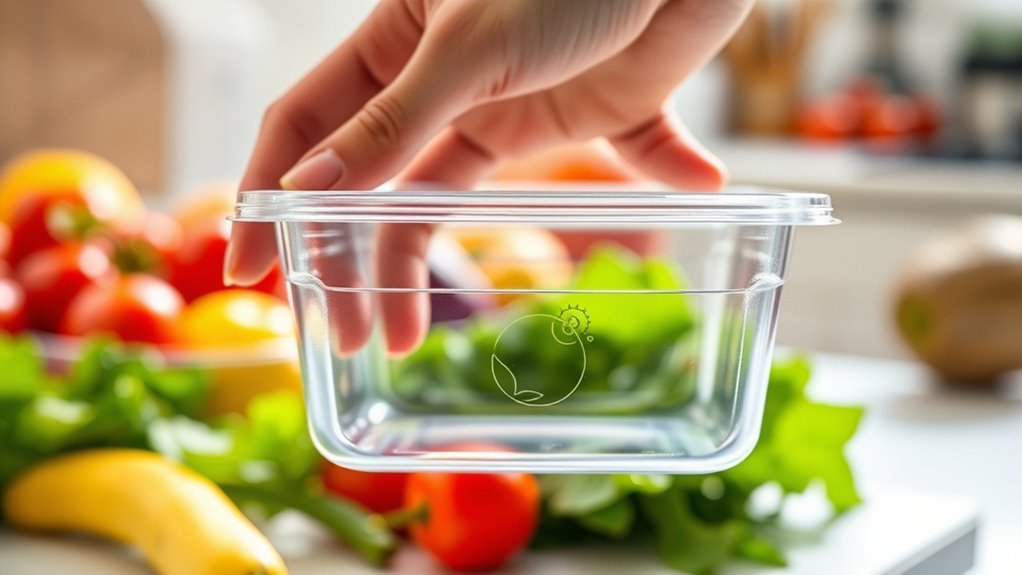
To choose safe BPA-free plastic for food storage, start by looking for the fork and cup symbol. This symbol confirms the plastic is safe for food contact, which is super important when storing your meals.
Focus on plastics with resin codes #2, #4, or #5. These types are generally safer and more durable, making them a smart choice for everyday use.
Try to avoid single-use plastics like #1 (PET) for long-term storage. Instead, prioritize containers that are microwave-safe and impact-resistant.
Silicone options are also great because they help reduce chemical exposure.
Keep these tips in mind, and you’ll find it easier to protect both your food and your health effectively. It’s all about making thoughtful choices that keep your meals fresh and safe!
Key Takeaways
- Look for the fork and cup symbol to confirm the plastic is certified safe for food contact. This little icon is a quick way to know your container is good to go with food.
- Choose plastics with recycling codes #2, #4, or #5, which generally meet food safety standards. These codes usually mean the plastic is less likely to cause problems.
- Avoid relying solely on BPA-free labels, as substitutes like BPS or BPF may still leach chemicals. Just because it says BPA-free doesn’t always mean it’s completely safe.
- Prioritize impact-resistant, microwave-safe containers or silicone for durable and safe food storage. These materials hold up well and are a smart choice.
- Select containers with clear labeling and certifications to reduce chemical exposure and protect food quality. It’s all about keeping your food safe and fresh!
How to Tell If BPA-Free Plastics Are Actually Safe for Food Storage
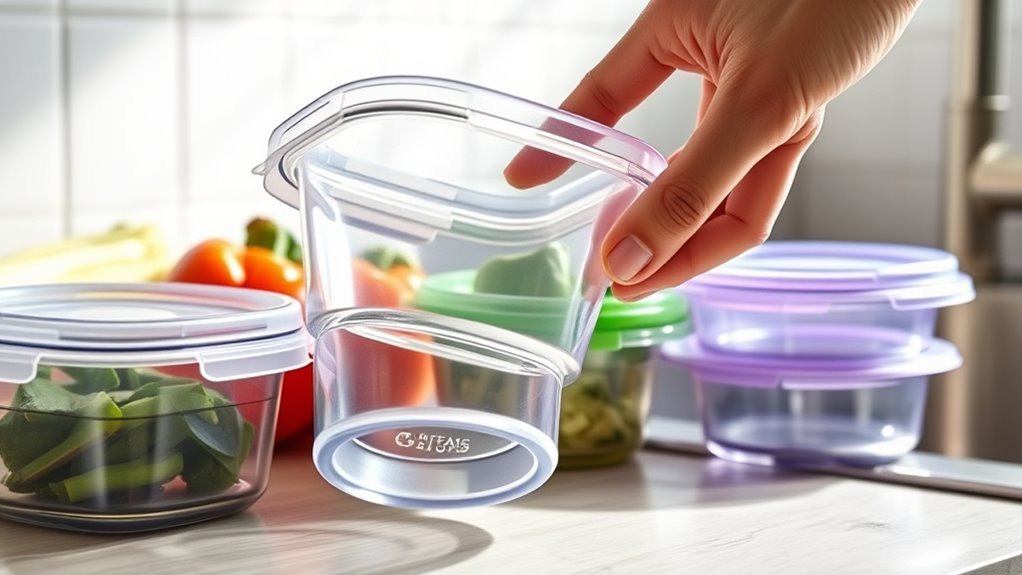
Although many plastics claim to be BPA-free, you need to look beyond the label to guarantee they’re truly safe for food storage. Start by checking for the fork and cup symbol, which confirms the plastic is designated safe for food contact.
Don’t rely solely on BPA-free markings—some plastics may replace BPA with substitutes like BPS or BPF, which can still lead to chemical leaching and pose health risks. Pay attention to resin identification codes; plastic types #1, #2, #4, and #5 generally meet food safety standards better than others.
Avoid plastics lacking clear plastic labeling or certification, as they might not adhere to safety standards and could contain harmful chemicals. Remember, BPA-free doesn’t automatically mean the plastic is inert or free from all risks.
Evaluating these factors ensures you choose containers that truly protect your food and health from unwanted chemical exposure.
What to Look For in BPA-Free Food Storage Containers You’ll Use Every Day
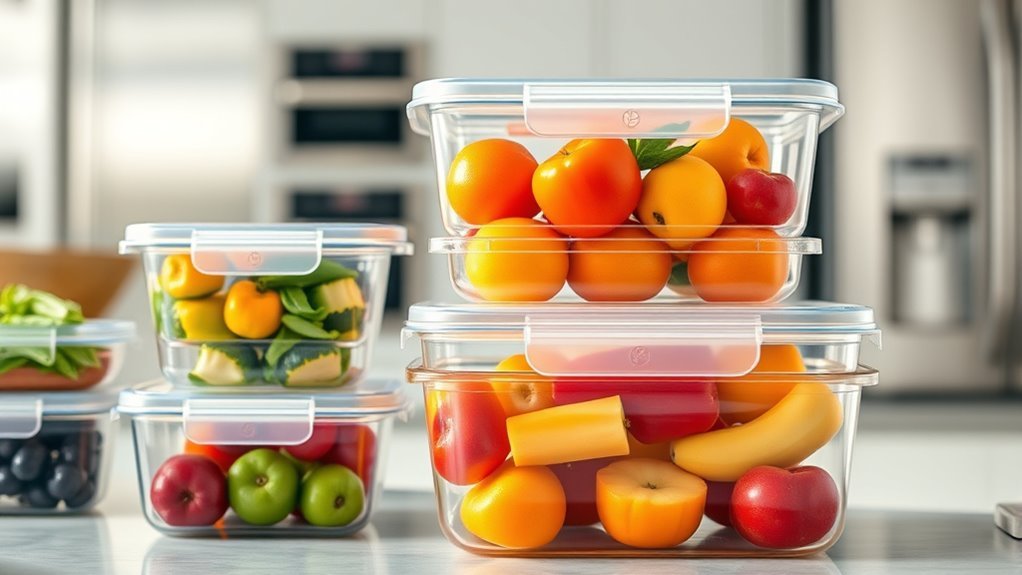
When selecting BPA-free food storage containers for everyday use, you should focus on durability and safety to protect your health and food quality. Look for containers made from food-grade plastics that carry recycling codes #2, #4, or #5. These are generally BPA-free and less prone to chemical leaching.
Avoid single-use plastics like #1 (PET) for long-term storage. Also, confirm containers have the fork and cup symbol to verify food contact safety.
Prioritize impact-resistant, microwave-safe plastics or silicone containers that withstand daily wear without cracking or staining.
| Feature | What to Check | Why It Matters |
|---|---|---|
| Recycling Codes | #2, #4, #5 | Safer, BPA-free plastics |
| Food Contact Safety | Fork & cup symbol | Meets FDA standards |
| Durability | Impact-resistant, microwave safe | Prevents chemical leaching |
| Material Type | Silicone or durable plastics | Long-lasting, safe for reuse |
Choosing wisely helps avoid harmful chemicals and ensures your food stays safe. It’s worth taking a little extra time to pick the right containers!
Frequently Asked Questions
What Is the Least Toxic Plastic for Food Storage?
The least toxic plastic for food storage is polypropylene (#5). You’ll want to choose it because it’s FDA-approved, BPA-free, heat-resistant, and doesn’t leach harmful chemicals.
This means it keeps your food safer during storage and reheating. So, if you’re looking for a reliable and safer option, polypropylene is the way to go!
Do Ziploc Bags Leach Microplastics Into Food?
Yes, Ziploc bags can leach microplastics, especially when exposed to heat, sunlight, or prolonged use.
To stay safe, you should avoid reusing them repeatedly and consider switching to glass or silicone containers instead.
What Is the Healthiest Container to Store Food In?
You’ll find glass and stainless steel containers healthiest since they don’t leach chemicals. Choose high-quality silicone or borosilicate glass for durability and safety.
Avoid plastics that might release toxins to keep your food truly safe. It’s better to be cautious when it comes to what holds your meals, right?
Which Plastic Is Best for Food Storage?
Don’t put all your eggs in one basket—choose plastics labeled #1 (PET), #2 (HDPE), #4 (LDPE), or #5 (PP) for food storage. They’re safe, durable, and often heat-resistant, keeping your food fresh and secure.
These plastics work great because they don’t leach harmful chemicals. Plus, they’re sturdy enough to handle everyday use without breaking down. So, you can trust them to keep your food safe and tasty.
Conclusion
Choosing BPA-free plastics might make you feel safer, but it’s smart to remember that “BPA-free” doesn’t always mean completely safe. Some alternatives can still leach harmful chemicals.
To truly protect your health, look for containers labeled with safer plastics like polypropylene or glass options. These materials are generally more stable and less likely to release toxins into your food.
By being cautious and informed, you’re not just avoiding BPA—you’re making a smarter choice for your food and your family every day. Choosing safe BPA-free plastic for food storage means paying attention to the type of plastic and opting for those proven to be safer, like polypropylene or glass. This way, you reduce your exposure to harmful chemicals and protect your health in the long run. So, when picking containers, always check the labels and choose wisely for safer food storage options.