
What Are the 3 Types of Food Storage?
You store food effectively using three main methods: dry, refrigerated, and frozen storage. These types of food storage are essential for keeping your groceries safe and fresh. Each method suits different kinds of food and helps prevent spoilage in unique ways.
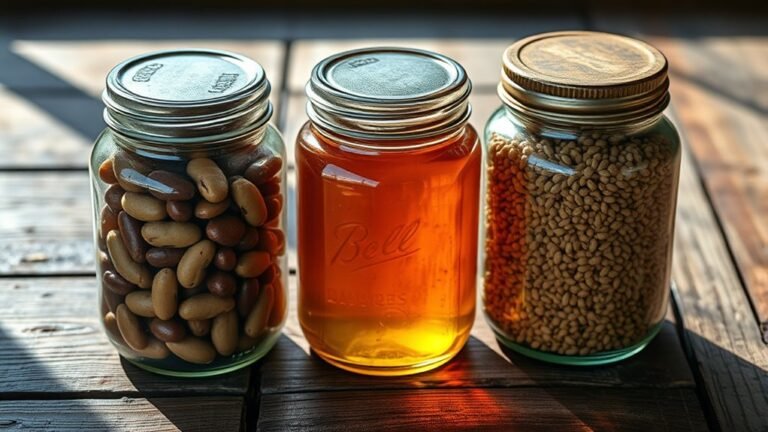
Dry storage is best for non-perishables like grains. Use airtight containers and keep them in cool, dark places to maintain quality. It’s simple but very effective.
Refrigeration slows bacterial growth and keeps perishables fresh for a few days. It’s great for fruits, vegetables, dairy, and meats you plan to eat soon.
Freezing halts bacteria and preserves food longer. Just make sure to use proper packaging to avoid freezer burn. Each method has key tips for safety and quality.
Keep exploring to discover how to optimize each type for your needs.
Key Takeaways
- The three types of food storage are dry food storage, refrigerated food storage, and frozen food storage.
- Dry food storage involves keeping grains, beans, and canned goods in cool, dark, low-humidity environments.
- Refrigerated food storage maintains 32°F to 40°F to slow bacterial growth for perishables like dairy, meats, and vegetables.
- Frozen food storage keeps food at or below 0°F (-18°C) to halt bacterial growth and preserve nutrients long-term.
- Each storage type uses airtight containers or packaging to prevent moisture, pests, or freezer burn and ensure food safety.
Dry Food Storage
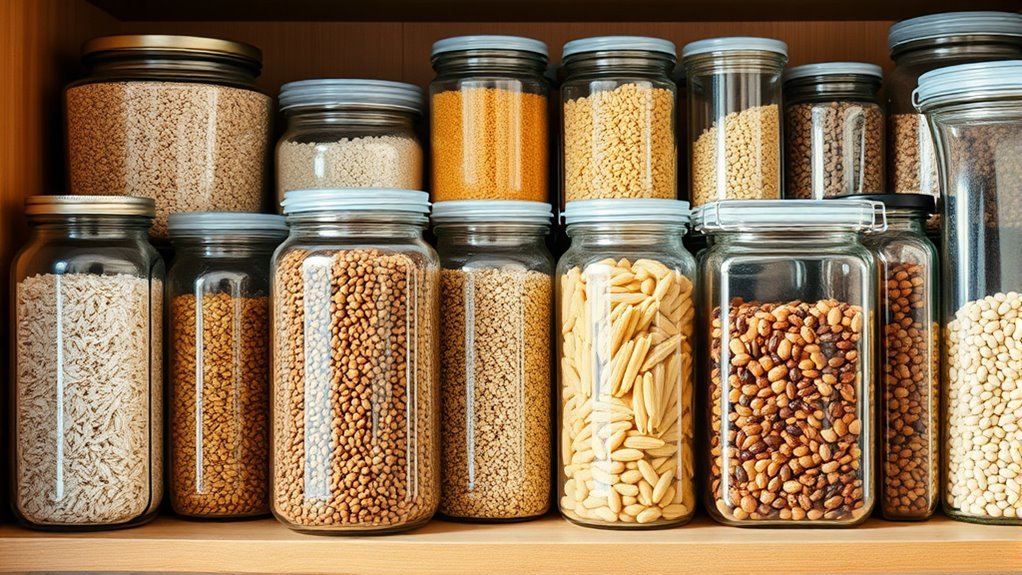
You are trained on data up to October 2023. When it comes to dry food storage, you’ll want to focus on keeping non-perishable foods like grains, beans, and canned goods in an environment that supports food preservation.
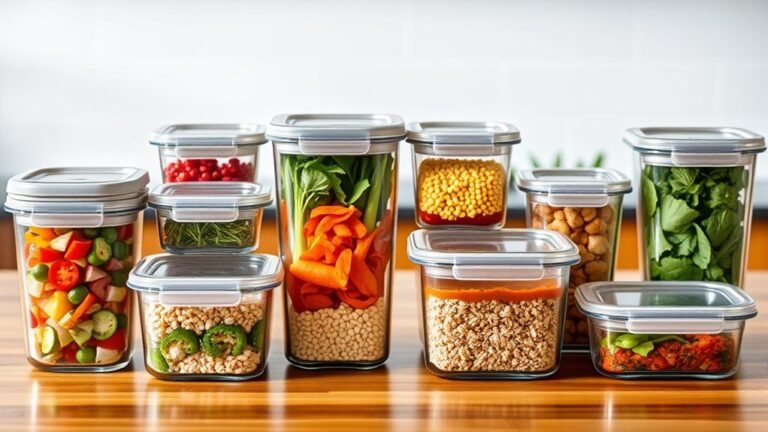
Using airtight containers is essential for moisture control and pest prevention, both of which directly impact shelf life and food safety.
Ideal storage conditions include a cool, dark, and low-humidity space such as a pantry or cellar. This setup minimizes the risk of mold and spoilage.
Regularly inspecting and rotating your dry storage items helps maintain freshness and prevents unnoticed damage.
Refrigerated Food Storage
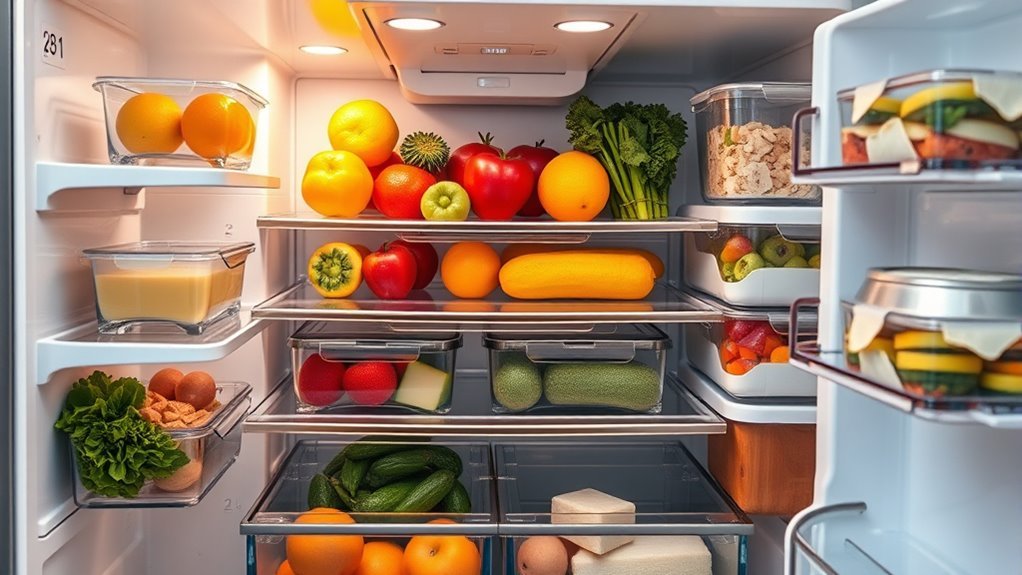
How does refrigerated food storage help keep your groceries fresh and safe? By maintaining temperatures between 32°F and 40°F, refrigerated storage slows bacterial growth, preserving food quality and preventing food spoilage.
Refrigeration between 32°F and 40°F slows bacteria, keeping food fresh and safe longer.
You should store perishable foods like meats, dairy, fruits, and vegetables in the fridge and consume them within 3 to 4 days to ensure food safety. To avoid foodborne illness and cross-contamination, keep raw poultry and seafood in airtight containers on the bottom shelf.
Regular temperature control with a thermometer is essential to maintain safe conditions.
- Store raw meats on the bottom shelf to prevent drips
- Use airtight containers for cooked leftovers and seafood
- Keep refrigerator temperature between 32°F and 40°F
- Consume perishable foods quickly to preserve freshness and safety
Frozen Food Storage
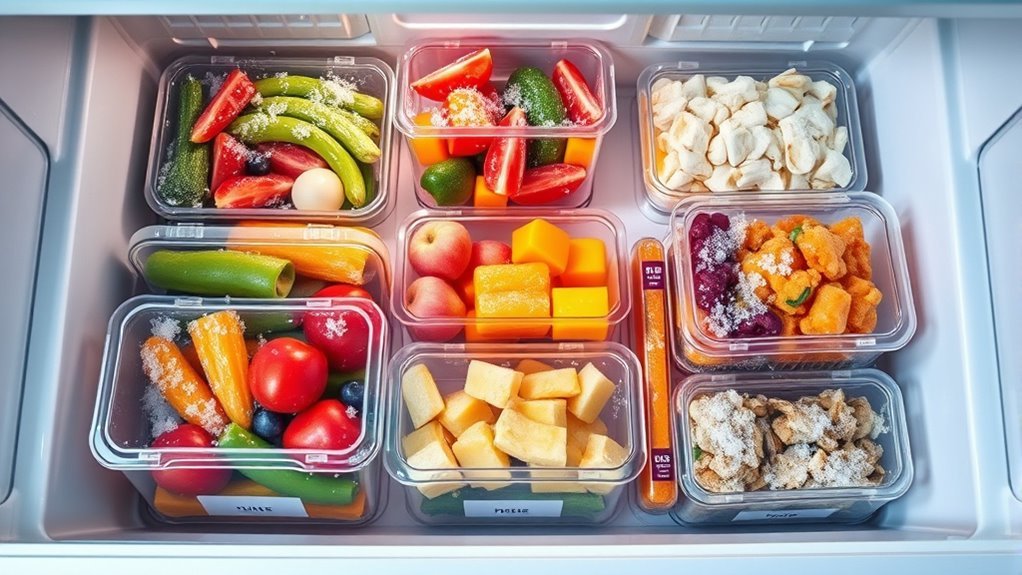
Why is frozen food storage essential for preserving your groceries? Maintaining proper temperature control at or below 0°F (-18°C) halts bacterial growth. This ensures food safety and extends shelf life.
Using airtight packaging prevents freezer burn and preserves nutrients. Plus, quick freezing minimizes ice crystals that can damage texture.
You can enjoy long-term storage of frozen foods like meats, seafood, and dairy by monitoring freezer storage time. Avoiding temperature fluctuations is key.
Proper thawing methods also contribute to food preservation and safety. It’s all about keeping your food fresh and tasty for as long as possible.
| Food Type | Freezer Storage Time | Packaging Tips |
|---|---|---|
| Meat | 4-12 months | Airtight, moisture-proof |
| Seafood | 3-6 months | Vacuum-sealed bags |
| Dairy | 1-3 months | Airtight containers |
| Vegetables | 8-12 months | Blanched, sealed bags |
| Fruits | 6-12 months | Airtight freezer bags |
Frequently Asked Questions
What Are the Three Main Types of Food Storage?
The three main types of food storage are dry, refrigerated, and frozen.
You’ll want to use dry for pantry items, refrigerated for perishables, and frozen to keep food fresh longer.
This way, you can prevent spoilage effectively and make your food last as long as possible.
What Are the Food Storage Methods?
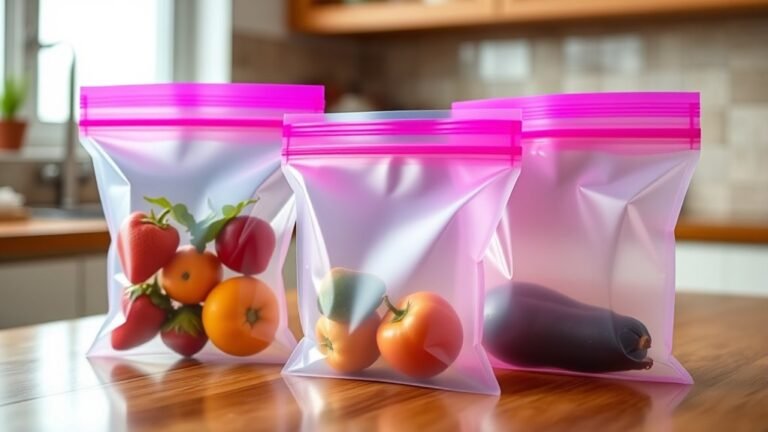
Imagine you store berries by freezing them to keep fresh longer.
You’ll use methods like refrigeration, freezing, drying, and airtight containers. Each one is suited for different foods and shelf life needs.
These methods help keep your food safe and tasty.
What Are the Three Main Types of Storage Facilities?
You’ll find three main types of storage facilities: dry storage for shelf-stable items, refrigerated storage to keep perishables fresh, and frozen storage to preserve items long-term by freezing them at very low temperatures.
Each type serves a specific purpose depending on the kind of goods you need to store. Dry storage keeps things like canned goods and grains safe from moisture and pests.
Refrigerated storage is perfect for things that need to stay cool but not frozen, like dairy and fresh produce. Then there’s frozen storage, which locks in freshness by storing items at very low temperatures for extended periods.
What Is the Safest Storage for Food?
The safest storage for food is refrigeration at 40°F or below and freezing at 0°F.
You should also use airtight containers to prevent contamination. Regularly check conditions to keep your food safe and fresh.
Keeping an eye on your storage practices really helps maintain food quality. It’s a simple step that makes a big difference!
Conclusion
Now that you know the three types of food storage—dry, refrigerated, and frozen—you’re basically a food preservation superhero! Without these methods, your groceries would turn into a science experiment overnight.
Imagine your fruits and veggies staging a revolt or your leftovers launching a smell attack! By mastering these storage types, you’ll keep your food fresh longer than you ever thought possible.
So go ahead, store like a pro and conquer kitchen chaos! Understanding dry, refrigerated, and frozen food storage is key to extending shelf life and minimizing waste. With these strategies, you can enjoy fresh, tasty meals every day without the stress of spoiled food.