How Technology Has Changed Food Storage Step-by-Step
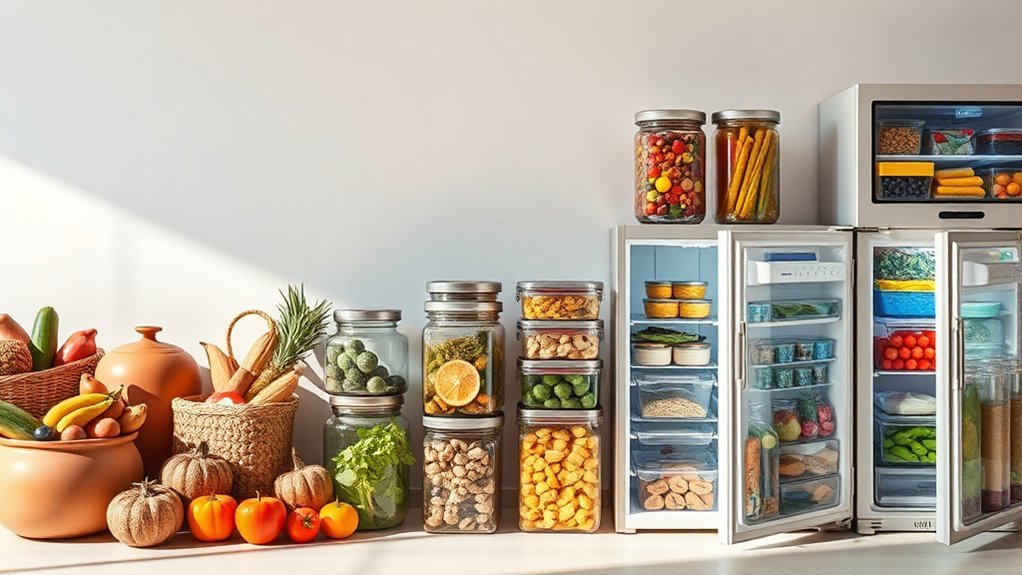
You’ve transformed food storage by using technology that slows spoilage and controls contamination. Starting with airtight containers and refrigeration, you keep foods fresh longer and safer to eat. These basics laid the groundwork for more advanced methods.
Heat treatments like canning and pasteurization kill microbes and seal in safety. Then, drying, irradiation, and high-pressure methods kick in to further extend shelf life by limiting microbial growth. It’s all about keeping your food good for as long as possible.
Next up, modified atmosphere packaging and smart sensors help monitor freshness in real time. This means you get alerts if something’s going off before you even notice. Plus, digital tools and automation optimize storage conditions, helping you prevent waste and enjoy safer, tastier food.
And the best part? There are always more innovations waiting to explore, making food storage smarter and more efficient every day.
Key Takeaways
- Advanced airtight containers and smart packaging help prevent contamination and extend shelf life. They do this by monitoring freshness and environmental conditions in real time.
- Refrigeration and freezing technologies use precise temperature control and quick freezing. This slows microbial growth and helps preserve food texture and flavor.
- Heat treatments like canning and pasteurization, combined with airtight sealing, eliminate pathogens. This keeps food safe during extended storage.
- Controlled atmosphere packaging (MAP/VP) changes the gas composition inside packaging. This stops spoilage organisms and reduces oxidation without using heat.
- IoT-enabled sensors, digital analytics, and automation track storage conditions. They also optimize inventory and predict demand to minimize food waste and spoilage.
Why Food Preservation Matters for Safety and Freshness

Because preserving food slows microbial growth and enzymatic reactions, it plays a significant role in keeping your food safe and fresh. Using proper food storage containers ensures airtight sealing, which helps maintain quality control by preventing contamination and spoilage.
When you choose the right containers, you reduce waste by extending shelf life and keeping flavors, textures, and colors intact. Quality control also involves handling and packaging methods that protect food from physical damage and microbial invasion.
How Refrigeration and Freezing Preserve Food Quality and Safety
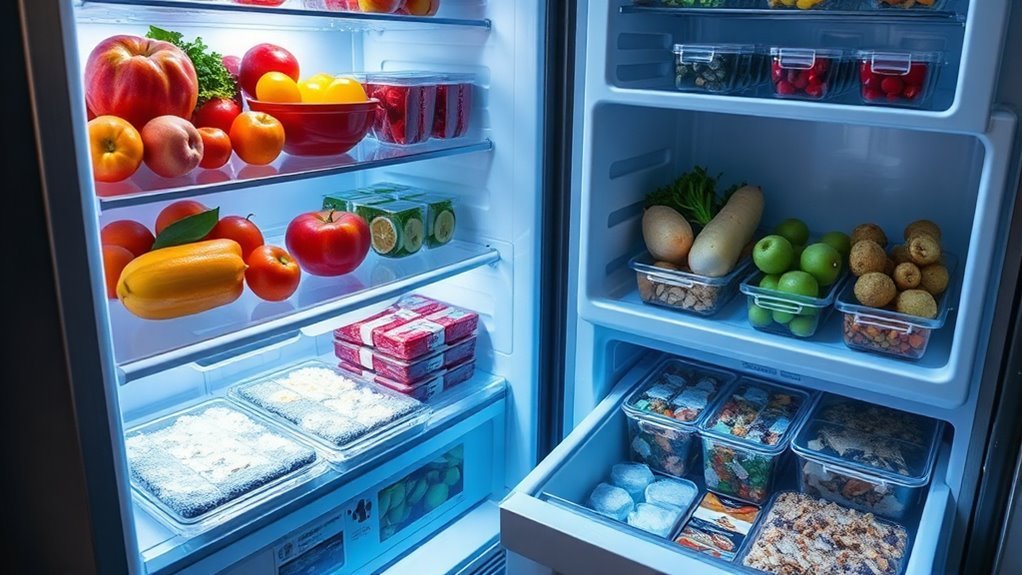
When you lower the temperature through refrigeration, you slow down bacterial and fungal growth as well as enzymatic and chemical reactions that can degrade your food’s flavor, color, and texture. Refrigeration plays a pivotal role in today’s supply chain by using real-time data to monitor and adjust conditions, helping protect food from spoilage during transport and storage.
Freezing takes preservation further by halting most microbial and enzymatic activity, but it’s imperative to freeze food quickly to form smaller ice crystals, preserving texture and moisture. Techniques like crust freezing balance rapid surface freezing with gradual internal cooling to maintain quality.
How Canning and Pasteurization Extend Food Shelf Life at Home
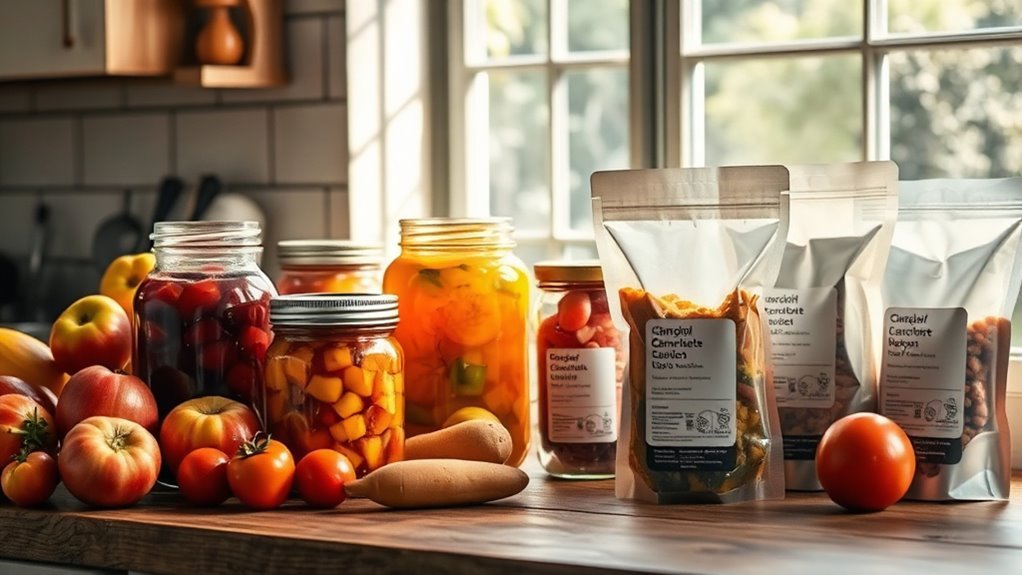
You can extend your food’s shelf life by using canning and pasteurization. These methods apply heat to destroy harmful microbes while sealing in freshness.
They create airtight barriers that keep out contaminants and ensure safety. But keep in mind, they can also affect flavor and nutrients to varying degrees.
Understanding how heat treatment and proper sealing work helps you store food safely. It’s all about balancing safety without compromising quality.
Heat Treatment Benefits
Although it requires careful control of temperature and timing, heat treatment methods like canning and pasteurization effectively extend food shelf life at home by destroying harmful microorganisms.
When you use canning, heating food in airtight containers kills bacteria like C. botulinum and its spores, preventing spoilage and dangerous botulism. Pasteurization works by heating liquids such as milk just enough to eliminate pathogens while preserving flavor and texture.
Both methods reduce microbial load and rely on preventing recontamination. To provide real-time assurance of safety, you must monitor temperature and processing time precisely.
This control is vital because any breach in packaging can allow microbes back in, negating benefits. By mastering heat treatment, you make your stored food safer and longer-lasting without relying on preservatives.
Sealing And Safety
Because food safety hinges on airtight sealing, canning and pasteurization rely on creating a strong barrier that keeps out contaminants after heating destroys harmful microorganisms.
When you can food at home, you place it in a sealed container and heat it enough to kill bacteria, including heat-resistant spores like Clostridium botulinum. This prevents spoilage and dangerous botulism in oxygen-free environments.
Pasteurization, on the other hand, heats liquids such as milk to kill pathogens while preserving flavor. Though, it doesn’t make products shelf-stable like canning does.
You must make sure your jars or cans aren’t punctured, crushed, or rusty because any leak compromises the airtight seal, allowing microbes in. If you spot damaged containers, discard them immediately to keep your food safe and extend its shelf life effectively.
Nutritional And Flavor Changes
Proper sealing and heating not only keep food safe but also influence how its nutrition and flavor hold up over time. When you can food, sealing it airtight and heating it destroys microorganisms that cause spoilage, preserving taste and nutrients longer.
Pasteurization works similarly for liquids like milk, killing pathogens while keeping flavor close to fresh. Although heat can reduce some nutrients, proper processing balances safety with quality retention.
Heat also slows enzymes and chemical reactions, which helps prevent off-flavors caused by microbial growth. Just remember, if a can’s seal is broken or heating is insufficient, microorganisms can return, risking spoilage and serious hazards like botulism.
How Drying and Dehydration Naturally Prolong Food Storage
When you remove water from food through drying or dehydration, you lower its water activity. This makes it harder for microbes to grow and enzymes to react.
This natural process helps extend shelf life but can also change the food’s nutrients, texture, and flavor depending on how it’s done.
Knowing these trade-offs helps you pick the best way to keep your food safe and tasty.
Water Removal Benefits
By removing water from food, drying and dehydration make it much harder for microorganisms to grow and enzymes to react. This naturally extends how long your food stays fresh.
When you lower water activity (aw), you reduce moisture that spoilage agents need. So, your dried foods resist spoilage even without refrigeration.
You can dry foods naturally with sun and airflow or use controlled heat and airflow in ovens or dehydrators to remove water efficiently. This flexibility makes drying a practical way to preserve foods for long-term storage and transport.
However, since drying affects nutrient levels, flavor, and texture, controlling temperature and drying time is key for quality. Overall, reducing water content directly links to better shelf-life and less biochemical breakdown in your stored foods.
Microbial Growth Reduction
Reducing water content in food doesn’t just slow spoilage—it directly limits microbial growth. When you dry or dehydrate food, you lower its water activity (aw), making it tough for bacteria, molds, and yeasts to survive and multiply.
Since microbes need a certain aw threshold, removing moisture extends shelf life without requiring extreme heat treatments. Drying methods like sun exposure, ovens, microwaves, or dehydrators remove water by applying heat and airflow, effectively halting microbial reproduction.
Enzymes that drive spoilage also slow down because less water means reduced catalytic activity. By controlling moisture removal, you can naturally prolong food storage safely and effectively.
This way, you reduce reliance on preservatives or refrigeration while maintaining quality longer than fresh food.
Nutrient and Texture Changes
Drying and dehydration techniques naturally extend your food’s shelf life by removing moisture, which lowers water activity and slows down microbial growth and enzyme-driven spoilage reactions. While drying stabilizes food, it can reduce heat-sensitive nutrients like vitamin C and some B vitamins.
You’ll notice texture changes too—foods often turn crisp or crunchy as proteins and starches lose water structure. Over time, nutrient loss and flavor changes may occur due to oxidation or browning, so how dry and well-sealed your food is matters a lot.
| Aspect | Effect |
|---|---|
| Moisture removal | Slows microbial/enzyme activity |
| Heat + airflow | Speeds drying, may reduce vitamins |
| Low water activity | Prolongs shelf life |
| Texture | Crisp/crunchy or rehydration softness |
| Storage conditions | Influence nutrient and flavor retention |
How Irradiation and High Pressure Help Keep Food Fresh Longer
Although traditional methods like refrigeration remain popular, advanced techniques such as irradiation and high pressure processing (HPP) have revolutionized how we keep food fresh longer.
Irradiation uses ionizing radiation—gamma rays, X-rays, or electron beams—to break down microorganisms’ DNA and cell membranes. This effectively inactivates spoilage-causing pathogens and extends shelf life.
Meanwhile, HPP applies extremely high pressure, up to 600 MPa, to disrupt microbial structures without heat. This helps preserve food’s flavor and texture better than traditional heat treatments.
Both methods physically inactivate microbes, reducing spoilage risks and allowing products to stay fresh longer. However, you still need proper packaging and handling since microbes can survive if storage conditions like temperature and oxygen exposure aren’t well controlled after treatment.
These technologies complement, rather than replace, existing food preservation practices. So, it’s best to think of them as part of a bigger toolbox for keeping food fresh.
Modified Atmosphere and Vacuum Packaging for Fresher Food
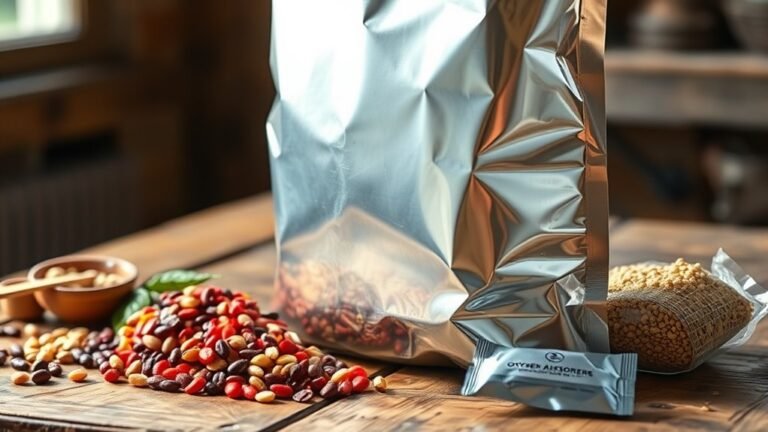
You can greatly extend your food’s freshness by using Modified Atmosphere Packaging (MAP) or Vacuum Packaging (VP). MAP replaces the air inside a package with a controlled mix of gases like CO₂, N₂, and O₂, slowing microbial growth and enzymatic activity.
CO₂ effectively suppresses spoilage organisms, while N₂ acts as an inert filler to reduce oxygen. VP removes most air, creating low-oxygen conditions that prevent aerobic microorganism growth and reduce oxidation, preserving flavor and color.
Both methods work best with proper sealing, suitable packaging materials with good oxygen and moisture barriers, and strict temperature control. These techniques are especially useful for fresh produce.
They extend shelf life without heat treatment and help maintain quality until you’re ready to enjoy your food.
How Smart Packaging and Nanotech Monitor and Protect Food
Smart packaging steps up food safety by using built-in sensors and indicators that track conditions like temperature, pH, and freshness. These give you clear signals when spoilage risks arise, so you know exactly when food might not be safe to eat.
Smart packaging uses sensors to monitor freshness and spoilage, alerting you when food safety is at risk.
These indicators often change color or activate labels to warn you if food has been exposed to unsafe temperatures during cold-chain handling. That’s super important because freezing alone doesn’t kill all microorganisms.
Nanotechnology enhances packaging with nanoparticles and nanocoatings that improve barriers against oxygen and moisture. This helps slow down spoilage and microbial growth, keeping your food fresh for longer.
Some smart packaging even releases antimicrobial or antioxidant agents. This means it can protect food quality beyond just refrigeration or modified atmosphere packaging.
Plus, by continuously monitoring package materials and storage conditions, smart systems help maintain the protective atmosphere longer. So, your food stays fresher and safer throughout its shelf life.
How Digital Tools and Automation Enhance Food Storage and Preservation
As digital tools and automation move forward, they’re transforming how we design, manufacture, and handle food storage solutions. You can now depend on digital design tools like CAD and 3D printing to create improved containers and lids faster, shortening time-to-market for customized preservation options.
IoT-enabled packaging and sensors let you track temperature and freshness in real time, identifying risks sooner than manual checks. It’s pretty cool how these smart systems catch problems early, so food stays safer for longer.
Smart manufacturing with robotics and real-time analytics guarantees higher quality control, lowering defects that undermine protection against oxygen, moisture, and light. This means better products that actually work to keep food fresh.
Automated inventory tracking and demand forecasting help you prevent excess stock and spoilage by maintaining appropriate temperatures during storage and distribution. Plus, connected digital platforms simplify locating the right storage solutions for your specific refrigeration or freezing needs.
All in all, these digital advances make food storage smarter, more reliable, and way more efficient. It’s a win-win for businesses and consumers alike!
Frequently Asked Questions
What Environmental Impacts Do Modern Food Storage Technologies Have?
You’ll see modern food storage reduces waste and energy use but also increases plastic pollution and greenhouse gas emissions from refrigeration.
Balancing these impacts means choosing eco-friendly materials and energy-efficient technologies whenever possible. It’s all about finding that sweet spot between convenience and sustainability.
How Do Cultural Differences Influence Food Storage Technology Adoption?
Imagine you’re planting seeds in different soils; cultural values shape which food storage technologies you’ll nurture. You’ll adopt methods that honor traditions, climate, and tastes.
It’s all about blending innovation with what feels familiar and trusted. That way, new ideas fit right in with old habits.
What Are the Most Common Materials Used in Smart Food Containers?
You’ll find smart food containers mostly use BPA-free plastic, silicone, and tempered glass. These materials balance durability, safety, and transparency while integrating sensors or chips to monitor freshness and temperature.
This helps keep your food fresh longer. Plus, the materials are safe to use and easy to clean, which is a big bonus!
How Secure Is the Data Collected by Iot Food Storage Devices?
You should know data security varies by device; many IoT food storage devices use encryption and secure cloud services, but vulnerabilities exist.
Always update firmware and choose trusted brands to protect your data from potential breaches. It’s a good idea to stay informed about the latest security updates for your device.
Can Food Storage Technology Reduce Food Allergies or Contamination Risks?
Yes, food storage technology can reduce contamination risks by monitoring freshness and preventing spoilage.
While it doesn’t directly prevent allergies, it helps you avoid cross-contamination, keeping your food safer and healthier overall.
Conclusion
You might think new food storage tech is too complicated or costly, but it’s actually designed to make your life easier and keep your food fresher longer.
From smart packaging that alerts you to spoilage to digital tools that automate storage conditions, these innovations help reduce waste and save money.
Embracing these advances means you get safer, tastier food with less hassle—definitely worth giving a try in your kitchen!
With technology changing food storage step-by-step, these smart solutions are making a real difference. They help preserve freshness, extend shelf life, and cut down on waste, which is great for both your wallet and the environment. So, if you want to enjoy fresher food and save money, adopting these new food storage technologies is a smart move. It’s all about making your kitchen life easier while keeping your food safe and delicious!