Blog

  • How Do I Seal Mylar Food Storage Bags in 5 Easy Steps?

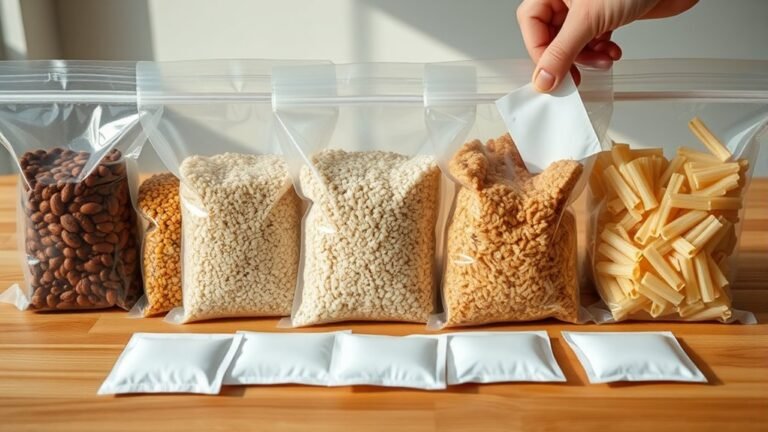
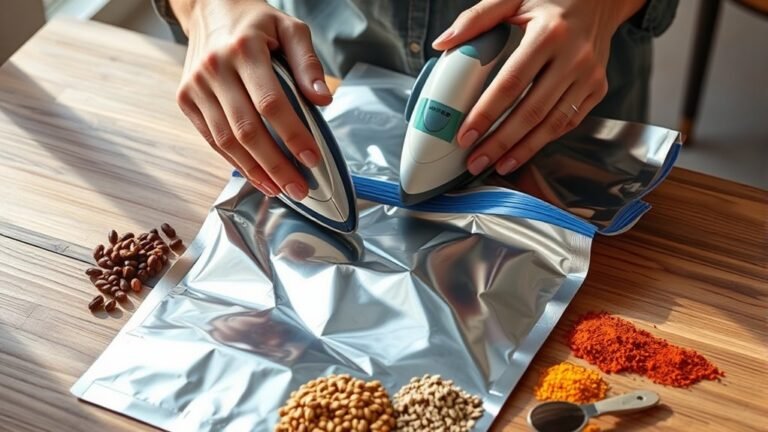
    To seal Mylar food storage bags in five easy steps, start by gathering your bags, oxygen absorbers, heat sealer or iron, and a clean surface.

    Next, fill the bag with dry food, leaving space at the top. Add an oxygen absorber and press out excess air.

    Then, seal the top edge firmly with your heat source. Finally, test the seal for leaks and label the bag for storage.

    Keep going to discover useful tips for perfect seals every time.
  • Glass Is Better Than Plastic for Food Storage: 5 Factors to Consider

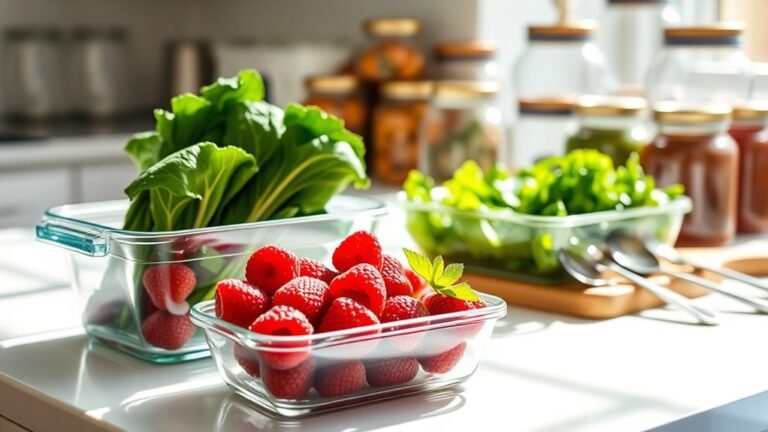
    You’ll find glass containers better than plastic for food storage because they keep your food safer—free from harmful chemicals like BPA—and preserve its true taste without odors.

    Glass is eco-friendly, fully recyclable, and avoids adding microplastics to the environment. It resists stains, handles heat well for cooking or reheating, and cleans easily without retaining residues.

    Stick with glass, and you’ll discover even more reasons why it’s the smarter, healthier choice for your kitchen. Trust me, once you switch, you won’t look back!

  • Are Ziploc Bags Safe for Food Storage and Use?

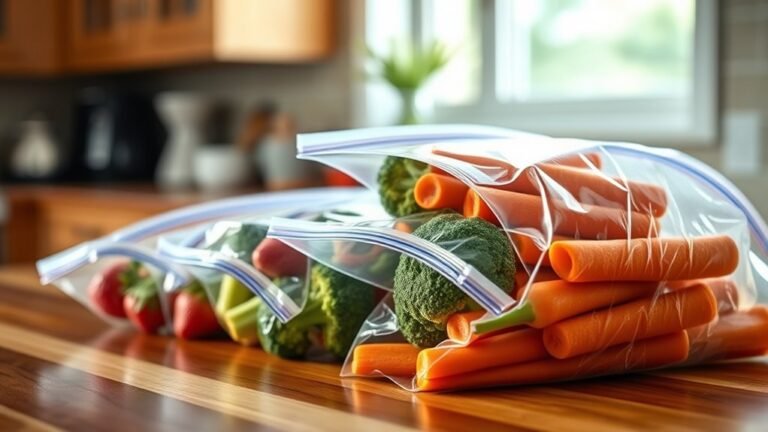
    You can safely store and reheat food in Ziploc bags if you follow proper guidelines. Choose BPA-free, microwave-safe bags and always vent steam to avoid bursting.

    Just remember, avoid exposing standard bags to boiling water or extreme heat to prevent melting. These little tips can really help keep things safe.

    Keep in mind, these bags aren’t biodegradable and add to plastic waste. If you want to learn about safer handling and eco-friendly alternatives, there’s plenty more to explore.

    It’s all about keeping your food safe and the planet healthy at the same time!

  • Are Plastic Food Storage Containers Safe to Use?

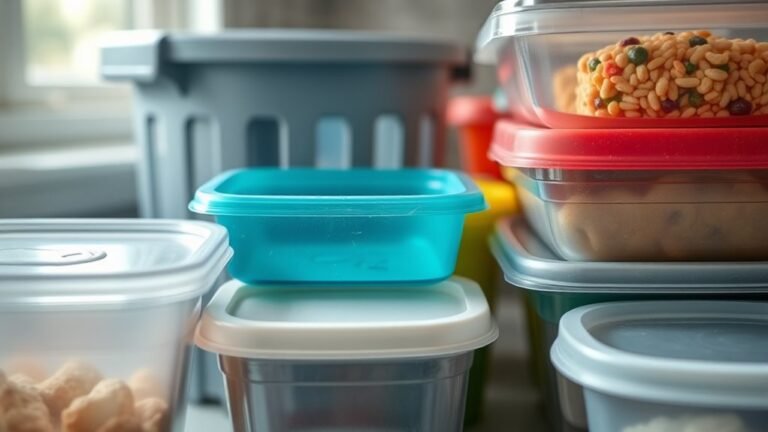
    You can safely use plastic food storage containers if you pick the right types and handle them properly. Choose plastics labeled 1, 2, 4, or 5, as these are generally safer and food-grade.

    Avoid those marked 3 or 6, which contain harmful chemicals like phthalates or styrene. Always let hot foods cool before storing, don’t microwave plastics, and replace containers that are worn or stained.

    Keep these essentials in mind, and you’ll find even more ways to protect your health with smart storage choices. It’s really about being a little careful and making smart decisions.

  • Are Plastic Food Storage Containers Recyclable?

    You can recycle many plastic food storage containers, but it depends on the plastic type and your local program. Look for recycling numbers 1, 2, 4, or 5 on the container—that’s usually a good sign they’re accepted.

    Make sure you rinse them well to avoid contamination. Avoid plastics marked 3, 6, or 7, as they’re often not recyclable curbside.

    Want to know how to identify and prepare containers correctly? Keep exploring for helpful tips.

  • 7 Tips to Organize Your Food Storage Efficiently

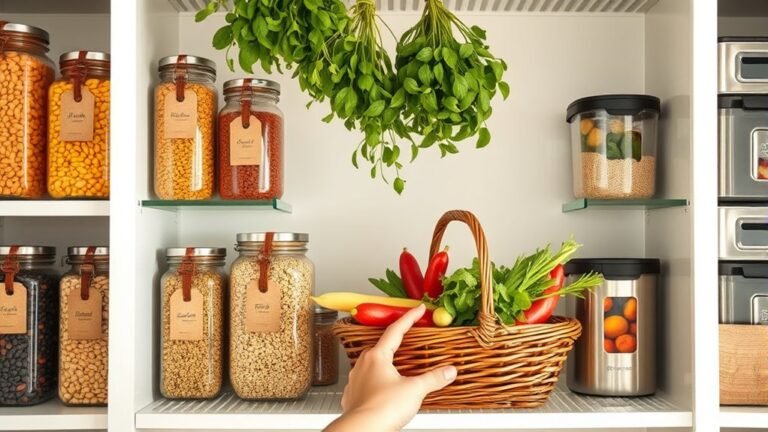
    To organize your food storage efficiently, start by creating dedicated zones for each food type and use containers that fit those categories. Measure your cabinets to maximize space with stackable containers and shelving.

    Placing containers on their side makes label viewing super easy. Don’t forget to incorporate baskets and trays to keep small items together—they really help reduce clutter.

    You might want to consider using drawers for better access, too. Mapping out your kitchen layout is a great way to maintain order and adapt your system as needed.

    Keep going to uncover more smart storage strategies tailored to your space. You’ll be surprised how a little planning can make a big difference!

  • 7 Tips for Proper Food Storage in the Fridge

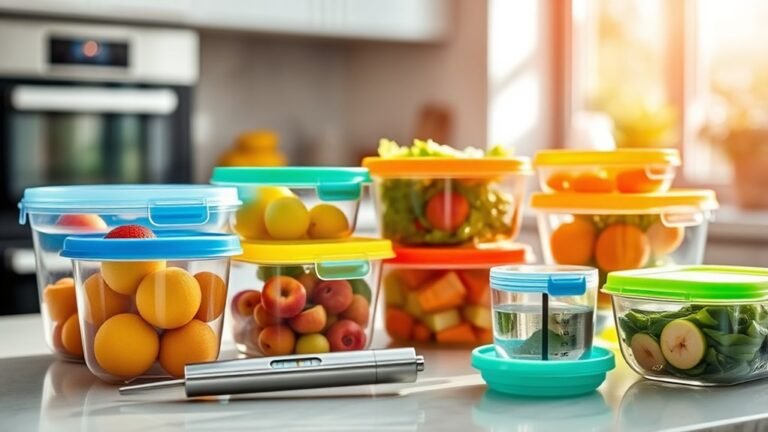
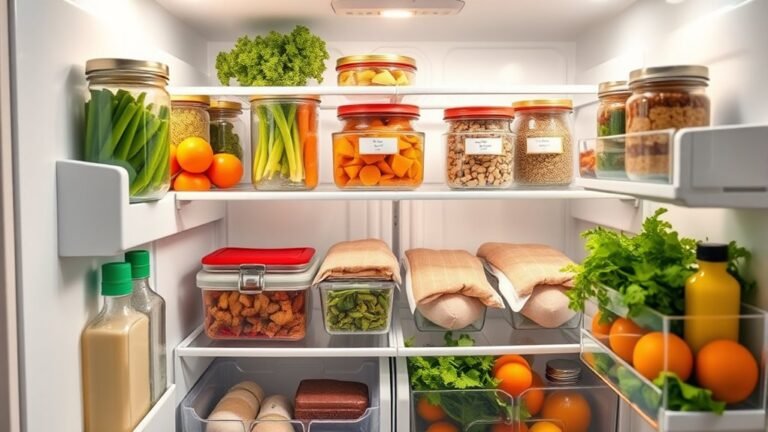
    Keep your fridge at or below 4°C to slow bacterial growth and use a thermometer for accuracy. Organize foods by type, placing raw meat on the bottom shelf in leak-proof containers to avoid contamination.

    Store leftovers in airtight containers and wrap produce properly for freshness. Use crisper drawers to control humidity for fruits and veggies.

    Clean your fridge regularly and label items with dates to track freshness. If you want to master fridge storage, there’s more to explore for *ideal* food safety and waste reduction.

  • 7 Stores That Sell Quality Food Storage Containers

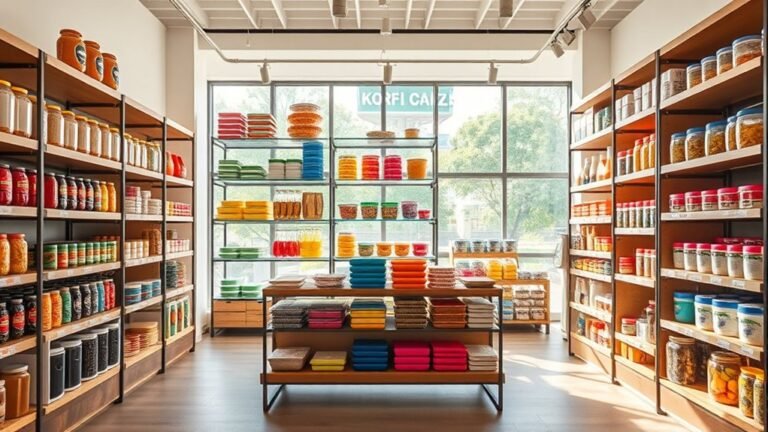
    You can find quality food storage containers at popular stores like Target, Walmart, Bed Bath & Beyond, Amazon, Trader Joe’s, IKEA, and Williams Sonoma. These retailers offer trusted brands such as Pyrex, Tupperware, and Rubbermaid, featuring airtight, leakproof seals and durable materials like glass and BPA-free plastic.

    Whether you want budget-friendly sets or premium options, these stores provide great variety. If you keep exploring, you’ll discover how to choose containers that maximize freshness and kitchen organization.

  • 7 Steps to Use Silica Gel Packets for Food Storage

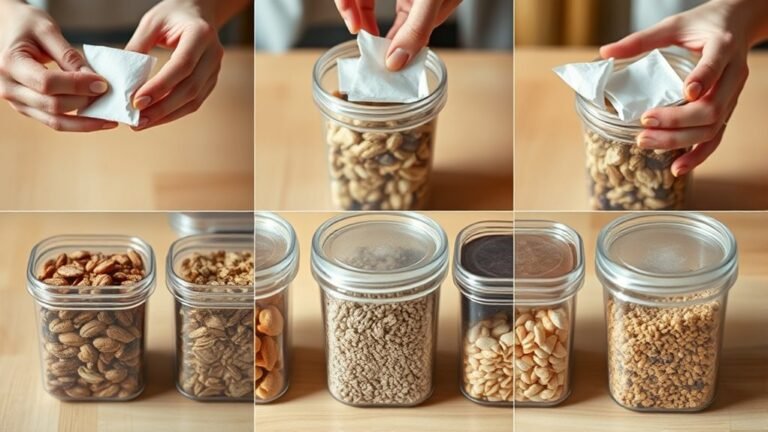
    To use silica gel packets for food storage, first make certain you have food-grade packets labeled safe for contact. Choose dry foods like rice or dried fruit and store them in clean, airtight containers.

    Place multiple packets evenly inside to absorb moisture. Seal containers tightly to prevent humidity from sneaking in.

    Keep an eye on the packets for saturation. When they get damp, dry or replace them as needed to keep them working effectively.

    Follow these steps and you’ll keep your food fresh longer and safer. Want to get even better at moisture control? Dive deeper into the techniques and become a pro!

  • 7 Steps to Use Oxygen Absorbers for Food Storage

    To use oxygen absorbers for food storage, first pick the right size for your container. Make certain your containers and food are clean and dry.

    Quickly place the absorber inside, avoiding direct contact with food. Seal the container airtight immediately to lock out oxygen.

    Store it in a cool, dark spot with low humidity. Check your stored food regularly for any issues.

    Keep leftover absorbers sealed tightly for future use. Following these steps prepares you to preserve your food longer and better.