Blog

  • Are Plastic Food Storage Containers Safe to Use?

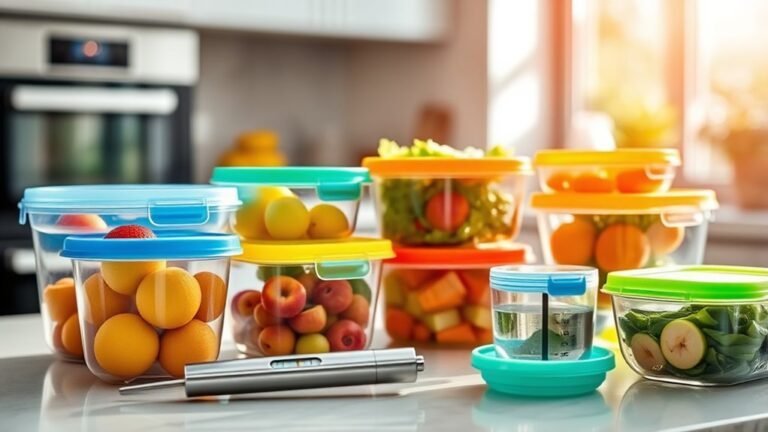
    You can safely use plastic food storage containers if you pick the right types and handle them properly. Choose plastics labeled 1, 2, 4, or 5, as these are generally safer and food-grade.

    Avoid those marked 3 or 6, which contain harmful chemicals like phthalates or styrene. Always let hot foods cool before storing, don’t microwave plastics, and replace containers that are worn or stained.

    Keep these essentials in mind, and you’ll find even more ways to protect your health with smart storage choices. It’s really about being a little careful and making smart decisions.
  • Are Plastic Food Storage Containers Recyclable?

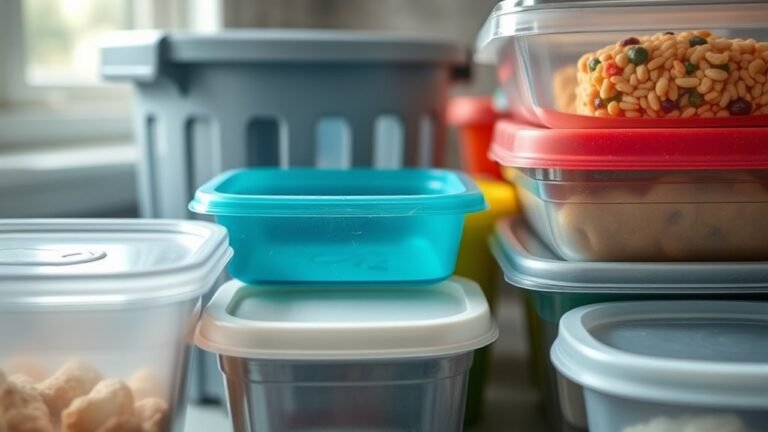
    You can recycle many plastic food storage containers, but it depends on the plastic type and your local program. Look for recycling numbers 1, 2, 4, or 5 on the container—that’s usually a good sign they’re accepted.

    Make sure you rinse them well to avoid contamination. Avoid plastics marked 3, 6, or 7, as they’re often not recyclable curbside.

    Want to know how to identify and prepare containers correctly? Keep exploring for helpful tips.

  • 7 Tips to Organize Your Food Storage Efficiently

    To organize your food storage efficiently, start by creating dedicated zones for each food type and use containers that fit those categories. Measure your cabinets to maximize space with stackable containers and shelving.

    Placing containers on their side makes label viewing super easy. Don’t forget to incorporate baskets and trays to keep small items together—they really help reduce clutter.

    You might want to consider using drawers for better access, too. Mapping out your kitchen layout is a great way to maintain order and adapt your system as needed.

    Keep going to uncover more smart storage strategies tailored to your space. You’ll be surprised how a little planning can make a big difference!

  • 7 Tips for Proper Food Storage in the Fridge

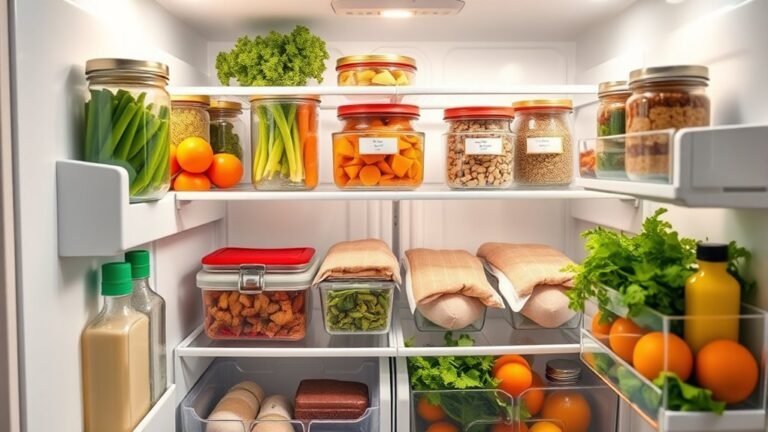
    Keep your fridge at or below 4°C to slow bacterial growth and use a thermometer for accuracy. Organize foods by type, placing raw meat on the bottom shelf in leak-proof containers to avoid contamination.

    Store leftovers in airtight containers and wrap produce properly for freshness. Use crisper drawers to control humidity for fruits and veggies.

    Clean your fridge regularly and label items with dates to track freshness. If you want to master fridge storage, there’s more to explore for *ideal* food safety and waste reduction.

  • 7 Stores That Sell Quality Food Storage Containers

    You can find quality food storage containers at popular stores like Target, Walmart, Bed Bath & Beyond, Amazon, Trader Joe’s, IKEA, and Williams Sonoma. These retailers offer trusted brands such as Pyrex, Tupperware, and Rubbermaid, featuring airtight, leakproof seals and durable materials like glass and BPA-free plastic.

    Whether you want budget-friendly sets or premium options, these stores provide great variety. If you keep exploring, you’ll discover how to choose containers that maximize freshness and kitchen organization.

  • 7 Steps to Use Silica Gel Packets for Food Storage

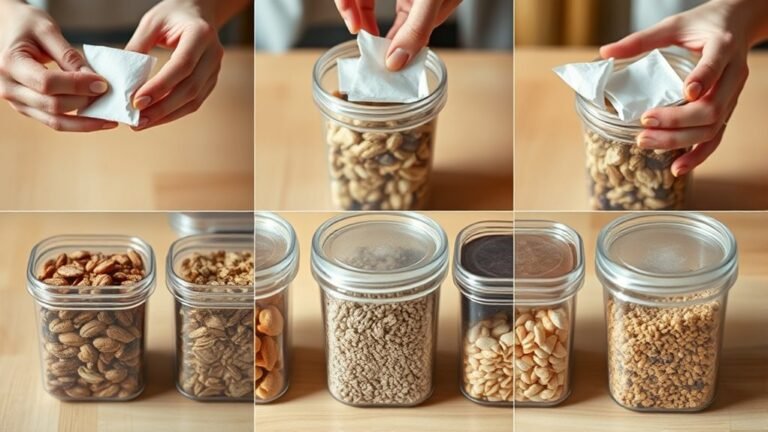
    To use silica gel packets for food storage, first make certain you have food-grade packets labeled safe for contact. Choose dry foods like rice or dried fruit and store them in clean, airtight containers.

    Place multiple packets evenly inside to absorb moisture. Seal containers tightly to prevent humidity from sneaking in.

    Keep an eye on the packets for saturation. When they get damp, dry or replace them as needed to keep them working effectively.

    Follow these steps and you’ll keep your food fresh longer and safer. Want to get even better at moisture control? Dive deeper into the techniques and become a pro!

  • 7 Steps to Use Oxygen Absorbers for Food Storage

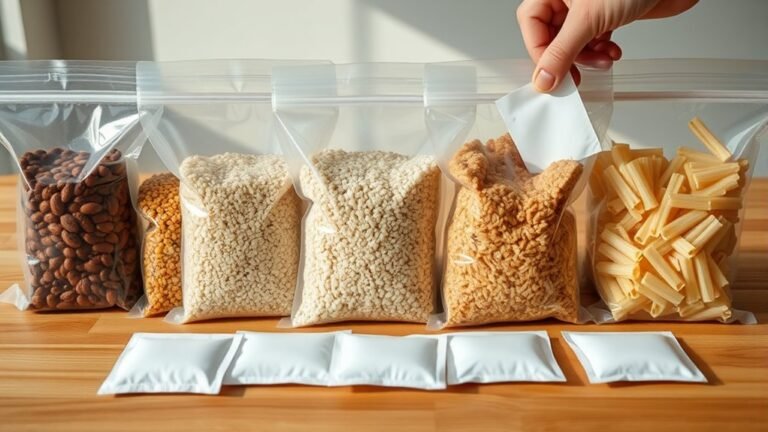
    To use oxygen absorbers for food storage, first pick the right size for your container. Make certain your containers and food are clean and dry.

    Quickly place the absorber inside, avoiding direct contact with food. Seal the container airtight immediately to lock out oxygen.

    Store it in a cool, dark spot with low humidity. Check your stored food regularly for any issues.

    Keep leftover absorbers sealed tightly for future use. Following these steps prepares you to preserve your food longer and better.

  • 7 Steps to Make Wax Cloths for Food Storage

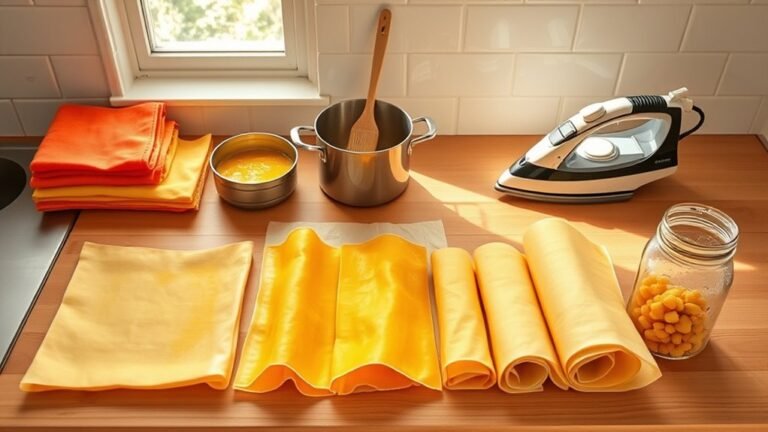
    To make wax cloths for food storage, start by choosing lightweight, natural cotton fabric and pre-washing it to remove chemicals.

    Next, prepare your workspace with all supplies, then cut fabric to size with extra allowance for sealing.

    Melt beeswax gently in a double boiler, then evenly apply it to the fabric using a brush.

    Bake briefly to set the wax, then let it dry fully.

    With proper care, these cloths last long and keep food fresh. Discover how to perfect each step easily.

  • 7 Steps to Freeze Food for Long Term Storage

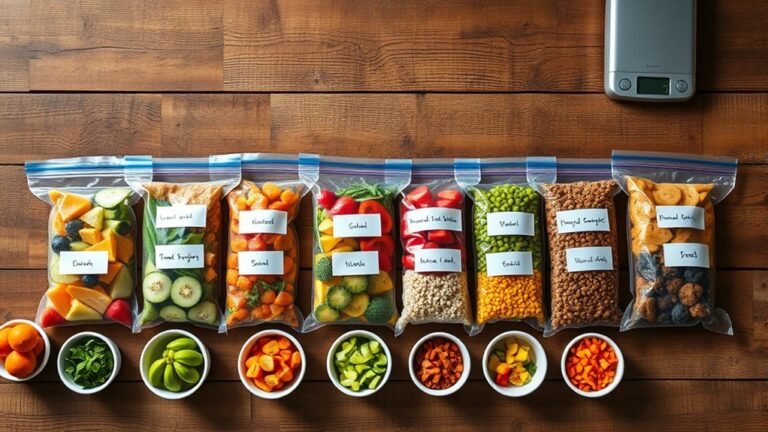
    To freeze food for long-term storage, choose airtight, freezer-safe containers that can handle low temperatures.

    Make sure to prepare your food by washing it, cutting it into uniform pieces, and blanching vegetables to keep their quality.

    Leave some space in the containers for the food to expand as it freezes. Then, seal them tightly to keep air out and prevent freezer burn.

    Don’t forget to label each package clearly with what’s inside and the date you froze it.

    Organize your freezer by grouping similar items together and placing them in the coldest spot.

    Following these steps will help keep your food fresh and safe.

    Want to get even more from your freezer? Explore tips to boost efficiency and maintain great food quality.

  • 7 Steps to Dehydrate Food for Long Term Storage

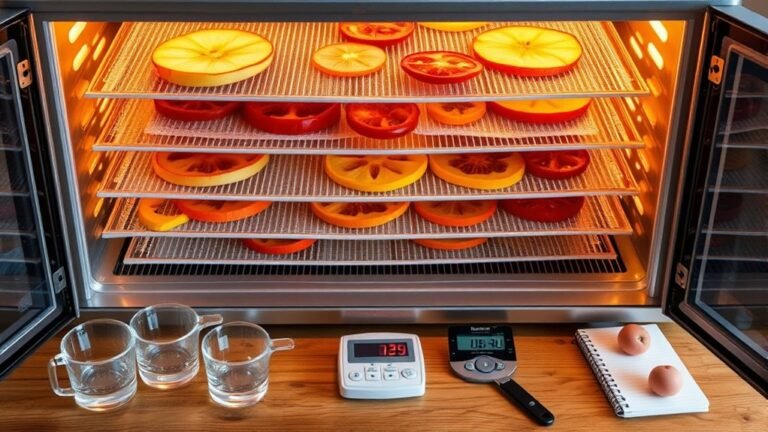
    To dehydrate food for long-term storage, start by selecting fresh, quality ingredients and thoroughly sanitizing your work area and tools.

    Pretreat foods to preserve color and nutrients, then slice them uniformly for even drying.

    Set appropriate temperatures and drying times, monitoring and rotating trays regularly to guarantee consistent moisture removal.

    Once done, cool the food completely before packaging airtight and storing in a cool, dark place.

    Following these steps carefully will help you preserve food safely and effectively—you can explore detailed tips to perfect the process.