Blog

  • 5 Tips for How to Store Food Storage Containers

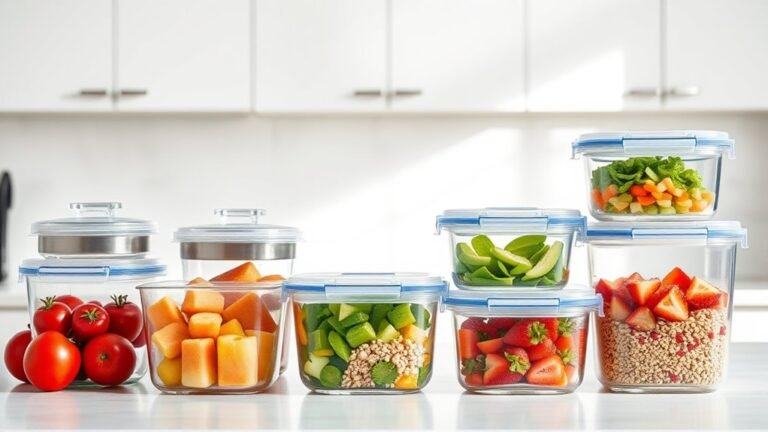
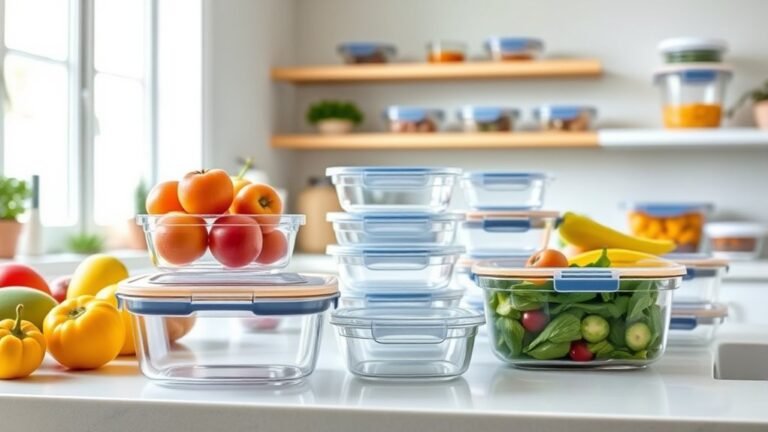
    Start by decluttering and tossing any damaged containers so you only keep what you use. Separate lids from containers to nest and save space, storing lids by size for quick finds.

    Choose accessible spots like lower cabinets or drawers, and use baskets or dividers to keep things tidy and adjustable.

    Label containers and leave room for new items to maintain order. Keep these tips in mind, and you’ll discover even more ways to streamline your kitchen storage.

  • 5 Steps to Pack Food for Long Term Storage

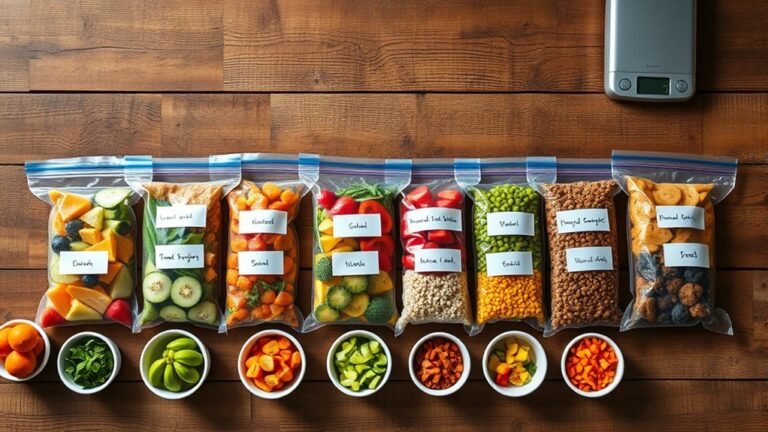
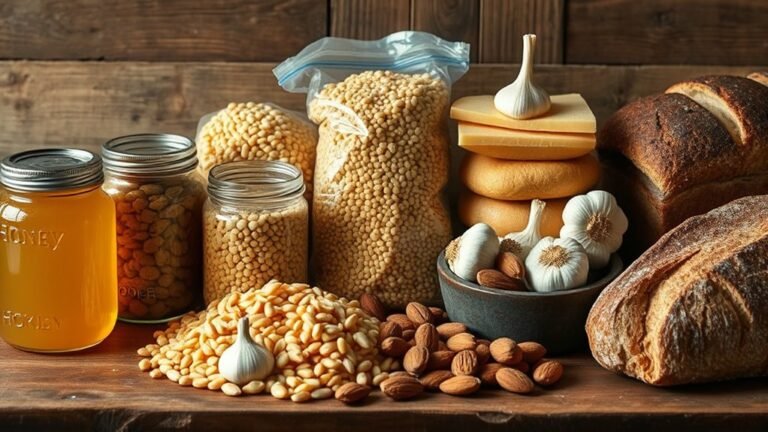
    To pack food for long-term storage, start by choosing durable options like dried grains, canned goods, and freeze-dried items. These types hold up well over time and are great staples to have on hand.

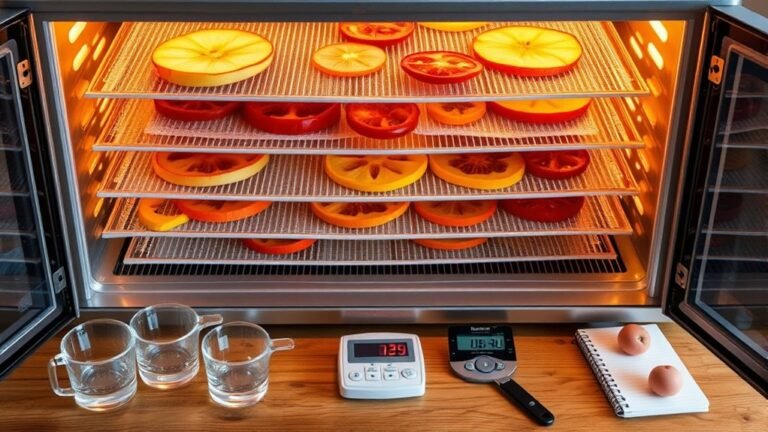
    Next, prepare foods properly by drying or pre-cooking and removing air with vacuum sealing or oxygen absorbers. This helps keep your food fresh and prevents spoilage.

    Then, select airtight, food-grade containers to protect against moisture and pests. It’s important to keep your food sealed tight so nothing can get in.

    Label everything clearly and organize by category for easy access. Trust me, when you need something quick, you’ll be glad you did this step.

    Finally, store your food in a cool, dark, and dry place, rotating stock to keep it fresh. Following these steps sets you up for success with your food storage.

  • 5 Steps to Build a Cold Room for Food Storage

    To build a cold room for food storage, start by choosing a cool, shaded location like a basement with enough space and good ventilation.

    Next, insulate walls, ceiling, and floor thoroughly with rigid foam boards and seal all gaps to keep it airtight.

    Install ventilation and a reliable cooling unit, ensuring proper airflow.

    Arrange ventilated shelving for organized storage, and maintain a steady temperature and humidity to preserve your food longer.

    Keep going to discover how to perfect each step for the best results.

  • 5 Safest Materials for Food Storage

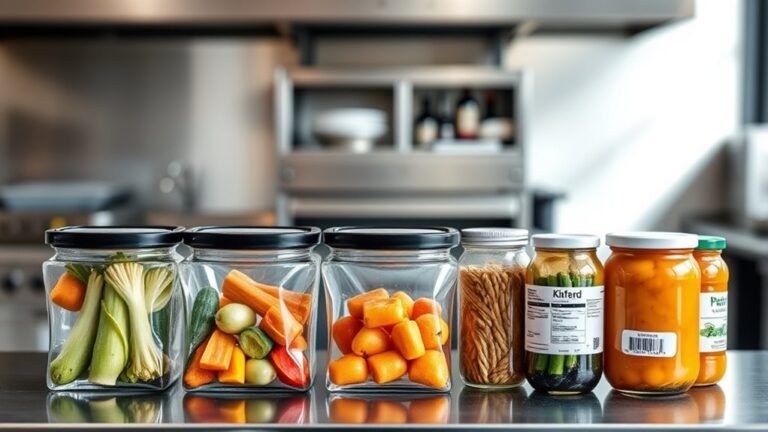
    When choosing food storage, go for glass since it’s non-reactive, BPA-free, and lets you see your food clearly.

    Stainless steel is another great pick—durable, chemical-free, and perfect for high heat. Ceramic works well too, especially for baking and reheating without contamination.

    For a natural option, bamboo and wood are sustainable and toxin-free. Finally, silicone and beeswax wraps offer flexible, eco-friendly covers.

    You’ll find plenty more helpful details to keep your food fresh and safe.

  • 5 Safest Food Storage Containers You Should Use

    You should use food storage containers made from safe, non-toxic materials like borosilicate glass, BPA-free silicone, and stainless steel. These options resist stains, odors, and chemical leaching while protecting your food’s freshness.

    Look for airtight seals and FDA-certified products to avoid contamination and spoilage. Avoid plastics with harmful recycling codes, and remember to maintain and handle your containers properly.

    Keep exploring to discover which specific brands and features make these containers the best choice for your needs. It’s worth finding the right ones to keep your food safe and fresh!

  • 5 Plastics Safe for Food Storage in 2026

    You can trust five plastics to keep your food safe in 2026. PET (ID 1) works well for single-use containers. HDPE (ID 2) is durable and great for long-term storage.

    LDPE (ID 4) resists moisture, which makes it ideal for cold foods. Polypropylene (PP, ID 5) handles heat safely, so it’s perfect for reheating.

    Just make sure to always choose microwave-safe options. And try to avoid reusing certain plastics to minimize chemical risks.

    If you want to keep your food fresh and safe, there’s more useful info ahead.

  • 5 Plastic Containers Safe for Food Storage

    When choosing safe plastic food containers, look for BPA-free options with recycling codes 2, 4, or 5 to avoid harmful chemicals. Brands like Rubbermaid Brilliance offer durable, thick plastics and leakproof lids that keep food fresh and spill-free.

    Opt for containers with airtight silicone gaskets and secure locking clips to prevent contamination. Remember to replace scratched or worn containers and avoid heating hot foods in plastic.

    Keep going to discover more top picks and expert tips for safer food storage. You’re on the right track to making smarter, safer choices for your kitchen!

  • 5 Key Requirements for Food Shelving Storage

    You need food shelving that’s strong enough to hold heavy loads without bending or collapsing. Choose materials like stainless steel that resist rust and are easy to clean, preventing bacteria buildup.

    Make sure your shelves allow proper air circulation to keep food fresh and avoid moisture. Following food safety rules is key—store items off the floor and keep everything clean.

    Adjustable designs are a bonus because they let you customize your space efficiently. Keep going to discover how to optimize your food storage setup.

  • 5 Key Features to Look for in Glass Food Storage Containers

    Look for glass food storage containers with leakproof lids and strong silicone seals to keep spills at bay. Choose durable borosilicate or tempered glass for safety and lasting clarity.

    Pick versatile sets that withstand microwaving, freezing, and oven use to simplify meal prep. Opt for stackable, space-saving shapes that fit neatly in your kitchen.

    Finally, select containers that clean easily—dishwasher safe with smooth edges—to save time. Keep exploring to uncover how each feature can fit your lifestyle perfectly.

  • 5 Essential Tips for Reheating Leftover Food From Cold Storage

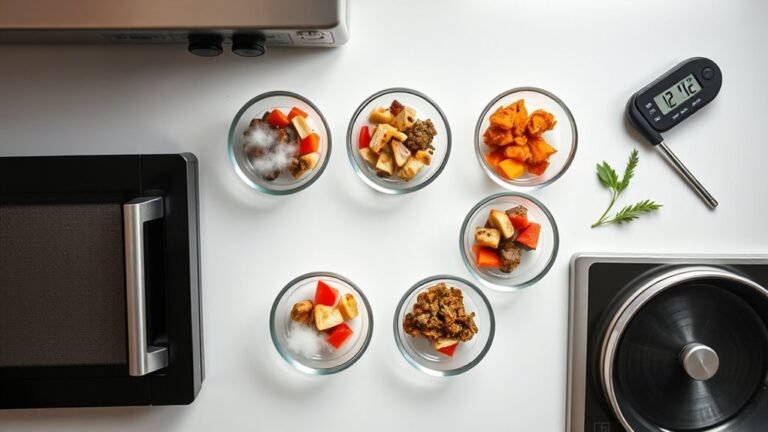
    When reheating leftovers from cold storage, use a food thermometer to make certain the internal temperature hits 165°F (74°C) for safety. Portion food into shallow containers to heat evenly and avoid microwaving multiple times to reduce bacterial risks.

    Cover dishes during reheating and stir or rotate food for consistent warmth. Always cool leftovers quickly before storing.

    Following these tips keeps your food safe and tasty—if you want, you can explore how to master each step for even better results.