5 Tips on Which Food Storage Practice Is Correct
To store food safely and keep it fresh, it’s important to follow some key food storage practices. First, make sure your fridge is set at or below 40°F, and your freezer stays at 0°F. This helps prevent the growth of harmful bacteria that can spoil your food and make you sick.
Using airtight containers is a great way to keep food fresh and avoid any contamination. Plus, always separate raw and cooked foods—store raw meat on the lowest shelf to prevent drips, and use different utensils for each.
Labeling your food with dates is super helpful too; it reminds you to use older items first and reduce waste. One more tip: avoid refreezing thawed foods unless they’re cooked.
Follow these simple steps, and you’ll be on your way to better food safety and freshness. There’s plenty more to learn about each of these tips, so keep exploring!
Key Takeaways
- Store perishables immediately at or below 40°F (4°C) to prevent bacterial growth.
- Use airtight, leak-proof containers and label them with dates to keep food fresh and organized.
- Separate raw meat on the lowest shelf and store cooked foods above to avoid cross-contamination.
- Label foods with preparation dates and apply FIFO to rotate stock and minimize spoilage.
- Avoid refreezing thawed foods unless cooked, and always thaw safely in the refrigerator.
Maintain Proper Temperature Control
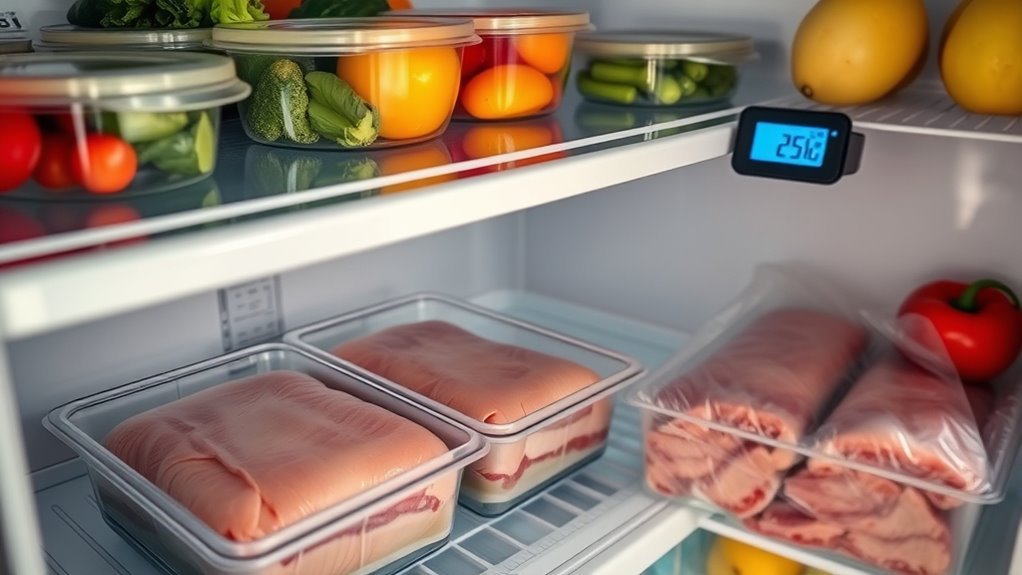
While storing food, you should refrigerate perishable items immediately at or below 40°F (4°C) and keep your freezer at 0°F (-18°C) to prevent bacterial growth and maintain safety. Monitoring refrigerator temperatures and freezer temperature with a reliable thermometer helps ensure proper temperature control.
Refrigerate perishables promptly at 40°F or below and keep your freezer at 0°F for safe storage.
Avoid leaving foods in the temperature danger zone—between 5°C and 60°C—for more than two hours, as this promotes foodborne illnesses. Following these food storage practices is essential to maintain food quality and safety.
Using the right storage containers supports consistent cooling but won’t replace the need for accurate temperature management. By regularly checking and maintaining your appliance temperatures, you reduce the risk of spoilage and keep your meals safe.
Making food safety a top priority in your kitchen really pays off.
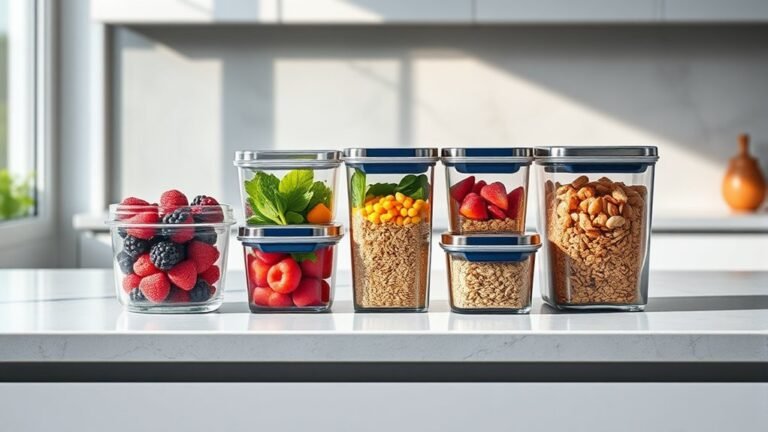
Use Airtight Containers for Storage
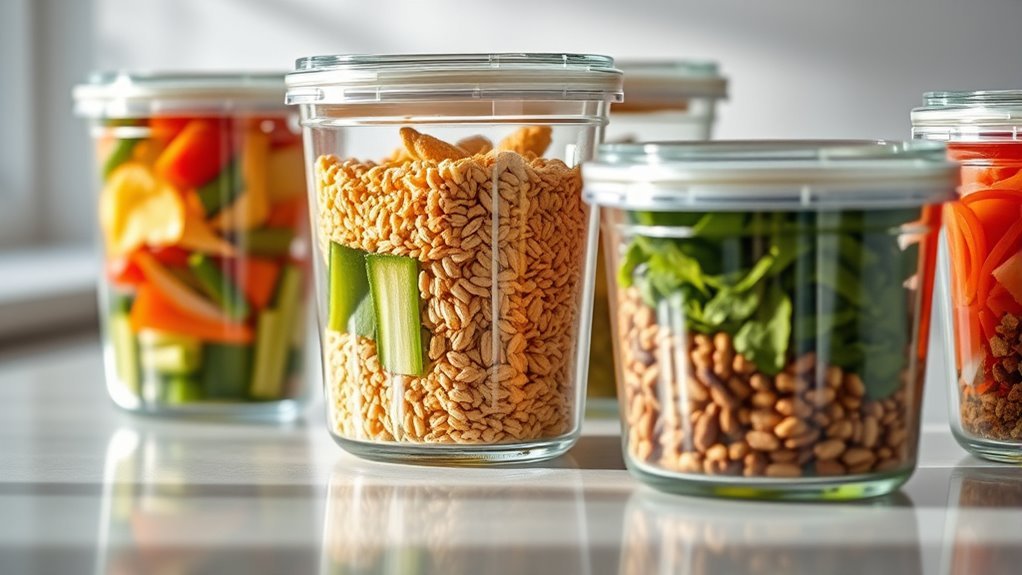
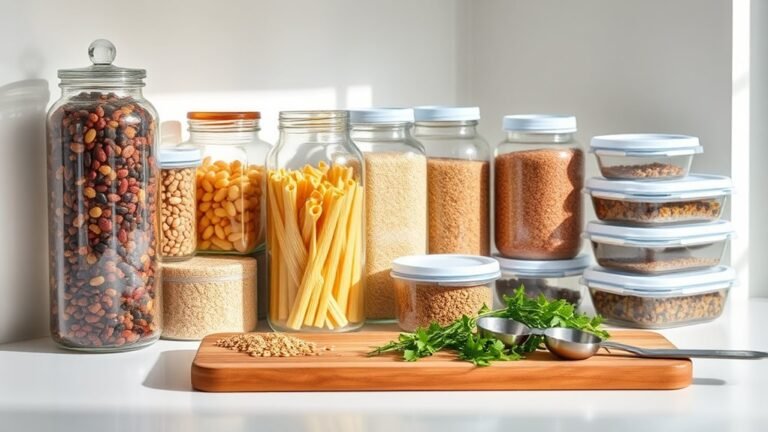
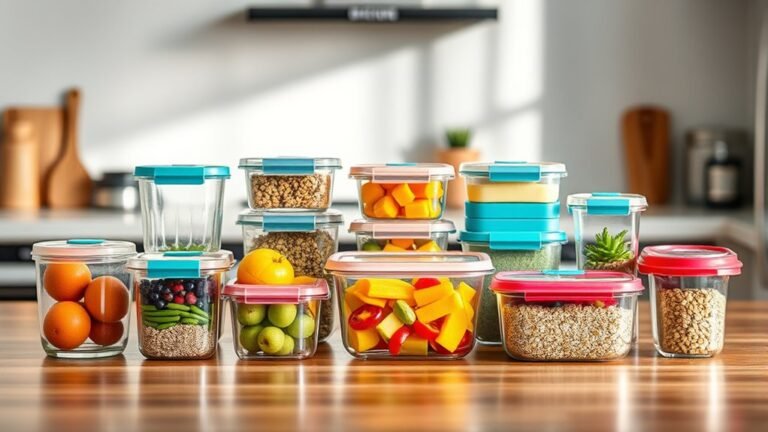
Keeping your food at the right temperature is just one step in preserving its quality. Using airtight containers for food storage further assures food safety and maintains food freshness by preventing moisture, air, and contaminants from entering.
These leak-proof containers also minimize odors and contamination in refrigerator storage. To maximize spoilage prevention and maintain food quality, follow these tips:
- Choose silicone or plastic airtight containers to keep your food fresh and eco-friendly.
- Label containers with dates to practice proper food rotation and avoid waste.
- Seal leftovers and prepared foods tightly to reduce bacterial growth and contamination.
Separate Raw and Cooked Foods
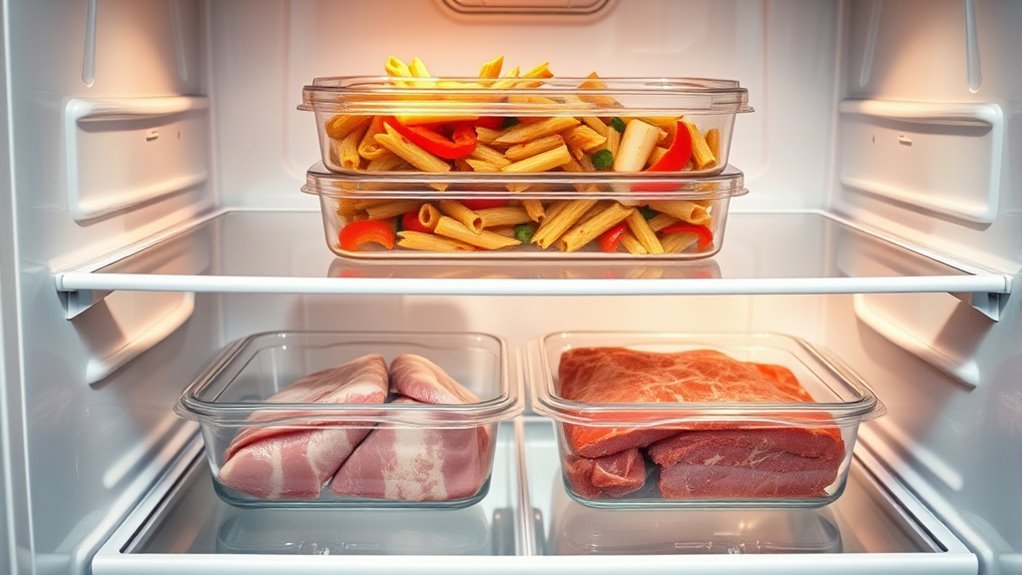
To prevent cross-contamination, always store raw and cooked foods separately in your refrigerator. Keep raw meat on the lowest shelf to avoid drips onto cooked foods or ready-to-eat items.
Use sealed food storage containers or tightly wrap raw foods to minimize bacteria transfer. Place cooked foods in clean, covered containers and store them above raw items to maintain proper food safety.
When preparing meals, use separate cutting boards and utensils for raw foods and cooked foods. Make sure to wash and sanitize them thoroughly between uses.
These storage practices help reduce the risk of cross-contamination, keeping your food safe and fresh. By separating raw and cooked foods effectively, you’re protecting your family from foodborne illnesses and ensuring proper hygiene in your kitchen.
Label Foods With Dates and Rotate Stock
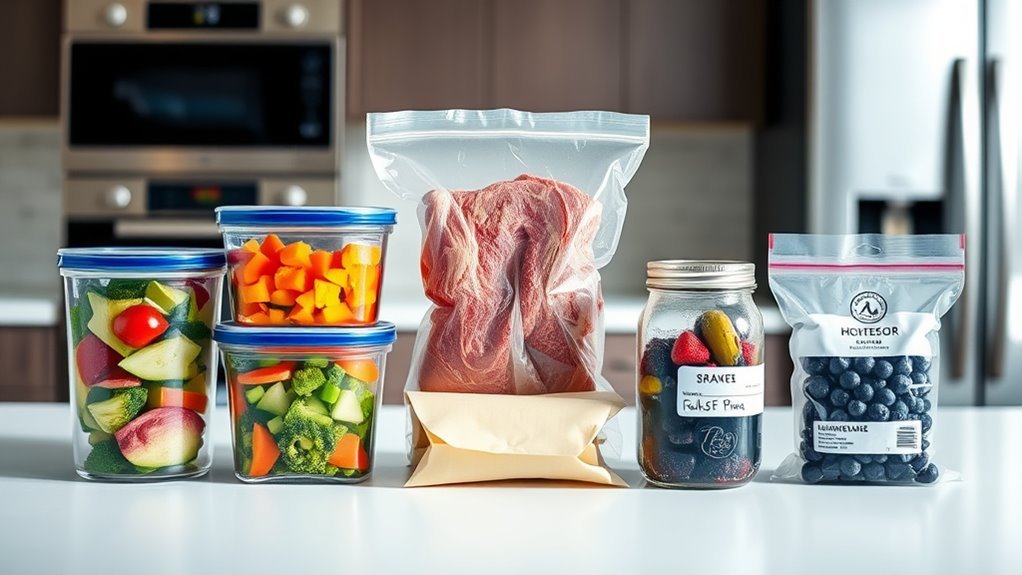
Since food safety depends on freshness, you should always label your stored items with the date of preparation or purchase. Proper labeling and date marking help you track shelf life and prevent food spoilage.
To maintain a safe food inventory, follow these steps:
- Use clear storage labels with preparation or purchase dates and expiration dates on perishable foods.
- Practice the First In, First Out (FIFO) method by placing newer items behind older ones to ensure proper rotation.
- Regularly inspect your food inventory, updating labels and discarding items past their safe storage time.
These practices reduce waste and minimize the risk of consuming spoiled foods. They promote overall food safety in your kitchen.
Proper rotation and labeling keep your stored foods fresh and safe to eat. So, don’t skip these simple but important steps!
Avoid Refreezing Thawed Foods
Proper labeling and rotating your food stock help maintain freshness, but handling thawed foods correctly is just as important to prevent contamination.
Avoid refreezing thawed food unless you’ve cooked it first, as refreezing raw thawed food increases the risk of foodborne illness. Bacteria can multiply during thawing, especially if the temperature exceeds safe limits.
If you thaw food in the refrigerator at or below 40°F, you can usually refreeze it safely, though quality may suffer. Never refreeze thawed food left at room temperature over two hours or more than one hour above 90°F.
When thawing food in the microwave, cook it immediately—refreezing raw food after microwave thawing compromises food safety. Proper thawing and storage practices help minimize bacteria growth and keep your food safe.
Frequently Asked Questions
What Are 5 Important Food Storage Tips?
You should store perishables at proper temperatures and keep raw meats on the bottom shelf. This helps prevent cross-contamination and keeps everything safer.
Also, label foods with dates so you know when they were stored. Using airtight containers is a great way to keep food fresh longer.
Don’t forget to regularly check for spoilage. It’s a simple step that can save you from eating something bad. These tips really help keep your food safe and fresh!
What Is the 2-2-2 Rule for Food Storage?
The 2-2-2 rule means you should refrigerate perishable foods within 2 hours. Use frozen items within 2 days, and check shelf-stable foods’ dates carefully.
Following it helps you avoid spoilage and stay safe. It’s a simple guideline that makes food storage easier to manage. Just remember these three twos!
What Are the Correct Procedures for Storing Food?
You might think storing food quickly is inconvenient, but you should refrigerate perishables promptly. Use airtight containers to keep things fresh and avoid spills.
Label your containers with dates so you know when to use them. Also, separate raw meats on lower shelves to prevent drips from contaminating other foods.
Don’t forget to clean your storage areas regularly. It helps keep everything safe and fresh for longer.
What Is the Correct Order for Food Storage?
You should store raw meats on the bottom shelf, cooked foods above them, and ready-to-eat items on higher shelves.
Keep produce in the crisper drawer, label everything with dates, and follow FIFO to use older items first.
This way, you keep things organized and reduce the risk of cross-contamination. It’s all about safety and making sure you use your food before it goes bad.
Conclusion
By following these tips, you’ll keep your food fresh and safe, just like a well-tuned clock keeps perfect time. Maintaining proper temperatures and using airtight containers are key steps to prevent spoilage.
Separating raw and cooked foods helps avoid cross-contamination, while labeling with dates keeps you organized and reduces waste. Also, avoid refreezing thawed items to maintain food quality and safety.
When you treat your food storage with care, you’re not just preserving ingredients—you’re safeguarding your health and saving money in the long run. Smart food storage practices like proper temperature control, airtight containers, and clear labeling can make all the difference. Keeping your food fresh and safe is easier than you think, and these simple steps will help you enjoy meals without worry. So, keep it smart and simple for better food storage and a healthier lifestyle!