5 Tips to Keep Ants Out of Dog Food Storage
To keep ants out of your dog food, start by storing it in airtight containers with sealed lids. This helps block scent trails that attract ants.
Plus, cleaning up spills and feeding areas regularly removes any tempting crumbs or smells.
Don’t forget to seal any cracks near where you keep the food. Ants love sneaking in through tiny gaps, so plugging those up is a smart move.
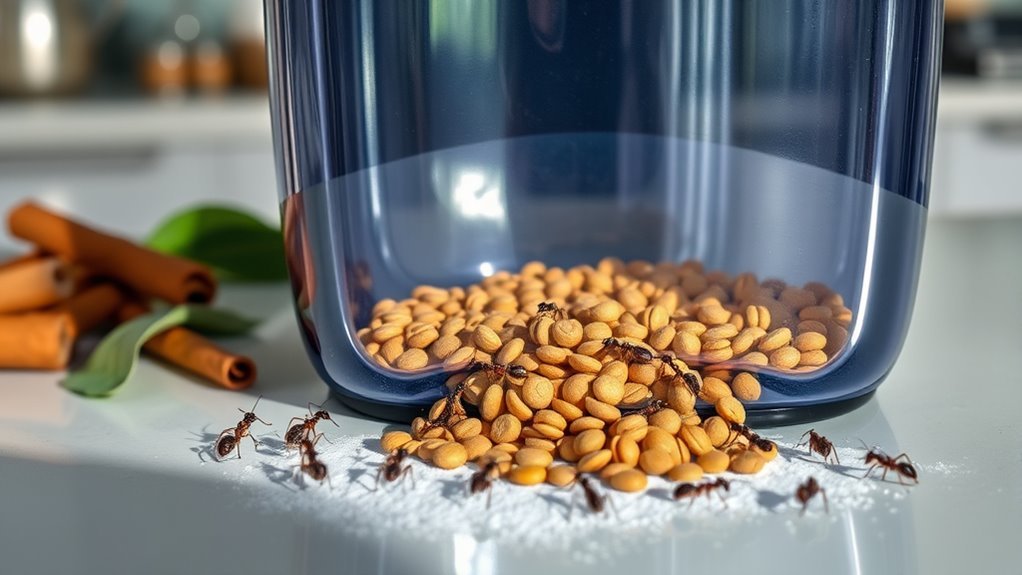
You can also use natural deterrents like peppermint oil or cinnamon around the food zones to keep ants at bay.
Elevating containers off the floor and sprinkling diatomaceous earth around the storage area creates a physical barrier ants won’t want to cross.
Make it a habit to check for ant signs often and deal with infestations quickly before they get out of hand.
There are even more effective tricks you can try to protect your pup’s food and keep those pesky ants away for good!
Key Takeaways
– Store dog food in airtight, pest-proof containers with sealed lids to block ant access and maintain freshness.
This simple step can really help keep those pesky ants away from your pup’s meals.
– Clean feeding and storage areas regularly, wiping spills and sealing cracks to remove ant scent trails and entry points.
Keeping things tidy makes it less inviting for ants to invade.
– Use natural deterrents like peppermint oil, cinnamon, bay leaves, or citrus peels around food zones to repel ants.
These scents are unpleasant to ants but safe for your furry friend.
– Elevate food containers and apply physical barriers like diatomaceous earth or silicone strips to prevent ants from crawling in.
Raising the containers can give ants a harder time reaching the food.
– Inspect storage areas weekly for signs of ants and treat infestations promptly with non-toxic deterrents or professional help.
Catching a problem early makes it easier to handle before it gets worse.
Store Dog Food in Airtight Containers
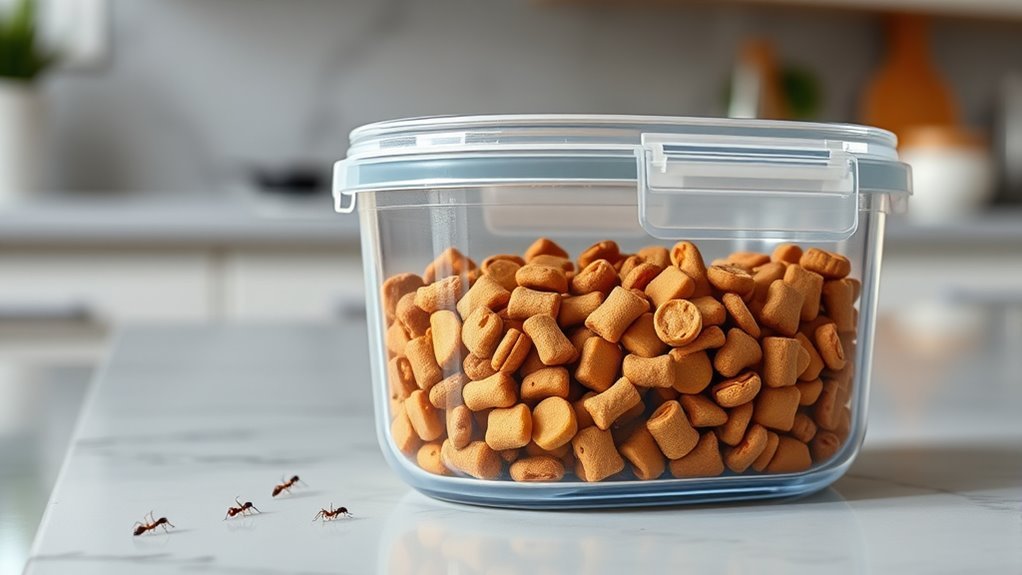
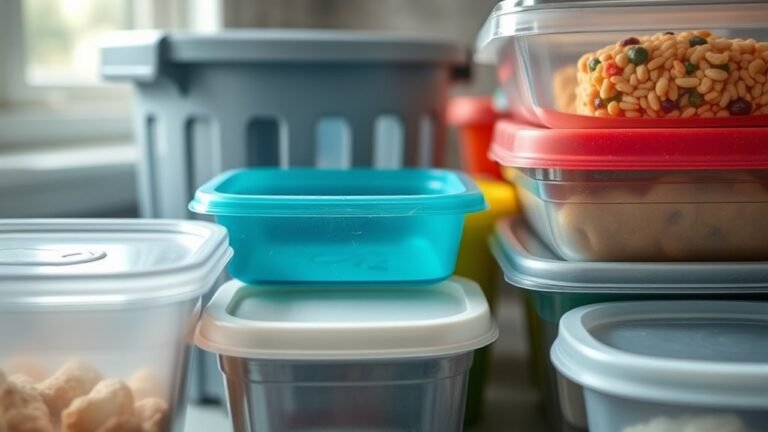
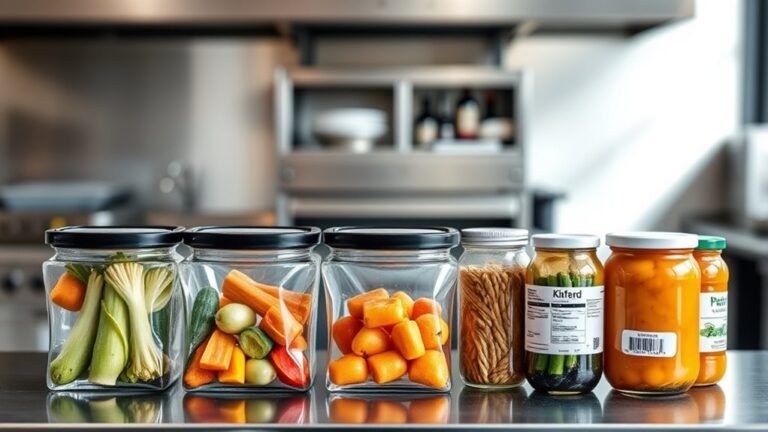
When you store dog food in airtight containers, you keep ants from detecting and accessing it by blocking their scent trails. Choosing pest-proof containers made of plastic, glass, or metal with sealed lids is essential to keep ants away effectively.
Look for airtight containers featuring rubber gaskets or silicone seals to enhance the barrier against ant infestation. Proper food storage not only prevents pests but also helps maintain your dog food’s freshness and nutritional quality.
Always transfer food from open bags into these containers rather than leaving it in its original packaging. While you focus on securing storage, remember to keep food bowls clean and promptly remove leftovers to complement your ant prevention efforts.
Using well-sealed containers is your first and best line of defense against ants invading your dog’s food. It’s a simple step that makes a big difference!
Maintain Clean Feeding and Storage Areas
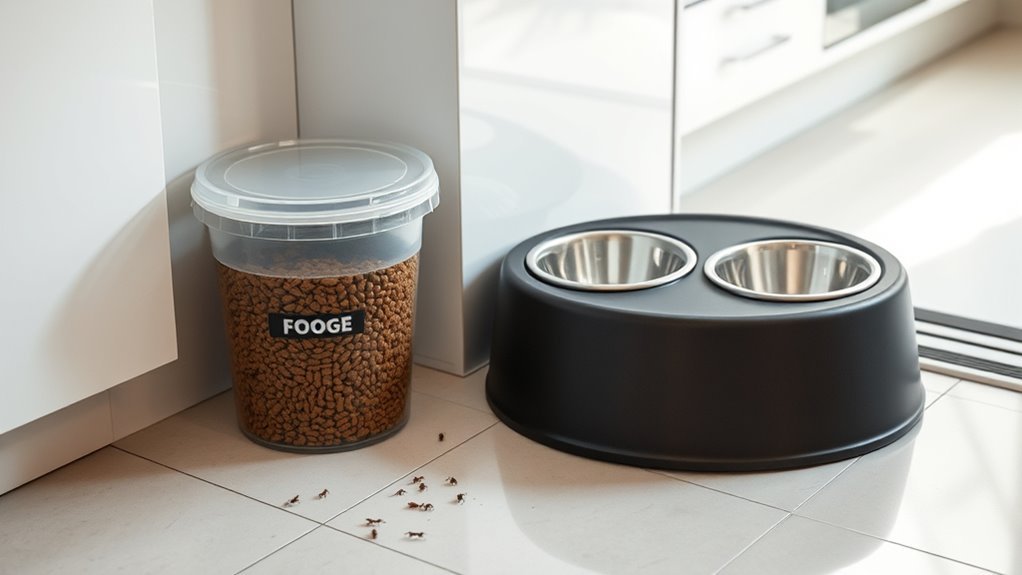
Although storing dog food properly is essential, you also need to keep feeding and storage areas clean to stop ants from being attracted.
Regularly clean feeding spots, wipe spills, and seal any cracks near storage containers. Use ant-proof containers and avoid leaving food out too long to minimize scent trails.
Keeping the area dry and spill-free is vital to prevent ants from finding their way.
| Task | Action | Benefit |
|---|---|---|
| Clean feeding area | Wipe spills after feeding | Removes ant scent trails |
| Use airtight containers | Seal food in pest-proof bins | Blocks ant access |
| Inspect for gaps | Seal cracks and crevices | Prevents ant entry |
| Avoid spills | Clean crumbs immediately | Reduces ant attraction |
| Limit food exposure | Don’t leave food out overnight | Minimizes ant detection |
Use Natural Ant Deterrents Around Food Zones
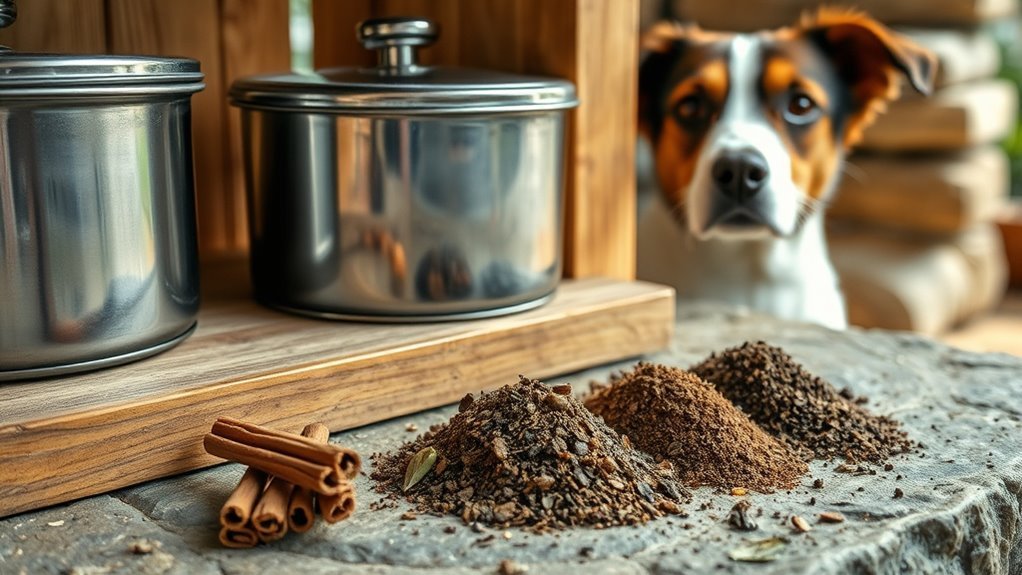
Keeping feeding and storage areas clean helps reduce ant attraction, but adding natural deterrents around food zones can provide an extra layer of protection. You can easily incorporate these natural deterrents to keep ants away from your pet food storage.
Keep feeding areas clean and add natural deterrents to effectively protect your pet food from ants.
Dab peppermint oil around your storage containers or sprinkle cinnamon near feeding areas to disrupt ant trails and repel them with strong scents. These smells really throw ants off their path.
Place bay leaves inside pet food containers; ants tend to avoid these, creating a natural barrier. It’s a simple trick that works wonders.
Scatter dried citrus peels around food zones or lightly dust diatomaceous earth nearby, which acts as a physical deterrent ants can’t cross. These little steps add up to big protection.
Using these natural deterrents helps protect your dog’s food without harmful chemicals, keeping your feeding areas ant-free and safe. Plus, it’s a natural way to keep those pesky ants away!
Implement Physical Barriers to Prevent Ant Access
To stop ants from invading your dog’s food, use physical barriers that block their access completely. Store the food in airtight containers with tight-fitting lids to create a secure barrier.
Elevate these containers on stands to reduce ant crawling from the floor. Seal cracks and gaps around the storage area to close off ant entry points.
You can also place concrete barriers or silicone strips around the storage zone to block ants effectively. Additionally, sprinkle diatomaceous earth around containers; this natural powder acts as a deterrent by creating a physical barrier ants won’t cross.
Combining these methods ensures ants have no easy route to your dog’s food, keeping it safe and clean.
Regularly Inspect and Treat for Ant Infestations
Since ants can quickly establish nests near your dog’s food, you should inspect the storage area at least once a week for trails, holes, or other signs of infestation. Regular checks help catch problems early, protecting your pet food storage and pet food bowl from contamination.
To manage ant issues effectively, start by sealing cracks and gaps around shelves and walls to block their entry points. You can also use non-toxic ant deterrents around the pet food bowl and storage containers to discourage ants from coming close.
Don’t forget to clean up any spilled food promptly—that way, you remove attractants that lure ants in the first place. If ants persist despite your efforts, it might be time to consider scheduling professional pest control to eliminate nests safely and thoroughly.
Staying vigilant keeps your dog’s feeding area clean and ant-free, so you and your pet can enjoy mealtime without worry.
Frequently Asked Questions
How to Keep Ants Away From Dog Food Containers?
You can keep ants away by storing dog food in airtight containers. Cleaning up spills promptly also helps a lot.
Try placing containers on elevated surfaces. This makes it harder for ants to reach the food.
Adding petroleum jelly around the rims can block ants effectively. Don’t forget to seal entry points too, so they can’t sneak in.
What Can I Put Around My Dog’s Food to Keep Ants Away?
You can put petroleum jelly around the bowl’s base, sprinkle diatomaceous earth nearby, or draw chalk lines to keep ants away.
Also, placing bay leaves or setting cotton balls with peppermint oil around your dog’s food works well to stop ants from invading their meal. Give these a try and see which one works best for you!
What Is the Best Dog Food Container to Keep Ants Out?
Choose airtight, durable containers with secure seals, like Gamma Vittles Vaults or Simple Human. These brands are known for keeping pests out effectively.
Opt for BPA-free, easy-to-clean materials with rubber seals, and sturdy construction. That way, you keep ants out and maintain your dog’s food freshness without any hassle.
How Can I Prevent Ants From Eating My Dog’s Food?
You can prevent ants from eating your dog’s food by storing it in airtight containers. This keeps the food fresh and blocks ants from getting in.
Also, clean up any spills promptly to avoid attracting ants. They love crumbs and leftover bits just as much as your dog does.
Try using barriers like petroleum jelly around the food bowl. It creates a sticky line ants won’t want to cross.
Elevating the bowl can help too, making it harder for ants to reach the food.
Plus, placing pet-safe natural deterrents like peppermint oil nearby can keep ants away. Just make sure any oils you use are safe for your furry friend!
Conclusion
To keep ants away and your dog’s dining delightful, start by storing food in sturdy, sealed containers. This simple step creates a strong barrier that ants can’t penetrate.
Stay sharp by scrubbing and sanitizing spots where your pet eats and stores food. Cleanliness helps remove scent trails that attract ants.
Sprinkle natural ant deterrents around your dog’s feeding area. These safe options deter ants without harming your pet.
Set up strong, simple barriers to block their bothersome march. A little effort in prevention goes a long way.
Don’t forget to frequently find and fight infestations early. Catching ants before they multiply saves you from bigger problems.
By following these five fantastic tips, you’ll safeguard your pup’s provisions and say goodbye to ants for good! Keeping ants out of dog food storage not only protects your dog’s health but also maintains a clean, pest-free feeding area. Regular cleaning, sealed containers, and natural deterrents work together to keep those pesky ants away, ensuring your furry friend enjoys every meal without interruption.