Which 5 Methods Are Indeed Correct for Food Storage?
You can rely on five proven methods to store your food safely and extend its shelf life. These food storage techniques help keep your groceries fresh, prevent waste, and save money over time. Whether you’re storing fruits, vegetables, meats, or dry goods, using the right method is key to maintaining quality and safety.
Freeze drying removes moisture from food and keeps it fresh for 25 years or more. It’s perfect for long-term storage and emergency preparedness.
Canning, when done with the right technique, safely preserves both high- and low-acid foods. This method locks in flavor and nutrients.
Dehydrating saves space by drying out moisture in foods, which makes them lightweight and easy to store. Airtight packaging is essential too—it blocks pests and humidity for bulk dry goods.
Refrigeration slows down spoilage and keeps food fresh for short-term use. Keep going to understand how each method works best for your needs.
Key Takeaways
– Freeze drying removes moisture, extending food shelf life up to 25 years or more with quick rehydration capability.
It’s a great way to keep food for a really long time without losing much of its flavor or nutrition.
– Proper canning uses water-bath for high-acid and pressure canning for low-acid foods to ensure safe long-term preservation.
This method helps prevent spoilage and keeps your food safe to eat for months or even years.
– Dehydrating reduces moisture to slow bacterial growth and saves storage space while allowing easy rehydration later.
It’s super handy if you want lightweight snacks or ingredients that last without taking up too much room.
– Bulk dry goods require airtight containers, Mylar bags with oxygen absorbers, and FIFO rotation for effective long-term storage.
Keeping air and moisture out is key, and rotating your stock ensures nothing goes bad before you use it.
– Refrigeration slows microbial growth to maintain short-term freshness and reduce food waste with proper sealing and regular checks.
It’s perfect for everyday stuff you plan to eat soon, just make sure to keep things sealed and check them often.
Why Freeze Drying Is a Top Food Storage Method
Although freeze drying requires an initial investment, you’ll find it’s one of the best methods for long-term food storage because it removes water that bacteria need to grow, allowing foods to last 25 years or more when stored properly.
When you freeze dry food, you effectively extend shelf life by drastically reducing moisture content, which prevents spoilage and preserves nutrients. This method works for a wide variety of foods, including full meals, meats, vegetables, and fruits.
Freeze dried food also rehydrates quickly, making it convenient for later use. While the upfront cost of a freeze dryer might seem steep, the ability to freeze and store foods with a much longer shelf life makes it a smart choice if you want durable, safe food storage.
How Canning Extends Food Storage Safely
When you want to safely extend the shelf life of your food, canning offers a reliable solution by using either water-bath or pressure methods depending on acidity.
For higher-acid foods like pickles, jams, and fruits, you’ll use water bath canning to preserve them safely. However, if you’re working with low-acid foods such as green beans, potatoes, or soups, pressure canning is essential to avoid spoilage.
Use water bath canning for high-acid foods and pressure canning for low-acid foods to ensure safety.
These food preservation methods ensure your canned food stays safe and lasts longer by eliminating harmful bacteria. Remember, following trusted recipes and the correct canning method is necessary for effective food storage.
Avoid shortcuts like oven canning, which can be unsafe. By mastering proper canning, you can confidently store a variety of foods for months or even years.
Why Dehydrating Saves Space and Preserves Food
Canning is a great way to preserve food, but it can take up significant space in your pantry. Dehydrating, on the other hand, lets you dry food to save space while still preserving food effectively.
By removing moisture, dehydration slows bacterial growth, helping your food last a long time. Unlike freeze drying, dehydration is accessible with simple tools like solar dehydrators or even an oven.
You can dry fruits, vegetables, herbs, and jerky, then store them compactly without bulky jars. When you need a quick meal, just add hot water to rehydrate dried vegetables or soup mixes.
This method not only shrinks your storage footprint but also keeps your food safe and ready for months or even years. Dehydrating truly maximizes your pantry’s potential.
How to Package and Store Bulk Dry Goods Safely
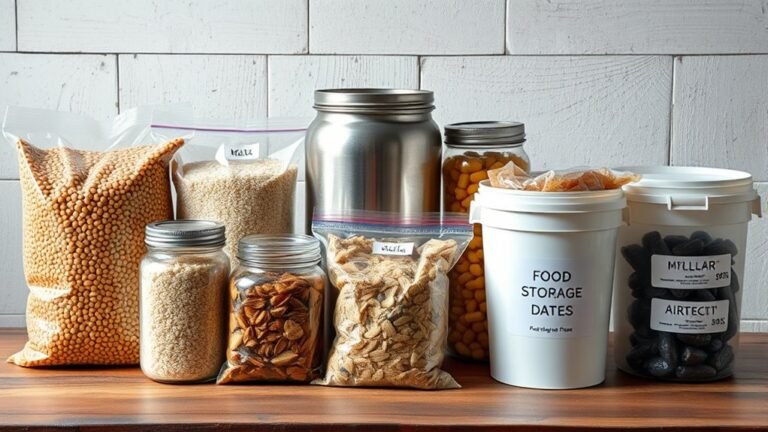
To keep your bulk dry goods fresh and safe, store them in airtight containers that block moisture and pests. Use clear containers or label them so you can easily see quantities and practice FIFO (first-in-first-out) rotation. This way, you make sure to use older stock first.
For longer-term storage, place dry goods in Mylar bags with oxygen absorbers. Date-label the bags, then seal and store them inside 5-gallon buckets. This saves space and helps keep rodents away.
You can skip oxygen absorbers for items like salt, sugar, baking powder, baking soda, and boxed mixes containing those ingredients. Keep your pantry organized by tracking dates and maintaining airtight packaging.
Doing this helps your bulk goods stay fresh and ready when you need them. It’s a simple method that maximizes shelf life and minimizes waste effectively.
When Refrigeration Helps Keep Food Fresh Longer
Although refrigeration doesn’t stop spoilage entirely, it slows microbial growth considerably. This helps you keep many foods fresh longer—especially those intended for short-term use rather than shelf storage.
Refrigeration slows spoilage by reducing microbial growth, keeping many foods fresh longer for short-term use.
When you’re preserving high acid foods like opened fruits or canned items, sealing leftovers tightly in jars before refrigerating gives you peace of mind. It reduces the chances they’ll go bad quickly.
Take a look at your fridge regularly to spot anything that’s nearing spoilage. That way, you can use it promptly.
While freezing offers longer preservation, refrigeration is ideal for daily convenience without relying heavily on power. Even simple coolers with ice can help in short-term cold storage.
Using refrigeration correctly means you’ll waste less food and enjoy fresher meals every day. It’s a small step that makes a big difference!
Frequently Asked Questions
What Is the Best Way to Organize Food Storage Containers?
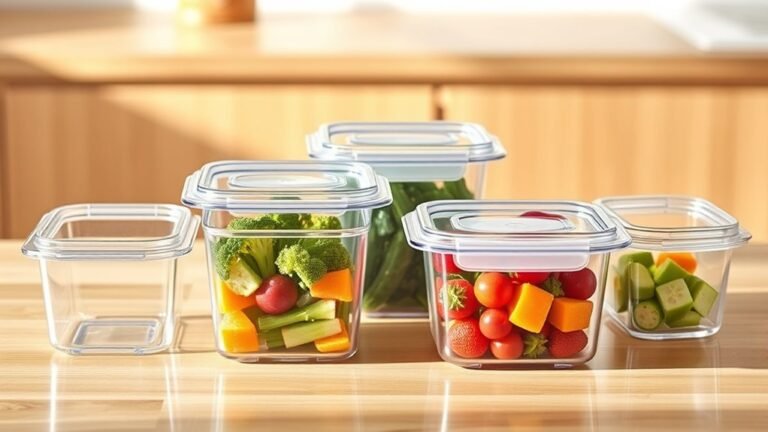
You should organize food storage containers using clear, airtight options and label them with dates.
Arrange items by FIFO, placing newer containers behind older ones, so you use older food first and reduce waste efficiently.
It’s a simple trick that really helps keep things fresh and easy to find!
What Is the Proper Way to Store Perishable Food?
You should store perishable food in cold storage like a refrigerator or freezer. Blanch or cook vegetables before freezing, and use airtight containers.
Always label dates and practice FIFO to keep food fresh. This helps minimize waste and keeps everything organized.
What Are Five Common Methods of Food Preservation?
You’ll find freeze drying extends food’s shelf life over 25 years.
Five common preservation methods are freeze drying, canning, dehydrating, bulk dry storage, and packaging with controlled refrigeration.
These techniques help keep your food safe and tasty longer. It’s pretty handy to know which one works best for what you want to store!
What Are Five Ways to Store Food?
You can store food by freeze-drying, canning, dehydrating, bulk dry storage, and controlled packaging with refrigeration. These methods help keep your food safe, fresh, and lasting longer.
They fit different types of foods and needs, so you can choose what works best for you. It’s pretty handy to know a few ways to store food, right?
Conclusion
You’ll find freeze drying, canning, dehydrating, packaging bulk dry goods, and refrigeration are all effective food storage methods. Did you know freeze drying can preserve food for up to 25 years without losing nutrients? That’s impressive!
Using these five methods helps you keep your food safe, fresh, and ready to enjoy longer. By choosing the right technique, you’ll reduce waste and save money while ensuring your meals stay delicious and nutritious.
So, whether you’re looking to extend the shelf life of your groceries or prepare for emergencies, these food storage methods have got you covered. Freeze drying locks in nutrients, canning seals in freshness, dehydrating cuts moisture, packaging bulk dry goods keeps them organized, and refrigeration slows spoilage. Together, these strategies make food storage simpler and more effective, helping you enjoy tasty meals anytime without worry.