5 Essentials to Have in Your Food Storage
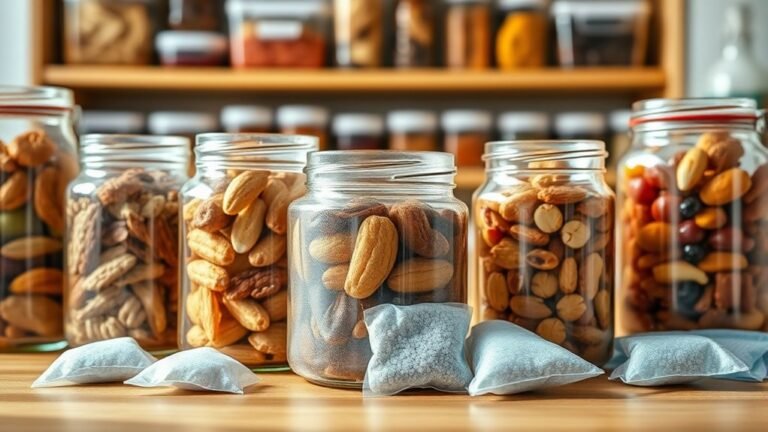
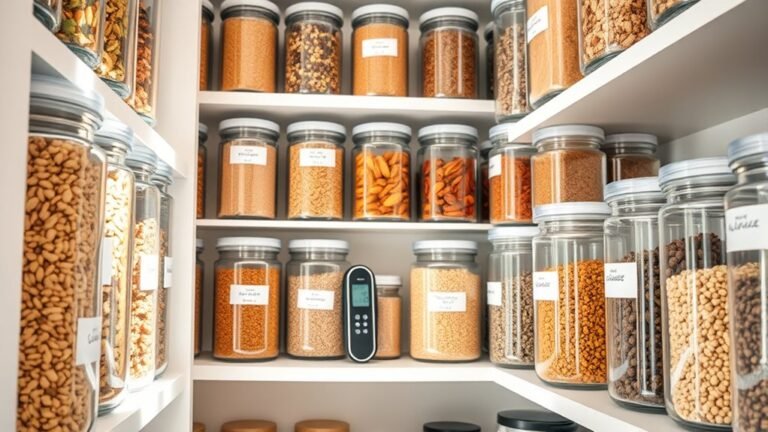
You’ll want to stock up on long-term staples like dried grains and seeds since they last for years and support survival plus trade. These essentials form the backbone of any solid food storage plan because they’re versatile and nutrient-dense.
Don’t forget salt and sweeteners—they preserve food and boost barter value. Salt is not only vital for seasoning but also for keeping your stored food safe from spoilage. Sweeteners like sugar or honey add flavor and have strong trade potential too.
Keep honey and alcohol for personal use and strong trade potential. Honey lasts almost indefinitely and can be used for both nutrition and medicinal purposes. Alcohol, on the other hand, serves as a comforting treat and a high-demand barter item.
Instant coffee and cocoa offer comforting, shelf-stable treats that also serve as barter items. They’re perfect for lifting spirits during tough times and are surprisingly valuable in trade.
Finally, learn safe bartering tips to protect your supplies and maximize your gains if you explore further. Being smart about trades ensures your food storage lasts and helps you get what you need without unnecessary risks.
Key Takeaways
– Store long-lasting staples like dried grains, beans, and seeds for reliable sustenance and trade during crises.
These basics will keep you going when times get tough.
– Include salt and sweeteners for food preservation and enhanced barter value.
They’re simple but super important to have on hand.
– Keep honey and alcohol for durable barter goods and personal comfort.
Both last a long time and can be really useful.
– Add instant coffee and cocoa for shelf-stable, morale-boosting beverages and small-scale trade.
A little comfort goes a long way during hard times.
– Practice safe bartering with sealed items, clear terms, trusted partners, and small quantities to protect critical supplies.
Being smart about trades keeps you secure and ready.
Why Long-Term Food Staples Matter in a Crisis
When cash loses its value during a crisis, long-term food staples become your most reliable form of sustenance currency. You’ll find that long-term food storage isn’t just about survival—it’s about maintaining leverage.
Valuable food like dried grains, beans, and seeds can last for years if stored properly in cool, dark, and dry conditions, sealed tight against moisture. These staples don’t just feed you; they become trade goods when money fails.
Dried grains, beans, and seeds stored properly become essential sustenance and valuable trade goods during crises.
Seeds add extra value by promising future harvests, extending your food supply beyond immediate needs. By having a stash of shelf-stable, valuable food, you gain bargaining power during disruptions.
In tough times, your long-term food storage transforms into a key resource that supports both your survival and your ability to trade effectively.
Why Salt and Sweeteners Are Vital for Preservation and Trade
Because salt and sweeteners play essential roles in both food preservation and trade, you’ll want to prioritize storing them alongside your staples. Salt is important for curing meats and extending the life of scarce proteins.
Sugar, a valuable sweetener, isn’t often grown locally, making it hard to replace during shortages. Historically, sugar even served as currency, so both salt and sugar hold barter value in tough times.
| Why Salt Matters | Why Sugar Matters |
|---|---|
| Preserves meats | Adds calories |
| Extends protein lifespan | Rare in local gardens |
| Important in SHTF scenarios | Used as barter currency |
| Supports food stability | Enhances taste and morale |
| Hard to source locally | Boosts trade potential |
Store both to preserve food and trade when markets fail. It’s a smart move to keep them handy.
The Benefits of Storing Honey and Alcohol for Barter and Use
Although many overlook them, honey and alcohol hold significant value for both personal use and barter during uncertain times. Honey can last for years if stored airtight in a cool, dark, dry place. This makes it a dependable long-term food storage item.
Even if honey crystallizes, you can easily warm it to restore its liquid form. Historically, honey has been used as currency for centuries, proving its lasting trade value.
Honey’s value endures—simply warm crystallized honey to restore it, reflecting its historical role as currency.
Alcohol, in small bottles or pints, often sees high demand as people seek comfort or vices during tough periods. By storing extra honey and alcohol, you increase your leverage to barter for essential goods or services when traditional money becomes unreliable.
These items truly enhance your preparedness and trade options. So, it’s smart to keep some on hand—you never know when it might come in handy!
Why Instant Coffee and Cocoa Belong in Your Food Storage
A few simple additions like instant coffee and cocoa can boost both your comfort and nutrition during emergencies. Instant coffee, freeze-dried and shelf-stable, can last indefinitely if you keep it cool, dark, and dry.
It only needs hot water, saving you cooking fuel and time compared to brewing whole beans. Cocoa, a shelf-stable chocolate mix, adds calories and flavor to snacks or meals, helping stretch your supplies.
Since cocoa isn’t commonly grown in North America, supply disruptions can happen fast, so stock up while you can. Next time you plan your food storage, know sugar and other sweet ingredients in cocoa can improve morale and energy.
Both items are easy to trade in small portions, making them practical barter goods when currency or supplies become unstable. So, they’re definitely worth including in your emergency kit.
Safe Tips for Bartering Your Food Storage Extras
Instant coffee and cocoa aren’t just comfort foods—they can become valuable trade items when you need to barter your food storage extras. To barter safely, make sure you only trade quantities you can afford to lose, since extra food stores might attract unwanted attention during tough times.
Always prioritize trading with trusted people or in groups where others are watching, and never meet someone alone. Use clear, pre-agreed exchange rates with small, countable units like bottles or measured portions, so no one disputes the trade.
Keep your barter items sealed and protected—dry containers for instant coffee and cocoa, for example—to avoid giving away goods that are going to go bad. Finally, avoid isolated spots and minimize exchange time to keep your personal safety intact.
Frequently Asked Questions
What Should I Stock up On?
You should stock seeds first, then salt, sweeteners like sugar and honey, plus instant coffee and cocoa. These last long, provide nutrition, preservation, and barter value.
Store honey airtight in a cool, dark spot to keep it fresh. It’s a simple trick but really helps maintain its quality over time.
What Are Safe Food Storage Practices?
When Sarah stored honey, she sealed it airtight and kept it cool to prevent crystallizing. You should always store food properly, label dates, keep it cool and dry, and avoid open containers to guarantee safety and longevity.
It really makes a difference when you take those simple steps. Keeping things sealed and cool isn’t just about taste—it’s about making sure your food stays safe to eat for as long as possible. So, next time you put something away, remember these easy tips!
What Are the Most Needed Items in a Food Pantry?
You need seeds for future crops, salt for preservation and flavor, sweeteners like sugar or honey for energy and long shelf life.
Plus, comfort items like instant coffee or cocoa to keep morale high and meals enjoyable.
What Is a Good One-Year Pantry Plan?
You should stock shelf-stable staples like dry goods, preserved foods, and seeds. Include salt and sweeteners for preservation, plus barter items like honey and instant coffee.
Plan for supply disruptions and keep extra for safety. It’s always better to have a little more than you think you’ll need. That way, you’re covered no matter what.
Conclusion
You might not realize it, but 60% of people say having long-term food staples gives them peace of mind during uncertain times.
By including salt, sweeteners, honey, alcohol, instant coffee, and cocoa in your food storage, you’re setting yourself up not just to survive, but to thrive. These essentials preserve food, enhance flavor, and even offer trading power.
So, stock smart, stay prepared, and keep your pantry ready for whatever comes next. Remember, having these food storage essentials means you’re not just thinking about today but planning for the future. With the right staples on hand, you can ensure your meals stay tasty and your supplies valuable, no matter the situation. Keep your food storage stocked thoughtfully and enjoy the peace of mind that comes with being truly prepared.