What Is Food Storage Safety and Why Does It Matter?
Food storage safety means handling and storing your food at the right temperatures—like keeping your fridge at or below 40°F and your freezer at 0°F—to slow spoilage and stop harmful bacteria from growing. It’s all about making sure your food stays fresh and safe to eat.
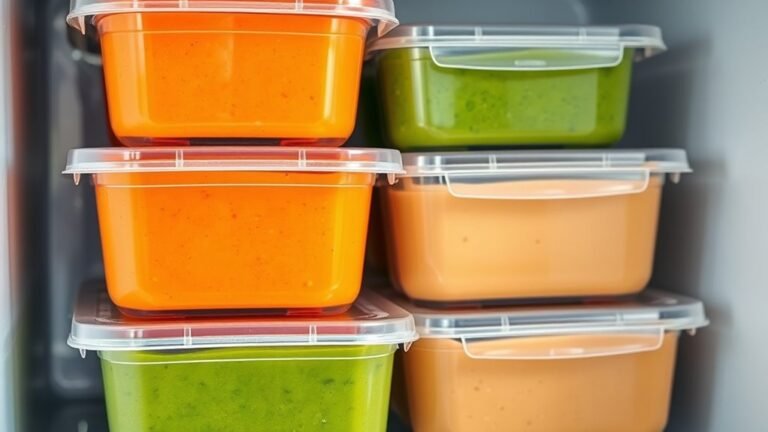
Using airtight containers and separating raw meats from ready-to-eat foods helps prevent contamination.
By following these simple steps, you not only protect yourself from foodborne illnesses but also cut down on food waste. Keeping your food safe is easier than you might think, and it makes a big difference in your health and kitchen hygiene.
There’s plenty more to know about how these practices keep your meals safe and tasty!
Key Takeaways
- Food storage safety involves handling and storing food at proper temperatures to prevent spoilage and bacterial growth. It’s all about keeping your food fresh and safe to eat.
- Proper storage helps maintain food quality and cuts down the risk of foodborne illnesses. Nobody wants to deal with that!
- Using airtight containers and keeping raw foods separate from ready-to-eat items stops contamination and keeps things fresh longer. It’s a simple step that makes a big difference.
- Refrigeration and freezing play a key role in slowing down bacterial growth. This helps extend the shelf life of your food, so you can enjoy it safely for longer.
- Safe food storage also helps minimize waste and keeps your kitchen organized by sorting foods by their expiration dates. Plus, it makes your kitchen a safer place overall.
What Food Storage Safety Means and Why It Matters
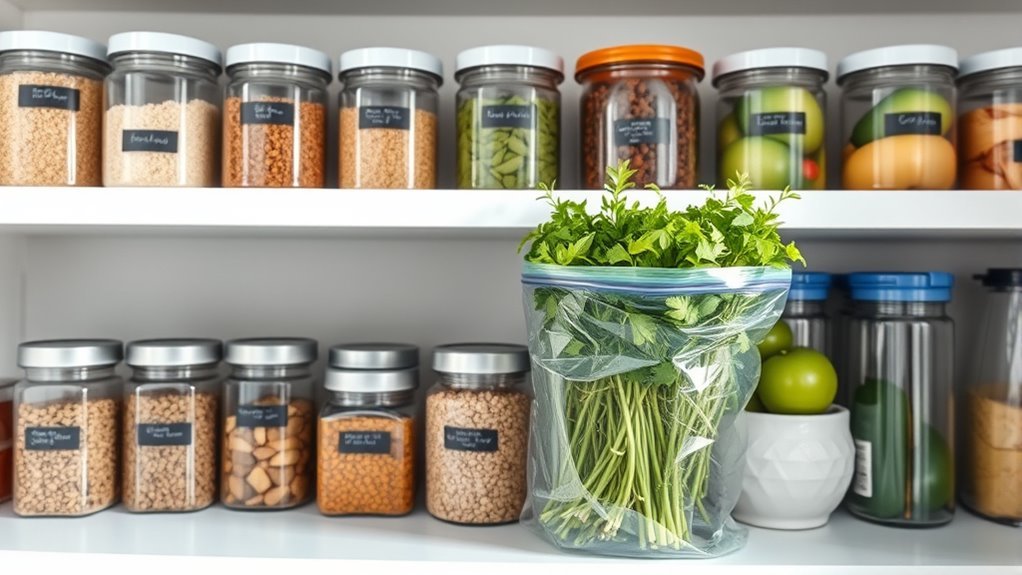
When you store food properly, you prevent bacterial growth and reduce the risk of foodborne illnesses. Food storage safety means handling and storing food at proper temperatures—keeping your refrigerator at or below 40°F and your freezer at 0°F—to slow down food spoilage.
You also need to use airtight storage containers to keep foods fresh and avoid cross-contamination. It’s especially important to store raw meats separately from ready-to-eat items.
Good food safety practices involve careful food handling and labeling to help you track freshness and avoid mistakes. By following these guidelines, you protect yourself and others from harmful bacteria that cause foodborne illness.
Proper refrigeration and freezer use not only maintain quality but also play a critical role in preventing contamination. When you prioritize food storage safety, you guarantee your food stays safe to eat and reduce health risks, making your kitchen a safer place.
How Proper Food Storage Keeps You Safe and Reduces Waste
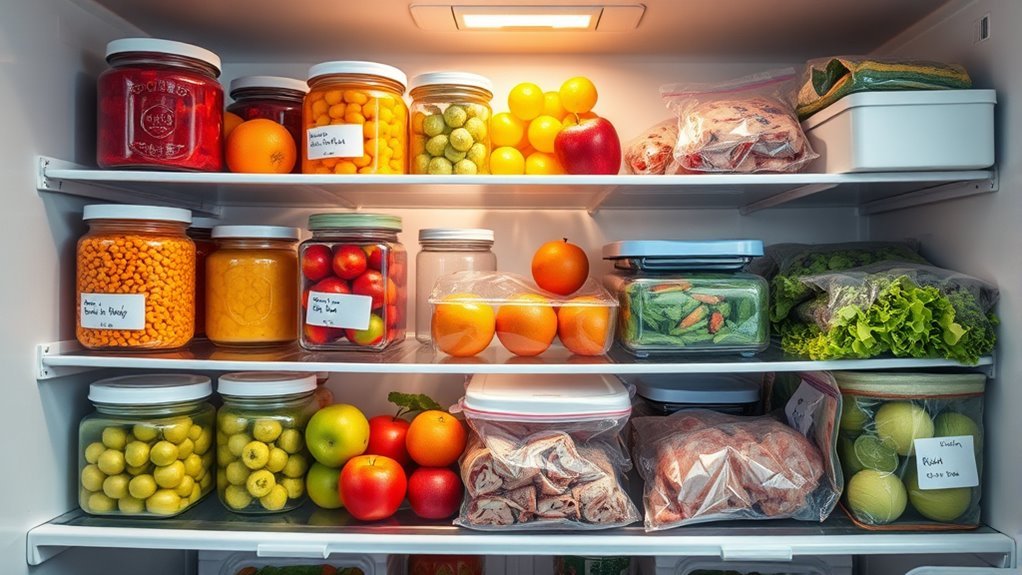
Because you store food properly, you keep harmful bacteria at bay and make your kitchen safer. Proper storage plays a vital role in food safety by controlling temperature, preventing cross-contamination, and reducing spoilage.
Proper food storage is essential for safety, controlling bacteria, preventing contamination, and reducing spoilage in your kitchen.
When you follow expiration dates and use refrigeration correctly, you minimize the risk of foodborne illnesses. Using airtight containers helps maintain freshness and prevents bacteria from spreading.
To keep your food safe and reduce waste:
- Store raw meats separately to avoid cross-contamination.
- Use airtight containers to extend shelf life and preserve quality.
- Monitor temperature control to slow bacterial growth and spoilage.
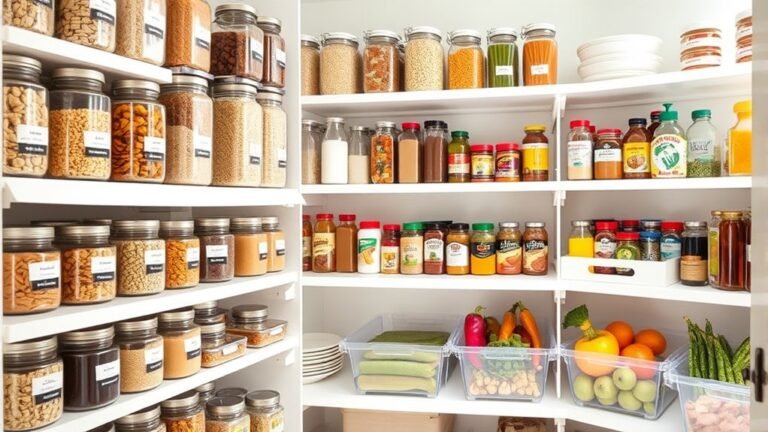
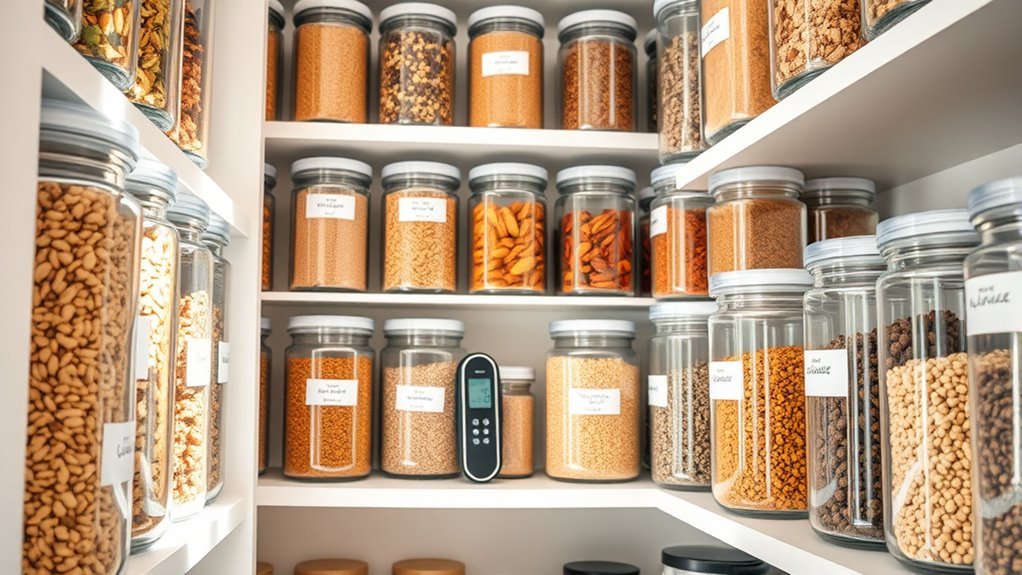
- Label and organize foods by expiration dates to use them efficiently.
Frequently Asked Questions
What Is Food Safety and Why Does It Matter?
Food safety means handling and storing food properly to keep you from getting sick. It matters because if you don’t, harmful bacteria can grow, causing illness and wasting food you could’ve safely enjoyed.
Basically, it’s all about keeping your food safe to eat. When you do it right, you protect yourself and others from getting sick. Plus, you avoid throwing away good food, which is always a win!
Why Is Safe Food Storage Important?
Safe food storage is important because it stops harmful bacteria from growing and keeps your food fresh longer. It also prevents cross-contamination and reduces waste.
What Are the 7 Most Important Food Safety Rules?
Think of your kitchen as a fortress: keep hot foods hot and cold foods cold. Always wash your hands well before handling food.
Separate raw foods from cooked ones to avoid any mix-ups. Thaw your food safely to keep everything fresh.
Make sure to cook everything thoroughly. And remember, avoid cross-contamination to guard against those invisible invaders—bacteria.
What Are the 5 Basic of Food Safety?
The five basics of food safety are cleaning your hands and surfaces, separating raw and cooked foods, cooking to proper temperatures, chilling foods promptly, and storing them correctly.
Follow these to keep food safe and avoid illness. It’s really simple when you get the hang of it! Just a few small steps can make a big difference.
Conclusion
When you store food safely, you’re not just protecting yourself from illness—you’re also cutting down on waste and saving money. It’s a win-win that happens by accident, but it’s no coincidence that proper storage keeps your meals fresh longer and your kitchen cleaner.
So next time you tuck leftovers away or organize your pantry, remember: you’re doing more than just putting food away—you’re making your whole routine safer and smarter. Food storage safety matters because it helps prevent foodborne illnesses, reduces spoilage, and keeps your ingredients at their best.
By practicing good food storage habits, you’re ensuring that your meals stay delicious and nutritious. Plus, you’re helping the environment by minimizing food waste. So, safe food storage isn’t just a simple task—it’s an important part of a healthy, efficient lifestyle.