Blog

  • 5 Best Food Storage Solutions for Freshness

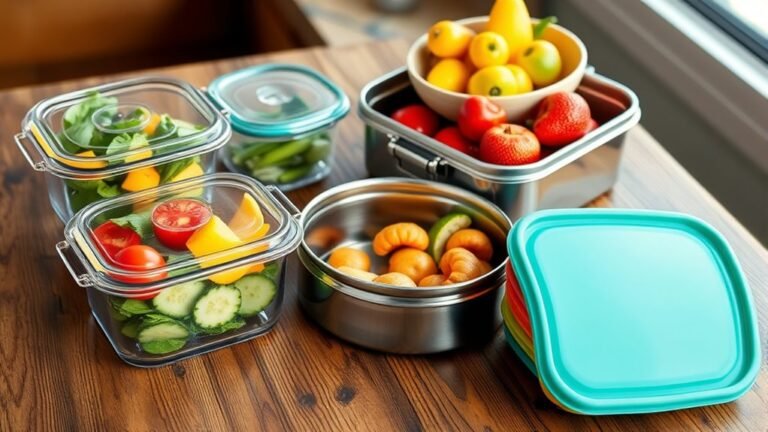
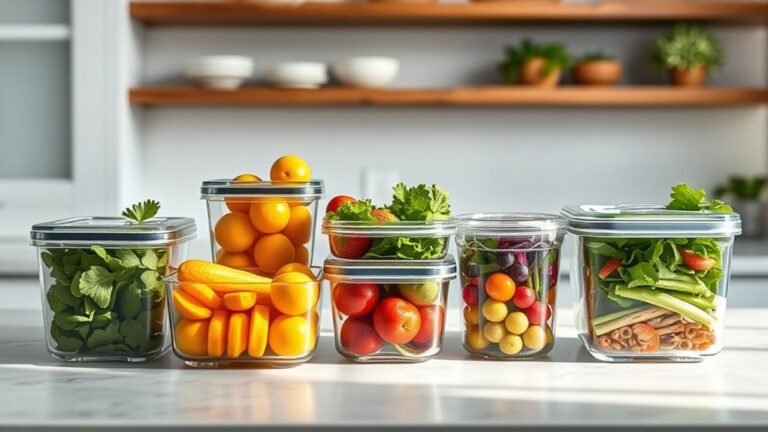
    You want airtight, leak-proof containers with silicone gaskets to keep your food fresh longer. Look for durable materials like borosilicate glass or high-quality plastics resistant to odors and stains.

    Choose stackable, space-saving containers to maximize your pantry or countertop. Top brands like Rubbermaid Brilliance and OXO Good Grips offer excellent seals.

    Also, labeling and storing in cool, dark spots help extend shelf life. Keep these tips in mind to elevate your food storage game even further.
  • 3 Safe Plastics for Food Storage You Should Know

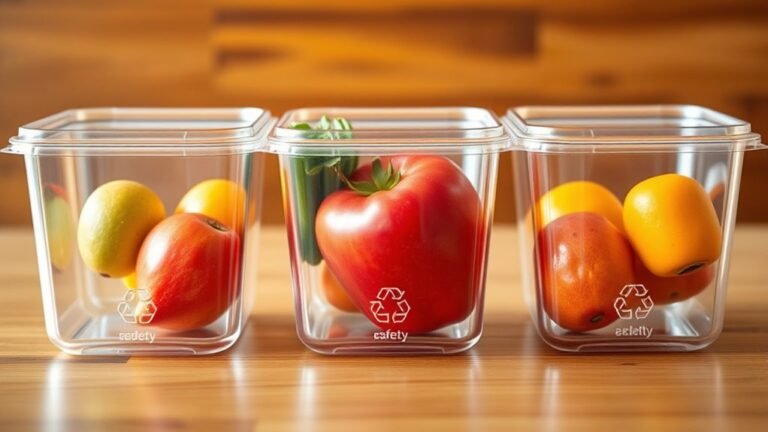
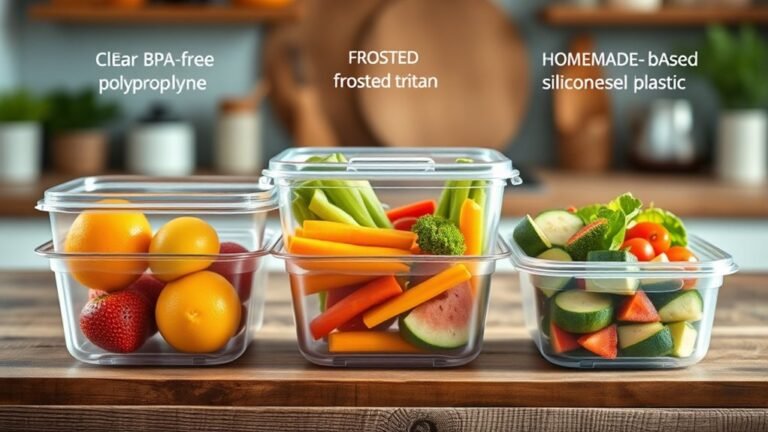
    You can safely store food using three common plastics: PET, HDPE, and PP. PET offers clear containers perfect for single-use beverages.

    HDPE adds durability and chemical resistance. And PP stands out with heat resistance for microwaveable containers.

    Make sure to check their recycling codes (#1, #2, and #5). Avoid using damaged or non-microwave-safe plastics.

    With the right care, these materials keep your food safe and fresh. Keep exploring to learn their benefits and safe use tips.

  • 3 Reasons Glass Is Better Than Plastic for Food Storage

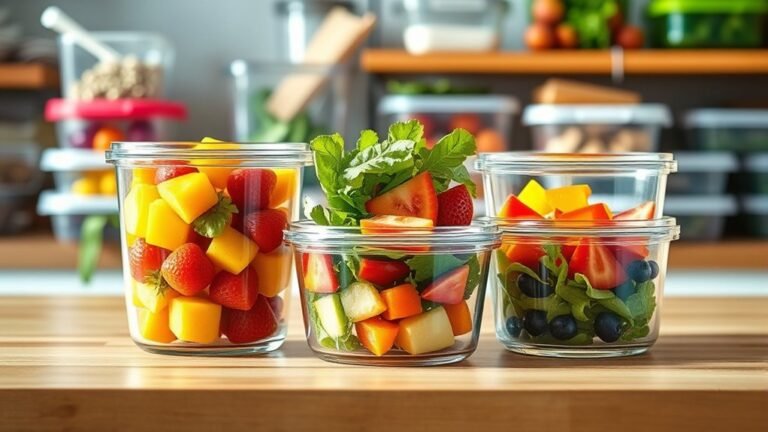
    You’ll want to choose glass over plastic for food storage because it doesn’t leach harmful chemicals like BPA, keeping your meals safer. Glass also preserves food better by preventing odors and stains while handling microwaving without releasing toxins.

    Plus, it’s eco-friendly—fully recyclable and reusable, which cuts down plastic waste and pollution. If you want to protect your health, extend your food’s freshness, and help the planet, there’s plenty more to discover about glass containers.

  • 3 Plastics Safe for Food Storage

    You can safely store food using three common plastics: HDPE, LDPE, and PP. HDPE is durable and microwave-safe, perfect for jugs and containers.

    LDPE offers flexibility and is great for short-term storage like produce bags but isn’t microwave-safe.

    PP stands out with its high melting point, making it ideal for reusable, microwave-safe dishes. Each provides excellent chemical resistance and recyclability.

    Keep exploring to discover how these materials protect your food and the environment.

  • 3 Key Features to Look for in Food Storage Containers

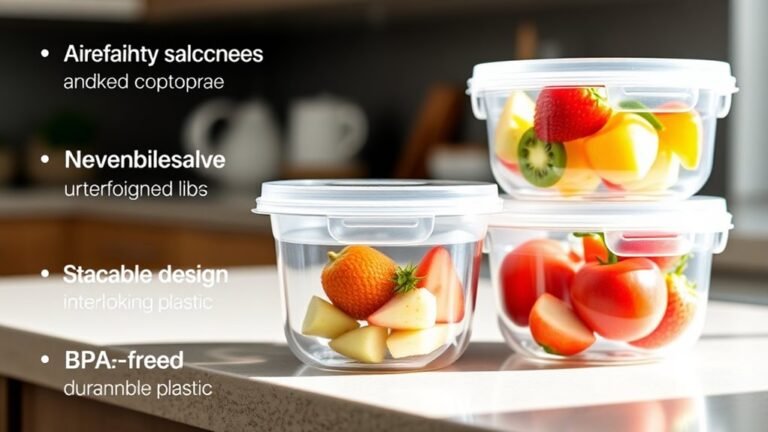
    You’ll want food storage containers that lock tightly with silicone gaskets to prevent leaks and spills. Choose impact-resistant, BPA-free plastic or tempered glass for durability, so they last through daily use.

    Look for user-friendly lids with textured tabs for easy opening and stacking shapes like rectangles or squares to save space in your kitchen. These features create a practical, reliable system that fits your lifestyle perfectly.

    There’s more to explore to help you make the best choice. Let’s dive in and find the right containers for you!

  • 3 Items You Should Buy for Food Storage

    You should buy long-lasting non-perishable foods like canned meats, grains, and dried fruits to keep your nutrition balanced.

    Next, get airtight containers such as Mylar bags or vacuum-sealed buckets to keep your food fresh and safe from pests.

    Finally, make sure you have a reliable water supply stored in food-grade containers, rotating it regularly to stay fresh.

    If you want to be fully prepared, understanding storage techniques and preservation methods will help you build a dependable food stockpile.

  • 3 Good Foods for Long-Term Storage

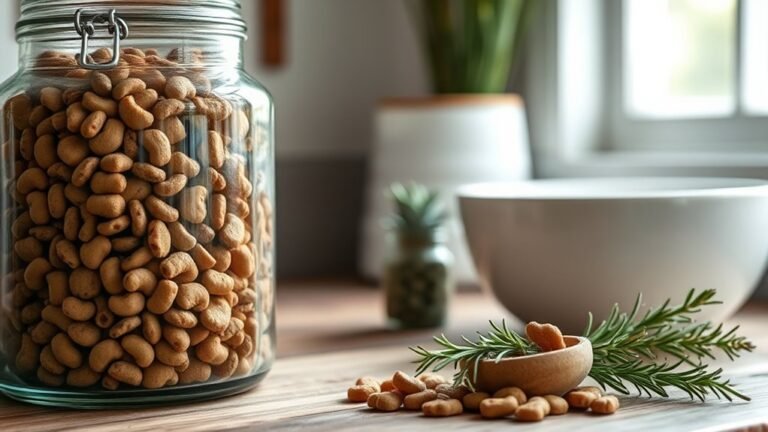
    For long-term storage, you’ll want dried beans, lentils, and legumes since they’re packed with protein and fiber. Plus, they last for years when kept cool and dry.

    Rice and other grains like oats and quinoa also store well for up to 8 years if sealed airtight. It’s pretty impressive how long they can stay good.

    Don’t overlook powdered milk and freeze-dried cheese—they provide essential nutrients and can last over a year or more if sealed properly. These staples really come in handy.

    Stick with these staples, and you’ll be well-prepared with reliable, nutritious options that store safely for emergencies or everyday use. There’s plenty more to explore on keeping your food fresh and ready.

  • 3 Foods That Last the Longest in Storage

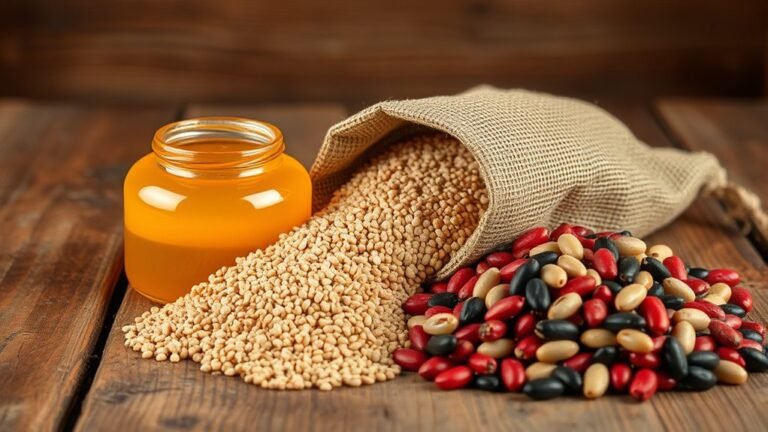
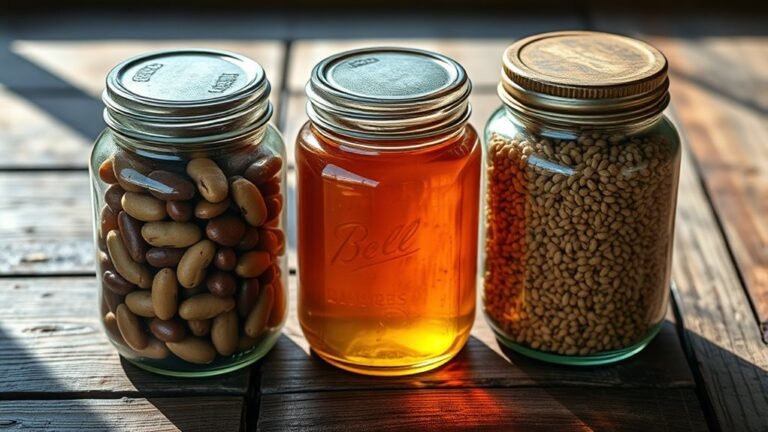
    You’ll find dried beans, lentils, and legumes among the longest-lasting foods if stored airtight in a cool, dark place. Honey also keeps indefinitely without spoiling, thanks to its natural composition.

    Plus, canned foods like vegetables and tomato sauces last for years unopened, as long as you avoid dents or rust. These foods offer reliable nutrition and durability for your pantry.

    Keep exploring these options, and you’ll discover how to maximize your long-term food storage. It’s all about choosing the right foods and storing them properly.

  • 3 Easy Tips to Avoid Storage Mites in Dog Food

    To keep storage mites out of your dog’s food, store it in airtight containers placed in a cool, dry spot with humidity below 50%. Freeze dry food for 24-48 hours before feeding to kill any mites lurking inside.

    Also, clean your storage area and containers regularly to remove eggs and debris. These simple steps help make certain your dog’s food stays fresh and safe.

    If you want to protect your pet even better, there are a few more tricks to consider.

  • 3 Best Places to Buy Rubbermaid Food Storage Sets

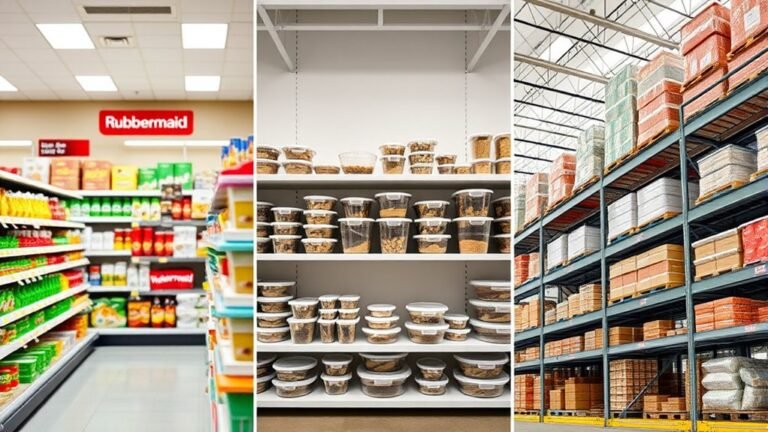
    You’ll find the best Rubbermaid food storage sets by shopping directly on the official Rubbermaid website. There, you get authentic products and exclusive deals.

    Major online marketplaces like Amazon and Walmart offer wide selections with customer reviews and convenient delivery. It’s super handy if you like to read what others think before buying.

    Specialty kitchenware and department stores provide expert advice and let you compare options in person. Sometimes, seeing things up close really helps make the right choice.

    If you want to explore more benefits and options, keep going to uncover great tips and insights. There’s plenty more to learn about getting the most from your Rubbermaid sets!