Blog

  • 10 Tips to Organize Food Storage Efficiently

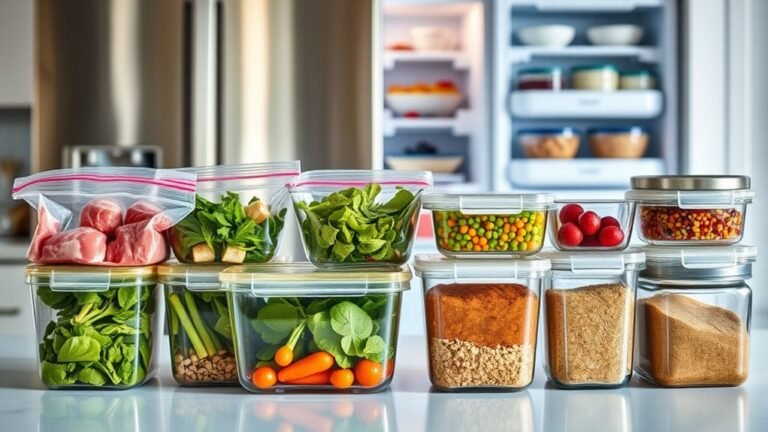
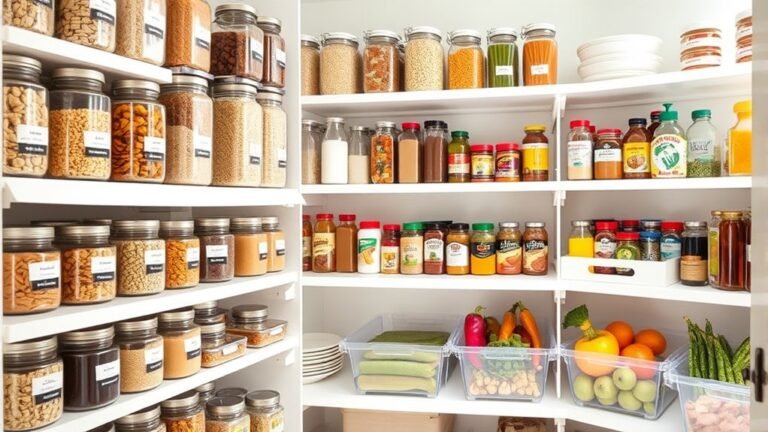
    To organize your food storage efficiently, start by decluttering and tossing broken or unused containers. Separate lids from containers and group everything by size and shape for easy nesting.

    Use shallow cabinets or adjustable baskets and drawers near your prep area to keep frequently used containers within reach. Leave some space for new items and regularly review your setup to maintain order and flexibility.

    Keep this approach, and you’ll find smarter, faster ways to manage your kitchen storage. It really makes a difference when everything has its place!
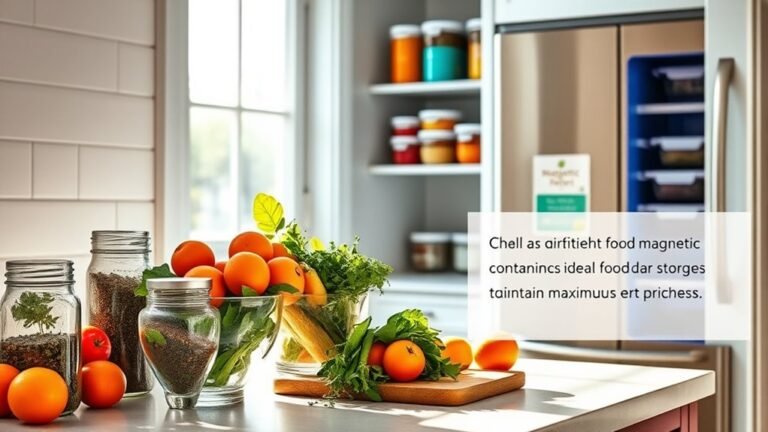
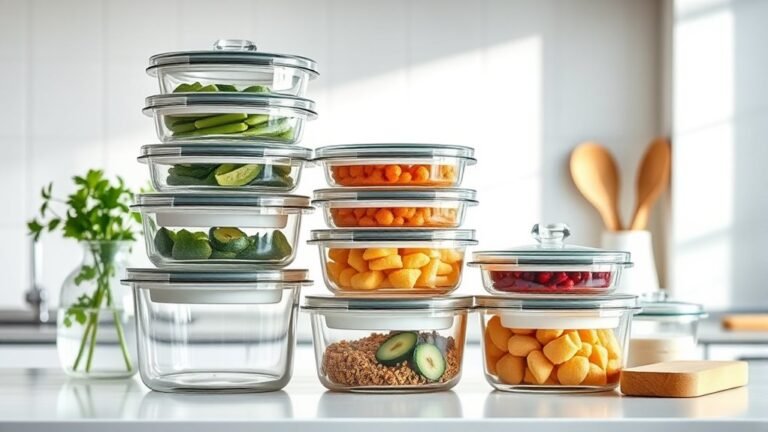
  • 10 Tips on Where to Put Food Storage for Maximum Freshness

    To keep your food fresh longer, store perishables in the coldest part of your fridge, like the bottom shelf or dairy drawer, and use crisper drawers for fruits and veggies. Keep raw meat on the lowest shelf to avoid drips.

    Use airtight containers for leftovers and don’t overpack the fridge to maintain airflow. Freezing bread and leftovers is a great way to extend their shelf life.

    Ripen produce on the counter before refrigerating. Also, store herbs and root vegetables in cool, dark cupboards to keep them fresh.

    Label and date everything to stay organized. And honestly, there’s a lot more to learn about optimizing your kitchen storage for maximum freshness!

  • 10 Tips on How to Store Glass Food Storage Containers

    To store your glass food containers safely and neatly, make sure they’re completely clean and dry before stacking. Use containers of similar sizes and nest smaller ones inside larger for space-saving.

    Store lids separately in organizers, and arrange everything by shape for easy access. Protect containers with drawer liners or soft cloths to prevent damage.

    Avoid lazy Susans—they can cause accidents and clutter. Keep your storage organized and clutter-free regularly, and you’ll find even better ways to manage your kitchen space.

  • 10 Storage Benefits of Canned Food You Should Know

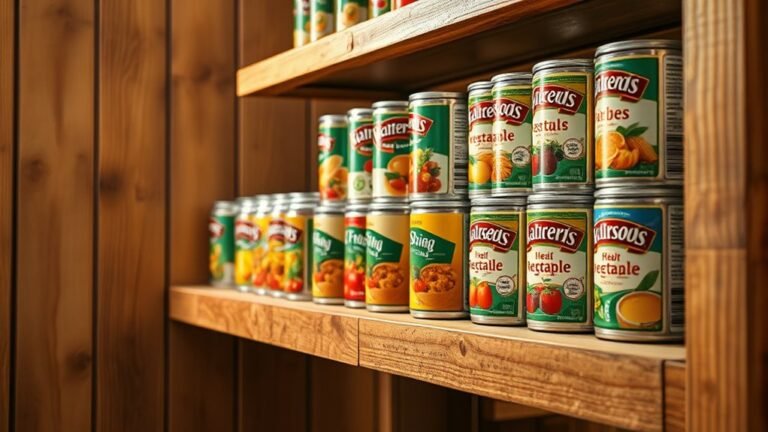
    You’ll appreciate canned foods for their long shelf life, often lasting 1-5 years when stored properly. They preserve nutrients well without harsh chemicals, thanks to heat sterilization and vacuum sealing.

    You can count on their convenience during emergencies since they need no refrigeration and resist spoilage. Their compact, stackable design helps you organize your pantry efficiently while reducing food waste.

    Plus, cans are easy to handle and transport. Keep exploring to uncover even more advantages that make canned food a smart, reliable choice.

  • 10 Steps to Prepare Food for Long Term Storage

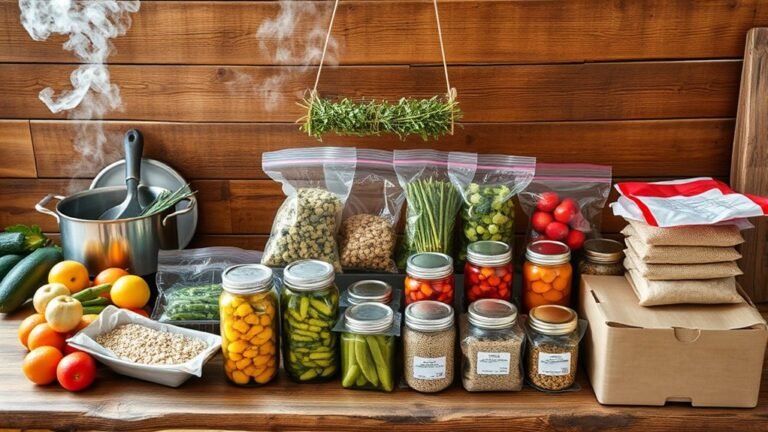
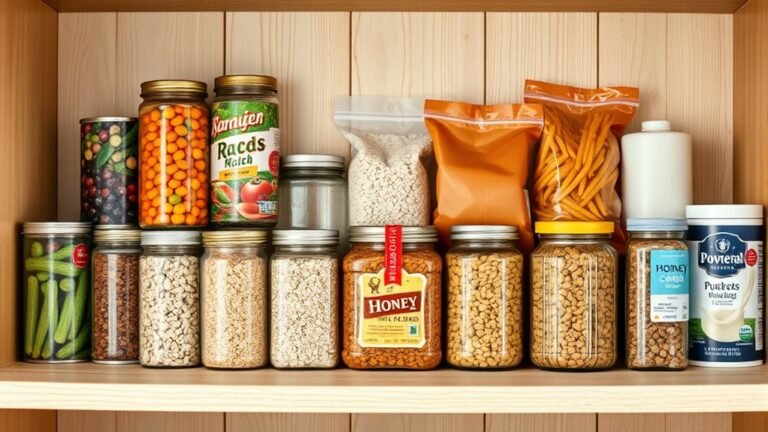
    Start by cleaning and evaluating a cool, dry storage area to prevent spoilage. Choose airtight, pest-resistant containers to protect your food.

    Pick non-perishable, nutritious items like grains, canned goods, and freeze-dried foods. Organize supplies with the FIFO method, rotate regularly, and check for expiration.

    Include special foods for infants or dietary needs. Maintain an ongoing routine for inventory and replenishment to keep supplies fresh and balanced.

    Keep following to discover more practical tips for long-term food storage success. It’s all about staying prepared and making sure your food lasts when you need it most.

  • 10 Steps to Make a Cold Room for Food Storage

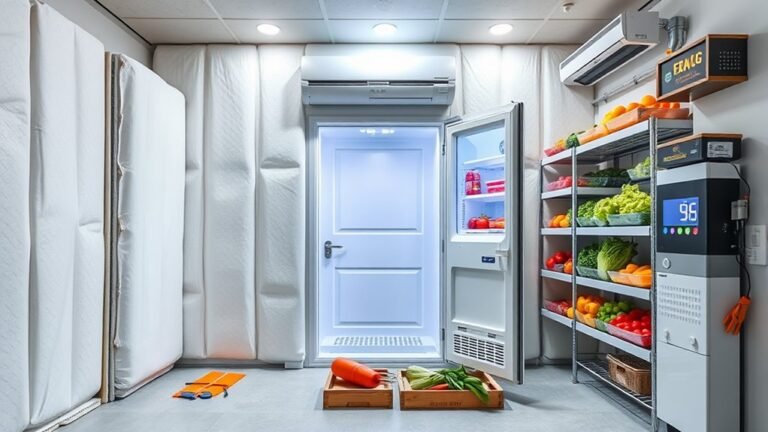
    To make a cold room for food storage, start by selecting a cool, dark spot with stable temperatures. Prepare the site with good drainage.

    Then, build insulated walls using moisture-resistant materials and vapor barriers. Construct a sturdy roof and a well-sealed, insulated door.

    Install vents for proper airflow, balancing intake and exhaust. Control temperature and humidity around 37-40°F and 90-95% to keep food fresh.

    Use natural insulation like straw or foam. Monitor conditions regularly with sensors and adjust as needed.

    Keep exploring to master every detail. You’ll get the hang of it in no time!

  • 10 Steps for the Best Order Food Should Be Placed Into Storage

    First, verify food freshness and check expiration dates before storing. Always make certain proper labeling with clear product names and dates.

    Clean and sanitize your storage areas thoroughly. Organize foods by their temperature needs, keeping raw items below cooked ones to avoid contamination.

    Avoid overcrowding to allow air circulation. Store high-risk foods on lower shelves and use shallow containers for leftovers to cool quickly.

    Consistently monitor temperatures for safety. Follow these steps, and you’ll be set to explore even more food storage best practices.

  • 10 Foods Suitable for Long-Term Storage

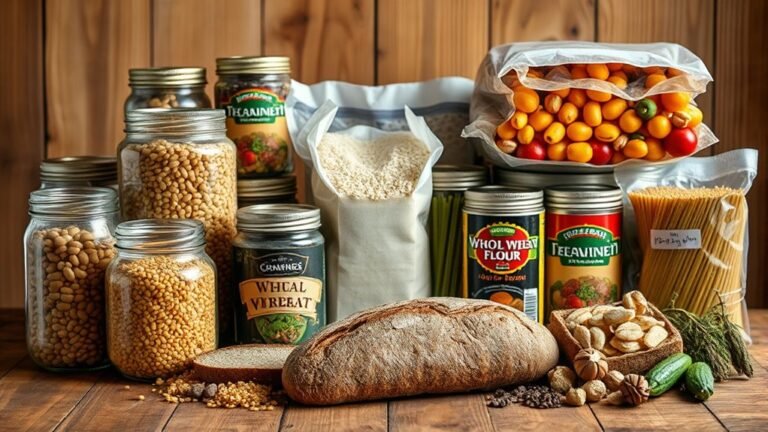
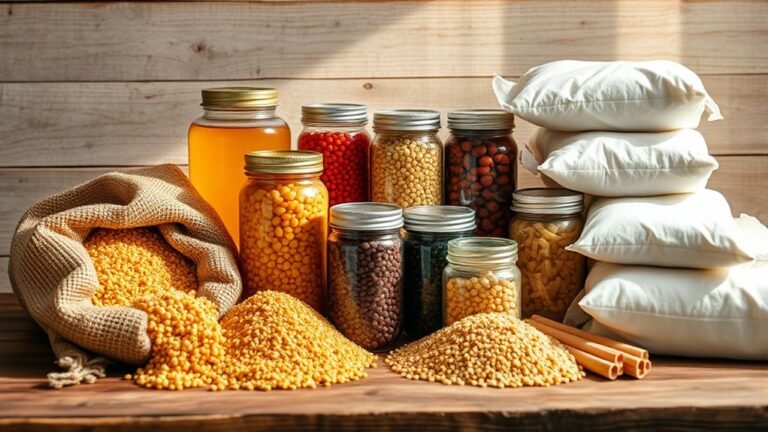
    You’ll want to stock up on foods like white rice, dried beans, lentils, powdered milk, and canned vegetables and fruits for long-term storage. They last years when kept cool and airtight.

    Honey and salt can stay good indefinitely if stored properly, while freeze-dried meats offer decades of nutrition in a compact form. Pasta and maple syrup also keep well with the right conditions.

    Keeping these basics on hand ensures you’re prepared. Plus, there’s more to uncover about how to store them best.

  • 10 Essential Foods to Buy for Emergency Storage

    You’ll want to stock up on canned meats and poultry for ready protein, dry beans and legumes for fiber and nutrients, plus whole grains and pasta for energy.

    Include nut butters and nuts, canned veggies and fruits, and shelf-stable snacks for variety and quick fuel.

    Don’t forget bottled water, essential spices, and ready-to-eat soups or chili for convenience.

    With the right choices, you’ll build a balanced emergency stash that keeps well and fuels you through tough times—there’s plenty more to learn about storing these essentials effectively.

  • 10 Best Foods to Buy for Long Term Storage

    You’ll want to stock up on dried beans and lentils, white rice, and wheat—they last 25-30 years when stored airtight and cool.

    Powdered milk and canned veggies add essential nutrients, while shelf-stable nuts and snacks provide quick energy.

    Don’t forget salt, sugar, and spices for flavor and preservation, plus cooking oils and fats stored properly to avoid rancidity.

    These staples keep your pantry ready for anything, and there’s plenty more to discover about long-term food storage essentials.