10 Best Foods to Buy for Long Term Storage
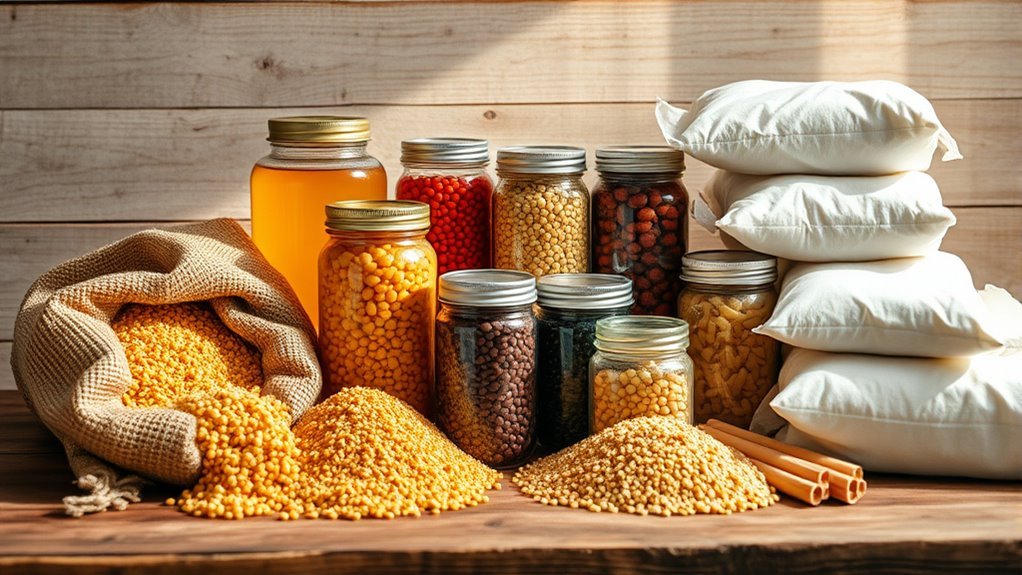
You’ll want to stock up on dried beans and lentils, white rice, and wheat—they last 25-30 years when stored airtight and cool. These foods are some of the best for long-term storage because they provide a solid nutritional foundation and have impressive shelf lives.
Powdered milk and canned veggies add essential nutrients, while shelf-stable nuts and snacks provide quick energy. Don’t forget salt, sugar, and spices for flavor and preservation, plus cooking oils and fats stored properly to avoid rancidity.
These staples keep your pantry ready for anything. There’s plenty more to discover about long-term food storage essentials, but starting with these basics is a smart move.
Key Takeaways
- Dried beans and lentils last over 30 years when stored airtight in cool, dry conditions. They provide essential protein and fiber, making them a smart choice for long-term storage.
- Long-grain white rice varieties like jasmine and basmati remain viable up to 30 years with proper airtight, oxygen-absorbed storage. So, you can count on them to be a reliable staple.
- Freeze-dried meats and canned vegetables last decades if stored cool and airtight. They offer preserved nutrients and protein, which come in handy when fresh options aren’t available.
- Salt, sugar, and honey have indefinite shelf lives when sealed and stored in cool, dry places. These are crucial for both preservation and flavor, so don’t overlook them.
- Nuts and dried fruits maintain quality for 1-2 years when kept airtight and moisture-free. They make great snacks and provide good nutrition, even if you don’t store them as long as other items.
Dried Beans and Lentils
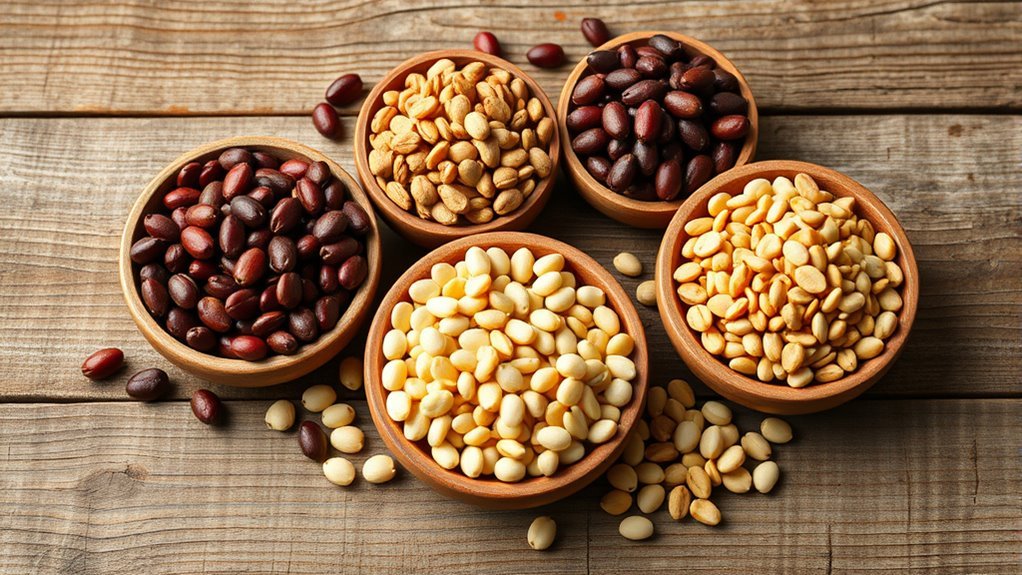
Dried beans and lentils can last over 30 years when you store them airtight in a cool, dry place. Their impressive shelf life makes them ideal for long-term storage.
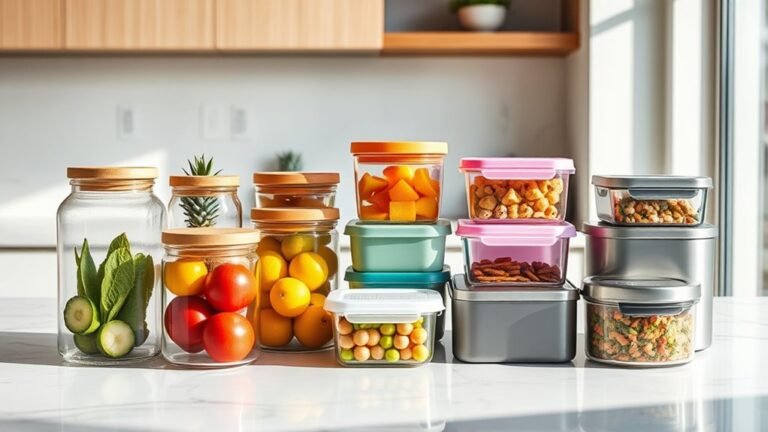
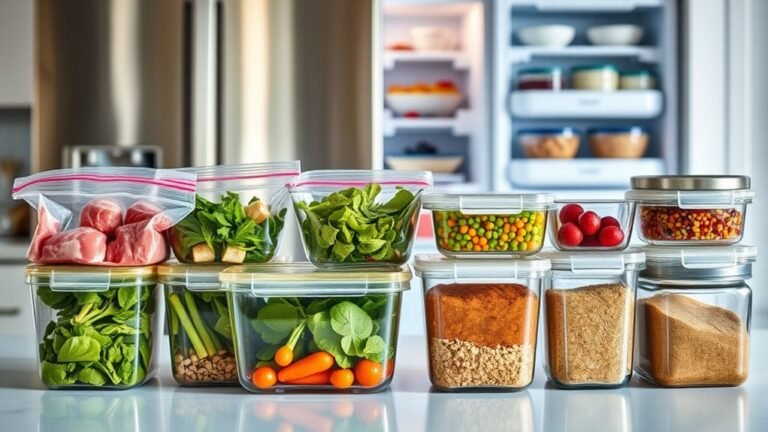
By using airtight containers, you protect your dried beans from moisture, insects, and spoilage, ensuring maximum food preservation. These staples pack a powerful nutritional punch, offering protein, fiber, vitamins, and minerals essential for a balanced diet during extended storage.
You can often find dried beans and lentils in bulk purchase options, which helps you stock up affordably and efficiently. Remember, soaking and cooking are necessary before eating, but pre-soaking can save time.
Buying dried beans and lentils in bulk is cost-effective; soaking them beforehand speeds up cooking time.
Choosing dried beans and lentils for your pantry means you’re investing in a reliable, nutritious, and long-lasting food source that’s perfect for emergencies or everyday use.
White Rice Varieties
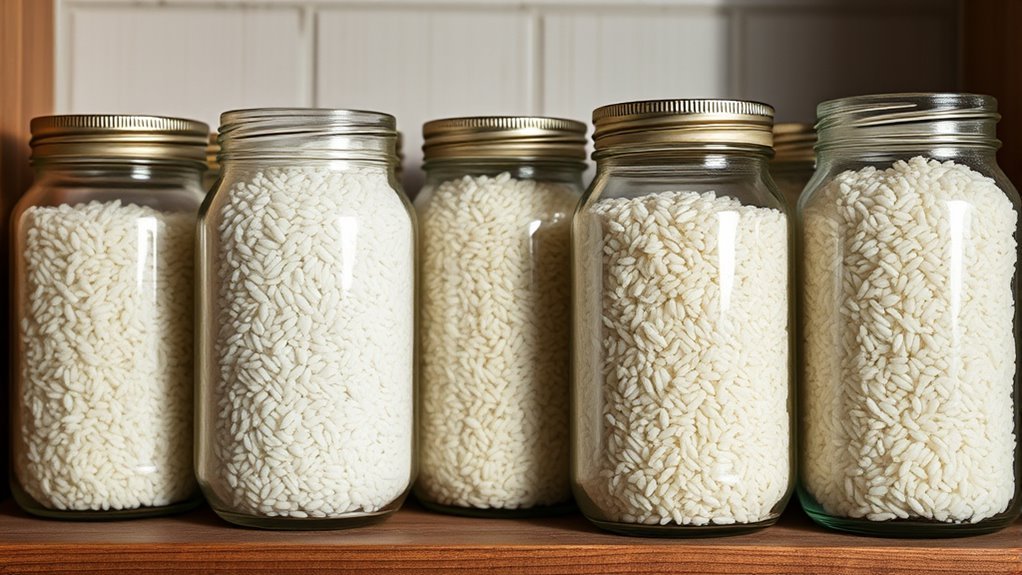
You’ll find long-grain white rice varieties like jasmine and basmati last the longest—up to 30 years when stored right. Keep them in airtight containers with oxygen absorbers, stored in a cool, dark place to preserve quality.
When it’s time to cook, rinse the rice well to remove any dust and ensure a fluffy texture. It really makes a difference in the final dish!
Types of White Rice
Three popular types of white rice—Basmati, Jasmine, and long-grain varieties—stand out for their excellent long-term storage qualities. You’ll find that Basmati rice, known for its fragrant aroma, and Jasmine rice, prized for its delicate flavor, both last up to 30 years when kept in cool, airtight storage.
Long-grain white rice generally shares this impressive shelf life. Choosing polished rice like these guarantees minimal rancidity over time. Here’s a quick comparison:
| Rice Type | Shelf Life (Years) |
|---|---|
| Basmati Rice | Up to 30 |
| Jasmine Rice | 30+ |
| Long-Grain Rice | 25 to 30 |
| Medium-Grain | 20 to 25 |
| Short-Grain | 20 to 25 |
To get the most out of your rice’s shelf life, store it in airtight containers. This little step really helps optimize long-term storage success.
Storage Lifespan
How long can you expect white rice to stay fresh when stored properly? With the right conditions, white rice varieties like jasmine and basmati boast an impressive storage lifespan of 25 to 30 years.
For effective long-term food storage, keep your rice in airtight containers combined with oxygen absorbers to slow oxidation and spoilage. Storing rice in a cool, dry, dark place around 55°F or lower further extends its shelf life and preserves nutritional value.
Unlike brown rice, white rice’s low oil content prevents rancidity, making it an ideal choice for food preservation. When building your food storage plan, prioritize moisture-free environments and sealed packaging to maximize rice’s longevity and ensure you always have a reliable staple ready for emergencies or everyday use.
Preparation Tips
Although white rice varieties like Basmati and Jasmine can last decades when stored properly, preparing them for cooking requires a few key steps to guarantee the best texture and flavor. First, store your rice in airtight containers with oxygen absorbers inside food-grade packaging like Mylar bags or buckets.
Keep the storage temperature below 70°F to maintain freshness and help prevent pests. When you’re ready to cook, rinse the rice thoroughly to remove any dust or residual particles from long-term storage.
It’s a good idea to practice rotation by using older rice first and replacing it with fresh stock to extend shelf life. Also, regularly inspect your containers for signs of spoilage or pests.
Wheat and Other Grains
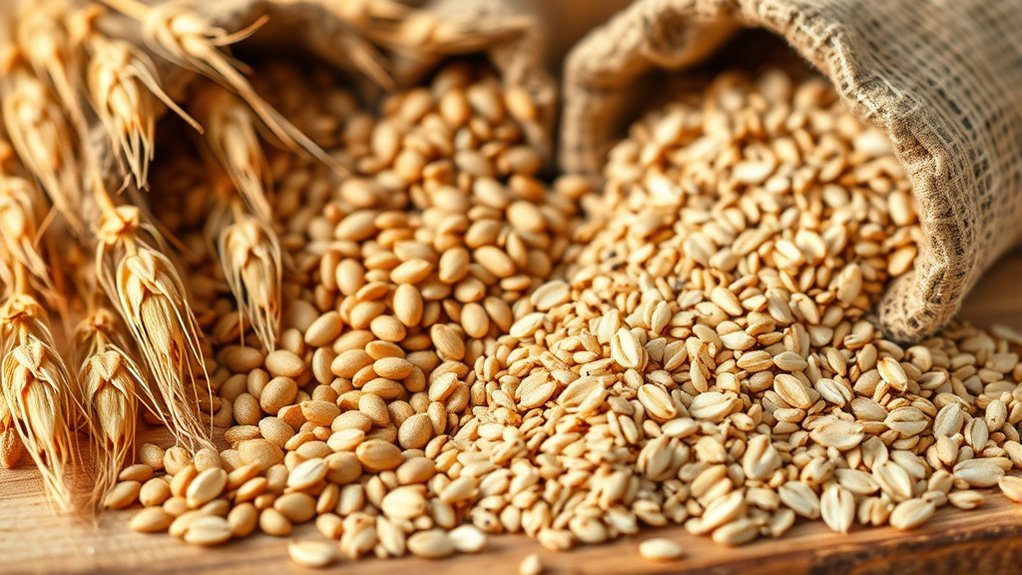
When you store wheat and other grains properly, you can preserve them for decades. Use airtight containers with oxygen absorbers for sealed storage, keeping grains dry and cool to maximize shelf life.
Choose #2 grade wheat with 12-15% protein and under 10% moisture for excellent long-term storage. Avoid brown rice as it spoils quickly. Here’s a quick guide:
| Grain | Shelf Life (Years) | Storage Tips |
|---|---|---|
| Wheat (#2) | 25-30 | Airtight + oxygen absorbers |
| White Rice | 25-30 | Cool, dry, sealed |
| Rye | 8-12 | Moisture protection |
| Oats | 8-12 | Airtight, cool storage |
| Quinoa | 8-12 | Use moisture barriers |
Proper moisture protection and sealed storage ensure your grains remain viable for years. So, keep them dry and sealed tight to enjoy them whenever you need.
Powdered Milk and Dairy Alternatives
If you want reliable dairy options for long-term storage, powdered milk and its alternatives offer great versatility and shelf life. Proper storage is key—use airtight containers and oxygen absorbers to extend freshness.
Here’s what to contemplate:
- Powdered milk lasts 12 to 24 months at 70°F when stored correctly.
- Canned evaporated milk stays good up to 2 years unopened.
- Powdered cheese and spreads can last 5 to 10 years if sealed and kept dry.
- Shelf-stable almond or soy milk lasts several months but requires regular rotation.
Always check expiration dates and store dairy alternatives in cool, dark places. With these tips, you’ll have dependable dairy options ready when you need them most.
Canned Fruits and Vegetables
While powdered milk and dairy alternatives cover your long-term storage needs for dairy, canned fruits and vegetables offer another reliable way to stock up on nutritious staples.
These canned foods boast long shelf life and shelf stability, lasting up to 6 years when stored in cool, dark places. Sealed cans ensure preservation and prevent spoilage, maintaining nutrient retention.
You’ll find canned vegetables like corn and peas often remain safe beyond their best-by dates, though flavor may decline. Just make sure to regularly inspect your food storage for bulging or rusted cans to keep everything safe.
| Item Type | Shelf Life |
|---|---|
| Canned Vegetables | 6+ years |
| Canned Fruits | 2-4 years |
| Storage Tips | Keep cool & dark |
| Safety Checks | Inspect cans monthly |
Freeze-Dried and Dehydrated Meats
Freeze-dried and dehydrated meats offer some of the longest-lasting protein options, with shelf lives reaching up to 30 years when stored properly. These meats, like beef, chicken, and turkey, retain flavor and nutrition with minimal rehydration.
Freeze-dried meats can last up to 30 years, keeping flavor and nutrition with just a little water.
For effective long-term storage and emergency preparedness, follow these tips:
- Store freeze-dried meats in airtight containers to prevent moisture and air exposure.
- Use oxygen absorbers inside packaging to extend shelf life by reducing oxidation.
- Keep your meat in cool, dry places away from light to maintain quality during dehydration.
- Choose nitrogen-flushed, commercially prepared freeze-dried meats for the best preservation.
Storing your meats right makes all the difference, so take a little extra time to do it properly. That way, when you need them, they’ll be just as good as the day you packed them.
Cooking Oils and Fats
Though cooking oils and fats vary widely in shelf life, you can keep them fresh for years by storing them properly in cool, dark places and airtight containers. For long-term storage, opt for stable fats like ghee and coconut oil, which can last up to 10-20 years and several years, respectively.
Most cooking oils, such as olive and vegetable oil, have a shelf life of 1-2 years but need careful rotation because oils high in polyunsaturated fats spoil faster. To prevent rancidity and maintain nutritional value, always seal oils in airtight containers and protect them from heat and light.
Shelf-Stable Snacks and Nuts
You’ll want to store nuts like almonds and cashews in airtight, moisture-free containers to keep them fresh for up to two years.
Shelf-stable snacks like dried fruits and granola bars also last well when kept in cool, dark places.
Proper storage not only extends their shelf life but also protects against pests and spoilage.
Nut Storage Tips
Because nuts can quickly turn rancid when exposed to air, light, or moisture, you should store them in airtight containers or vacuum-sealed bags to keep them fresh. Proper storage is key to extending their shelf life and preserving nutrients, much like freeze-dried foods.
Here’s how to maximize nut storage:
- Use airtight containers or vacuum-sealed bags to block air and moisture.
- Keep nuts in a cool, dark, dry place such as a pantry or cellar.
- Label containers with dates and practice rotation to use older nuts first.
- For longer storage, refrigerate or freeze nuts; frozen nuts can last over a year.
Snack Shelf Life
Nuts require careful storage to stay fresh, but many shelf-stable snacks demand similar attention to maintain their quality over time. To maximize the shelf life of your snacks, store them in airtight containers away from heat and light.
Most nuts like almonds and walnuts last 1-2 years when kept properly, while dried fruits such as raisins and cranberries typically remain good for 6-12 months, extending if frozen.
Hard candies, chocolates, and caramel candies also maintain quality for up to two years in cool, dry places. Packaged snacks, including trail mix and granola bars, usually last 6-12 months, depending on their ingredients and packaging.
Always check the expiration date and follow proper storage guidelines to guarantee your snacks stay fresh throughout their storage duration. It’s worth the little extra effort to keep your snacks tasting great!
Salt, Sugar, and Sweeteners
Three common staples—salt, sugar, and sweeteners—play essential roles in long-term food storage. These ingredients not only enhance flavor but also aid in preservation, extending the shelf life of your stored foods.
To keep them effective, store salt, sugar, and sweeteners in airtight containers within a cool, dry, and dark place.
Here’s what you need to know:
- Salt lasts indefinitely in its original packaging or airtight containers and helps preserve other foods.
- Sugar varieties—white, brown, and powdered—also have an indefinite shelf life under proper conditions.
- Sweeteners like honey and maple syrup can last forever if sealed correctly.
- Proper storage prevents moisture and spoilage, maintaining quality throughout long-term storage.
Keep these staples on hand for both flavor and reliable preservation. They’re simple, effective, and really worth having around!
Spices, Herbs, and Condiments
When you store spices, herbs, and condiments properly, they can keep their flavor and usefulness for years. Salt, pepper, and dried herbs like oregano and thyme last indefinitely when kept airtight, away from light and moisture.
Properly stored spices, herbs, and condiments maintain their flavor and potency for years, especially when kept airtight and away from light.
Dried spices such as cumin, paprika, and cinnamon have a shelf life of 2-4 years but need airtight storage to retain their potency. So, make sure to seal them well!
Condiments like honey, vanilla extract, and soy sauce also last long-term if sealed tightly and stored in cool, dark places. Vinegar can last forever, which is pretty handy.
On the other hand, cooking oils like olive and coconut oil have shelf lives of 1-2 years before going rancid. It’s best to keep them in a cool spot.
Powdered seasonings, including garlic and onion powder, maintain quality for 2-3 years with proper airtight, cool, and dry storage. Just keep them sealed and out of the light, and you’re good to go!
Frequently Asked Questions
What Food Lasts Longest in Storage?
You’ll find honey, salt, sugar, vinegar, and pure vanilla extract last the longest in storage—they can last indefinitely if you store them properly in cool, dry, airtight conditions.
Just make sure you keep them protected from moisture and pests. That’s really the key to keeping these staples fresh forever!
What Is the 5 4 3 2 1 Rule for Groceries?
The 5-4-3-2-1 rule means you should stock 5 days of food, 4 quarts of water, 3 days of meds, 2 weeks of essentials, and 1 month of long-term supplies.
It helps you prepare smartly and steadily.
Basically, it’s a simple way to break down what you need so you’re ready without feeling overwhelmed.
Just take it step-by-step, and you’ll have what you need when it counts.
What Foods Should I Stockpile for Survival?
You should stockpile long-lasting staples like rice, beans, canned proteins, freeze-dried fruits, and veggies. Don’t forget essential seasonings like salt and honey.
Prioritize nutrient-dense foods to stay healthy during emergencies. It really helps to have a variety of options so you don’t get bored and can keep your energy up.
What Should I Stock up on if WW3 Happens?
Imagine your pantry as a lifeboat—you’ll want canned beans, rice, and freeze-dried meals. Water purification supplies are a must too.
These essentials keep you afloat during WW3’s storm. They ensure nourishment and safety when chaos hits.
Conclusion
When you stock up on these 10 best foods for long-term storage, you’re not just buying groceries—you’re investing in peace of mind. Imagine opening your pantry knowing you’ve got everything to nourish yourself and your loved ones, no matter what comes your way.
Like a safety net woven from dried beans to spices, these essentials will keep you ready, resilient, and resourceful. So, why wait? Start building your fortress of food today!
Long-term food storage is all about preparation and confidence. With the right foods in your pantry, you’ll have a reliable supply that can sustain you through emergencies or unexpected situations. From grains and legumes to canned goods and dried fruits, these 10 best foods offer nutrition, shelf life, and versatility. Taking the time to stock these staples means you’re making a smart choice for your family’s health and security. Don’t just prepare for the unknown—embrace it with a well-organized food storage plan that keeps you ready for anything.