What Is Food Storage in Plants and How Does It Work?
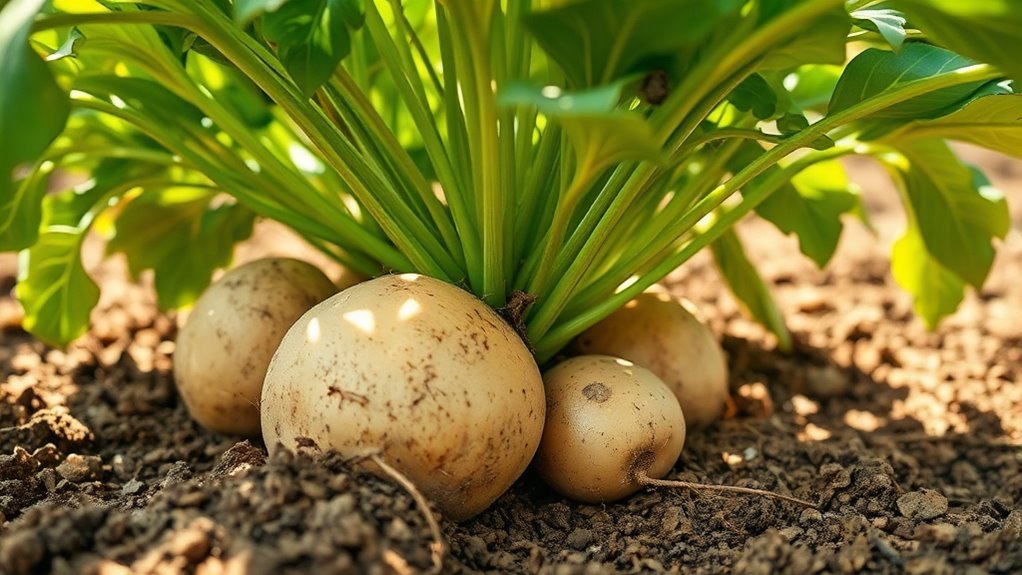
Food storage in plants is all about holding energy, nutrients, or water in special organs like bulbs, tubers, and rhizomes. These storage organs help plants survive during tough conditions when resources are scarce. Think of it as a backup supply that plants tap into when they need extra fuel.
When food or water runs low, plants rely on these reserves to power growth, seed germination, or regrowth. Enzymes then convert the stored food into usable nutrients.
This process supports early development before the plant can start photosynthesizing on its own.
As you dive deeper, you’ll see how different storage organs work in unique ways. They not only help plants survive but also assist in reproduction and even seed dispersal. It’s pretty fascinating how plants manage their energy, isn’t it?
Key Takeaways
– Food storage in plants involves accumulating energy and nutrients in modified organs like bulbs, tubers, and rhizomes for survival during scarcity.
These storage organs hold carbohydrates, proteins, and water. They help support growth when photosynthesis is limited or conditions get tough.
- Enzymes play a key role by converting stored food into soluble nutrients. This process nourishes the embryo or new shoots during germination and early growth stages.
- Stored reserves fuel the development of essential seedling parts such as the radicle and plumule. This happens before photosynthesis becomes effective.
- Fruits store sugars to attract animals. This helps with seed dispersal, which aids plant reproduction and reduces seedling competition near the parent plant.
What Food Storage in Plants Means and Why It Matters

Food storage in plants is a clever survival strategy that lets them store energy in modified organs like bulbs, rhizomes, and tubers. When nutrients or water are scarce, food storage supports the plant’s survival by providing essential reserves.
You’ll find that bulbs, such as onions, store food mainly in leaf scales inside the bulb itself. During germination, enzymes break down stored proteins into amino acids, which move into the embryo. This stored food then fuels the development of the radical and plumule, so the seedling grows without needing immediate photosynthesis.
Perennating organs, which help plants survive adverse conditions, depend heavily on food storage. Without it, plants wouldn’t have the material to grow in the next season or endure tough environmental challenges.
Classification and Functions of Major Plant Storage Organs
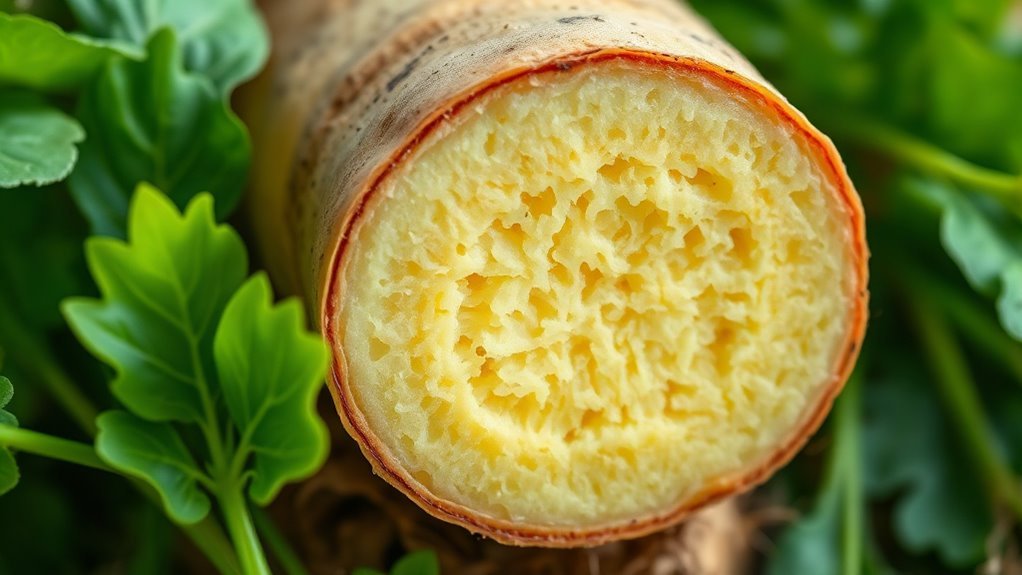
Although plants rely on various strategies to survive, their specialized storage organs play a critical role by holding energy, nutrients, or water for tough times. You’ll find these organs modified to support survival and growth.
For example, potatoes and carrots store energy in roots or tubers, while ginger stores nutrients in rhizomes. Bulbs, like garlic, hold food in fleshy leaf scales, providing reserves for regrowth and embryo development.
Fruits mainly store sugars, attracting animals that disperse seeds, which helps with reproduction. During seed germination, enzymes break down stored proteins and nutrients into forms the embryo can use to develop roots and shoots.
Understanding these classifications helps you appreciate how plants adapt to nutrient scarcity and ensure their life cycles continue successfully.
How Bulbs Store Food and Aid Plant Survival
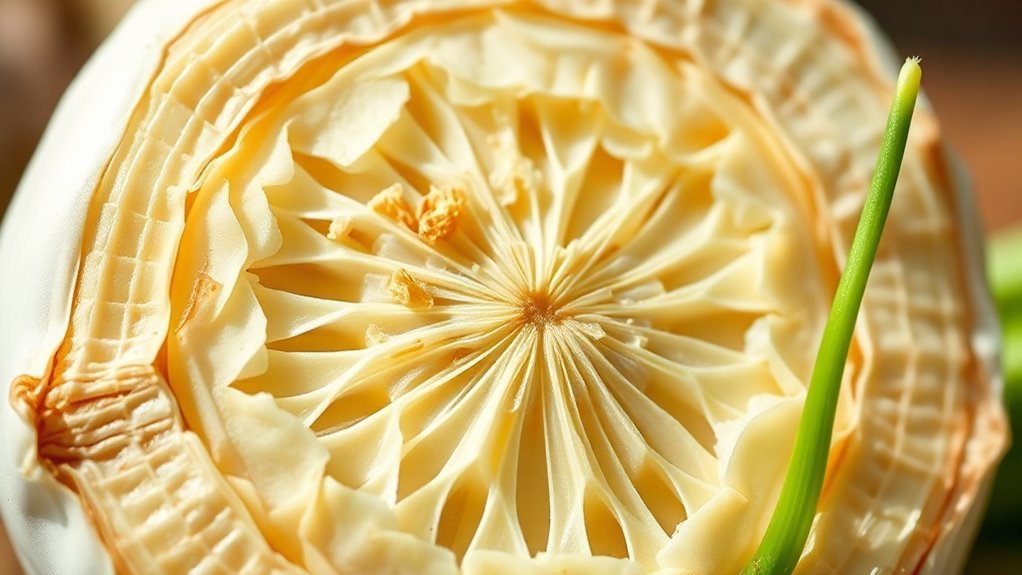
You’ll find that bulbs store food mainly in their modified leaves, called leaf scales, which pack nutrients tightly. This stored food is essential because it helps the bulb survive tough conditions and supports new growth when the environment improves.
Bulb Structure And Function
When conditions turn harsh and photosynthesis slows, bulbs step in as vital survival structures by storing carbohydrates and nutrients within their modified stem and layered leaf scales. You’ll find bulbs like onions packed with these reserves, which the plant taps into during unfavorable periods.
This stored food fuels the development of a new shoot and supports the embryo or young plant when growth resumes. During germination, the bulb mobilizes its nutrients, providing soluble products directly to the embryo, reducing the plant’s reliance on immediate energy from photosynthesis.
This strategy helps the plant survive until light and nutrients return, ensuring its continuation. Understanding bulb structure reveals how plants cleverly use stored energy to overcome environmental challenges and kickstart new growth cycles.
Nutrient Storage Importance
Since bulbs store food mainly in their swollen leaf scales, they provide essential energy reserves for future growth. You’ll find that this stored food supplies the energy and materials needed for the developing embryo or seedling during the next growing season.
When environmental conditions limit photosynthesis or nutrients are scarce, these reserves let the plant keep growing without requiring a constant external resource supply. This means bulbs focus on storing nutrients for future development and survival, rather than immediate energy for ongoing photosynthesis.
Survival Through Dormancy
Although bulbs remain dormant during unfavorable conditions, they work to store food in their fleshy leaf scales to support survival. You’ll find these stored nutrients because they fuel the developing embryo or young plant in the next growing season when sunlight and nutrients are scarce.
Instead of relying on photosynthesis, the bulb keeps energy and materials on hand, helping the plant survive periods of low nutrient availability. When dormancy ends and germination begins, enzymes break down the stored food into soluble products.
These products move into the embryo, providing the fuel needed to develop essential structures like the radicle and plumule. By storing and mobilizing food efficiently, bulbs give plants a powerful survival advantage through tough conditions.
The Role of Storage Organs in Vegetative Reproduction
Because storage organs hold essential nutrients and energy, they play a crucial role in vegetative reproduction by fueling the growth of new plants from parent fragments. When you propagate plants asexually, these organs supply the necessary food and energy so the fragment can survive, develop roots and shoots, and start photosynthesis.
Storage organs like bulbs, rhizomes, and root tubers store carbohydrates and nutrients that support regrowth, especially under scarce nutrient conditions. As growth begins, enzymes break down stored reserves, providing building blocks for new tissues.
| Storage Organ Type | Function in Vegetative Reproduction |
|---|---|
| Bulbs | Store concentrated food for regrowth |
| Rhizomes | Spread underground, producing new shoots |
| Root Tubers | Provide energy for new root and shoot growth |
| Modified Stems | Store nutrients to support fragment survival |
How Stored Food Supports Seed Germination and Growth
When a seed starts to germinate, it uses stored nutrients as its main energy source to fuel growth. You’ll see enzymes break down these reserves into simpler forms that the embryo can absorb quickly.
This stored food supports the embryo’s development until the seedling can make its own energy through photosynthesis. It’s like the seed has its own little pantry to get started before it can make food on its own.
Role of Stored Nutrients
As a seed begins germination, it relies heavily on stored nutrients to fuel its early growth before photosynthesis kicks in. Enzymes break down stored proteins into simpler substances like amino acids, which the embryo absorbs to grow the radical and plumule into a seedling.
These soluble nutrients provide energy and materials essential for development until the seedling can produce its own food. In storage organs like bulbs, this stored food supports the embryo’s growth during nutrient-scarce seasons.
- Stored food breaks down enzymatically into usable nutrients
- Soluble products move into the embryo for energy and building blocks
- Nutrients support radical and plumule development
- Storage organs reserve food for future growth periods
- Seedling growth depends on these resources before photosynthesis starts
Germination Energy Sources
Stored nutrients play a key role in kick-starting seed germination by providing the energy and materials needed for the embryo to grow. During germination, enzymes break down stored proteins in the cotyledons or endosperm into amino acids, creating soluble nutrients the embryo can absorb.
These nutrients then move through transport pathways into the embryo, fueling the growth of the radical and plumule into a seedling. You rely on this energy before the seed can perform enough photosynthesis to sustain itself.
The process follows a clear sequence: first, storage breakdown forms soluble nutrients; then, these nutrients transfer into the embryo; finally, the embryo grows. Without these stored food reserves, the seed wouldn’t have the necessary resources to develop during those critical early stages.
Embryo Development Support
Although the embryo contains the genetic blueprint for growth, it depends on food reserves within the seed to fuel its early development. When the seed begins to germinate, enzymes break down stored proteins and other nutrients into soluble forms.
These nutrients then move into the embryo, supplying the energy and materials needed for cell growth. This process supports the embryo as it develops the radical and plumule, essential for establishing the seedling before it can photosynthesize efficiently.
Without this stored food, the embryo wouldn’t have the resources to grow during this vulnerable stage.
- Enzymes convert stored food into soluble nutrients
- Nutrients move into the embryo for growth
- Stored food fuels radical and plumule development
- Supports seedling establishment before photosynthesis
- Enables early cell division and energy supply
Everyday Examples of Plant Storage Organs You Should Know
When you look at everyday foods like onions, carrots, and potatoes, you’re actually seeing plants’ clever ways of storing energy. These storage organs help plants survive scarce resources and support future growth.
For example, onion bulbs store food in leaf scales, while carrots use root tubers. Potatoes store nutrients in tubers, and ginger stores energy in rhizomes.
Each organ stores specific nutrients to keep the plant alive and thriving.
| Plant Part | Storage Organ |
|---|---|
| Onion | Bulb (leaf scales) |
| Carrot | Root tuber |
| Potato | Tuber |
| Ginger | Rhizome |
| Others | Various modified parts |
Recognizing these storage organs helps you appreciate how plants manage their energy efficiently. It’s pretty amazing how nature works, right?
Why Food Storage in Fruits Helps Seed Dispersal
Because fruits contain sugars and other food reserves in their juicy tissues, they convince animals that help spread their seeds. When animals eat the fruit for its sweet nutrients, they carry the seeds away from the parent plant.
Fruits use their sweet sugars to attract animals, which then help spread seeds far from the parent plant.
This natural process helps seeds find new places to grow, increasing their chances of germination. By moving seeds farther, animals reduce overcrowding and competition for resources near the original plant.
The food stored in fruits serves as a clever strategy to enlist these dispersal agents.
- Sugars in fruit attract animals
- Animals eat fruit and transport seeds
- Seeds often pass through animals unharmed
- Dispersal reduces competition among seedlings
- Stored food ensures seed survival and spread
How Storage Organs Help Plants Survive Harsh Conditions
In tough conditions, storage organs act as a plant’s survival toolkit by holding nutrients, water, and energy. When external supplies run low, these modified parts keep the plant growing and alive.
For example, bulbs like onions store food in their leaf scales, so they don’t rely on constant nutrient intake when light or resources are scarce. These reserves provide essential nutrients to support growth and development, especially during unfavorable times for photosynthesis.
Perennating organs let plants bounce back after stress like drought or cold by using stored energy to regrow. In other words, storage organs ensure plants have what they need to survive harsh conditions and thrive once favorable environments return.
You can think of them as nature’s backup system for tough times.
Frequently Asked Questions
What Is Food Storage in Plants?
Food storage in plants means you store energy and nutrients in specific organs like bulbs or roots. This helps your plant survive tough times, grow new parts, or support seed development when fresh nutrients aren’t available.
Basically, it’s like your plant’s way of saving up for a rainy day. When food is scarce, these stored resources come to the rescue. This way, the plant can keep going strong even in hard conditions.
What Are the Four Types of Food Storage?
You won’t believe how plants stash their food! The four types are bulbs, corms, rhizomes, and tubers.
Each stores nutrients differently, helping plants survive tough times and come back stronger than ever.
Where Does Food Storage Take Place in a Plant?
You’ll find food storage mainly in modified organs like bulbs, tubers, rhizomes, and storage roots.
For example, onions store food in their leaf scales, ensuring the plant survives and grows when conditions aren’t ideal. It’s pretty clever how plants manage this!
What Is the Purpose of Food Storage?
Think of food storage as your plant’s secret pantry—it fuels survival when times get tough and powers new growth.
You’ll see it helping embryos develop and sprouting fresh plants from old roots, keeping life going strong.
Conclusion
You’ve just uncovered how plants tuck away nature’s pantry, storing energy like hidden treasure chests beneath leaves, bulbs, and roots. These clever storage organs act as lifelines, fueling growth, reproduction, and survival through tough times.
So next time you bite into a crisp apple or admire blooming flowers, remember—you’re witnessing a masterclass in nature’s secret savings plan.
Food storage in plants is all about resilience. Every stored bite tells a story of life’s quiet persistence, helping plants thrive even when conditions get tough. It’s amazing how plants manage to save energy in different parts, ensuring they have what they need to grow and reproduce.
Understanding food storage in plants gives us a deeper appreciation for how nature supports life. Whether it’s the sweet fruit you enjoy or the vibrant flowers you admire, it all starts with these hidden energy reserves working behind the scenes.