How Long Does Canned Food Storage Last – A Complete Guide
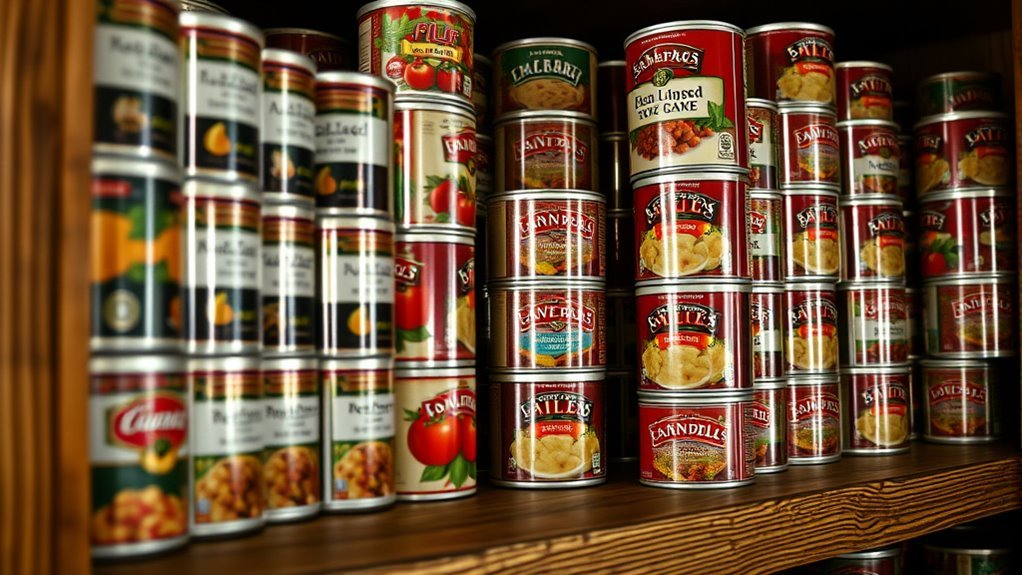
You can generally keep canned foods safe and tasty for two to five years if you store them sealed, cool, and dry—ideally between 50–70°F. Avoid damage like dents, rust, or bulges that can let in contaminants.
Low-acid foods, like green beans, last longer than acidic ones, such as tomatoes.
Proper labeling and regular inspection help you rotate stock and discard compromised cans promptly.
There’s more to learn about maximizing shelf life and storage tips to keep your food at its best. So, take some time to explore these guidelines, and you’ll be able to enjoy your canned goods safely for years!
Key Takeaways
- Properly sealed cans stored between 50–70°F typically last 1–5 years depending on food type and storage conditions.
- Low-acid foods like green beans generally have a longer shelf life than high-acid foods such as tomatoes.
- Store canned foods in cool, dark, dry places away from heat and moisture to maintain safety and quality.
- Regularly inspect cans for dents, rust, or bulges, and discard any damaged cans immediately.
- Label cans with dates and practice first-in, first-out rotation to maximize freshness and minimize waste.
Factors Affecting the Shelf Life of Canned Foods
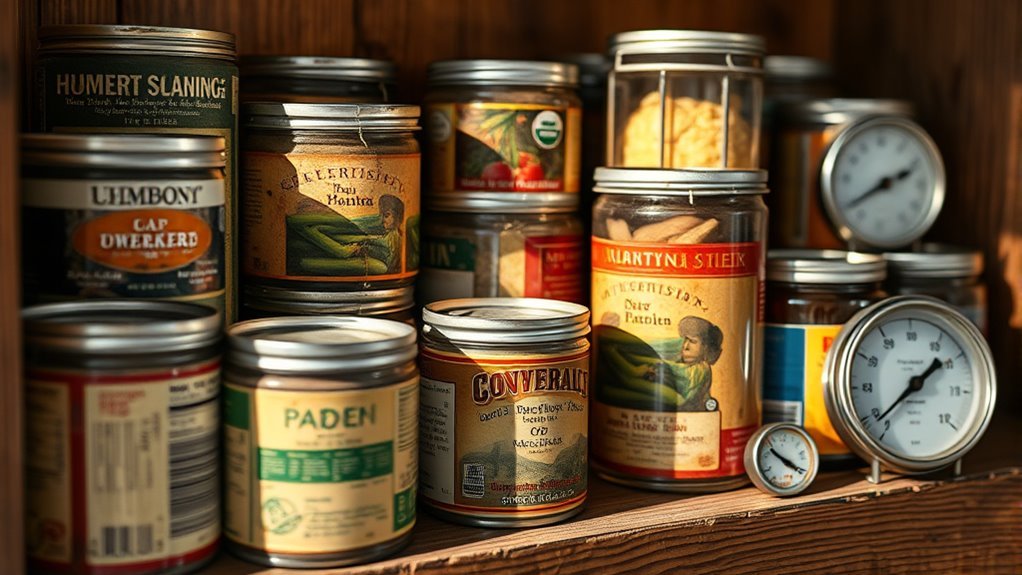
Although canned foods are designed for long-term storage, several factors directly affect how long they stay safe and tasty. You need to check the seal integrity carefully; any dents, rust, or bulges can compromise food safety and shorten shelf life.
Proper sealing during canning is essential to prevent contamination and maintain canned food quality. Storage conditions play a big role too—keeping cans in consistent storage temperatures between 50–70°F and low humidity helps slow food deterioration.
Remember, high-acid foods like tomatoes spoil faster than low-acid foods such as green beans, as acidity can corrode can linings. Exposure to heat, light, or temperature fluctuations accelerates quality loss, affecting flavor, texture, and nutrients.
Best Practices for Storing Canned Foods
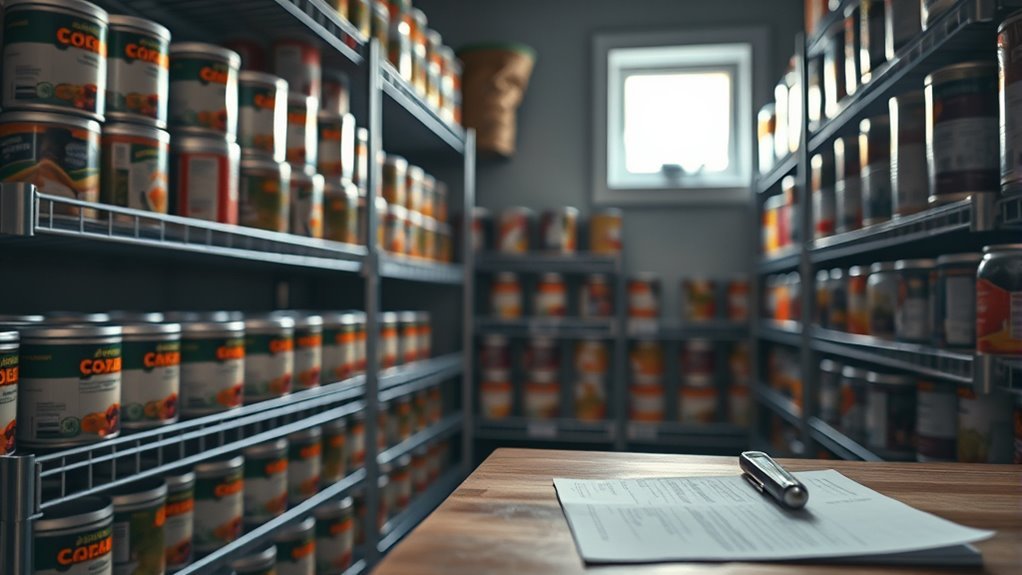
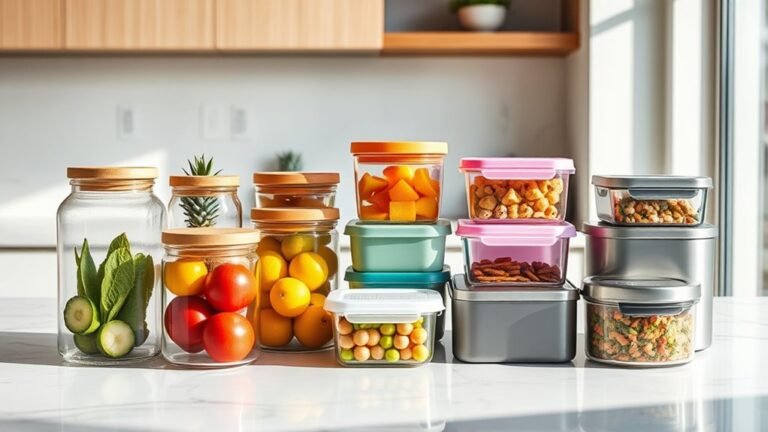
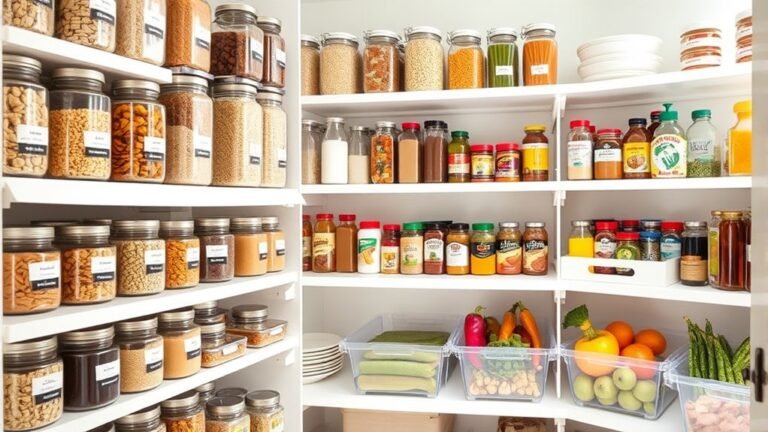
When you store canned foods properly, you can extend their shelf life and keep them safe to eat. Focus on food preservation by maintaining ideal storage conditions: cool, dark, and dry places below 85°F.
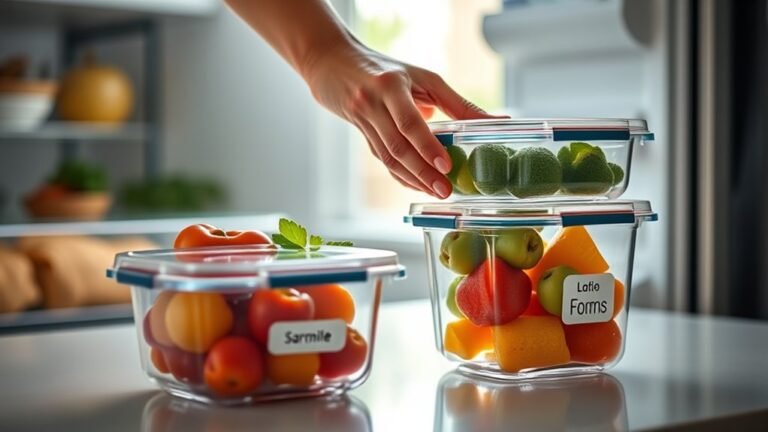
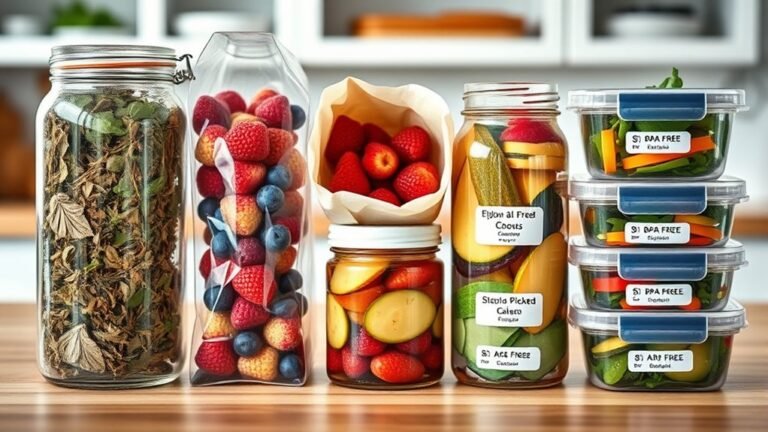
Always label cans with purchase or canning dates to monitor quality and rotate stock. Keep cans off the floor to avoid moisture damage, and never store them near heat sources.
Regular inspection for damage like rust, bulges, or dents guarantees food safety by discarding compromised cans promptly.
| Storage Element | Best Practice | Reason |
|---|---|---|
| Temperature | Below 85°F | Prevents spoilage |
| Labeling | Date with marker | Tracks storage duration |
| Placement | Off the floor | Avoids moisture damage |
| Proximity | Away from heat sources | Preserves food quality |
| Inspection | Regular checks for damage | Ensures safety and freshness |
Frequently Asked Questions
Can You Eat 20 Year Old Canned Food?
Yes, you can eat 20-year-old canned food if the can’s seal is intact and there are no signs of spoilage like bulging or rust.
However, texture and flavor might have declined over time.
What Is the Unhealthiest Canned Food?
The unhealthiest canned foods are those loaded with added sugars, salt, preservatives, and artificial ingredients. You’ll want to avoid processed meats, creamy soups, canned cheese, and fruit in syrup to keep your diet healthier.
These types of canned foods can sneak a lot of unhealthy stuff into your meals. It’s best to check the labels and go for options with fewer additives whenever you can.
What Canned Foods Last the Longest in Storage?
Picture a soldier’s steadfast ally—low-acid canned meats, beans, and veggies last the longest, often 5-10 years or more.
Keep them cool and sealed, and they’ll stand guard indefinitely, preserving your food supply.
What Two Foods Never Expire?
You’ll find that honey and white rice never expire if you store them properly. Their low moisture and natural properties prevent spoilage.
Conclusion
You might be surprised to learn that properly stored canned foods can last anywhere from 1 to 5 years, with some even safe beyond 10 years! By keeping your cans in a cool, dry place and checking for any damage, you can extend their shelf life considerably.
So, next time you stock up, remember these tips to enjoy your canned goods safely and reduce food waste. It’s a simple way to save money and stay prepared!
Proper canned food storage is key to making the most of your pantry staples. With the right care, your canned foods can remain safe and tasty for years, helping you avoid unnecessary trips to the store.
By following these easy guidelines, you not only extend the shelf life of your canned goods but also contribute to minimizing food waste. This practical approach ensures you always have reliable, long-lasting food options on hand.
In short, understanding how long canned food storage lasts and maintaining proper storage conditions helps you keep your emergency supplies fresh and your budget intact. It’s all about smart planning and making your canned food last longer!