How Long Can You Keep These 5 Common Foods in Storage?
You can keep raw meat and poultry in the fridge for 1-2 days.
While cooked leftovers last 3-4 days.
Fruits like apples stay fresh for 1-2 weeks, but tomatoes spoil quickly.
Dairy like milk lasts about 3-5 days past its date, and cheese varies from 1 to 4 weeks.
Seafood keeps 2-8 months frozen, depending on the type.
Store canned goods unopened in a cool place and use opened cans within days.
Curious about the best ways to store each food safely? Let’s dive into how long you can keep these 5 common foods in storage to make sure they stay fresh and safe to eat!
Key Takeaways
– Raw poultry should be refrigerated and used within 1-2 days to prevent spoilage and foodborne illness.
It’s best to handle it quickly so you stay safe and avoid any nasty surprises.
– Fresh fruits like apples and berries keep 1-2 weeks in the refrigerator when properly stored.
Just make sure they’re in a good spot in the fridge, and you’ll enjoy them fresh longer.
– Milk stays fresh for 3-5 days past the sell-by date if kept between 34–38°F in the fridge.
Keep it cold and check it by smell or taste if you’re unsure.
– Frozen fin fish can be stored safely for 2-3 months at 0°F (-18°C) or below.
After that, the quality might start to drop, but it’s still safe if kept frozen.
– Opened canned foods should be transferred to airtight containers and consumed within 3-4 days.
Leaving them in the can isn’t a great idea once opened, so use those containers to keep things fresh.
Refrigerator Storage Times for Meat and Poultry
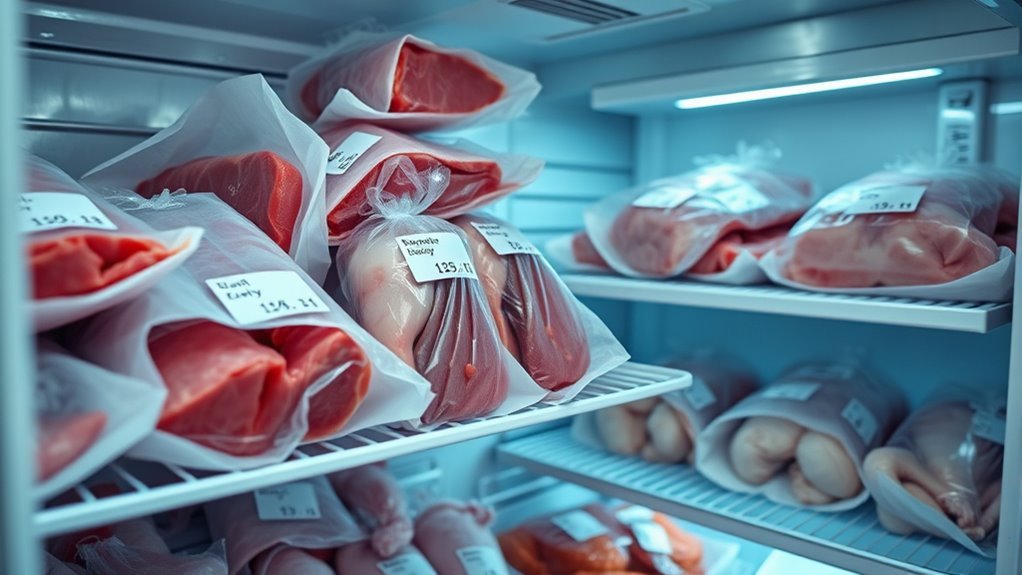
Although refrigeration slows bacterial growth, you shouldn’t keep raw poultry, like whole chickens or turkeys, in your fridge for more than 1 to 2 days. This rule applies to chicken or turkey pieces as well.
Proper refrigerator storage times are vital to guarantee meat and poultry safety. Keeping raw meat beyond these limits increases the risk of spoilage and potential foodborne illness.
Cooked or leftover meat fares a bit better, lasting 3 to 4 days when stored correctly below 40°F (4°C). To maintain safety, always check your refrigerator’s temperature and store meat in airtight containers or tightly wrapped.
Shelf Life of Fruits and Vegetables in Storage
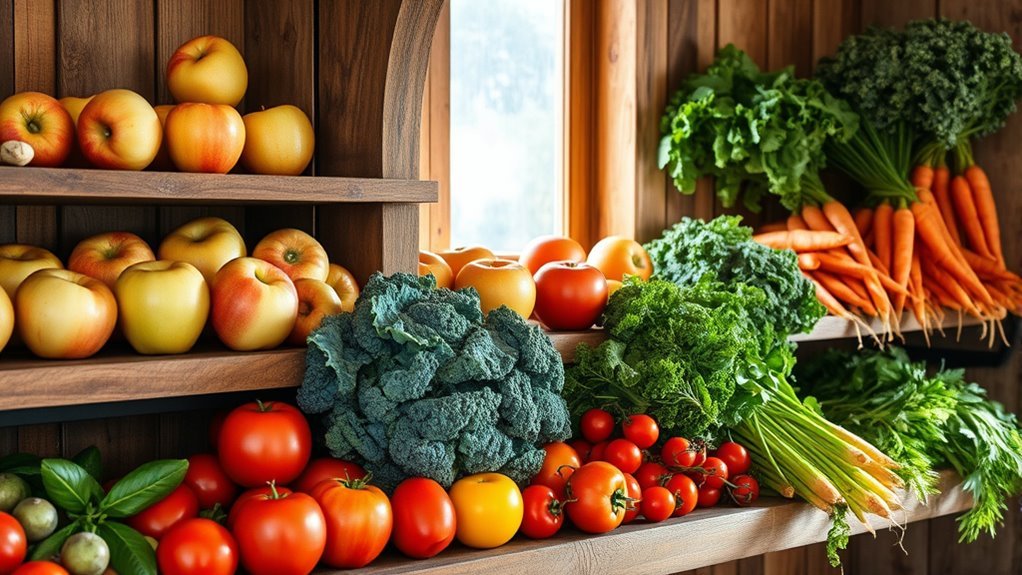
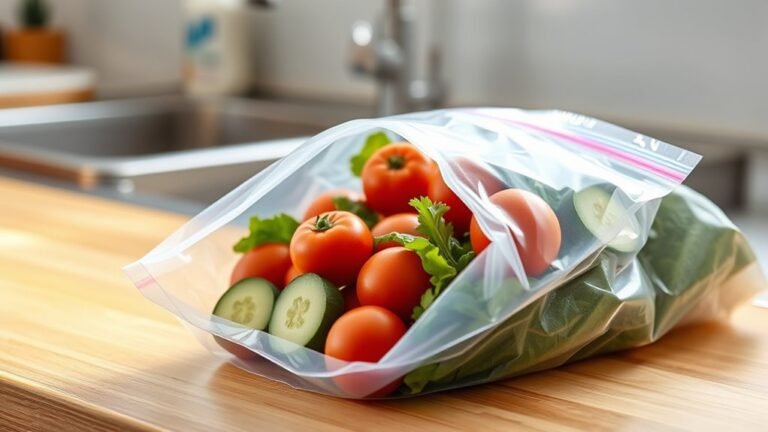
After understanding how long you can safely store meat and poultry, it’s important to know the shelf life of fruits and vegetables to keep your meals fresh and nutritious. Fresh produce varies in refrigerator storage times—apples, berries, and grapes last about 1 to 2 weeks, while leafy greens like lettuce and spinach stay fresh for 3 to 7 days.
Root vegetables such as carrots and potatoes can be stored for 2 to 4 weeks in a cool, dark place or fridge. Perishable foods like tomatoes and cucumbers spoil quickly, best eaten within 1 to 3 days.
Proper storage slows spoilage bacteria growth, extending shelf life and preserving nutrients. Knowing these timelines helps you avoid waste and enjoy your fruits and veggies at their best.
Dairy Product Storage Durations
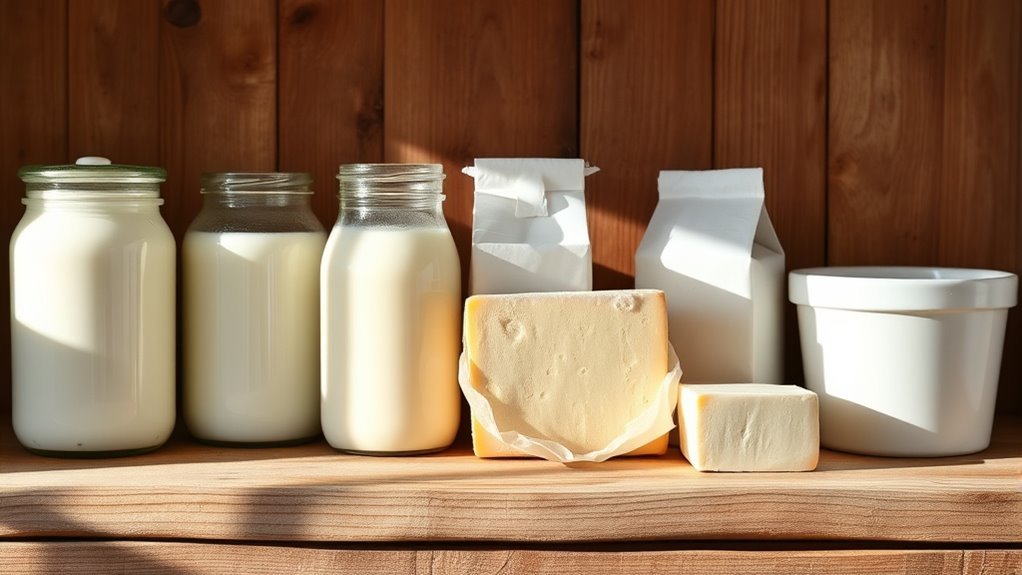
When you store dairy products properly, you can extend their freshness and enjoy them safely for longer periods. Pay close attention to refrigeration and the expiration date to maintain food safety.
Proper storage and attention to expiration dates help keep dairy products fresh and safe longer.
Here are some key guidelines to follow for dairy product shelf life:
- Milk stays fresh for 3 to 5 days beyond the sell-by date if kept between 34–38°F.
- Hard cheeses last 3 to 4 weeks once opened, while soft cheeses like Brie should be used within 1 to 2 weeks.
- Yogurt remains safe for 1 to 3 weeks past its printed date when refrigerated at 34–40°F.
Always refrigerate canned evaporated or condensed milk after opening and consume it within 5 to 7 days. Proper storage guarantees you get the best quality and safety from your dairy products.
Freezer Storage Guidelines for Seafood
If you want to keep seafood at its freshest and safest, freezing it properly is key. For maximum quality preservation, store fin fish like salmon and tuna in the freezer for 2 to 3 months.
Lean fish such as cod and haddock can last 6 to 8 months without significant loss of quality. Shellfish, including crab meat and lobster, should be kept for 2 to 4 months.
Always use airtight packaging to prevent freezer burn and moisture loss, and label packages with the freezing date. Avoid freezing seafood in shells for extended storage.
Maintaining a consistent freezer temperature at 0°F (-18°C) or below ensures your seafood stays safe and tasty. Following these freezer storage guidelines will help you enjoy seafood at its best.
Proper Storage Methods for Canned and Dry Foods
Although canned and dry foods are known for their long shelf life, you need to store them properly to maintain their quality and safety. For canned foods, keep them in a cool, dry place below 85°F, away from sunlight to prevent spoilage and rust.
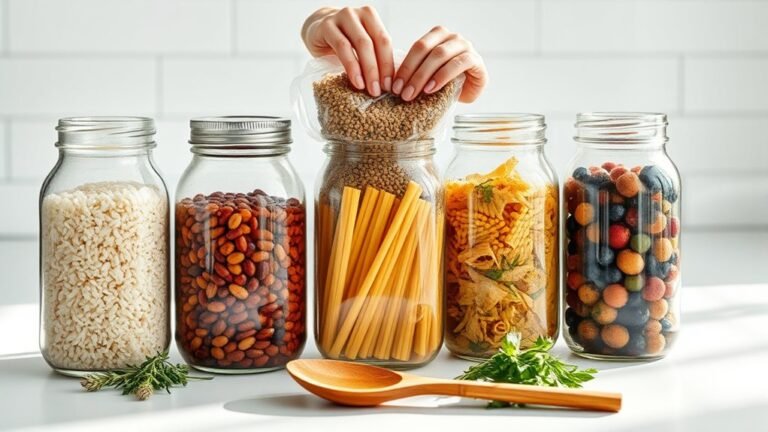
Once opened, transfer the contents to airtight containers and refrigerate, using them within 3-4 days. Dry foods require airtight containers too, stored in a dry place to avoid moisture and pests, which helps prolong their storage time.
Follow these tips for best results:
- Store unopened canned foods in a dark, cool, dry place.
- Use airtight containers for opened canned or dry foods.
- Avoid humidity and heat to minimize spoilage risks.
Proper storage guarantees your foods stay fresh and safe longer. So, it’s definitely worth taking these simple steps!
Frequently Asked Questions
What Are 10 Foods That Never Expire?
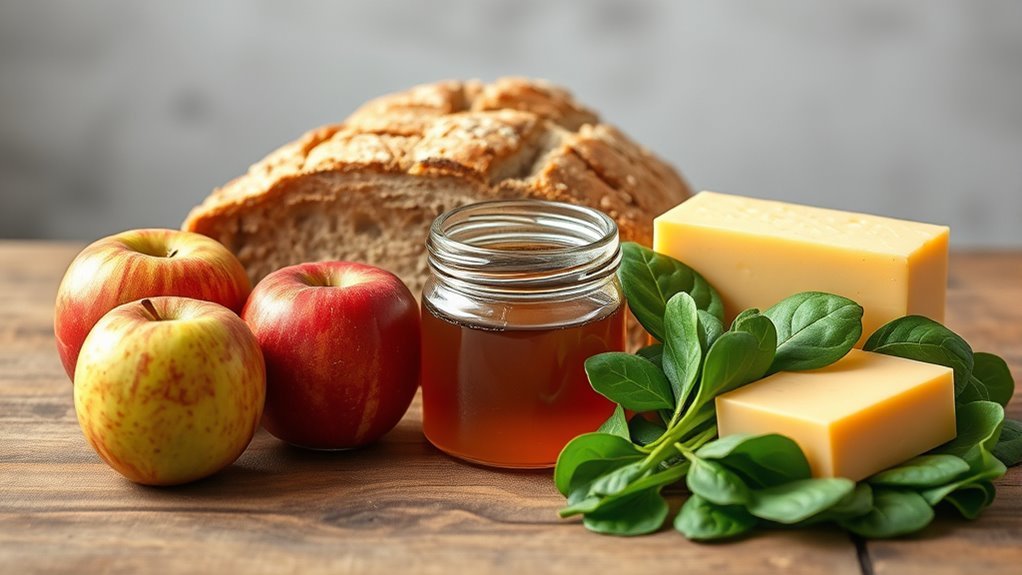
You can keep honey, white vinegar, distilled vinegar, rice vinegar, sea salt, rock salt, pure vanilla extract, dried beans, hard liquor, and sugar indefinitely.
They won’t spoil, so you don’t have to worry about expiration dates. Pretty handy, right?
What Foods Should Never Be Stored in the Refrigerator?
You might think refrigeration always preserves food, but never store whole garlic, raw potatoes, tomatoes, honey, maple syrup, avocados, or bananas in the fridge.
They spoil, lose flavor, or develop harmful bacteria when chilled. It’s surprising, right? But keeping these foods out of the fridge actually helps them last longer and taste better.
Can You Eat 20 Year Old Canned Food?
You shouldn’t eat 20-year-old canned food because, even if the can looks fine, the flavor, texture, and safety have likely degraded.
Eating it risks spoilage and toxins, so it’s best to discard it.
It’s just not worth the risk, you know? Better safe than sorry!
Which Canned Food Has the Longest Shelf Life?
You’ll find low-acid canned foods like green beans and meats have the longest shelf life—often over 5 years.
Store them cool and dark, and they can even last decades while keeping their safety intact.
Pretty amazing, right? Just make sure to check the cans for any signs of damage before eating.
Conclusion
Now that you know how long these common foods last, you can avoid waste and keep your meals safe. Did you know that nearly 30% of all food in the U.S. goes uneaten? Often, this happens because it’s stored too long or improperly.
By following proper storage times—like keeping raw poultry in the fridge for no more than 1-2 days—you’ll save money and protect your health. Staying mindful about food storage helps keep your food fresh longer and reduces the risk of foodborne illness.
Remember, understanding how long you can keep these common foods in storage is key to cutting down on food waste. Proper storage not only preserves flavor and nutrients but also keeps your family safe. So, make it a habit to check storage guidelines regularly and enjoy fresher, safer meals every time!