
How to Use Cold Storage for Food Preservation
You can use cold storage for food preservation to keep your food fresh and safe by storing fresh items between 0°C and 8°C.
This temperature range slows bacterial growth and helps preserve nutrients, which is super important for your health. When you keep your fresh food cold enough, it stays tasty and nutritious for longer.
For frozen goods, it’s best to keep temperatures steady between −18°C and −22°C.
This helps maintain quality and prevents the need to refreeze thawed food, which can ruin texture and flavor.
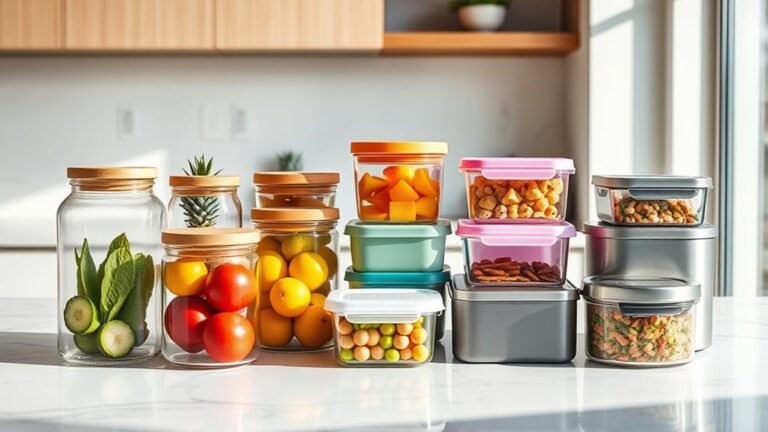
Using airtight, labeled containers is a smart move to prevent spoilage and keep everything organized.
Also, try organizing your fridge by food groups.
This simple step helps stop cross-contamination and keeps your food safer.
Follow these tips, and you’ll discover even more ways to optimize food preservation with cold storage!
Key Takeaways
- Store fresh foods between +0°C and +8°C to slow microbial growth and preserve freshness without freezing. This temperature range helps keep your food fresh longer without turning it into ice.
- Freeze foods quickly at −18°C or colder to maintain quality and prevent large ice crystal damage. Quick freezing means your food keeps its texture and taste better when you thaw it.
- Use airtight, moisture-proof packaging and label items with type and dates to prevent freezer burn and ensure traceability. That way, you know exactly what’s inside and when it was stored.
- Organize refrigerated storage by food groups in separate compartments to avoid cross-contamination and comply with HACCP. Keeping foods separate helps stop germs from spreading between items.
- Maintain stable temperatures by minimizing door openings and using ventilated refrigeration systems for better airflow and efficiency. This keeps your fridge working well and your food safe.
How Cold Storage Slows Food Spoilage and Preserves Nutrition

Although you might not see it, cold storage plays a key role in slowing food spoilage by lowering the temperature to slow down microorganism growth and enzyme activity. When you use cold storage, you create an environment where bacteria reproduce more slowly, which helps keep your food fresh and nutritious longer.
Proper refrigeration, especially in commercial settings, maintains controlled temperatures—often between +0°C and +8°C—without freezing. This helps preserve texture and vitamins, so your food stays delicious and healthy.
Optimal Temperature Ranges for Cold Storage
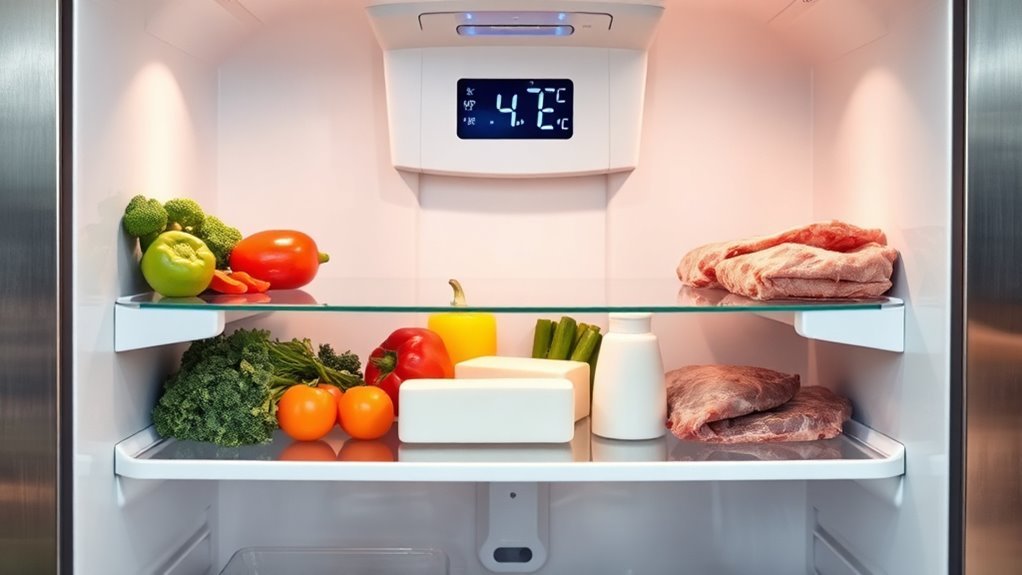
Keeping your food fresh and safe relies heavily on maintaining the right temperatures during cold storage. Proper storage conditions reduce spoilage and enhance emergency preparedness by ensuring food remains safe during unexpected events.
Here’s what you need to know:
Essential tips for safe food storage to keep freshness and prevent contamination.
- Store fresh products between +0°C and +8°C using TN refrigeration to slow microbial growth.
- Keep frozen items much colder, around -1°C to -22°C, for stronger bacteriostatic control.
- Separate food groups into compartments to meet HACCP rules and avoid cross-contamination.
- Never refreeze thawed food, as bacteria can regrow during improper temperature swings.
Smart Packaging and Labeling Tips for Cold Food Storage
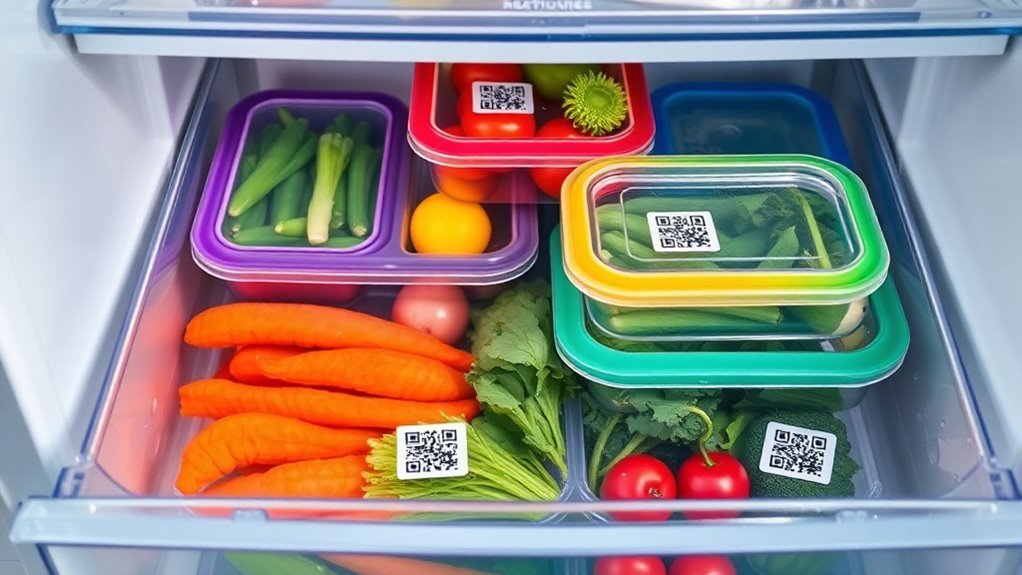
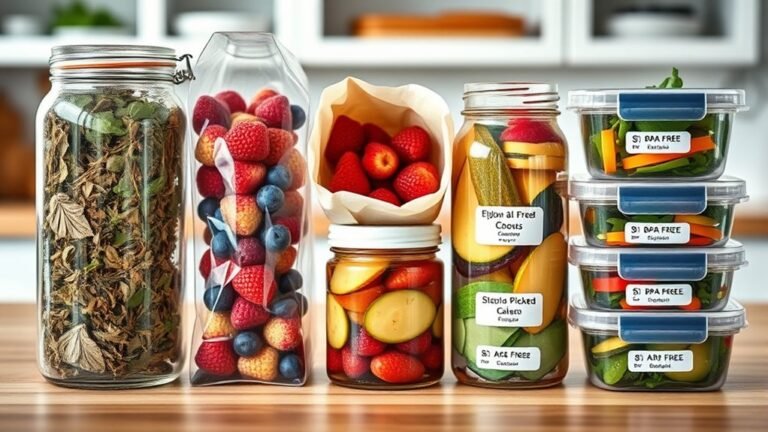
You’ll want to choose airtight, moisture-proof containers to protect your food from freezer burn and oxygen exposure. Always label packages with the food type, pack date, and use-by date to keep track and rotate items properly.
Using the right packaging and clear labeling really helps maintain food quality and safety throughout cold storage. It’s a simple step that makes a big difference!
Effective Labeling Practices
How can you ensure your cold-stored foods stay safe and traceable? Effective labeling is key to proper food preservation and preserving food quality.
Follow these four tips:
- Label every item with the food name, prep/cooked date, and required temperature range to meet HACCP standards and avoid cross-compartment errors.
- Use clear “use by” dates based on storage type (refrigerated vs frozen) to prevent refreezing thawed foods.
- Include batch or portion identifiers to enable FIFO rotation and traceability if safety issues arise.
- Add storage-condition notes like “keep sealed” or “store separately” for moisture-rich items to reduce spoilage risk.
These practices help you maintain control, reduce waste, and ensure your cold storage supports safe food preservation. It’s really about keeping things simple and organized so your food stays fresh and safe.
Packaging Materials Selection
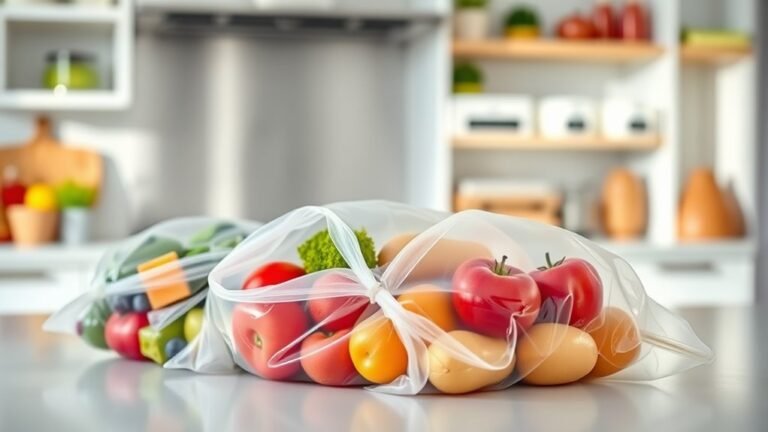
Although proper labeling is essential, selecting the right packaging materials plays an equally vital role in preserving cold-stored foods. To avoid freezer burn and moisture loss, use the best containers—food-grade, moisture-proof, and air-tight options like sealed freezer bags or rigid containers.
For water storage and other liquids, pick leak-proof containers with enough headspace to prevent spills and microbial contamination. Always label packages clearly with the food name, prep date, and storage temperature. Make sure to use ink that won’t smear in cold conditions.
Include warnings such as “do not refreeze after thawing” for frozen items. Finally, apply a clear rotation system (“first in, first out”) to keep foods safe and fresh by limiting their time in the temperature danger zone. Smart packaging safeguards your cold storage’s effectiveness.
Organizing Your Refrigerator to Prevent Cross-Contamination
When organizing your refrigerator, placing raw meat, poultry, and seafood on the lowest shelf in leak-proof containers helps prevent their juices from contaminating ready-to-eat foods. This simple step is essential for ensuring food safety, especially during an emergency when spoilage risks increase.
Follow these tips to keep your fridge organized and safe:
- Assign dedicated zones for each food group to avoid mixing items requiring different temperatures.
- Maintain your refrigerator between +0°C to +8°C to slow microbial growth.
- Thaw foods inside the fridge, covered, to prevent cross-contamination and avoid refreezing risks.
- Label and date items clearly, rotating stock to use older food first and reduce time spent in the danger zone.
These practices minimize contamination and protect your family’s health. It’s really about keeping things simple but effective. Just a little organization can go a long way!
Freezing Food Safely to Preserve Quality
To preserve your food’s quality and safety, you should freeze it quickly at temperatures around −18°C or colder. Rapid freezing prevents large ice crystals from forming, which can damage food texture.
Use airtight, food-grade packaging and label items with dates to maintain quality and manage storage effectively. Avoid refreezing thawed foods, since bacteria can grow once thawed, and refreezing won’t eliminate that risk.
Be cautious with water-rich foods like soups, as improper freezing can cause spoilage. While freeze-dried and dehydrated foods don’t require freezing, they complement your cold storage by extending shelf life.
In case of power outages, keep freezer doors closed to maintain temperature and protect your frozen goods. Following these steps helps you freeze food safely and preserve its quality for longer.
Preventing Common Cold Storage Risks
You’ll want to keep temperatures steady to stop bacteria from multiplying and food from spoiling faster.
Be sure to separate different food groups to prevent cross-contamination and follow strict hygiene when handling items.
These steps help maintain food safety and extend storage life effectively.
Avoiding Temperature Fluctuations
Although maintaining cold storage might seem straightforward, avoiding temperature fluctuations is essential to preserving food quality and safety. You need to keep your refrigerator between 0°C and +8°C and freezer at around -22°C to extend shelf life and keep emergency food safe.
Here’s how to avoid temperature swings:
- Keep fridge and freezer doors closed as much as possible to prevent warm air entry.
- Store foods in separate compartments to minimize frequent rearranging and exposure to temperature changes.
- Only take out the amount you need to avoid repeated warming and refreezing, which harms food quality.
- Regularly monitor temperatures with thermometers and alarms to catch deviations early, preventing bacterial growth.
Preventing Cross-Contamination Risks
Maintaining steady temperatures is just one part of safe cold storage; preventing cross-contamination plays a big role in keeping your food safe too. To excel in preserving your food during long-term food storage, store each food group separately, following HACCP guidelines.
Keep raw items apart from ready-to-eat foods, and organize your fridge by temperature needs—fresh products between 0°C and 8°C. Always wash your hands and use clean utensils when handling different foods, since most foodborne infections stem from human contact.
Use sealed, moisture-proof containers for water-rich items and place liquids on lower shelves to prevent drips. Also, avoid refreezing thawed foods to stop microbial growth and quality loss.
These steps really help reduce contamination risks, making sure your stored food stays safe and fresh. It’s all about keeping things clean and organized!
How to Choose Commercial Refrigeration for Your Food Business
How do you ensure the best commercial refrigeration for your food business? Start by focusing on your specific storage needs and food safety. Here’s how:
- Select the right temperature range—use TN positive-temperature storage (+0°C to +8°C) for fresh foods to slow bacterial growth.
- Organize bulk storage with food-grade buckets with gamma lids and separate compartments by food group to prevent cross-contamination and support HACCP.
- Match refrigeration type to use: ventilated systems offer better airflow and temperature stability than static ones.
- Opt for energy-efficient units using low-impact refrigerants like R290, which can save up to ~1,250 kWh annually, reducing costs and environmental impact.
Choosing wisely ensures food quality, safety, and operational efficiency. It’s all about making smart choices that keep your business running smoothly.
Maintaining the Cold Chain for Best Results
To keep your food fresh and safe, you need to maintain temperatures within the proper range throughout the cold chain. Store fresh foods between 0°C and +8°C, using separate compartments per HACCP guidelines to prevent cross-contamination.
Frozen items require steady -1°C to -22°C storage. Never refreeze thawed foods.
Use glass jars and Mylar bags to protect foods from moisture and air, improving preservation. Reduce door openings and ensure your equipment is well-ventilated and set correctly.
Also, plan for power reliability, like a solar generator, to prevent cold chain breaks during outages.
| Food Type | Temperature Range | Packaging Tips |
|---|---|---|
| Fresh | 0°C to +8°C | Glass jars, Mylar bags |
| Frozen | -1°C to -22°C | Airtight containers |
| Storage Tips | Reduce door-openings | Separate compartments |
Frequently Asked Questions
Can Cold Storage Extend the Shelf Life of Non-Perishable Foods?
Yes, cold storage can extend the shelf life of non-perishable foods by slowing down spoilage and preventing moisture buildup.
You’ll keep your food fresher longer, reducing waste and saving money in the process. It’s a simple way to make your groceries last.
How Do Power Outages Affect Cold Storage Safety?
Imagine your fridge as a fortress; during power outages, its defenses weaken. Without power, temperatures rise, risking spoilage in just four hours.
You’ll need a cooler or ice to keep your food safe until power returns. It’s all about keeping things cold enough so bacteria don’t get a chance to grow.
Are There Natural Alternatives to Refrigeration for Food Preservation?
Yes, you can use natural alternatives like root cellars, fermentation, drying, and salting. These methods slow spoilage without electricity, letting you preserve food safely when refrigeration isn’t available or you want eco-friendly options.
It’s pretty handy to know these tricks, especially if you’re looking to cut down on energy use. Plus, they’re great ways to keep food around longer without relying on a fridge.
What Are the Environmental Impacts of Commercial Cold Storage?
You’ll see commercial cold storage uses a lot of energy, contributing to greenhouse gas emissions. Plus, refrigerants can leak harmful chemicals.
To reduce impact, you should support energy-efficient tech and proper maintenance practices. It’s really about making smart choices to keep things cool without heating up the planet.
How Often Should Cold Storage Equipment Be Professionally Serviced?
You should have cold storage equipment professionally serviced at least once a year. This helps guarantee excellent performance and prevent breakdowns.
If the usage is heavy or conditions are harsh, you might want to consider servicing it twice a year. That way, you get the best results and keep everything running smoothly.
Conclusion
Using cold storage for food preservation isn’t just a good idea—it’s your secret weapon against spoilage and wasted meals! By keeping food at the right temperatures, you can slow down the growth of bacteria and keep your food fresh longer.
Organizing your fridge smartly helps too. When everything has its place, air circulates better, and you avoid cross-contamination. Plus, freezing safely locks in nutrition and flavor like a pro.
Don’t forget to prevent risks and maintain the cold chain, especially if you run a food business. Consistently keeping food cold from storage to serving is key to safety and quality.
With these tips, your food will stay fresher than you ever dreamed possible. Using cold storage for food preservation not only extends freshness but also reduces waste and preserves essential nutrients, making it a simple, effective way to keep your meals safe and delicious every time.