5 Tips for the Correct Method of Food Storage
To store food correctly and keep it fresh, it’s important to maintain your fridge temperature between 0 and 8 °C. Organizing your fridge by zones really helps—put meats at the bottom, cooked dishes in the middle, and veggies in the drawer. This simple step reduces contamination and keeps everything tasting great.
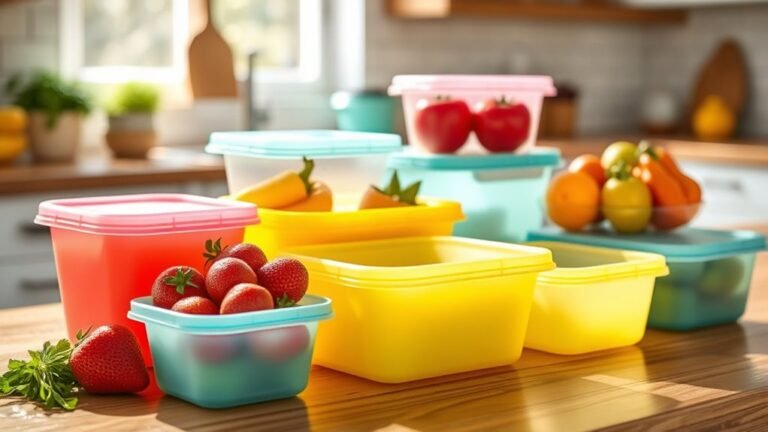
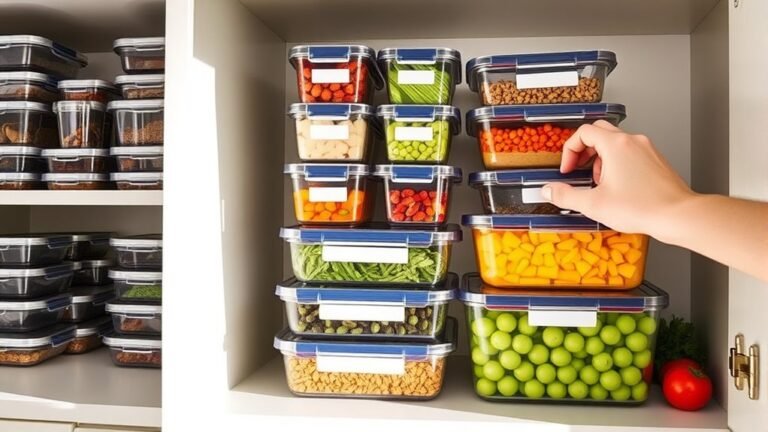
Using airtight containers is a game-changer. They lock in freshness and stop odors from mixing.
Plus, always label your foods with dates. Rotating your stock regularly means less waste and more savings.
When freezing meals, do it quickly at -18 °C or colder. Only defrost what you need to avoid spoilage.
Follow these tips, and you’ll keep your food safe, fresh, and ready to enjoy longer. You might even discover some smart storage tricks along the way!
Key Takeaways
- Keep your refrigerator temperature between 0 and 8 °C. This helps slow down bacterial growth and keeps your food safe.
- Store raw meats in the coldest part of the fridge, usually the bottom zone. Vegetables do best in the humidity-controlled drawer to stay fresh longer.
- Use airtight containers to keep moisture out and stop odors from mixing. It also helps prevent contamination.
- Don’t forget to label your foods with names and use-by dates. Try to follow the “first in, first out” rule so you use older items before newer ones.
- Freeze your foods quickly at -18 °C or lower. And only defrost them when you’re ready to cook or eat.
Keep Perishables at the Right Fridge Temperature
When you set your refrigerator temperature between 0 and 8 °C, you create an environment that slows microbial growth and keeps your perishables fresh longer. Maintaining this temperature range is essential for food safety, as it prevents harmful bacteria from multiplying.
Proper food storage within this temperature also preserves the quality of your items. For example, meats, cold cuts, and poultry should be stored in the coldest bottom zone, while cooked dishes and dairy products do well in the middle zone.
Fresh vegetables thrive in the vegetable drawer, where humidity is controlled to limit bacterial growth. Eggs, butter, milk, and fruit juices belong in the door area, which stays around 6 °C.
Organize Your Fridge Zones to Store Food Safely
Although keeping your fridge at the right temperature is important, organizing its zones properly ensures each type of food stays fresh and safe.
Proper fridge organization is key to keeping your food fresh and safe beyond just temperature control.
For effective food preservation, store raw meats, cold cuts, poultry, fish, fresh cream, and opened foods in the bottom cold zone, which offers the best cold conditions.
Use the middle zone for homemade dishes, cooked vegetables, cooked meats and fish, yogurts, and soft cheeses.
Fresh vegetables belong in the vegetable drawer—remove cardboard packaging to limit humidity buildup and extend shelf life.
The door compartment is best for eggs, butter, milk, and fruit juices, but remember it’s the warmest part, so use these items quickly.
Use Airtight Containers to Extend Food Freshness
Since oxygen speeds up food spoilage, using airtight containers with a silicone seal really helps keep your meals fresher for longer by limiting exposure. These containers are super important for preserving food because they reduce moisture, odors, and flavor contamination.
Borosilicate glass airtight containers are the best choice since they handle extreme temperatures well. That means you can move them straight from the freezer to the fridge without worrying about damage.
To get the most out of your containers and keep food fresh, try these tips:
- Choose airtight containers with silicone seals for a tight closure.
- Use temperature-rated glass containers for versatile storage and reheating.
- Remove or open lids as instructed when reheating to prevent pressure build-up.
- Store food in sealed containers to avoid odor transfer and keep things hygienic.
Label Foods and Rotate Stock to Reduce Waste
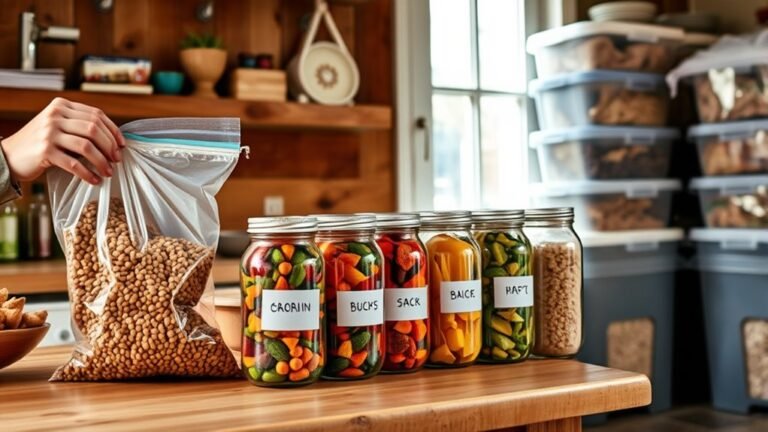
Labeling your food containers clearly and rotating your stock regularly can dramatically cut down on waste and keep your meals safe to eat. Always write the dish name and a clear use-by date on your containers, especially for homemade meals.
Practicing “first in, first out” means you use the oldest food first, preventing spoilage. Store your food properly in the fridge: meats and fish go in the coldest zone, fresh vegetables in the drawer, and eggs or dairy near 6 °C on the door.
When storing canned food, keep track of expiration dates and transfer contents to labeled containers if you remove them from packaging. Removing cardboard packaging inside the fridge helps reduce humidity, keeping food fresher longer.
This simple system saves money and reduces unnecessary food waste. It’s an easy way to stay organized and make sure nothing goes to waste.
Freeze Suitable Foods Promptly and Defrost Correctly
To keep your food safe and maintain its quality, freeze suitable items promptly after preparation. This helps minimize the time spent in the “danger zone” where bacteria multiply rapidly.
Freeze food quickly after cooking to avoid bacteria growth and keep it safe and fresh.
Using proper preservation methods means you can freeze foods like meat, fish, raw or blanched vegetables, and prepared dishes effectively. Just follow these simple tips:
- Freeze at -18 °C to -24 °C for the best quality and safety.
- If you can, use rapid deep-freezing (-35 °C to -150 °C) to better preserve texture and taste.
Only defrost your food when you really need to. This way, you avoid losing quality from thawing too often.
Also, try to plan your meals so you use defrosted foods quickly. It helps reduce waste and spoilage.
Frequently Asked Questions
What Is a Good Way to Organize Food Storage Containers?
You should choose stackable, airtight containers with silicone seals to save space. Label lids with contents and dates.
Also, remove bulky packaging to make more room. Arrange containers by type and use to keep your fridge organized.
This way, your food stays fresh longer and you can easily find what you need. It just makes life simpler!
Which of the Following Are Effective High Temperature Food Preservation Techniques?
You’ll find pasteurization, sterilization, and UHT processing effective high-temperature food preservation techniques. They destroy harmful microbes, extending shelf life.
Dehydration also works but usually involves lower heat combined with moisture removal. So, when it comes to high heat, those first ones are your best bet!
What Is the Proper Way to Store Perishable Food?
You should store perishable food in the fridge’s appropriate zones and keep temperatures between 0-8°C. Using airtight containers really helps too.
Avoid cardboard and make sure to clean regularly. This slows spoilage and keeps your food fresh and safe longer.
What Is the 2-2-2 Rule for Food Storage?
You’ve got to follow the 2-2-2 rule: refrigerate leftovers within 2 hours, eat or freeze them within 2 days, and if frozen, use within 2 months.
This method cuts foodborne illness risk by up to 50%. So, it’s definitely worth sticking to!
Conclusion
By storing your food correctly, you can reduce waste and keep meals fresh longer. Did you know that nearly 30% of all food produced is wasted, often due to improper storage?
By keeping perishables at the right temperature, using airtight containers, and labeling your items, you not only save money but also help the environment. It’s all about simple habits that make a big difference.
Start organizing your fridge zones and freezing foods properly—you’ll see a big difference in freshness and waste reduction. Proper food storage is key to minimizing waste, extending shelf life, and ensuring your meals stay delicious.
When you use the correct method of food storage, you protect your groceries, save money, and contribute to a more sustainable lifestyle. So, take these tips to heart and watch how much fresher your food stays while cutting down on waste!