
7 Key Features to Look for in Airtight Food Storage Containers
You want airtight food storage containers made from BPA-free, food-grade materials like HDPE or borosilicate glass for safety and durability. These materials ensure your food stays safe and the containers last longer. Choosing the right container is key to keeping your food fresh and tasty.
Look for lids with silicone gaskets or gamma seals to block air and moisture. This helps prevent spoilage and keeps your food fresher for longer. For storing liquids, make sure you pick truly leakproof designs with secure, multi-sided closures.
Also, check if the containers are microwave and freezer safe. It’s handy when you want to heat or store food without switching containers. Plus, consider sizes that fit your needs and containers that offer UV resistance to protect your food from light damage.
To protect your food and health, check all these features carefully. You’ll find even more details to help you choose the best airtight food storage containers for your kitchen.
Key Takeaways
- Choose containers made from BPA-free, food-grade materials like FDA-compliant HDPE or borosilicate glass for safe, chemical-stable storage. These materials help keep your food fresh without any harmful chemicals leaching in.
- Make sure the lids have silicone gaskets or gamma-seal designs. This blocks oxygen and moisture, which keeps the container airtight and your food fresher for longer.
- Pick containers that are truly leakproof. Look for secure silicone gasket lids and multi-sided closures. This way, you won’t have to worry about spills or leaks.
- Check if the containers are microwave-safe and freezer-compatible down to −40°F. Also, UV resistance is a bonus because it helps protect the food quality and the container’s durability.
- If you’re storing dry staples in Mylar-lined containers, consider using oxygen absorbers inside. They get rid of residual oxygen and help prevent spoilage.
Choose Food-Grade Materials for Safety and Durability
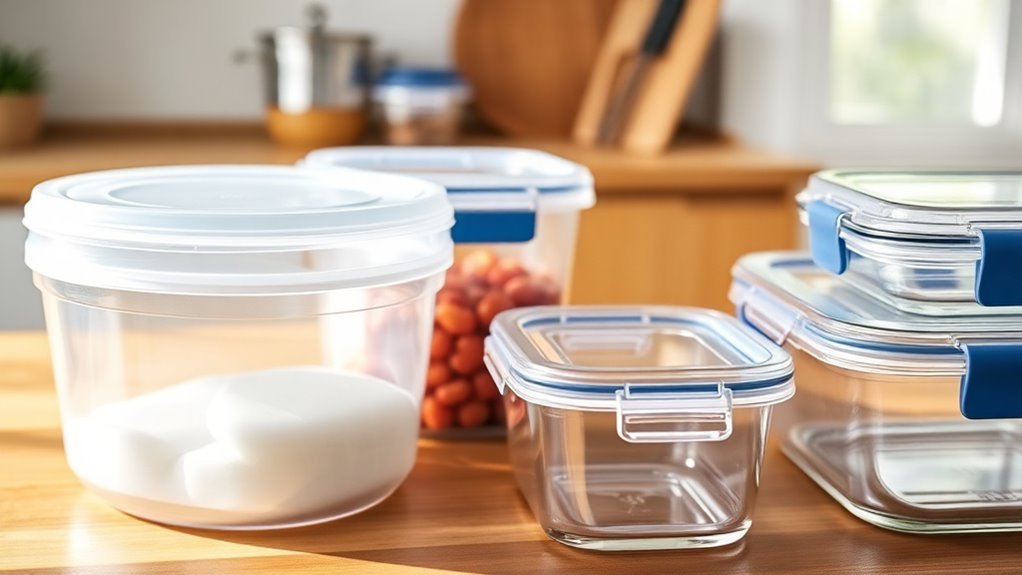
When selecting airtight food storage containers, you should make sure to choose food-grade materials like FDA-compliant HDPE resin (#2, BPA-free) or BPA-free borosilicate glass to ensure safety and durability. Glass food storage containers offer excellent chemical stability and won’t absorb odors or stains, making them a reliable choice.
A quality glass container paired with airtight lids can keep your food fresh longer. If you prefer something lighter or more durable, stainless steel containers are a solid alternative—they’re non-reactive, long-lasting, and often come with tight-sealing lids.
Avoid containers made from unknown or non-food-grade plastics, as they can leach harmful chemicals and affect your food’s quality. Prioritizing safe, durable materials ensures your stored food stays uncontaminated and fresh over time.
Use Airtight Seals to Block Air and Moisture
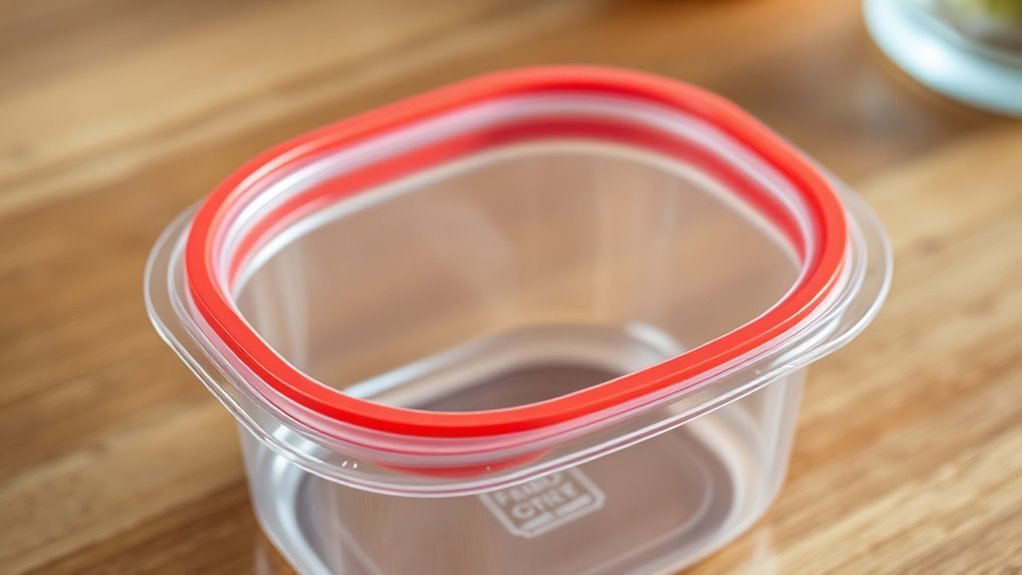
You’ll want airtight seals that block oxygen to keep your food fresh and prevent spoilage. Look for lids with silicone gaskets or gamma-seal designs that lock out both air and moisture.
For extra protection, especially with dry staples, consider combining airtight containers with liners and oxygen absorbers. This helps cut down on moisture and any leftover oxygen.
Importance Of Oxygen Barriers
To keep your food fresh and safe, you need airtight seals that block both air and moisture. Oxygen is a major culprit behind food spoilage, driving oxidation and encouraging mold growth.
That’s why containers with a strong oxygen barrier are essential. Using airtight, gasketed lids—like those with silicone seals—reduces air exchange and keeps moisture vapor out.
For dry staples, combining an oxygen absorber inside a Mylar-lined container with an airtight lid removes residual oxygen and prevents new air from entering. Remember, the seal’s integrity matters: a clean, properly seated, and undamaged gasket maintains this barrier over time.
Types Of Airtight Lids
Because airtight seals are crucial for blocking air and moisture, choosing the right type of lid can make all the difference in preserving your food’s freshness. Look for airtight lids with a gasketed seal, like silicone or rubber, to ensure a strong airtight seal that prevents oxidation and quality loss.
Gamma seal lids provide a reliable option with a hand-screwed center cap, creating a tight barrier for dry staples. Pry-off lids usually seal even more tightly but need a bucket opener to remove.
Moisture Prevention Techniques
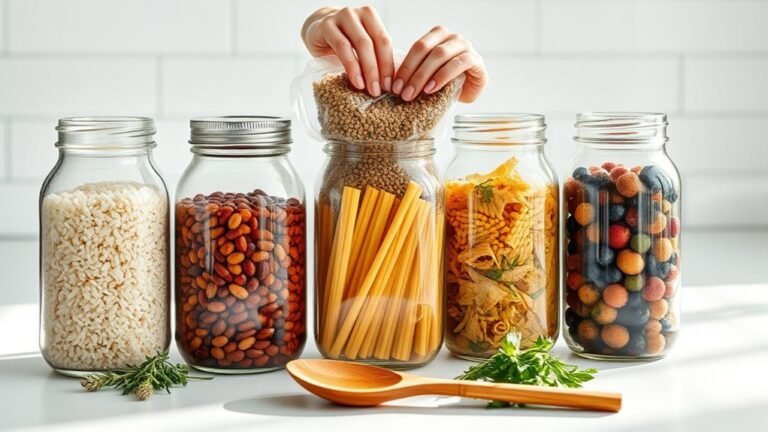
Airtight seals play a vital role in keeping moisture and oxygen out, which helps preserve your food’s freshness and prevents spoilage. When storing dry goods, choose containers with true airtight, gasketed lids like gamma-style or silicone seals.
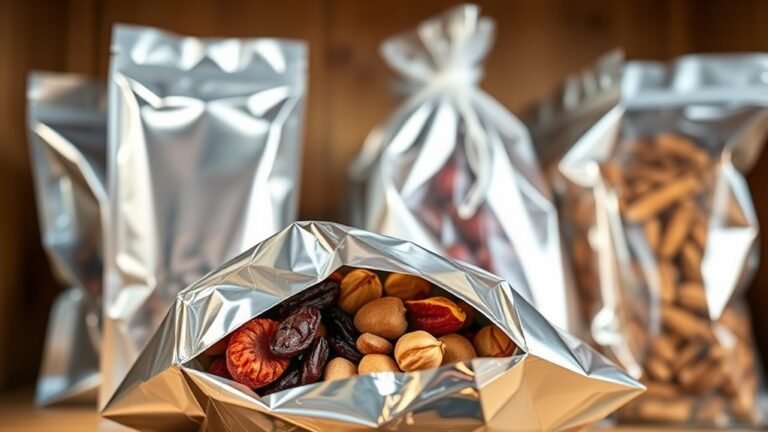
These prevent oxygen and moisture from accelerating oxidation or encouraging bacterial growth. For extra protection, use a triple barrier: a food-grade bucket, a Mylar liner, and an oxygen absorber to block and make certain to actively remove moisture and oxygen.
If you use Mylar bags, heat-seal them twice to ensure no moisture vapor sneaks in. Also, avoid “airtight but not leakproof” lids for moisture-sensitive foods; instead, pick leakproof options with clean, fully seated seals.
Finally, store containers in a cool, dark place to maximize moisture prevention techniques and maintain food quality. Doing these simple things really makes a difference!
Pick Leakproof Airtight Containers for Liquids and Sauces

When storing liquids and sauces, you’ll want containers that are truly leakproof, not just labeled airtight. Look specifically for watertight designs, as lid geometry and seal compression play a vital role in preventing spills.
Choose containers made with silicone gasket lids, which offer food-safe, non-porous seals that maintain a secure closure. Opt for multi-sided closures like four clips or screw/gasket systems, since they evenly distribute pressure and minimize leaks during transport.
Always make sure the silicone gasket is clean, dry, and properly seated before sealing. Avoid containers that only claim to be leak-resistant, as they might not hold up with liquids.
Select Containers Rated for Microwave and Freezer Use
Selecting containers rated for microwave and freezer use guarantees your food stays safe and maintains quality across temperature changes. When choosing durable food storage containers, look for those explicitly marked microwave-safe, and always follow lid instructions—many require venting or removal during microwave use to prevent warping or pressure buildup.
Also, pick containers tested for freezer temperatures, ideally down to -40°F/-40°C, so you can safely heat meals straight from the freezer without damage. Airtight, gasketed lids with silicone seals help prevent frost buildup and keep food fresh after thawing.
Make sure the containers are BPA-free to avoid chemical contamination during repeated heating and freezing cycles. Remember, dishwasher-safe or leak-resistant labels don’t guarantee suitability for both microwave and freezer use, so always verify the manufacturer’s specifications.
Choose the Right Size and Shape for Your Storage Needs
Choose container sizes that fit your typical portions to keep leftovers fresh and lids sealed properly. Aim for a range of sizes between 500 ml and 1.1 l for everyday meals, ensuring lids close evenly without gaps.
For larger family servings or batch cooking, select containers around 2 liters or more to avoid overfilling, which compromises the airtight seal.
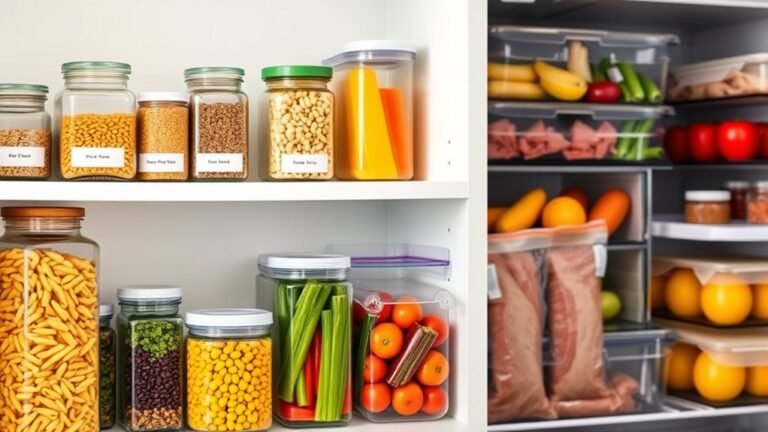
When it comes to shape, rectangular containers are a smart choice—they fit neatly in your fridge and maximize space. While round containers can nest in cabinets, rectangular containers stack efficiently, making organization easier.
Opt for Easy-to-Clean, Stackable Containers
Because cleaning and organizing can quickly become tedious, opting for containers that are easy to clean and stack will save you time and frustration. Choose food containers with smooth, wipeable surfaces and dishwasher-safe parts like silicone gaskets to clean thoroughly and fast.
Look for stackable designs with flat, rectangular bases or nested styles that maximize your storage space and keep your cabinets neat. Make sure lids seal tightly but aren’t tricky to close, so stacking doesn’t cause misalignment or loosen the seal.
Also, consider freezer-to-dishwasher compatibility to keep containers easy to clean after cold storage and reuse them seamlessly. Avoid containers with unstable stacking that can topple or complicate handling, because secure, stackable storage is key for an efficient kitchen setup.
Check for BPA-Free and UV-Resistant Features for Long-Term Storage
Make sure your containers are BPA-free to avoid harmful chemicals that can leach into your food over time. It’s a simple step that really makes a difference in keeping your food safe.
Choosing UV-resistant materials, like opaque HDPE, helps protect your food’s nutrients and freshness during long-term storage. This way, your food stays fresher for longer.
Prioritizing these features keeps your stored food safer and healthier for when you need it. It’s all about making smart choices for the best results.
BPA-Free Material Importance
When selecting airtight food storage containers, you’ll want to prioritize materials that are both BPA-free and UV-resistant to ensure long-term safety and quality. Opt for food-grade HDPE with resin code #2 since it’s inherently BPA-free material, unlike some polycarbonate plastics.
This choice helps you avoid harmful chemicals leaching into your food, especially if you plan to microwave without worry. Plastic containers made from BPA-free HDPE also resist acids and oils better, protecting your stored goods over time.
Make sure the container explicitly states it’s BPA-free and safe for temperature extremes, not just “food-safe,” to guarantee durability. Choosing the right BPA-free plastic containers ensures your food remains uncontaminated and fresh, making them a smart investment for long-term storage.
UV Resistance Benefits
Although selecting BPA-free containers is important, you should also prioritize UV resistance to protect your food during long-term storage. UV-resistant containers, especially those made from opaque HDPE, shield your food from harmful sunlight that can degrade vitamins like A, B2, C, and E.
This protection helps maintain nutritional value and prevents material breakdown caused by temperature changes. When storing steel food or other shelf-stable items, UV exposure can accelerate quality loss even if the container is airtight.
Make sure lids and seals are also UV-resistant to avoid failure over time. Choosing containers designed to limit both light and oxygen ensures your food stays fresher longer, resisting oxidation and bacterial growth.
Health Safety Considerations
Because long-term food storage demands extra care, you should choose BPA-free containers that also offer UV resistance to protect both your food and your health.
Containers made from HDPE resin code #2 are BPA-free, FDA-compliant, and suitable for dry staples like rice and beans. They resist acids and oils while managing temperature extremes, making them ideal for long-term use.
Avoid containers made without the lid or those missing a gasketed seal, since oxygen exposure accelerates oxidation and spoils your food.
UV-resistant opaque containers shield vitamins like A, B2, C, and E from degradation caused by sunlight. So, it’s a smart move to prioritize food-grade materials to avoid chemical contamination.
Also, make sure your containers can withstand freezer temperatures as low as −40°F. This way, your stored food stays safe over time.
Frequently Asked Questions
Why Is It Important to Ensure That Food Is Sealed and Stored Correctly?
You need to seal and store food correctly to prevent oxygen exposure, which causes spoilage and bacteria growth. Proper storage keeps food fresh longer, maintains safety, and helps you avoid waste and potential health risks.
It’s really about making sure your food lasts and stays safe to eat. Plus, it saves you money by cutting down on waste. So, taking a little time to seal and store food right is definitely worth it!
Are Mason Jars Considered Airtight Containers?
Mason jars aren’t always airtight by default. You’ll need jars with intact gasket seals designed for airtight storage.
Otherwise, standard lids can lose their seal over time, especially with temperature changes or repeated use. So, it’s a good idea to check the seals regularly if you want to keep things fresh.
Is It Better to Store Food in Glass or Plastic?
You might think plastic’s convenience wins, but glass holds a secret edge—no odors, no stains, and better heat resistance.
Still, if you need lightweight and impact-proof, plastic’s your go-to.
Choose based on what matters most to you.
How to Know if a Container Is Airtight or Not?
You know a container’s secure if it has a gasketed seal and claims leakproof or watertight.
Test the lid fits snugly without gaps, and check for screw-down or multi-clip closures to ensure a tight, secure seal.
These features usually mean the container will keep air and liquids out, so your stuff stays fresh and safe.
Conclusion
When choosing airtight food storage containers, you want to lock in freshness like a treasure chest guards its gold. By focusing on food-grade materials, airtight and leakproof seals, and versatile sizes, you’ll keep your meals safe and tasty.
Don’t forget to pick containers that are microwave, freezer, and BPA-free for long-lasting convenience. With easy-to-clean, stackable designs, your kitchen stays organized and efficient—making storage a breeze every time.
In the end, finding the right airtight food storage containers means looking for quality materials and seals that truly keep your food fresh. Versatility in size and features like microwave and freezer safety add to the convenience. Plus, BPA-free and easy-to-clean options ensure your health and hassle-free maintenance. When you choose stackable, leakproof containers, your kitchen stays neat, and your food stays delicious longer. These key features make all the difference in keeping your meals fresh, safe, and ready to enjoy whenever hunger strikes.