
10 Safest Materials for Food Storage in 2027
In 2027, choosing the safest materials for food storage is key to keeping your food fresh and healthy.
You’ll want to consider options like glass, stainless steel, BPA-free plastic, silicone, ceramic, and polyethylene (PE) bags.
These materials are known for their safety and ability to preserve food quality over time.
Glass and stainless steel are fantastic because they resist chemicals and odors, so your food tastes just right.
Meanwhile, BPA-free plastic and silicone help reduce harmful leaching, making them safer choices for everyday use.
Ceramic works well too, especially if it’s labeled microwave-safe, which adds convenience.
PE bags are a great lightweight, shatter-proof option for storing food on the go.
Whatever you choose, always prioritize airtight seals and look for proper certifications.
This helps avoid spoilage and contamination, keeping your food safe and your health protected.
Explore these materials and tips to make the best choices for your kitchen!
Key Takeaways
– Glass containers are safest due to inertness, no chemical leaching, airtight seals, odor resistance, and sustainability for long-term food storage.
They keep your food fresh without any funky smells or tastes. Plus, they’re super eco-friendly!
– Stainless steel offers chemical resistance, durability, and non-reactivity, making it ideal for safe, long-lasting food storage with leak-proof lids.
It’s tough and won’t react with your food, so you can trust it for everyday use.
– BPA-free plastics reduce chemical migration risks but require microwave-safe labeling and proper use to ensure food safety.
Just make sure to check if they’re microwave-safe before heating your meals in them.
– Silicone containers are flexible, heat-resistant, and inert, minimizing chemical leaching and odor absorption for safe multipurpose storage.
They’re great for storing all kinds of food and can handle the heat without any problems.
– Polyethylene (PE) bags are BPA-free, food-grade, airtight, and lightweight, but must be used below heat limits to maintain safety.
They’re perfect for keeping things fresh, just don’t expose them to high temperatures.
Why Safe Food Storage Materials Matter in 2027

Because food storage materials can impact both safety and quality, choosing the right ones in 2027 is more important than ever. You want to avoid chemical seepage, especially from lower-quality plastics that release BPA or phthalates when heated or exposed to temperature changes.
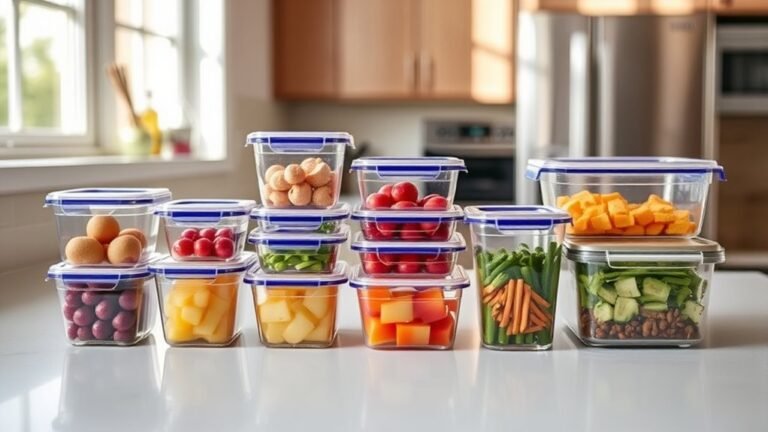
Glass containers offer a reliable solution here—they’re inert, meaning they don’t react with food or absorb odors. This helps preserve taste and slows spoilage.
Glass containers are inert, preserving food’s taste and freshness by preventing reactions and odors.
Plus, glass enhances safety by maintaining airtight seals that keep out contaminants and moisture. That reduces bacterial growth risks.
When you pick safe materials, you’re not just protecting your health but also extending your food’s freshness. Prioritizing materials like glass containers ensures you’re making smarter, safer choices with your food storage in 2027.
How to Spot Safe Food Storage Certifications
You’ll want to look for clear food safety labels like “FDA food-contact” or “BPA-free” to make sure materials meet strict standards. Trusted certifications such as LFGB or third-party lab tests give you extra confidence in a product’s safety.
Always check that the certification details specify how the container is intended to be used. That way, you know it’s safe for your needs.
Recognizing Food Safety Labels
When choosing food storage containers, you should look for clear FDA or equivalent compliance labels that confirm the material is safe for food contact. These labels ensure the use of food-grade materials, giving you confidence in chemical safety.
Also, check for explicit “BPA-free” claims on plastics to avoid harmful chemical leaching. Labels specifying temperature limits—like “microwave-safe” or “freezer-safe”—help you use containers correctly and maintain safety.
Don’t overlook seal or closure claims such as “airtight” or “leak-proof,” which protect your food from contamination and spoilage. By recognizing these safety labels, you can select containers that truly safeguard your food, ensuring they meet strict standards for safe, reliable storage every time.
Trusted Certification Standards
Although many containers claim to be safe, spotting trusted certification standards is key to ensuring your food storage materials truly meet safety requirements. Always look for clear food-contact certifications like FDA approval or BPA-free plastics labeling, which confirm the material is tested for direct contact with food.
Don’t overlook third-party standards such as LFGB from Germany—they offer rigorous chemical safety benchmarks beyond marketing claims. Make sure certifications are specific to food-contact use, since general manufacturing approvals don’t guarantee safety when storing food.
Check for reputable lab test details or recognized conformity marks to avoid chemical leaching, especially with heat or acidic foods. And if you shop internationally, verify that certifications apply in your country and are up-to-date, as regulations can vary and outdated claims might mislead you.
Benefits of Glass Containers for Non-Toxic Food Storage

You’ll appreciate that glass containers don’t leach chemicals into your food, keeping it safer and fresher. They resist odors and stains, so your meals taste just as they should every time.
Plus, choosing glass supports sustainability since it’s reusable and recyclable. It’s a smart choice for non-toxic storage.
Chemical-Free Food Safety
Because glass containers don’t leach harmful chemicals like BPA or phthalates, they offer a safer option for storing your food without added toxins. Glass is chemically inert, ensuring chemical-free food safety by preventing contamination.
You’ll appreciate how glass won’t absorb flavors or odors, keeping your meals fresh and pure. Plus, glass supports nutrient preservation and slows spoilage, especially with airtight lids.
| Concern | Glass Benefits |
|---|---|
| Chemical contamination | None – no leaching |
| Flavor retention | Maintains original taste |
| Nutrient preservation | Keeps food nutritious |
| Longevity | Durable with care |
| Safety | Non-toxic, eco-friendly |
Choosing glass means protecting your health while embracing safe, reliable storage. It’s a smart move for anyone who cares about what goes into their body and how it’s stored.
Odor And Stain Resistance
When you store food in glass containers, you don’t have to worry about lingering odors or stains messing with your leftovers. Unlike plastic, glass is chemically inert, so it won’t absorb smells or colors from tomato sauces or curry.
This odor and stain resistance makes sure your food tastes fresh every time. While stainless steel containers also resist odors, glass offers the added benefit of preserving true flavors without metallic aftertastes.
Glass’s minimal permeability prevents smell molecules from penetrating, unlike porous plastics that can trap odors. Pair glass with airtight lids, and you create a strong barrier against external fridge smells.
Choosing glass over plastic or stainless steel can make a noticeable difference in maintaining non-toxic, odor-free food storage that keeps your meals delicious and stain-free.
Environmental Sustainability Benefits
Although glass containers might weigh more and require careful handling, they offer significant environmental benefits by reducing waste and chemical contamination. Choosing glass helps reduce plastic waste since it’s reusable and widely recyclable.
This makes it a key player in sustainable food storage. Unlike plastic, glass won’t leach harmful chemicals like BPA or phthalates into your eco-friendly food, even during long-term storage.
Its non-reactive nature also preserves nutrient and taste integrity, preventing contamination from acidic or fatty foods. While glass is heavier, its durability means you won’t replace containers as often, cutting down on overall waste.
Durability and Safety of Stainless Steel Containers
Stainless steel containers offer exceptional durability and safety for food storage, making them a reliable choice for your kitchen. When storing food, you benefit from stainless steel’s corrosion resistance and strength. This ensures long-lasting food safe storage without rust or chemical leaching.
This material supports your Health and Safety by staying inert, so it won’t contaminate your leftovers. Stainless steel containers clean easily and maintain food protection, especially with tight, leak-resistant lids. That makes them perfect for everyday and outdoor use.
Just remember, most aren’t microwave-safe, so avoid reheating food in them to preserve their integrity. Also, handle them carefully to prevent dents or scratches that might compromise the surface. Overall, stainless steel is a smart, safe option for durable food storage.
Why BPA-Free Plastic Containers Are Safer for Food Storage
Because BPA and similar chemicals can leach into food, especially when heated, BPA-free plastic containers offer a safer alternative for food storage. When you choose BPA-free plastic, you reduce your exposure to harmful chemicals known to disrupt hormones.
These containers meet strict food contact safety standards, ensuring the resin is safe for storing edibles. Plus, BPA-free labeling helps you identify products designed to limit chemical migration and bacterial contamination.
Keep in mind, though, to avoid microwaving BPA-free plastics unless they’re explicitly labeled microwave-safe, as heat can increase chemical leaching. By using BPA-free plastic containers that comply with FDA-style food-contact regulations, you protect your health while keeping your food fresh and secure.
Silicone Containers: Flexible, Safe Food Storage Options
Choosing BPA-free plastic containers is a wise step toward safer food storage, but silicone containers offer another dependable option you might consider. Silicone containers are flexible and tough, making them excellent food storage solutions that resist cracking or warping through temperature changes, such as moving from freezer to fridge.
Their inert nature means they have a low risk of chemical leaching compared to many plastics, keeping your food safe. Plus, their non-porous surface reduces odor and stain absorption, so leftovers stay fresh longer.
Just make sure to follow manufacturer guidelines for heat, microwave, and dishwasher use. Using silicone containers with intact structure and secure lids ensures airtight storage, limiting bacterial growth and spoilage while maximizing safety and convenience in your kitchen.
Ceramic Containers: Safe Food Storage and Reheating
You’ll find ceramic containers are a reliable choice for storing and reheating food since they’re generally non-reactive and don’t absorb odors or stains. Just make sure your ceramic is labeled oven or microwave-safe and free of metallic trims to avoid uneven heating or sparks.
When reheating, avoid sudden temperature changes and stir your food to ensure it heats evenly and safely. It’s a simple way to keep your meals tasting great and safe to eat.
Ceramic Safety Features
While ceramic containers offer excellent safety for food storage, you should always make sure there are no chips or cracks that could compromise their protective glaze. This glaze is key for ceramic’s role in safe food storage, as it’s inert and non-reactive, preventing chemicals from leaching into your food.
Properly glazed ceramic also resists absorbing odors and flavors, helping reduce food spoilage by maintaining freshness and taste over time. To keep your ceramic containers in top shape, avoid sudden temperature changes that can crack the glaze.
Though ceramic handles reheating well, maintaining that glaze integrity ensures your food stays safe and uncontaminated during storage. By inspecting your ceramic containers regularly, you can confidently rely on them for safe food storage without worrying about contamination or spoilage.
Reheating Best Practices
Maintaining the integrity of your ceramic containers doesn’t stop at storage—it extends to how you reheat your food as well. Following reheating best practices ensures your ceramic stays secure and durable while preserving food quality.
Avoid exposing your containers to temperature extremes, like moving them directly from freezer to oven, to prevent cracking. Always check for microwave-safe ceramic labels before reheating in the microwave.
Here are key tips to remember:
- Use only microwave-safe ceramic for reheating.
- Avoid sudden temperature shifts to prevent damage.
- Reheat leftovers until steaming hot throughout.
- Store with airtight lids to keep food fresh.
- Reheat directly in ceramic to minimize plastic contact.
Safe Food Storage With Polyethylene (PE) Bags
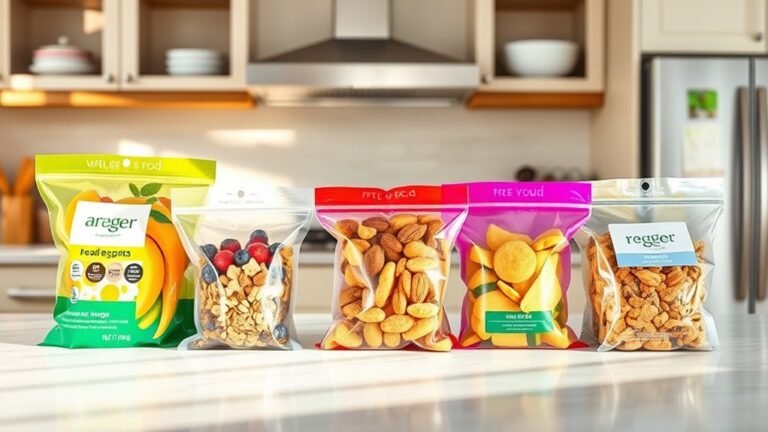
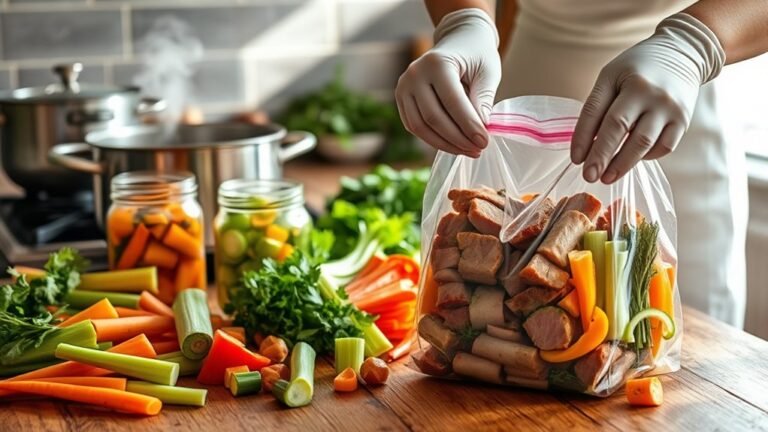
Because polyethylene (PE) bags are typically BPA-free and made from food-grade materials, you can depend on them to store food safely without worrying about harmful chemical leaching. When choosing the right plastic for food storage, PE bags stand out for being lightweight, shatter-proof, and effective at preserving freshness if sealed airtight.
Just remember to avoid exposing them to high heat unless they’re labeled microwave-safe. This helps prevent any chemical migration. Also, look for PE bags that meet FDA or LFGB standards and have clear “BPA-free/food-grade” labels to ensure safety.
| Feature | Benefit |
|---|---|
| BPA-Free | Reduces chemical risk |
| Lightweight | Easy handling and storage |
| Airtight seals | Slows spoilage and bacterial growth |
| Heat sensitivity | Avoid microwaving unless labeled |
| Durable | Less waste, more cost-effective |
Combining Food Storage Materials for Safety and Convenience
To maximize both safety and convenience, you should combine different food storage materials based on their strengths and your specific needs. Using the best food storage containers strategically helps reduce risks like chemical leaching and cross-contamination.
For example, use glass containers for hot or flavor-sensitive foods. This helps avoid odor absorption and chemical leaching.
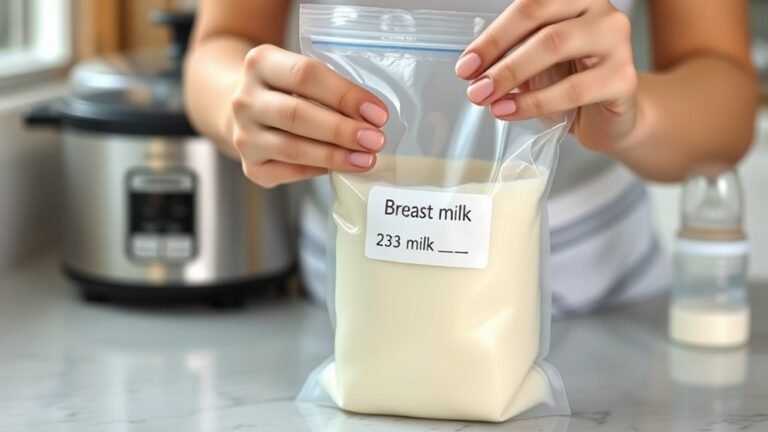
Store lightweight fridge or freezer items in BPA-free PE plastic bags or containers. They’re great for easy handling.
Choose stainless steel for durable meal-prep and outdoor storage. Just remember to avoid microwaving it.
Always prioritize airtight, leak-proof designs. This reduces bacteria growth and chemical exposure.
And finally, match materials to temperature needs. Don’t microwave plastics unless they’re labeled microwave-safe.
Best Practices to Maintain Safety With Your Food Storage Containers
Combining the right materials is only part of keeping your food storage safe. Always check that your containers have airtight lids or seals. Worn or damaged seals let bacteria in, which causes spoilage and odors.
Avoid microwaving plastics that aren’t microwave-safe to prevent chemical leaching. Instead, use glass or heat-rated containers when heating up your food.
Use only microwave-safe plastics or heat-rated containers like glass to avoid harmful chemical leaching during heating.
Let hot food cool before sealing containers that are sensitive to heat. This helps prevent cracks or warping from sudden temperature changes.
Make sure to store raw and cooked foods separately. Also, clearly label your leftovers with dates—that way, you keep your food fresh and safe over time.
Don’t forget to regularly sanitize your refrigerator shelves. And replace containers that are cracked, scratched, or no longer leak-proof to maintain safety and freshness in your kitchen storage.
Frequently Asked Questions
What Is 100% Food-Grade Plastic?
100% food-grade plastic means the plastic’s made and tested specifically for food contact. But don’t assume it’s safe for every use.
You’ll want to check labels for BPA-free claims and temperature guidelines before relying on it. It’s always good to be cautious and informed!
Is a 20 Year Old Tupperware Safe to Use?
You shouldn’t use 20-year-old Tupperware for hot or greasy foods since it may leach chemicals and won’t seal well.
If it has cracks, stains, or warping, toss it to keep your food safe. Better safe than sorry, right?
Do All Plastic Containers Leach Microplastics?
Not all plastic containers are like leaky boats; some hold strong. But if you use scratched, heated, or old plastics, microplastics can seep out.
Choose BPA-free, food-grade plastics, or better yet, switch to glass or steel. It’s a simple way to keep things safer and cleaner.
What Are Safe Food Storage Containers?
You should select glass or stainless steel containers for safe food storage. If you use plastic, pick BPA-free, food-grade ones.
Always ensure tight seals and avoid microwaving plastics not labeled microwave-safe to prevent chemical leaching. It’s better to be safe than sorry when it comes to what your food touches.
Conclusion
When it comes to food storage, you don’t want to cut corners—your health depends on it. By choosing safe materials like glass, stainless steel, and BPA-free plastics, you’re not just storing food; you’re protecting your family.
Remember, mixing materials wisely and following best practices keeps your food fresh and toxin-free. It’s all about making sure what touches your food is safe and reliable.
So, don’t let safety fall by the wayside—make smart choices now. Using the safest materials for food storage in 2027 means fewer worries about harmful chemicals and better preservation of your meals. Your health and peace of mind are worth it!