5 Key Foods and How Long Their Storage Lasts
You can keep fresh meat in the fridge for 1–2 days, storing it at 40°F or below in sealed containers.
Cooked meat and poultry last 3–4 days refrigerated, and leftovers should be frozen promptly if not eaten sooner.
Dairy products need to stay cold, with items like cream cheese used within two weeks after opening.
Fruits and vegetables generally last longer uncut at room temperature but refrigerate after slicing.
Ready to uncover more tips to maximize your food’s freshness and safety? Keeping track of how long key foods last can help reduce waste and keep your meals delicious.
Let’s dive into some easy storage tips!
Key Takeaways
- Fresh chicken lasts 1–2 days in the refrigerator at 40°F (4°C) or below.
- Cooked meat and poultry should be consumed within 3–4 days when refrigerated at 40°F (4°C) or below.
- Milk and dairy products must be kept refrigerated at or below 40°F (4°C) and consumed before printed dates.
- Whole fruits like tomatoes and bananas are best stored at room temperature until sliced or cut.
- Fresh meat and poultry should be frozen quickly, labeled with the date, and thawed in the refrigerator only.
How Long Can You Keep Fresh Meat Safely in the Fridge?
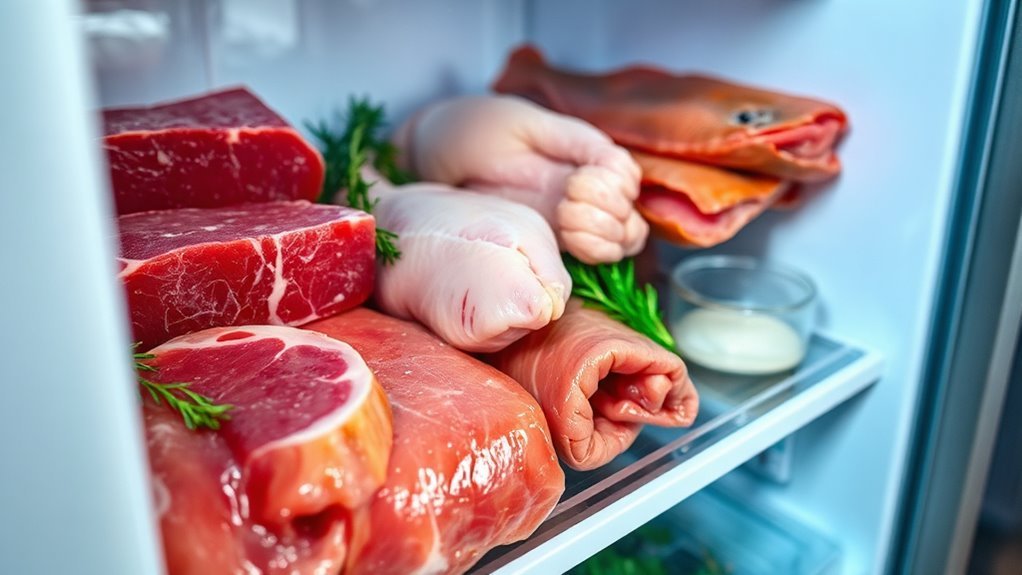
When you bring fresh meat home, you should store it properly to keep it safe and tasty. For best food storage, keep fresh chicken in the refrigerator for only 1–2 days after purchase.
Make sure your fridge stays at 40°F (4°C) or below, using a reliable thermometer to check. Store raw meat in sealed containers or wrap it tightly to prevent juices from contaminating other foods.
Avoid buying fresh meat too far in advance of when you’ll use it—consult a cold storage chart to match your purchase with the ideal fridge time window. By following these simple steps, you’ll maintain freshness and reduce the risk of foodborne illness while keeping your meals delicious and safe.
How Long Can You Store Cooked Meat and Poultry Safely?
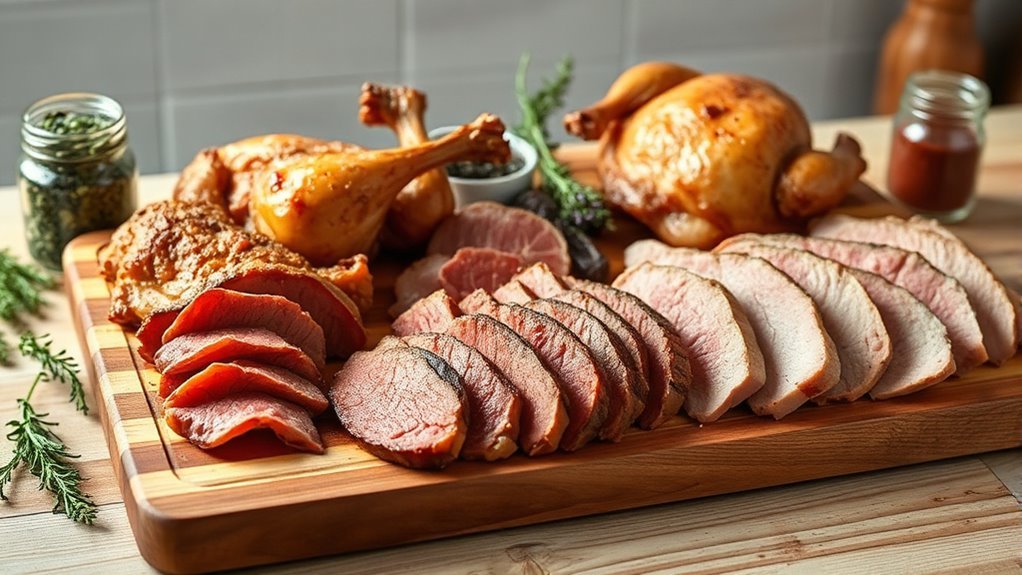
Although cooked meat and poultry can be safely stored for a limited period, you should refrigerate them at 40°F (4°C) or below and eat them within 3–4 days to prevent spoilage and bacterial growth.
Refrigerate cooked meat and poultry at 40°F (4°C) or below and consume within 3–4 days to ensure safety.
If you can’t finish leftovers within that time, freeze them quickly—ideally within a few hours after cooling. When reheating, heat thoroughly to 165°F (74°C) to kill any bacteria.
Keep these tips in mind:
- Don’t leave cooked meat or poultry out at room temperature for more than 2 hours (1 hour if it’s above 90°F/32°C).
- Use a food thermometer to check reheating temperature.
- Label leftovers with the cooking date to track freshness and safety.
Following these guidelines helps ensure your cooked meat and poultry stay safe to eat.
How to Store Dairy Products Without Spoiling
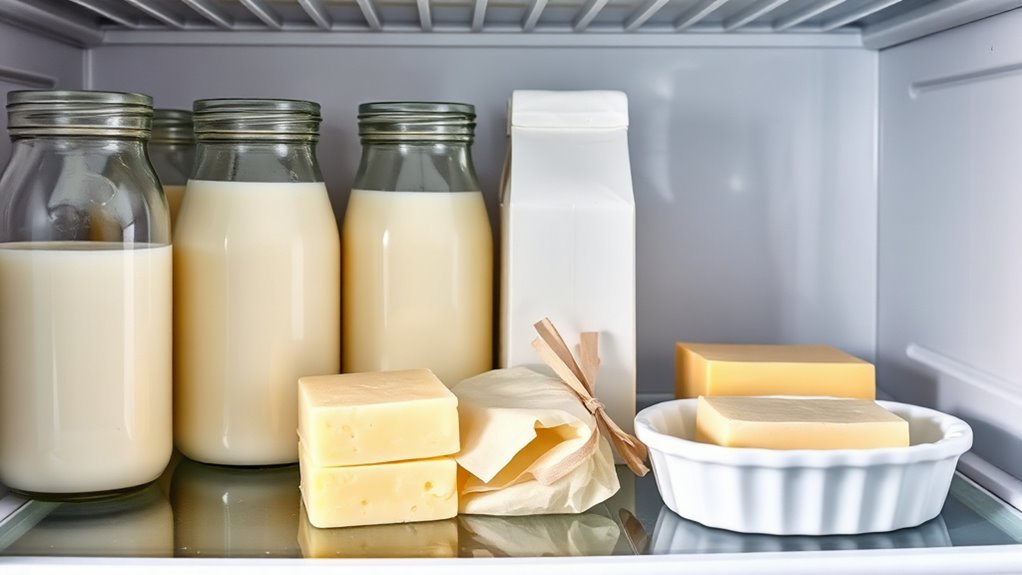
Since dairy products spoil quickly if not stored properly, you should keep milk and other liquids refrigerated at or below 40°F (4°C). Make sure to consume them before their printed dates.
Store yogurt in the coldest part of your fridge—not the door—and keep it tightly sealed. This helps preserve freshness and safety.
Refrigerated cream cheese needs to stay sealed and is best used within two weeks after opening. Hard cheeses last longer when wrapped properly and refrigerated.
But watch out for mold on soft or crumbly cheeses—that means you should discard them. Never leave dairy products out at room temperature for more than two hours, or just one hour if it’s above 90°F (32°C).
Doing this helps avoid foodborne illness risks. Proper storage keeps your dairy safe and tasty!
Safe Food Storage for Fresh Fruits and Vegetables
To keep your fresh fruits and vegetables at their best, you should wash them before eating or cutting. But only refrigerate them if they’re pre-cut or sliced.
Most whole fruits like tomatoes, bananas, and citrus do best at room temperature until sliced. For vegetables such as leafy greens, broccoli, and herbs, store them in the crisper drawer with high humidity to maintain freshness.
Delicate produce like berries need to stay covered and refrigerated. You should use them quickly since they spoil faster.
Remember these key points:
- Store pre-cut fruits and veggies in the fridge to slow spoilage.
- Keep leafy greens and herbs in high-humidity crisper drawers.
- Regularly check for soft spots or mold and discard spoiled items promptly.
This way, you keep your produce fresh and safe to enjoy longer.
Freezing Tips to Safely Extend Food Storage Life
Once you’ve handled fresh fruits and vegetables properly, freezing comes in as a powerful way to keep a wider range of foods fresh for longer.
Freeze fresh meat and poultry as soon as possible, making sure they stay below 40°F before freezing to keep the quality high. It’s a good idea to portion your items before freezing. That way, you cut down thaw time and avoid having to refreeze the whole batch.
Always label packages with the freezing date and follow FDA storage guidelines to keep track of how long your food stays safe. When freezing cooked leftovers, cool them first, then freeze promptly to keep them safe and tasty.
For thawing, always use the refrigerator—never room temperature. This helps keep foods out of the danger zone. Following these steps will help you safely extend your food’s storage life and reduce waste.
Frequently Asked Questions
What Is the Shelf Life of Keystone Meats?
The shelf life of Keystone Meats depends on the cut and storage. You should use fresh meat within 1–2 days refrigerated or freeze it to extend storage.
Always check the package label for exact “use by” dates. That way, you can be sure your meat is safe and fresh when you use it.
What Food Has a 25 Year Shelf Life?
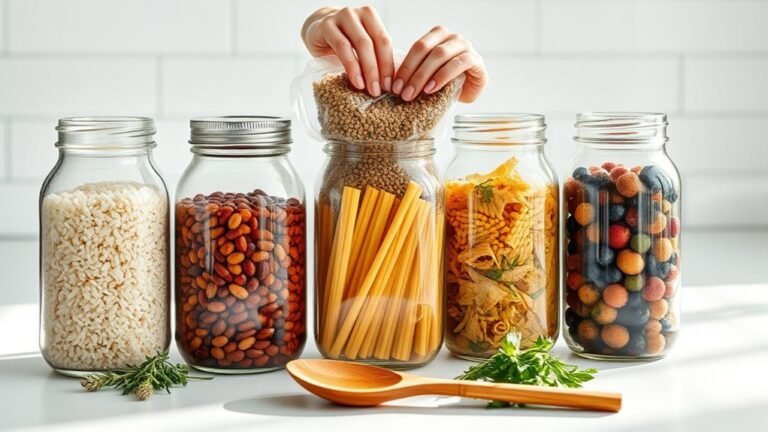
You can rely on commercially packaged dehydrated foods like white rice or powdered peanut butter for a 25-year shelf life.
Just make sure to store them airtight, dry, and cool to keep them safe and fresh.
That way, they’ll last way longer and stay good to eat when you need them.
What Is the 2-2-2 Rule for Food Storage?
The 2-2-2 rule means you should use leftovers within 2 days, refrigerate them within 2 hours after cooking, and avoid keeping them in the fridge longer than 2 days to keep your food safe and fresh.
It’s pretty simple to remember, right? Just a quick way to make sure your food stays good and you don’t risk getting sick.
What Food Lasts the Longest in Storage?
Think of salt as time’s steadfast guardian—it lasts longest in storage.
You’ll find that dry goods like salt and sugar, sealed tight and kept cool, outlast most foods.
They really symbolize endurance against decay’s relentless march.
Conclusion
Now you know how long key foods can last, so you can keep your meals fresh and safe. Did you know fresh meat typically lasts only 3-5 days in the fridge? That’s less time than a workweek!
By storing meat, dairy, fruits, and veggies properly—and using freezing tips—you’ll reduce waste and enjoy your food longer. It’s all about smart storage techniques that keep your food tasting great and safe to eat.
Remember, smart storage means safer eating and less tossing out. Keeping these tips in mind every time you stock your kitchen will help you get the most out of your groceries. Proper storage of key foods not only saves money but also cuts down on food waste, making your kitchen more efficient and eco-friendly. So, keep fresh foods fresh and enjoy every bite!