What Does FIFO Stand for in Food Storage and How Does It Work?
FIFO stands for First-In, First-Out in food storage, which means you use the oldest stock before the newest. This simple method helps you prevent waste by ensuring food stays fresh and doesn’t spoil.
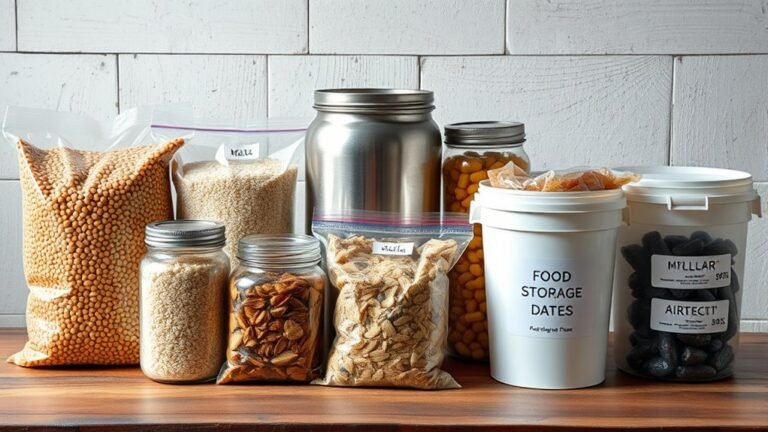
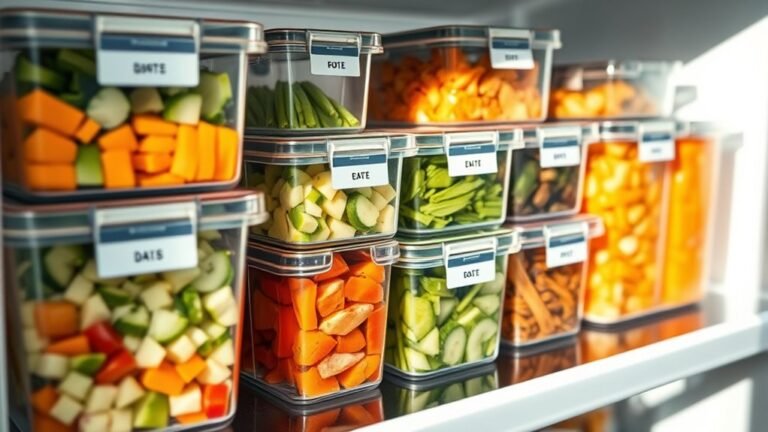
It’s a key practice for anyone wanting to keep their kitchen organized and safe. You’ll label items with dates and arrange them so older items are easier to reach.
Regularly rotating stock keeps everything organized and safe. Stick with this approach, and you’ll see how simple changes can boost food safety and storage efficiency.
Key Takeaways
- FIFO stands for First-In, First-Out, a method to use the oldest food stock before newer items. It helps make sure food gets used in the right order.
- This approach minimizes food spoilage and waste by ensuring proper stock rotation based on receipt or expiration dates. It’s all about keeping things fresh!
- Items are labeled with dates and arranged so older stock is easily accessible at the front or top. That way, you don’t accidentally grab the wrong thing.
- Regular inventory checks and stock rotation maintain FIFO, preventing expired food consumption. Staying on top of this keeps your kitchen safer.
- FIFO promotes food safety, extends shelf life, and improves overall storage organization and efficiency. It’s a simple system that really pays off.
The Basics and Importance of FIFO in Food Storage
Although managing food storage can be challenging, using the FIFO method guarantees you always use the oldest stock first, minimizing spoilage and waste. FIFO, which stands for First-In, First-Out, is essential for effective inventory management and food rotation.
By organizing your stock so that items with the earliest expiration dates are accessible, you prevent spoilage and extend shelf life. This approach not only reduces food waste but also supports food safety by ensuring products are consumed before they degrade.
Proper stock organization and regular inventory checks help maintain compliance with health regulations. When you apply FIFO correctly, you improve overall food storage efficiency, maintain quality, and protect your customers or household from consuming expired or unsafe food.
Practical Steps to Implement FIFO Effectively
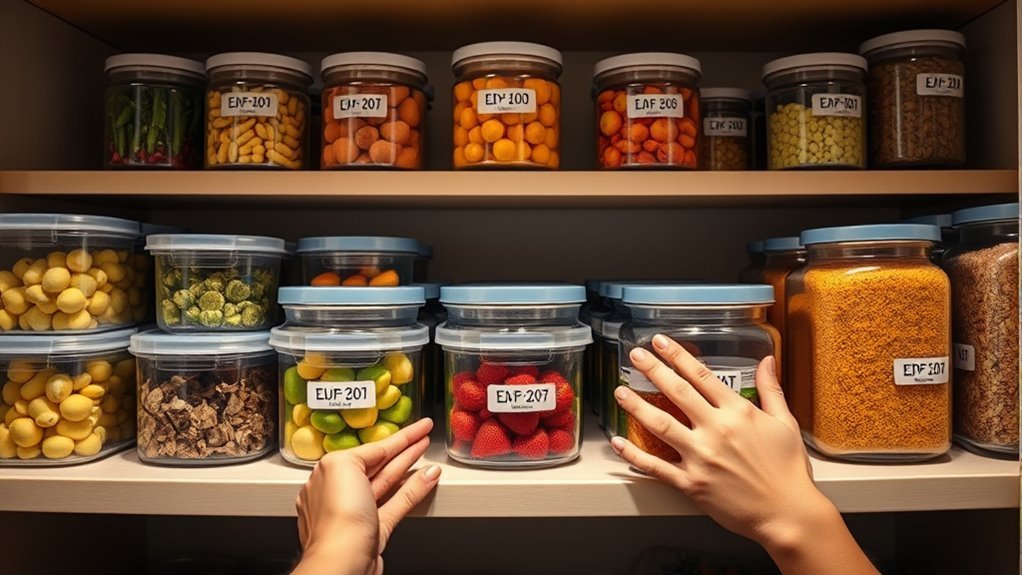
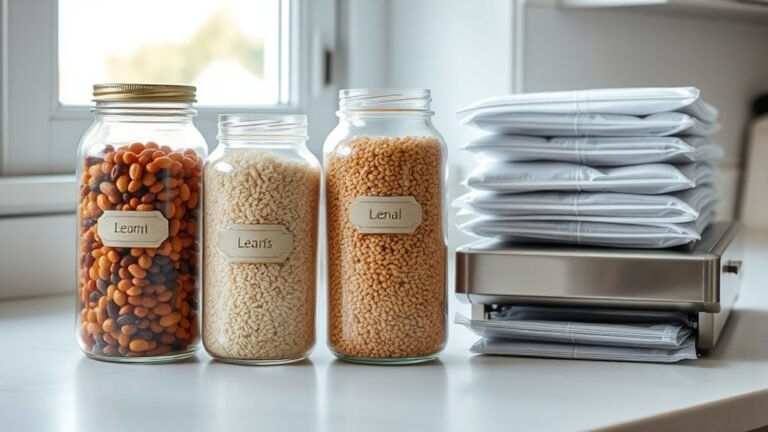
To make FIFO work well in your food storage, you need clear organization and consistent habits. Start by properly labeling all items with receipt or expiration dates.
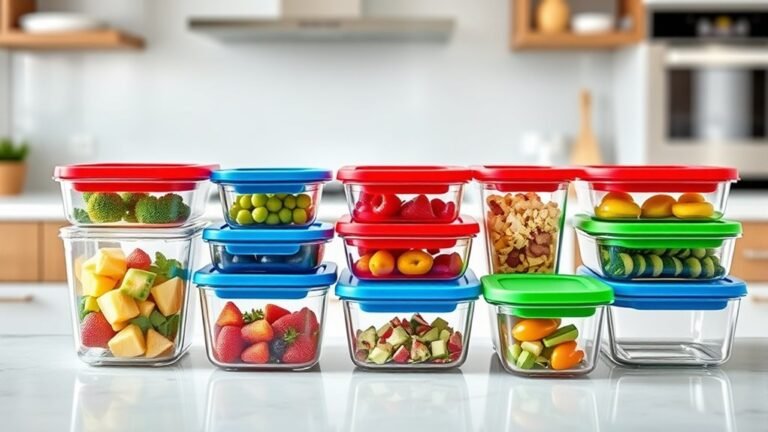
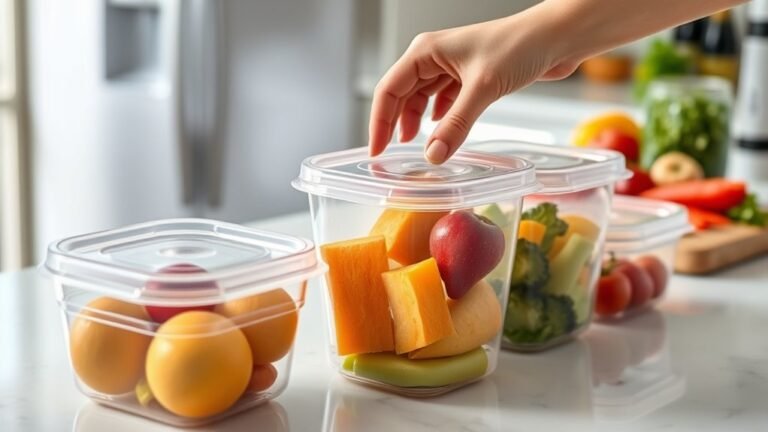
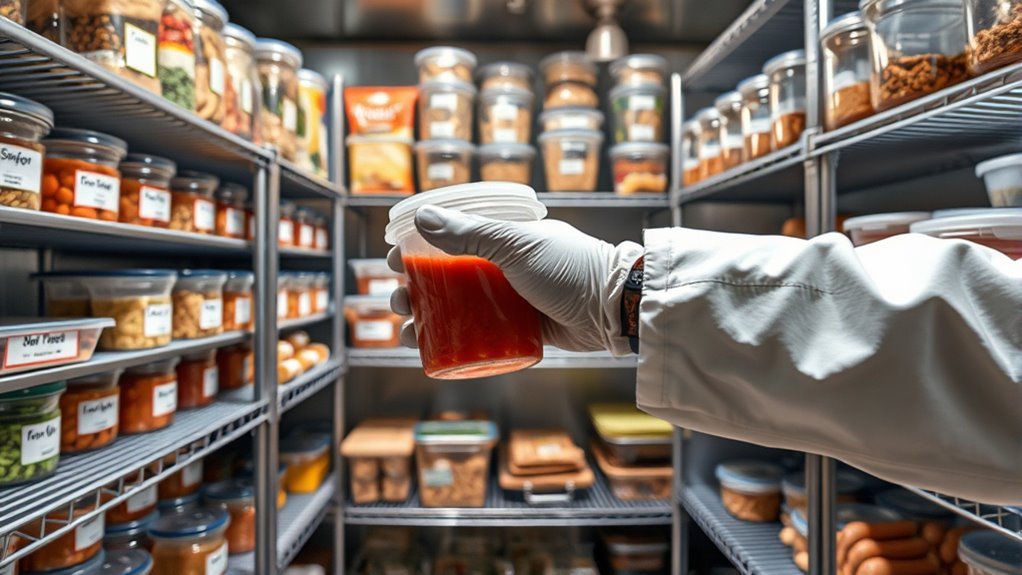
Place older stock in front or on top, so it’s used first, while newer stock stays behind or below. Regularly rotate stock and conduct inventory audits to maintain food safety and prevent spoilage.
These storage practices help you manage food shelf life effectively and uphold first-in-first-out principles.
| Step | Action Description |
|---|---|
| Proper labeling | Mark items with expiration dates |
| Stock rotation | Move older items to accessible spots |
| Inventory audit | Check compliance with FIFO regularly |
| Organized storage | Arrange shelves for easy access |
| Continuous check | Update stock during deliveries |
Frequently Asked Questions
What Are the 5 Disadvantages of FIFO?
You’ll face increased labor time, higher setup costs, and the need for precise labeling. If staff aren’t trained well or don’t follow procedures, errors happen.
Plus, FIFO struggles with sudden inventory surges or shortages. It can get tricky when things don’t flow as expected. So, you have to stay on your toes!
How Do You Use the FIFO Method to Store Food?
You store food by placing newer items behind older ones, labeling everything with dates, and arranging shelves so the oldest products are at the front.
This way, you always use the oldest items first. It helps keep your inventory fresh and reduces waste.
Also, regularly check for expirations to keep your inventory safe and fresh.
Doing this simple routine can make a big difference in how you manage your food storage.
Do Grocery Stores Use FIFO or LIFO?
When you shop at Walmart, you’ll notice they use FIFO, not LIFO. They place older milk cartons upfront so you buy those first.
This helps minimize spoilage and ensures freshness. It keeps customers happy and waste low.
What Is a FIFO Checklist?
A FIFO checklist helps you track inventory by labeling dates and organizing older items upfront.
You’ll inspect stock regularly to use products before they expire, reducing waste and ensuring food safety consistently.
It’s a simple way to keep things fresh and avoid any surprises with expired goods.
Plus, it makes managing your stock a lot easier and more efficient.
Conclusion
By using FIFO, you’re turning your storage into a well-organized carousel, where the oldest items smoothly move forward to be used first. This simple system prevents waste, keeps food fresh, and saves you money.
When you consistently apply FIFO, you’re not just managing inventory—you’re creating a flow that ensures nothing gets left behind or forgotten. So, take control, follow the steps, and watch your kitchen run like a well-oiled machine.
Implementing FIFO in food storage helps maintain freshness by rotating stock efficiently. It’s easy to adopt and makes a big difference in reducing food spoilage. Using FIFO means better food management, less waste, and more savings—making your kitchen both smart and sustainable.