How to Follow the Most Important Rule of Food Storage
To follow the most important rule of food storage, keep your refrigerator at or below 40°F (4°C) and your freezer at 0°F (-18°C). Using a thermometer to check temperatures regularly is a smart move. It helps ensure everything stays at the right chill.
Avoid leaving perishable foods out over two hours—it’s a common mistake that can lead to spoilage. Also, store raw meats on the bottom shelf to prevent any contamination from dripping onto other foods.
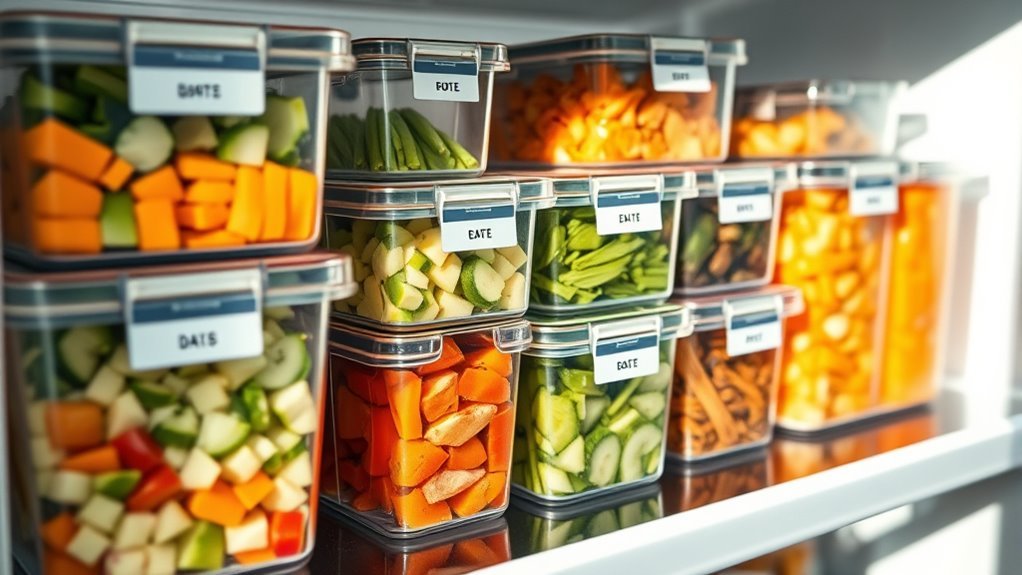
Label items by date too; this way, you’ll use older foods first and reduce waste.
By mastering these basics, you’ll guarantee your food stays safe and fresh. Plus, you’ll save money and avoid unnecessary trips to the grocery store. There are more tips to help you along the way, so keep learning and practicing good food storage habits!
Key Takeaways
- Keep your refrigerator at or below 40°F (4°C) and the freezer at 0°F (-18°C). This helps stop bacteria from growing.
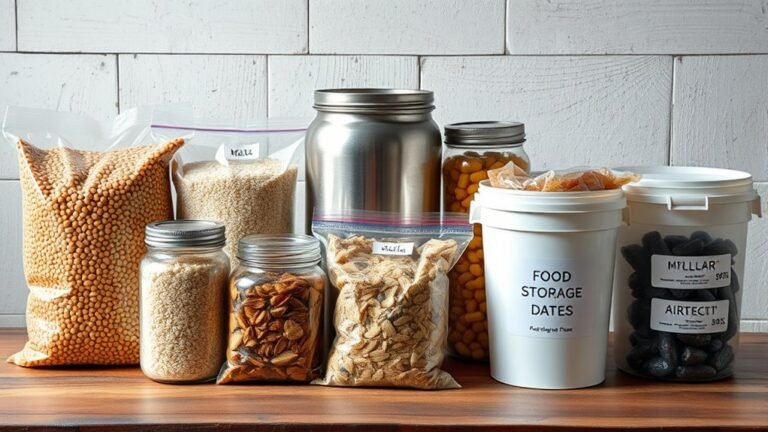
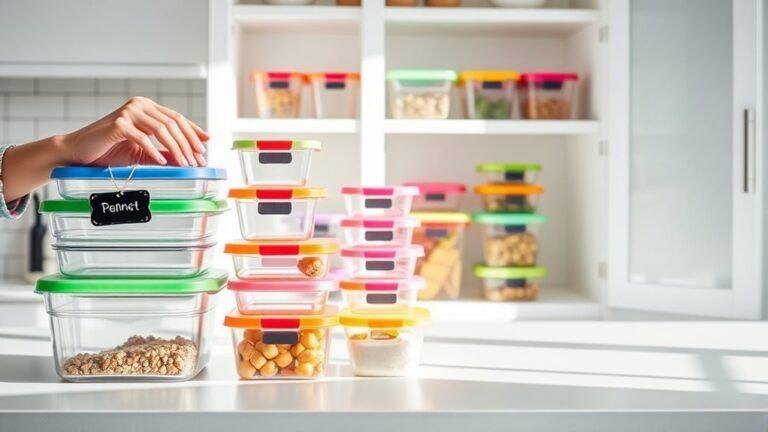
- Make sure to label and date all your stored foods. Use the FIFO method—first in, first out—to keep spoilage to a minimum.
- Always store raw meats on the bottom shelf. This way, you avoid any chance of their juices contaminating other foods.
- Don’t leave perishable items out for more than 2 hours. And if it’s above 90°F (32°C), try to keep it under 1 hour.
- Check your fridge and freezer temperatures regularly with a reliable thermometer. Keeping them accurate is key to food safety.
Maintain Proper Temperature Control
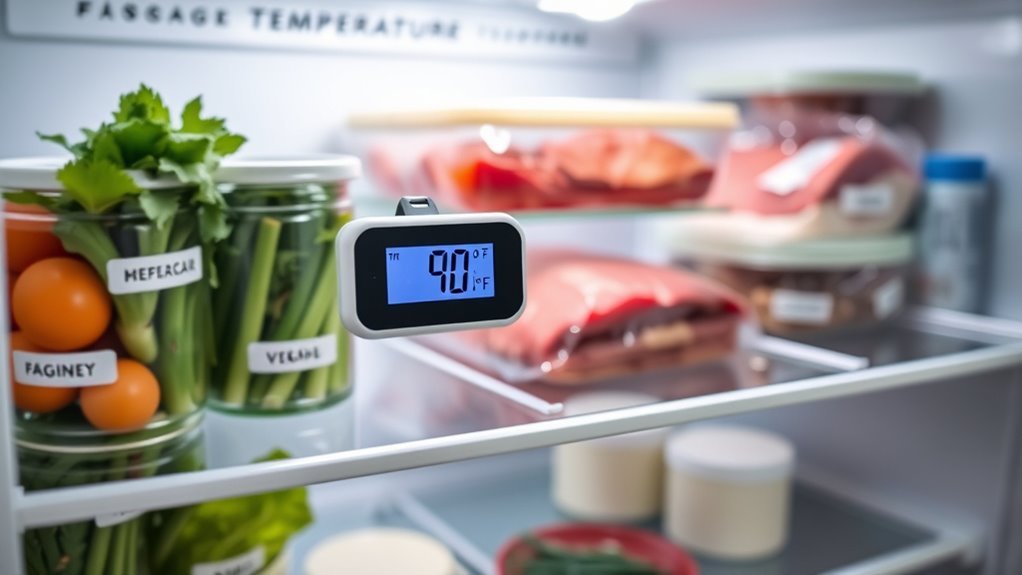
Although it might seem simple, maintaining proper temperature control is essential for keeping your food safe and fresh. You should keep your refrigerator temperature at or below 40°F (4°C) and your freezer temperature at 0°F (-18°C) to slow bacteria growth.
Using a thermometer regularly helps you monitor these temperatures, ensuring they don’t enter the temperature danger zone where bacteria multiply rapidly. To keep food cold and prevent bacteria growth, store food properly and avoid leaving perishable items out for more than two hours—or just one hour if it’s above 90°F (32°C).
Proper temperature control is key to preventing foodborne illnesses and spoilage. By staying vigilant with these measures, you protect your food’s quality and maintain food safety effectively.
Practice Safe Food Handling and Storage
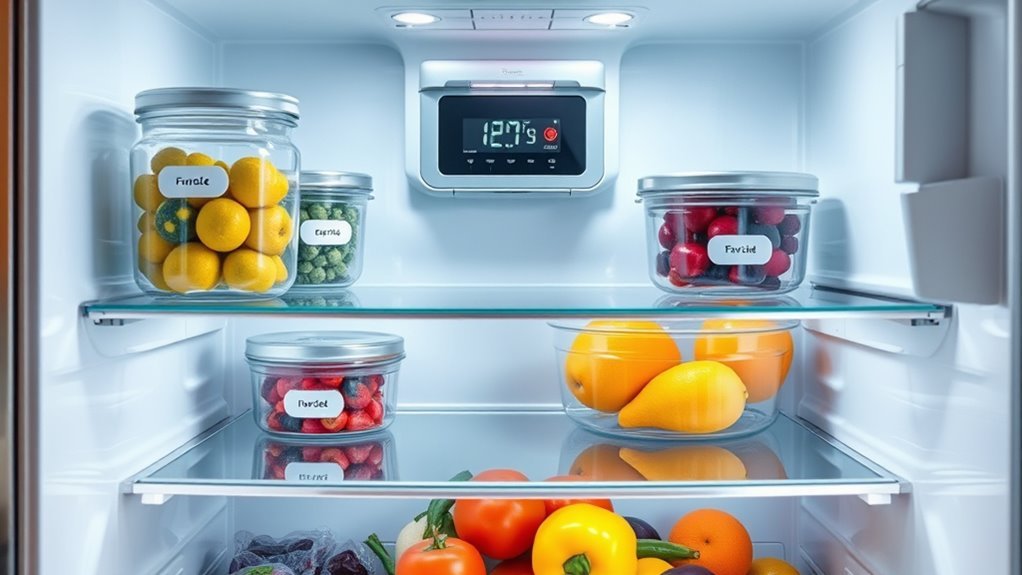
When you handle and store food safely, you considerably reduce the risk of contamination and foodborne illness. Keep refrigerator temperatures at or below 40°F to slow food spoilage and bacterial growth. Always refrigerate perishable items within two hours.
Safe food storage cuts contamination risk—keep your fridge at 40°F and refrigerate perishables within two hours.
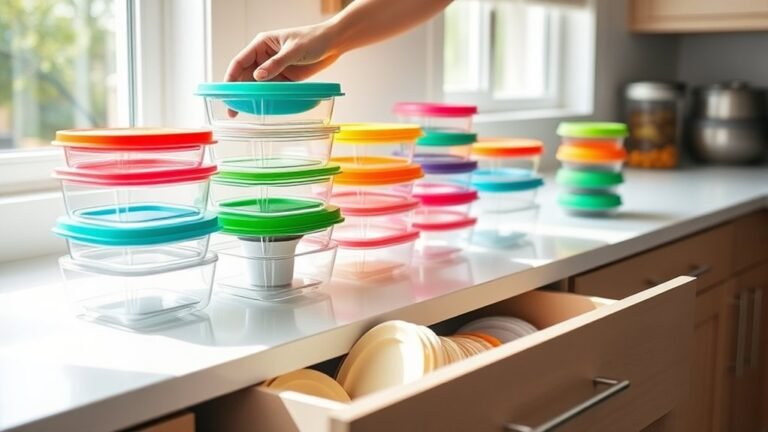
Also, store raw meats on the bottom shelf to prevent cross-contamination. Use appropriate food storage containers and practice proper labeling by dating items and applying the FIFO method to use older foods first.
For freezer safety, maintain consistent temperatures and check thermometers weekly. Never refreeze thawed food unless cooked first, and discard any food showing signs of spoilage, like bad odors or leaks.
Following these safe food handling steps guarantees your food stays fresh longer and protects you from foodborne illness risks. It’s worth the effort to keep your meals safe and tasty!
Frequently Asked Questions
What Is the 2-2-2 Rule for Food Storage?
The 2-2-2 rule means you should eat perishable foods within 2 hours, refrigerate leftovers for no more than 2 days, and use frozen foods within 2 months to keep everything safe, fresh, and reduce waste.
It’s pretty simple, right? Just a few easy steps to help you avoid food going bad and keep your meals tasty. Plus, it’s a great way to cut down on throwing food away.
What Are 5 Important Food Storage Tips?
You should store perishables below 40°F and use FIFO to rotate stock. This helps keep everything fresh and reduces waste.
Also, keep raw meat on the bottom shelf to avoid any drips contaminating other foods. Label and date everything so you know what to use first.
And remember, never leave foods out over two hours. This is key to guaranteeing safety and freshness every time.
What Three Vegetables Should Never Be Refrigerated?
Tomatoes, potatoes, and peppers prefer a temperate place, not the fridge. You’ll preserve their peak flavor and perfect texture by avoiding cold storage.
Keeping these vegetables vibrant, valuable, and vivid for your meals every time is easy when you store them right. So, skip the fridge and enjoy their best taste and texture!
What Two Foods Never Expire?
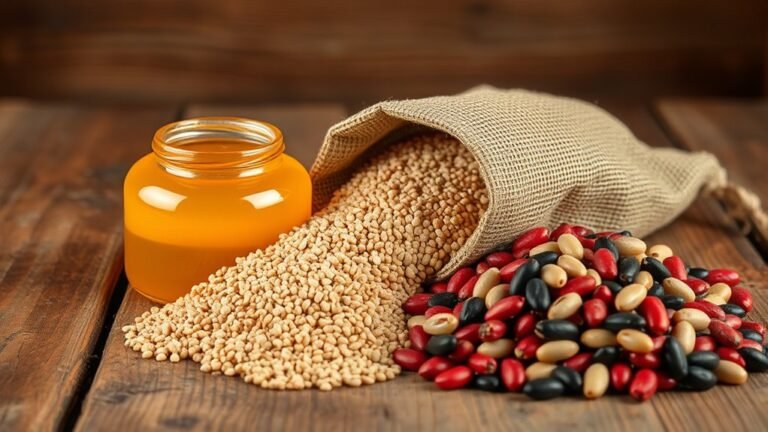
You’ll find that honey and white sugar never expire. Their low moisture content stops bacteria from growing, so if you store them properly, they’ll stay safe and delicious indefinitely.
Even if their texture or color changes, it’s usually nothing to worry about. So, you can keep them around without stressing about a use-by date.
Conclusion
Just like Goldilocks found the perfect balance—not too hot, not too cold—you need to keep your food at the right temperature to stay safe and fresh. By handling and storing your food properly, you’re not just following rules; you’re protecting yourself and your loved ones from harm.
So, remember, the key to great food storage lies in balance and care. Stick to these simple steps, and you’ll always enjoy meals that are both delicious and safe. Proper food storage is essential for maintaining freshness and preventing foodborne illnesses.
When you store food at the right temperature and handle it carefully, you ensure that every bite is as tasty as it should be. Following these food storage tips helps you keep your kitchen safe and your family healthy.